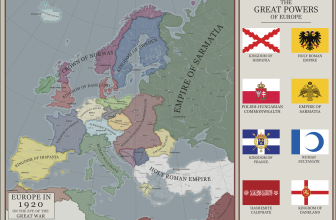
The Revival of the Roman Empire in the 17th Century. The Mediterranean Under Spanish Rule

The turning point in this world came in 1453, when, during the siege of Constantinople, a small Spanish detachment under the command of Rodrigo Manrique de Lara found itself among the defenders. Of course, the presence of such an experienced and respected warrior could not change the outcome; Constantinople fell. However, Manrique managed to rescue Emperor Constantine XI Palaiologos by fighting his way through to the pier with his detachment and escaping pursuit on a fast schooner.
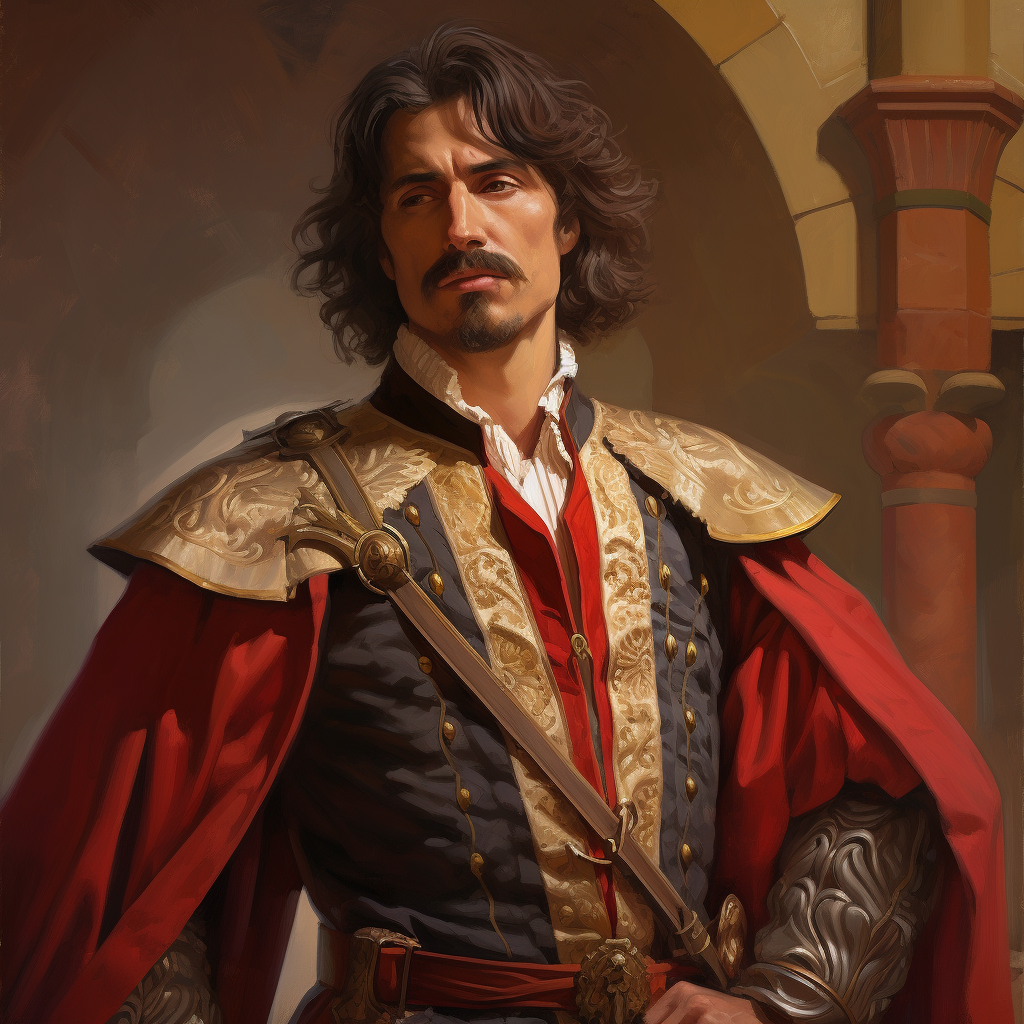
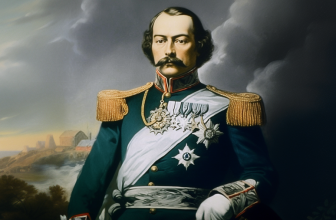
Rodrigo Manrique de Lara
Constantine arrives in Spain, where he meets Ferdinand the Catholic; in order to secure a livelihood befitting his status in the presence of the leading Spanish clergy, he sells his title to Ferdinand through the ancient Roman practice of adoption.
It is not entirely clear how this affected the course of the Second Castilian Civil War. But unlike in RI, in this world the war reached a stalemate, and neither side was able to achieve a decisive victory.
Historical Background: The Second Castilian Civil War, better known as the War of the Castilian Succession, took place from 1475 to 1479. It was fought between Juana Beltraneja, the daughter of King Henry IV of Castile, and his half-sister Isabella over the right to inherit the Castilian crown. In this war, Aragon sided with Isabella—whose heir she was married to—while Portugal sided with Juana for a similar reason. Due to territorial disputes with Aragon over lands in Italy and Roussillon, France sided with Portugal.
As a result of the war, Spain was divided almost in half. The Kingdom of León passed to Portugal, while Castile was ultimately united with Aragon under the rule of Isabella I of Castile and her husband, Ferdinand the Catholic.
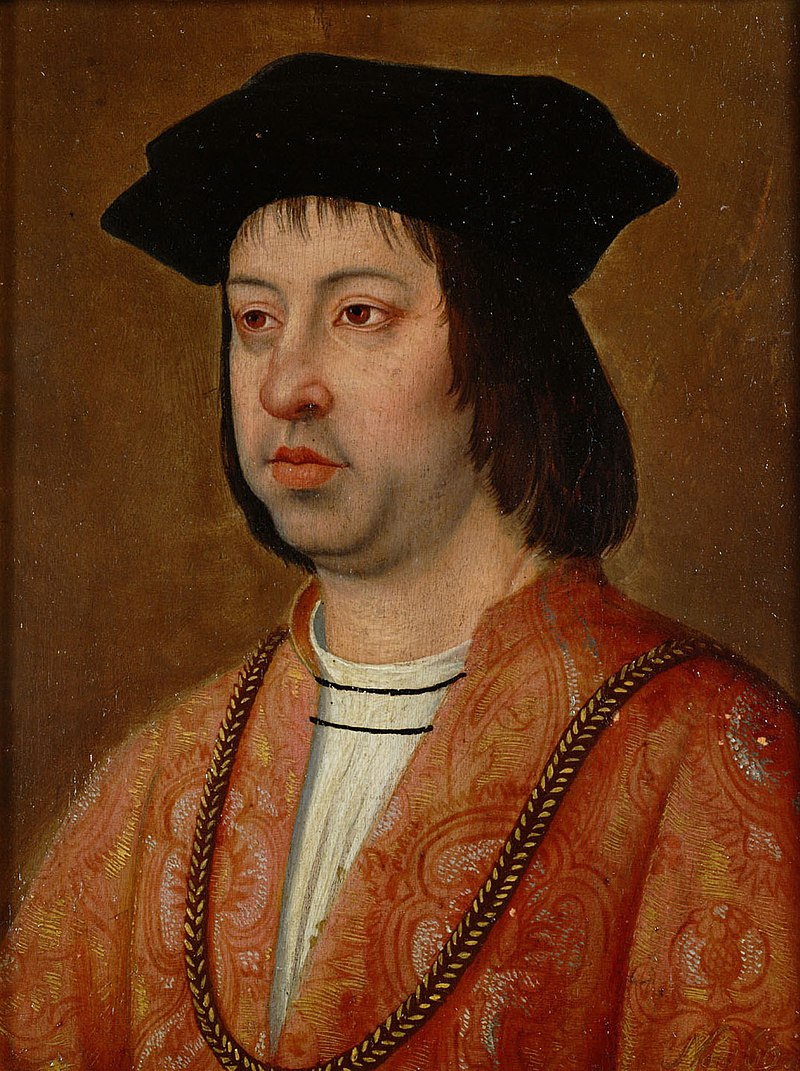
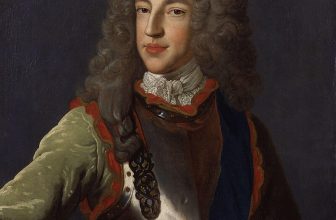
Ferdinand the Catholic, King of Castile and Aragon
At first, Ferdinand had no real use for the title of Byzantine Emperor. His country had not yet recovered from a grueling war with Granada. Later, he became embroiled in a war against France in Italy—a country he had long resented for supporting Juana Beltraneja in the recent civil war. In the time that had passed since the War of the Castilian Succession, the Spanish army had significantly improved its capabilities, and the famous Spanish tercia had been formed. This allowed Ferdinand to win a decisive victory and drive the French out of Italy.
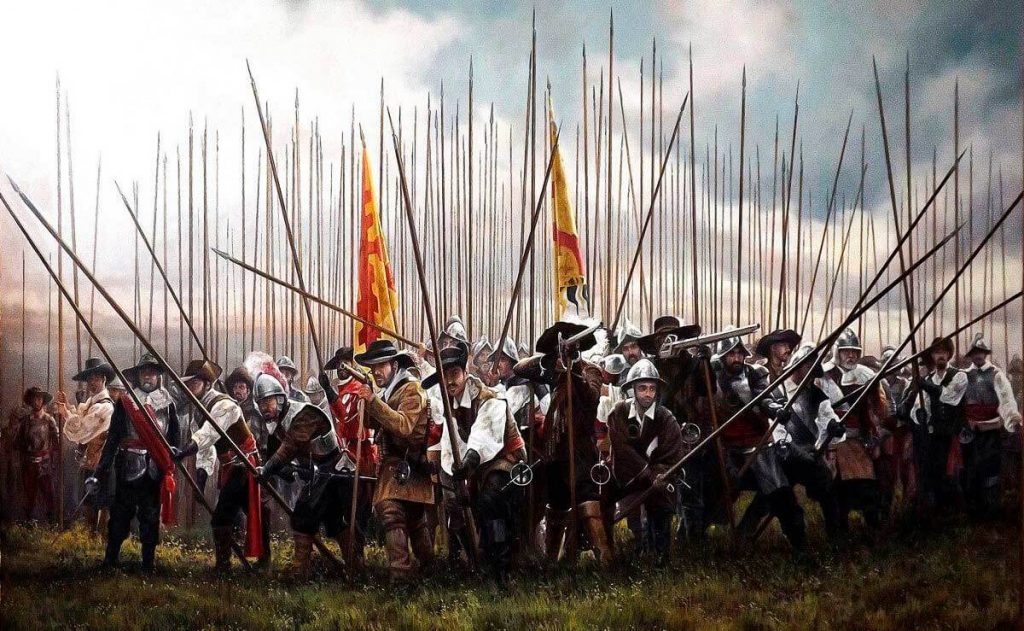
Spanish third
After that, Aragonese decides that the time has come to secure his rightful claim to the title of “Emperor of the East.” With the Pope’s support (having practically forced him into it), he calls for a Great Crusade against the Ottomans.
Thus began a grueling, protracted war against the Ottomans, which culminated in 1604, after eight years of fighting, with the King of Aragon entering Constantinople.
After the fall of Constantinople, it took another year of war for the Ottoman Empire to finally collapse and for a significant part of Anatolia to return to the control of the new Byzantine emperor.
Upon returning to Rome, Ferdinand is crowned emperor of the Second Roman Empire. However, several problems arose, such as tensions between the Orthodox and Catholics. Under pressure from the new emperor, the Patriarch recognizes the Pope’s authority. However, one of his bishops refused to submit; he left Constantinople and founded the “True Orthodox Church” in Moscow.
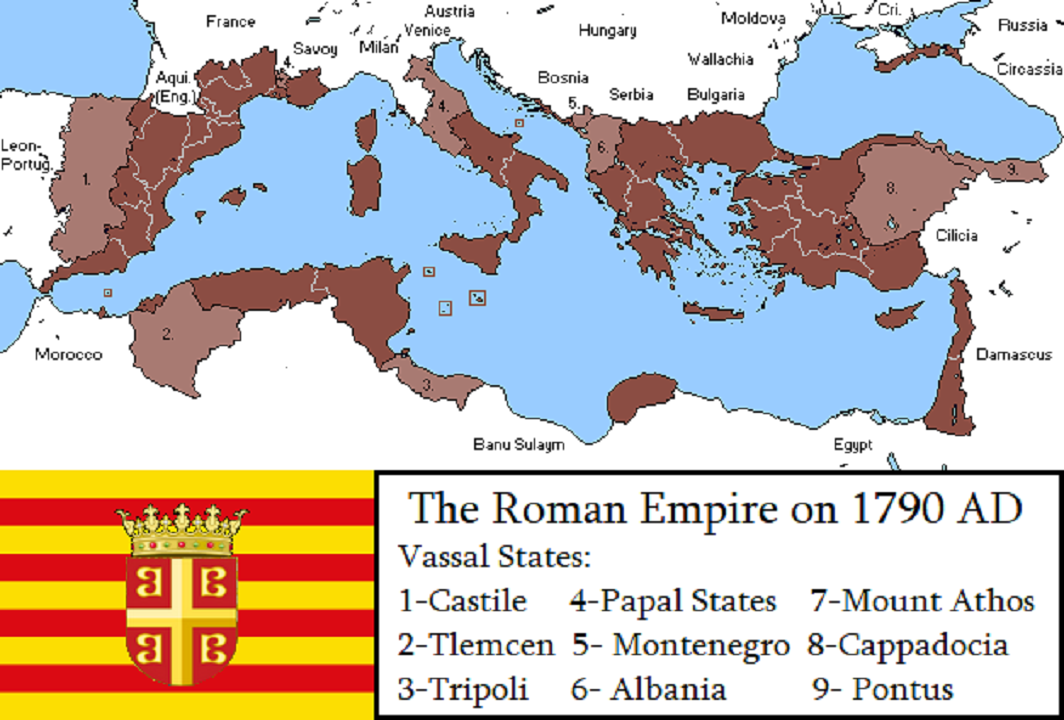
P.S. Another less obvious consequence of this turning point will be that Russia will no longer feature the double-headed eagle on its coat of arms, since Sophia Palaiologina no longer has any connection to Byzantium. And it’s unlikely she’ll become the wife of Ivan III. St. George the Victorious will remain on Russia’s coat of arms.
Well, as for a wife, our Tsar Ivan Vasilyevich will apparently marry some local boyar’s daughter so as not to break with long-standing tradition.
Источник — https://www.alternatehistory.com/forum/threads/map-thread-xviii.448574/page-354