The Little Chancellor's Long Struggle: How Dolfus's Survival Changed the Course of World War II

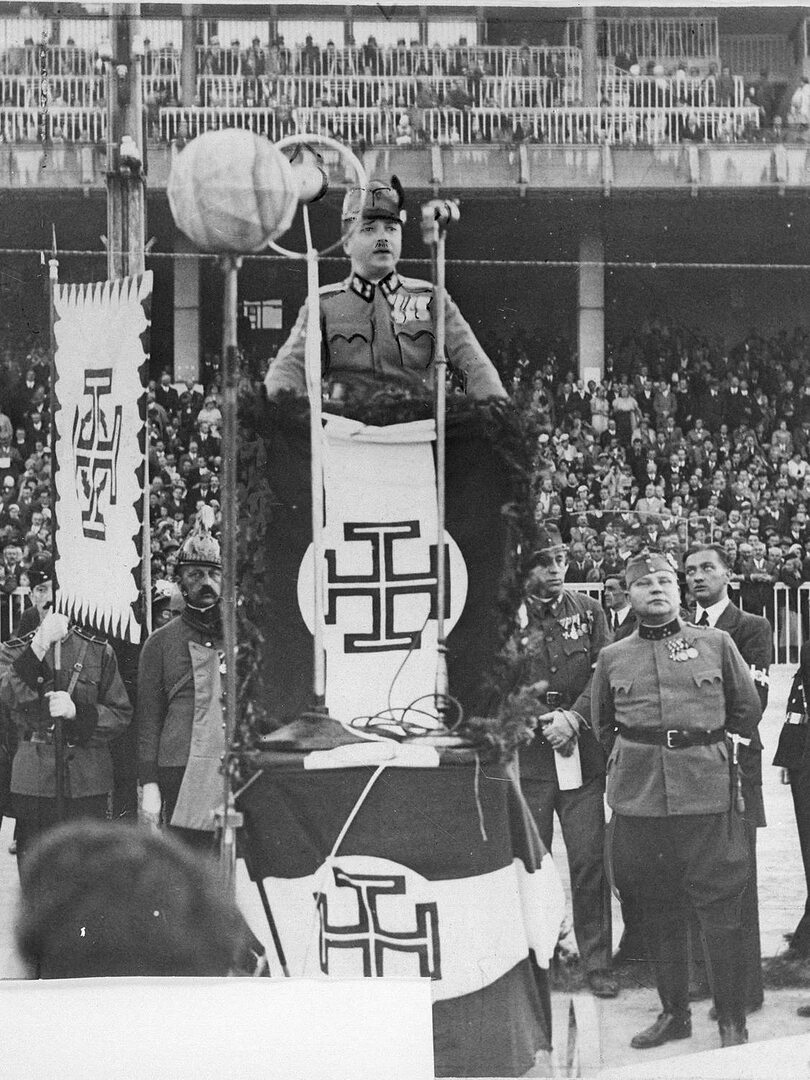
Contents:
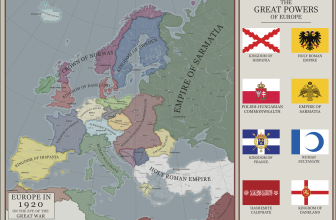
Among the countries defeated in World War I, Austria’s fate was perhaps the most unenviable: it suffered the greatest human and territorial losses, and unlike Germany, for example, Austria was not merely stripped of its territory but was dismembered into several large states.
For a country with a rich history of statehood and strong ties to the Catholic Church, Austria’s turn toward its own version of fascism was more than logical. Austria also had a growing ally in the form of its former enemy, Italy, as well as its own strong leader—a veteran of the Great War, Engelbert Dollfuss—who was necessary for building a powerful state ready to meet the challenges of a new era, who had been unable to withstand the struggle against Germany—which sought to unite the German people under a single state—and had been removed from power four years before the Anschluss as, likely, the only person capable of defending Austria’s independence.

The Eastern Reich stands
On June 31, several dozen men from Germany wearing brown shirts surrendered to Austrian border guards. The recent crackdown on the former core members of the NSDAP had forced many to seek refuge abroad. The accounts they provided of the crackdown on their former comrades by the SS—which had effectively taken over the role of Germany’s security apparatus—led to a series of operations against this organization in Austria, and ultimately, on July 25, 1934, their conspiracy to overthrow Chancellor Dolfus and prepare for a German invasion of the country was definitively thwarted.
The irrefutable evidence of an impending German attack not only formally gave Austria a free hand to rebuild its army, but also led to the formation of a full-fledged alliance with Italy. On August 1, 1934, after the purges against the Austrian SS had ended, Dolfus flew to Milan, where he met with Mussolini and concluded a series of agreements. After they shook hands, three Italian divisions, concentrated on the border with Austria, crossed it and reached the German border. Italo Balbo visited Austria two weeks later, tasked with formulating a plan for the establishment of the Austrian Air Force.
Publicly denouncing the Treaty of Saint-Germain was still a dangerous move for Austria, so the rebuilding of the army was carried out in secret and with Italy’s full support, as stipulated in the Milan Addendum to the Roman Protocols, which now constituted a full-fledged Austro-Italian alliance.
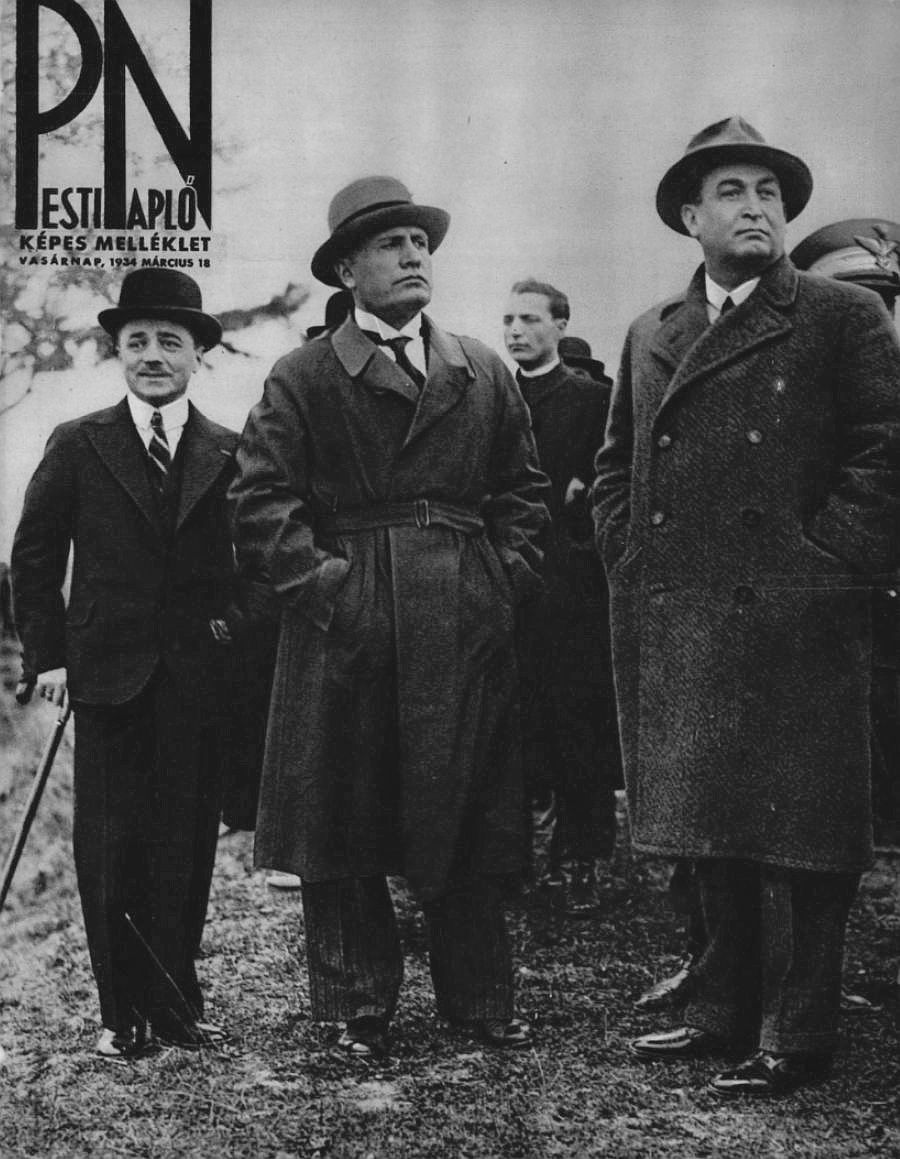
Over the course of a year, the plan was to expand the Austrian army to 100,000 men, establish an air force, and form an armored group, primarily using Italian equipment.
Grand Diplomacy and a Small, Victorious War
Reunification with Austria—Hitler’s top priority—was becoming an increasingly difficult task. The expansion of Austro-Italian cooperation shifted the issue to the international arena, which Germany was unable to resolve on its own.
Mussolini’s claims in Africa and the Mediterranean inevitably created enemies for him in the form of France and Great Britain, and it was precisely against the backdrop of their shared hostility toward Italy that Hitler hoped to bring his long-standing idea of an Anglo-German alliance.
A convenient pretext, which discredited Italy—primarily in the eyes of Great Britain—arose in the fall of 1935 following the Italian invasion of Ethiopia, which had been preceded by agreements between Italy and France regarding several minor territorial concessions.
Earlier, in June of that same year, the Anglo-German Naval Agreement was signed; for the Reich, it was significant not so much as the beginning of the navy’s revival, but rather as a thaw in relations with Great Britain.
Germany used the outbreak of the Italo-Ethiopian War to level accusations against Italy and to initiate a new round of negotiations with Great Britain.
The Germans benefited from the fact that the Austrians were secretly participating in the war: in Abyssinia, the Abwehr tracked down a group of Austrian jaegers who were engaged in combat operations in the mountain ranges.
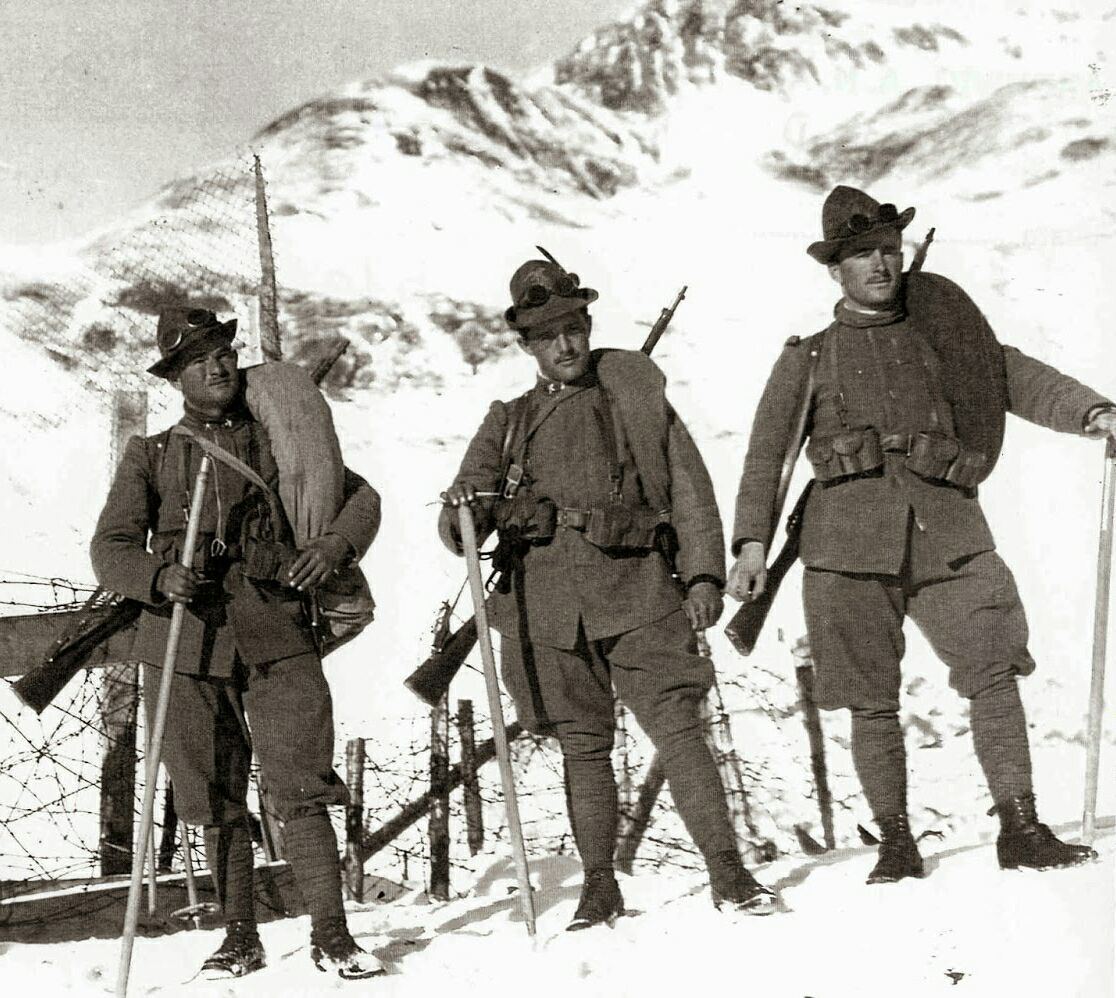
But the Alpine shooters aren’t quite on their game today
Despite Germany’s withdrawal from the League of Nations, it was to the League that Germany turned—out of pure pragmatism—against the backdrop of both the Italo-Ethiopian War and its own claims on Austria: the former was accused of unjustified aggression, while the latter’s government was accused of violating the German people’s right to self-determination and secretly expanding its army.
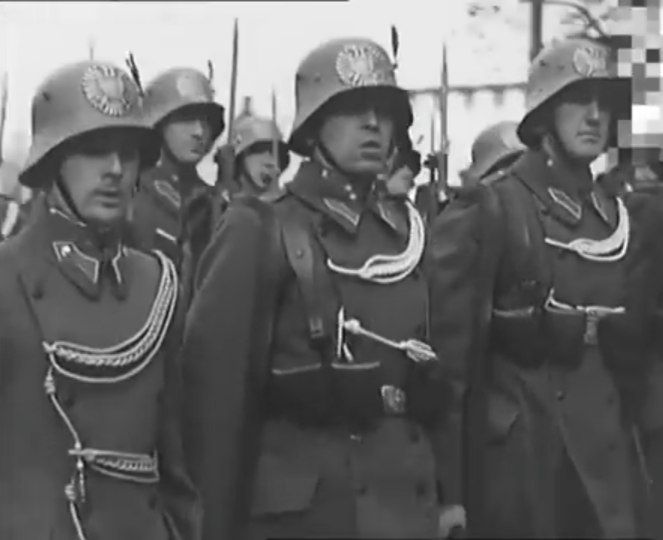
Even after the naval agreements were signed, Ribbentrop flew across the North Sea on numerous occasions. His mission was to realize Hitler’s long-held dream of an alliance with Great Britain at all costs, even if it meant breaking with Italy, whose stance on Austria had completely ruined its relations with the Reich. Germany played the “Ethiopian card” to heighten the Italian threat that was bringing the two countries closer together. Ribbentrop’s mission on December 14, 1935, assured London that the previously agreed-upon, strictly moderate expansion of the German navy did not imply a return to the colonial ambitions of the old empire, thereby ruling out any grounds for German-British confrontation. While accusing Italy of unjustified aggression against the Ethiopian people, the Germans smoothly shifted to an equally unjustified retention of ethnic Germans in “occupied German Austria”—where “occupation” specifically referred to the deployment of Italian troops there.
In addition to the economic sanctions Germany had already imposed on Italy, the United Kingdom agreed, following negotiations, to deny Italy access to the Suez Canal and to grant Germany a corridor for arms shipments to Ethiopia — first and foremost, obsolete weapons from World War I, along with ammunition for them, as well as newer rifles that had also been decommissioned, were supplied to the “enemy of my enemy.”
Even the indirect diplomatic involvement of Germany and Great Britain—primarily the transport blockade—created a host of difficulties for the Italians; moreover, it was precisely at the turn of 1935–36 that rumors of an imminent German invasion of Austria began to circulate more and more actively against the backdrop of the failed Ethiopian campaign.
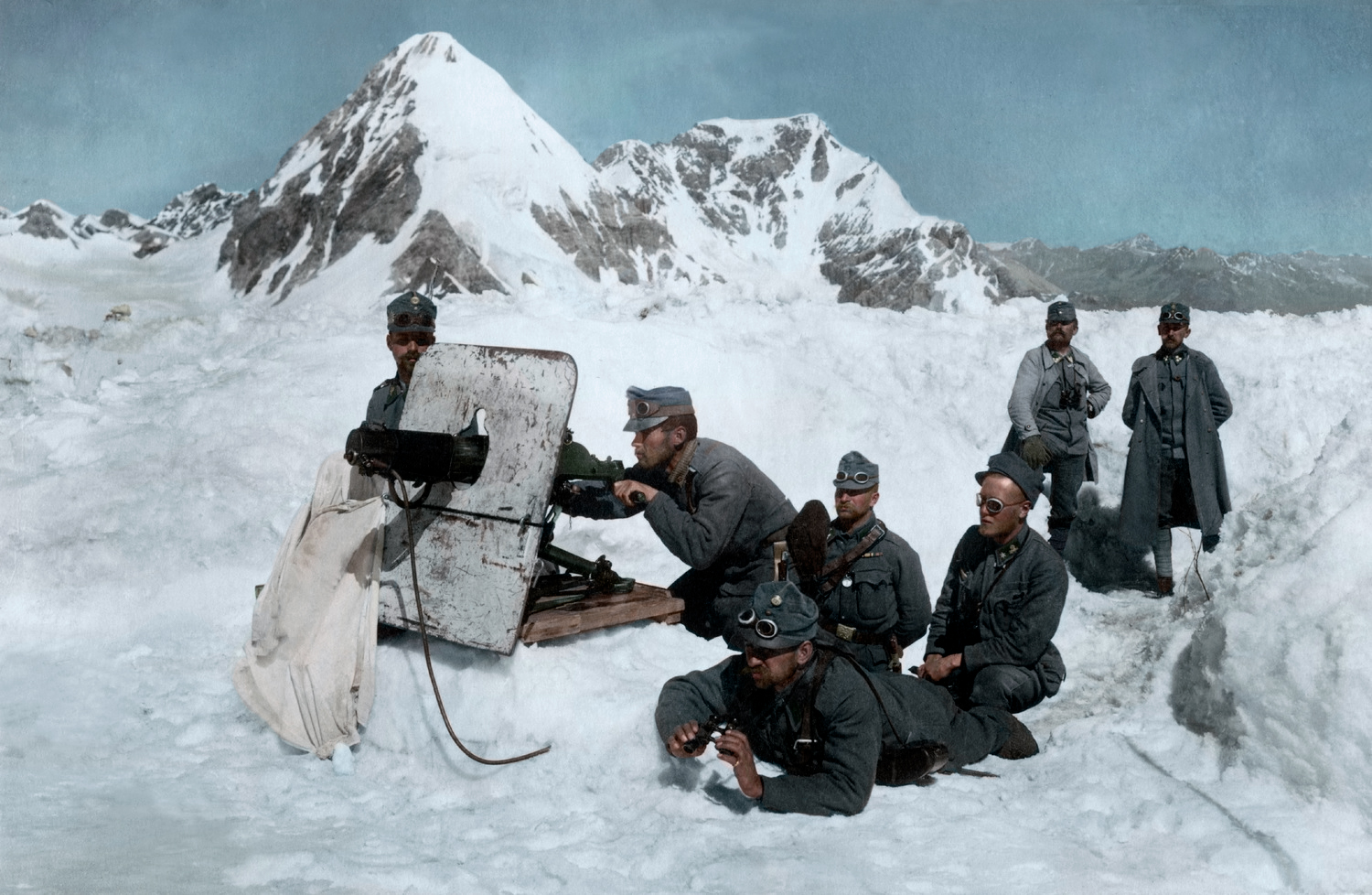
We’re waiting for the attack with bated breath
The Joint Military Council of the signatory states to the Rome Protocols—which included Hungary—took the German threat seriously, and Austria, the only point of contact with Germany, was designated as a fortress. In the winter of 1936, the Alpine regions along the border with Germany began to be fortified with barbed wire, minefields, machine-gun and sniper positions, marking the start of the construction of the Dolfus Line. However, the economy of small Austria was unable to provide the necessary quantity of anti-personnel mines; therefore, they were placed only along mountain trails, which themselves served as natural barriers within the Alpine defense line. The construction of concrete pillboxes was even more limited in scope due to the nature of the terrain.
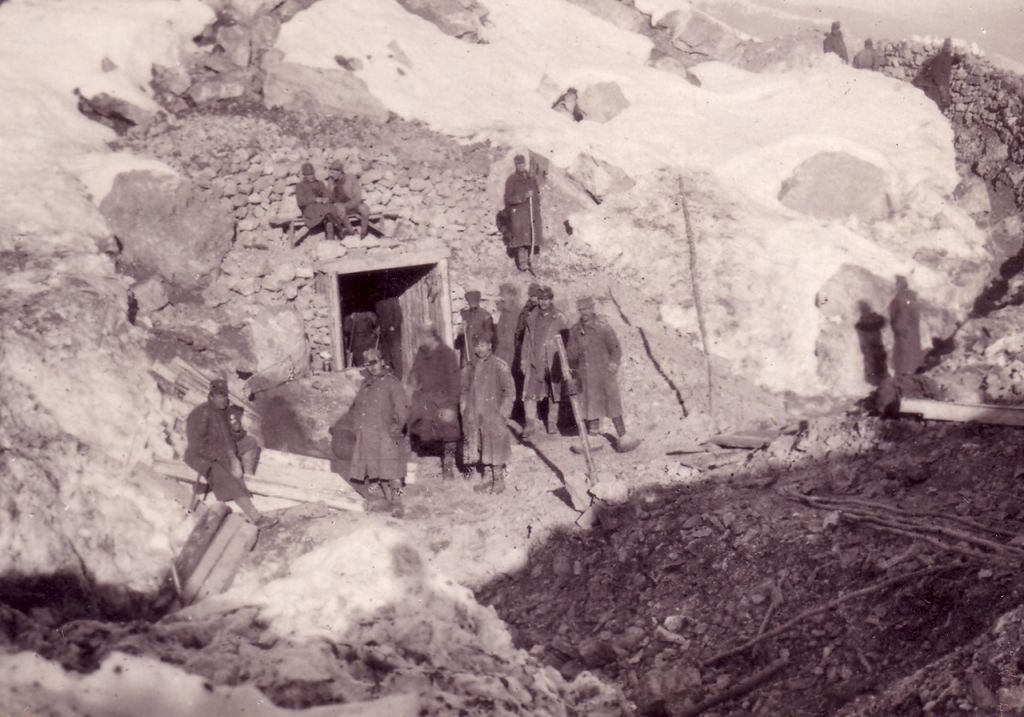
And before the war, that German guy used to climb this hillside with you
Germany’s actual plans to invade Austria in 1936 ran up against the very issue of the terrain, complicated by the construction of an extensive defensive line that risked turning the war into a positional conflict and preventing Germany from exploiting its main advantage—mechanized units, a novelty in military affairs at the time. The only quick route to conquering Austria was to capture Vienna via a tank thrust across the flat terrain of Slovakia and Hungary, followed by an advance into Italy.
After Ribbentrop returned from his second trip to Great Britain, the OKW began planning Operation “Attila” , which, in addition to annexing Austria, would resolve the Sudetenland issue by seizing Czechoslovakia through an invasion of Slovakia itself and opening a route to Prague by bypassing the Sudeten fortifications, thereby giving Germany control over Hungarian oil.
But the war against Italy was a more challenging undertaking; aside from its sheer scale, the issues of logistics and terrain arose once again. In northern Italy, the Germans would once again face the Alps, so the presence of Great Britain among Italy’s enemies, to carry out diversionary operations in Italy’s rear and in Africa, was becoming a prerequisite for a large-scale southern campaign.
In addition to the need for an alliance with Britain, there was also a need for a staging ground for an attack on Slovakia—a staging ground that only Poland could provide, even though Germany’s new geopolitical doctrine assigned Poland the role of an ally.
While the relatively friendly relations of the past with Poland were being transformed, and mutual claims against Czechoslovakia and Lithuania, anti-communism, and anti-Semitism into a full-fledged alliance—which also required a peaceful resolution of the Danzig question—then Great Britain, with the accession of King Edward VIII to the throne, could soon fall into Germany’s embrace.
Upon ascending the throne, the new king faced conflicts between his personal life and the stance of the establishment, which opposed his marriage to Wallis Simpson. Not only did many respected British politicians speak out in favor of his wedding, but the German side also expressed its full diplomatic support for Edward.
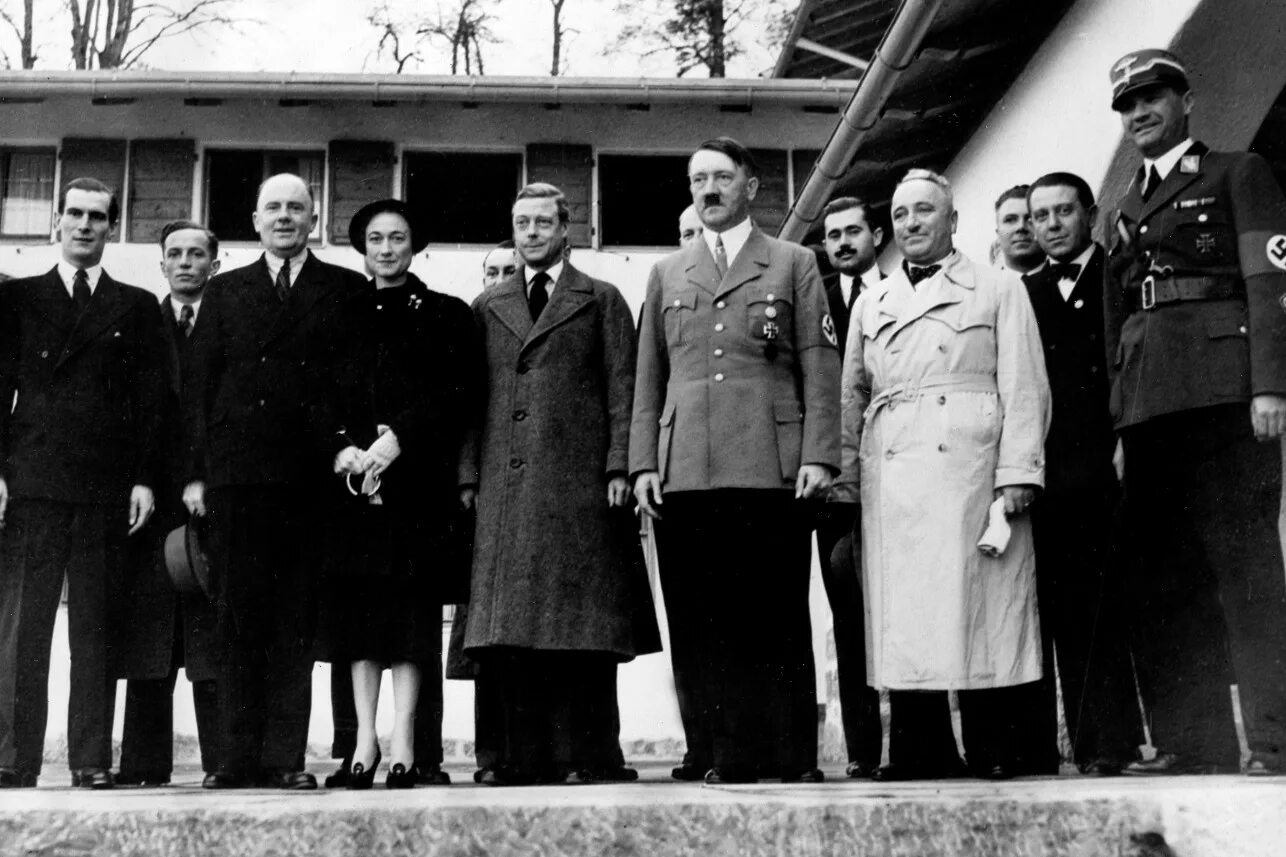
In the summer of 1936, a compromise was reached whereby Wallis Simpson—who had previously had her previous marriage annulled—married the king, without becoming queen and instead assuming the specially created title of Duchess of Windsor.
Shortly thereafter, Hitler himself visited Great Britain and was granted an audience with the king, at which point the Anglo-German alliance ceased to be mere speculation and became a reality.
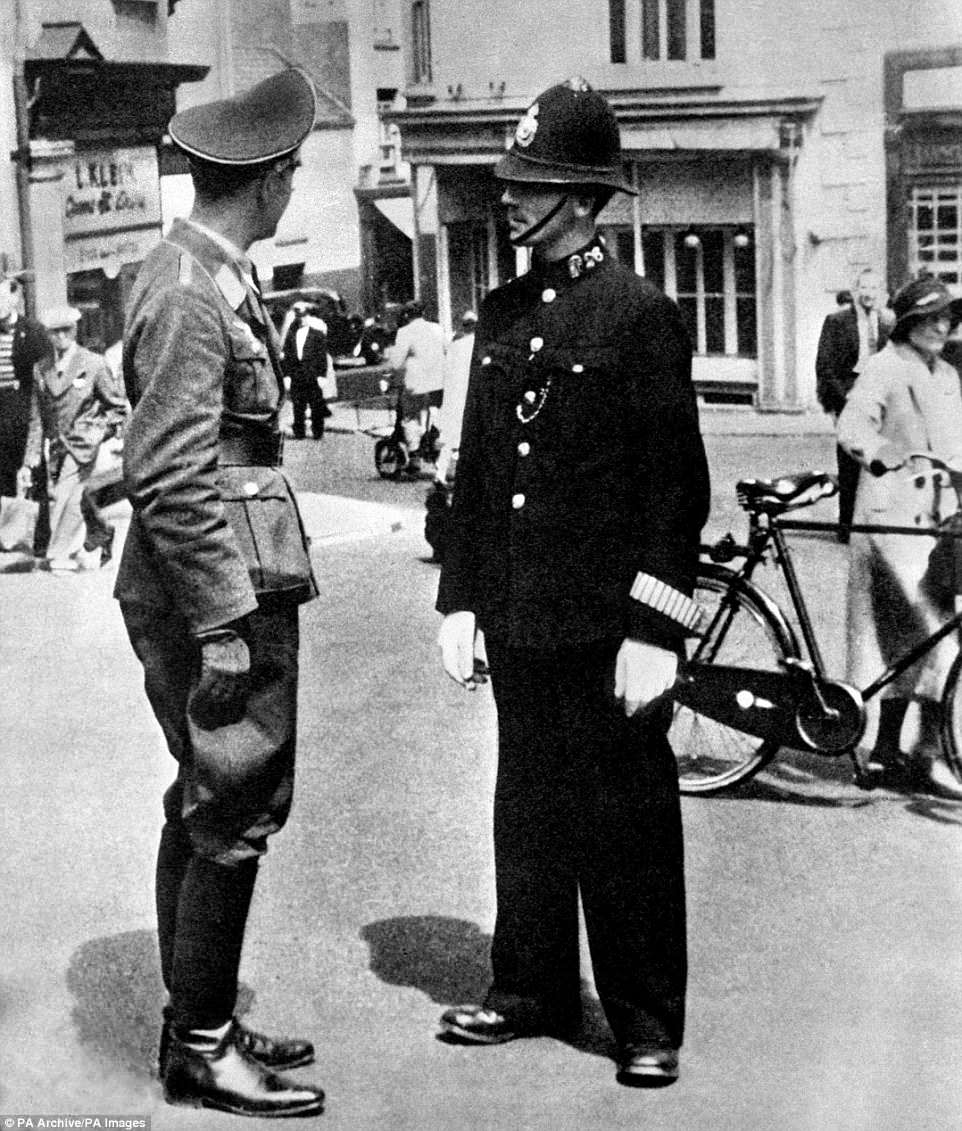
The cloudless skies of Spain and the crown of the Austrian Empire
The outbreak of the Spanish Civil War gave Germany an opportunity to put its military machine to the test. Due to logistical problems in Ethiopia, Italy refrained from aiding Franco, but Austria and Hungary were given the chance to put their resurgent armies to the test.
The formation of an Anglo-German alliance—that is, a union between the guarantor of the peace treaties following World War I and the party responsible for the war—was seen as a step toward the denunciation of the Treaties of Saint-Germain and Trianon. Despite all the criticism of “Austrian revanchism,” the Third Reich officially congratulated Hungary on rejecting the “consequences of the Habsburg monarchy’s collapse”—not out of any affection for it; in the context of its grand southern expansion, Hungary was viewed as an adversary, but rather to provoke a confrontation with the “Little Entente,” primarily with Czechoslovakia, whose territory the Reich needed both in its own right and as a route to Budapest and Vienna.
Relations between the Roman Pact (Italy-Austria-Hungary) and the Steel Pact (Great Britain–Germany) was the Italian interception in the Mediterranean of a German ship carrying weapons destined for Ethiopia; and it was likely only Germany’s involvement in the Spanish Civil War that once again postponed a direct confrontation.
In his speech to the troops lined up in Vienna, Dolfus cited—in addition to the Mediterranean incident—the-Germain Treaty, he cited the testimony of arrested Austrian SS members and fugitive stormtroopers regarding an impending German invasion. These words were directed more toward a global audience.
Instead, Goebbels devoted his speech to criticizing Austria, in which he not only accused it of violating the treaty, but also of unleashing World War I and inciting Germany’s enemies against it, while not forgetting to mention the Serbs as victims of Habsburg stagnation, thereby laying the groundwork for an alliance with Yugoslavia against Italy.
By early 1937, the Italian Navy had transported a full-strength Austrian mountain infantry brigade to Galicia, named after King and Emperor Charles V and led by World War I veteran Karl Eglesser. In their Spanish mission, the Austrians relied on the Carlists, who were less inclined to align with Germany and even had a Habsburg among the pretenders to the Spanish throne.
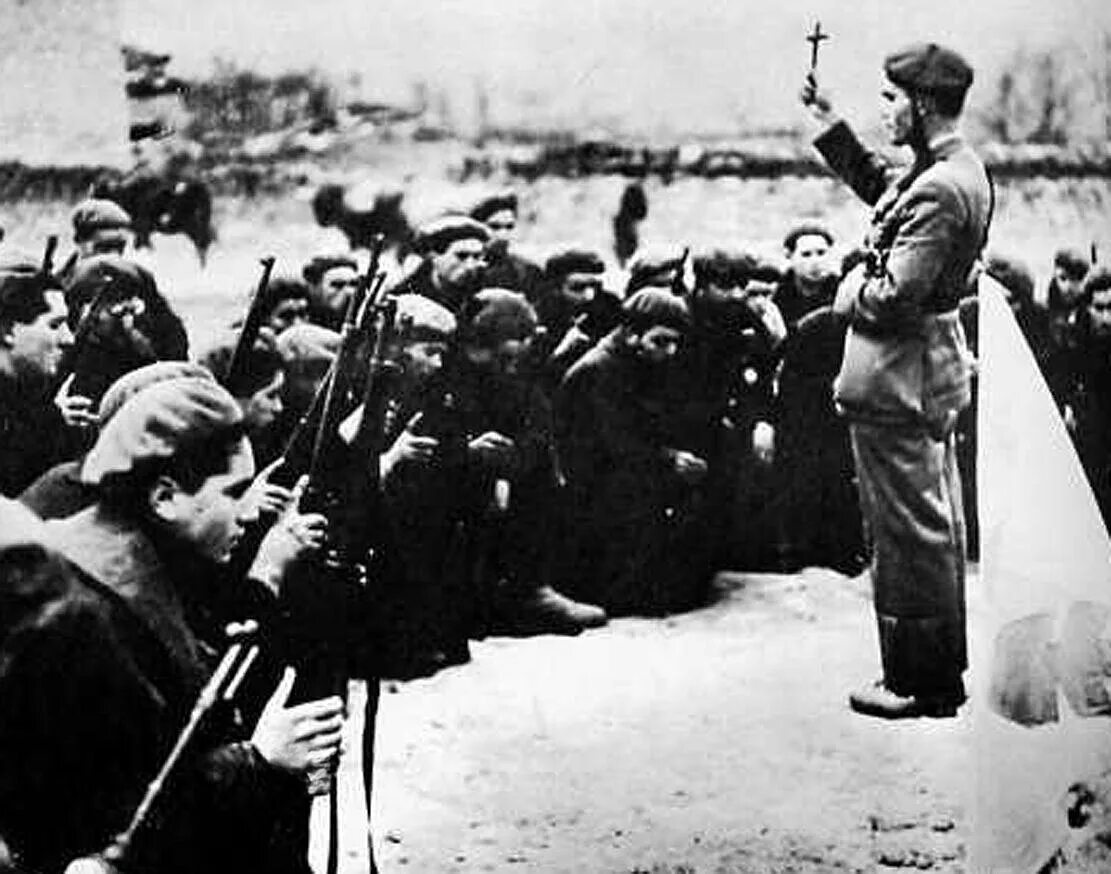
Another figure of interest to the Austrians was Otto von Habsburg, the heir to their own throne, who had moved to Belgium at the outbreak of the Spanish Civil War.
The Dolfus government made no secret of its favorable attitude toward the monarchy, and with the establishment of a combat-ready army and the acquisition of allies, the question of its restoration once again became a pressing issue. Along with the Austrians, the Abwehr was also hunting for the crown prince, but the conclusion of an alliance with Great Britain forced him to abandon an assassination attempt against the monarch—an attempt that could have disrupted the alliance—especially since the monarch was now under the patronage of the Belgian royal family.
Otto responded to all initiatives from Vienna by expressing his willingness to serve his homeland.
Austrian volunteers distinguished themselves in battles in the mountainous terrain of northern Spain and during the assault on Bilbao. The Austrian Air Force, rebuilt under the leadership of Italian Marshal Balbo and represented by a squadron of 24 fighters, also proved itself in the skies over Spain.
The civil war ended just as it did in our reality and in Spain; before thinking about stepping onto the world stage, the country had to heal its wounds.
The Ethiopian Endgame and Final Preparations
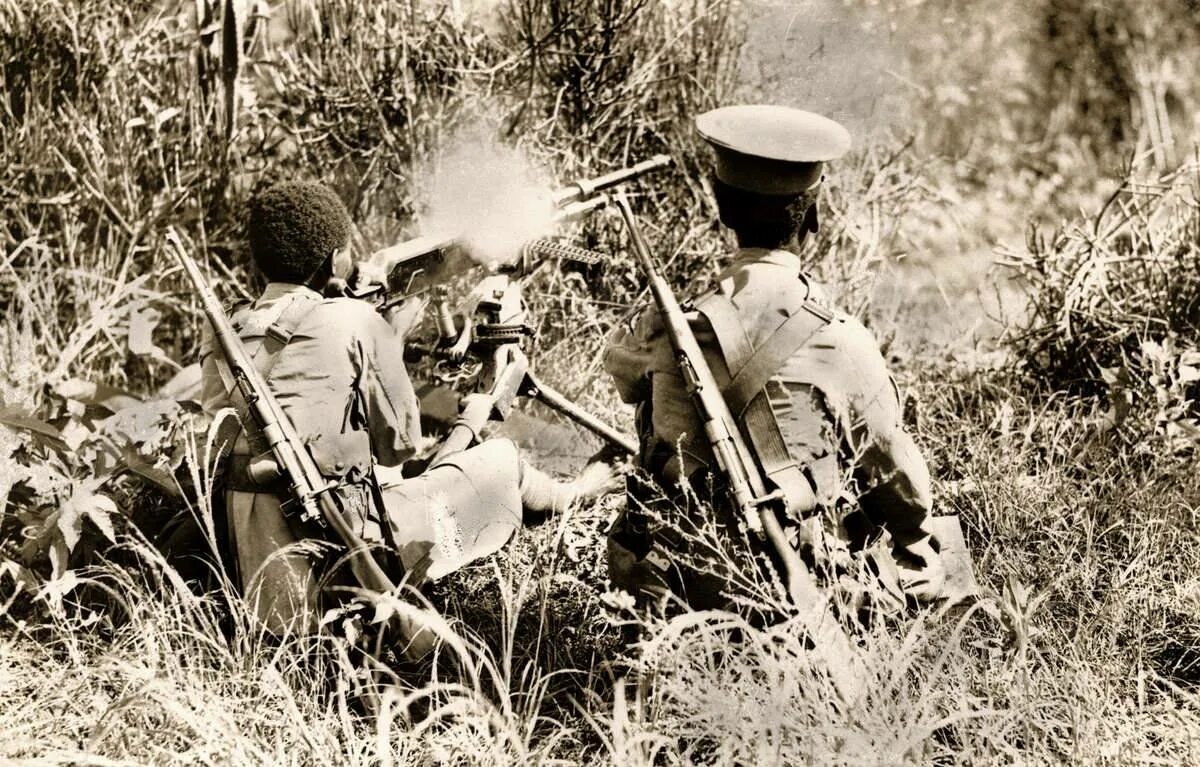
By the start of 1937, the smoldering conflict in Ethiopia was drawing to a close. The Italians had managed to cut Ethiopia off from British Somaliland, through whose ports German weapons were being funneled into Abyssinia, and to secure supplies for their army by purchasing everything they needed from Portugal and shipping supplies to Somalia from Mozambique.
On April 17, 1937, Haile Selassie, without signing a surrender agreement with the remnants of his guard, retreated to Sudan, after which he was granted official asylum by King Farouk of Egypt.
Now, in the propaganda surrounding the conquest of Abyssinia—particularly British propaganda—the argument that the country, ruled by a descendant of the biblical king himself, had been unlawfully annexed has emerged as a key talking point.
As part of its participation in Operation Attila—for which the United Kingdom was promised Italian colonies in Africa— surprise strikes were planned against Italian East Africa with the participation of Ethiopians and Libya, following the preliminary defeat of the Italian fleet in the Mediterranean Sea through a surprise strike by the navy and air force, a blockade of Libya, Sicily, and Sardinia—followed by their sequential capture—and the bombing of military, naval, industrial, and political infrastructure in Rome and Naples.
Fifty thousand soldiers from Great Britain, India, and the Dominions, led by Field Marshal Wavell, were deployed to East Africa, while in Egypt, 150,000 troops under the command of the newly promoted Field Marshal Deverell were stationed alongside the invasion force intended for operations in Italy.
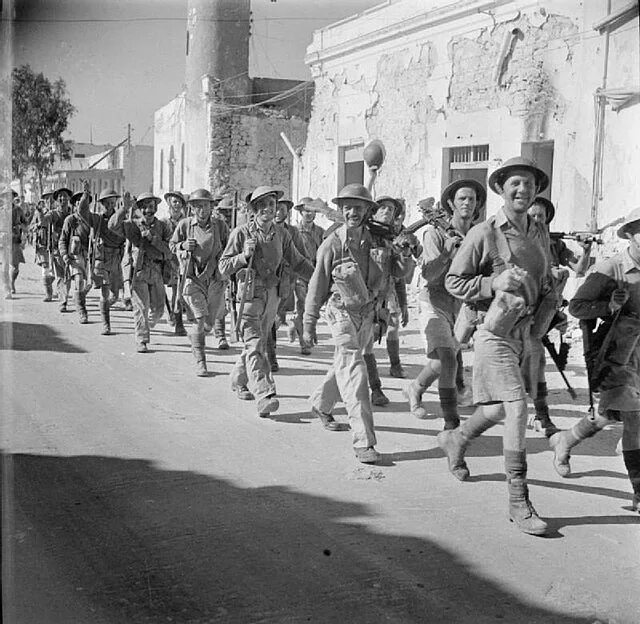
The main task of the first phase of the war fell to the Mediterranean Fleet, based in Malta, Cyprus, and Alexandria, which, together with a powerful air force consisting of a thousand aircraft of various classes,
By 1938, the Wehrmacht and the Luftwaffe were fully prepared to carry out the operation; now it was Ribbentrop’s turn once again to work toward securing a position for France, Poland, Yugoslavia, and the USSR.