Of course, the newest light tank will be the Chinese ZTZ-201, which will be unveiled on September 3, 2025, at a parade in Beijing. We’ve already covered it, and we’ll naturally provide more details once more information becomes available. In this same overview, we’ll discuss the competitors to the Chinese vehicle that have been developed in other countries.
Contents:
What Are Modern Light Tanks Like, and Why Are They Needed?
Light tanks, which were once widely used by the armed forces, have now almost fallen out of use. They are still being developed, but their usefulness is a matter of debate.
There is no clear definition of a “light tank,” but it is generally assumed to weigh around 20 metric tons. Light tanks fell out of use after the advent of the MBT (main battle tank), which became a versatile vehicle. The move away from light tanks is also linked to modern weaponry.
Guided missiles and drones pose a serious threat to armored vehicles, which is why thicker armor and heavier construction have become necessary. Instead of light tanks, lightly armored vehicles with comparable protection and armament are now used. Nevertheless, some countries continue to develop light tanks for various reasons.
The Israeli version
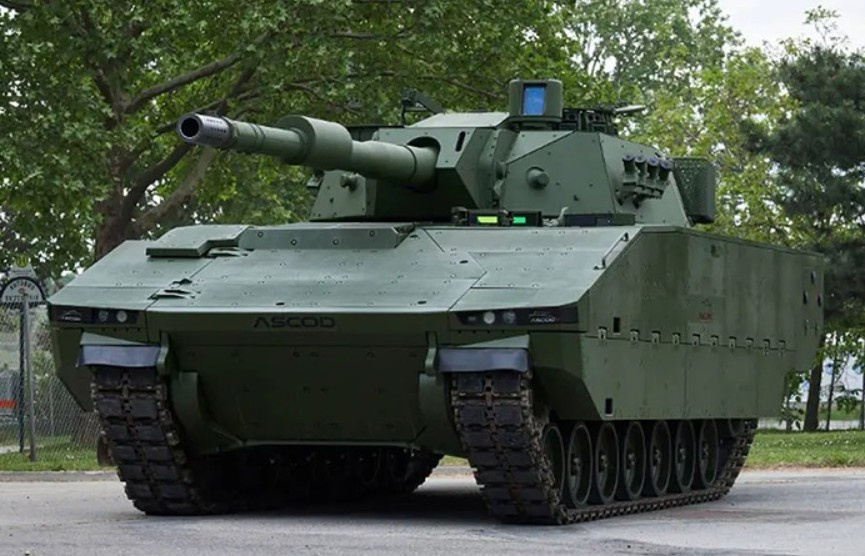
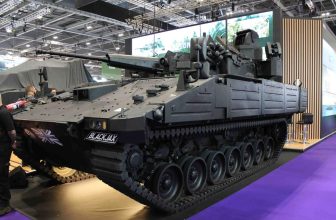
Currently, the weight of light tanks ranges from 30 to 35 metric tons, allowing them to combine mobility and combat effectiveness. A prime example of such a tank is the Israeli-developed ASCOD 2 Sabrah, unveiled in 2020. This modular system features a unique architecture that allows for the use of both tracked and wheeled platforms, ensuring high adaptability to various operating conditions.
The Sabrah’s protective features include multi-layered armor capable of withstanding 14.5-mm armor-piercing rounds at ranges of up to 200 meters and fragments from 155-mm artillery shells at distances of up to 30 meters. The tank’s chassis is equipped with a mine-protection system, and the tracked version offers a higher level of protection than the wheeled variant.
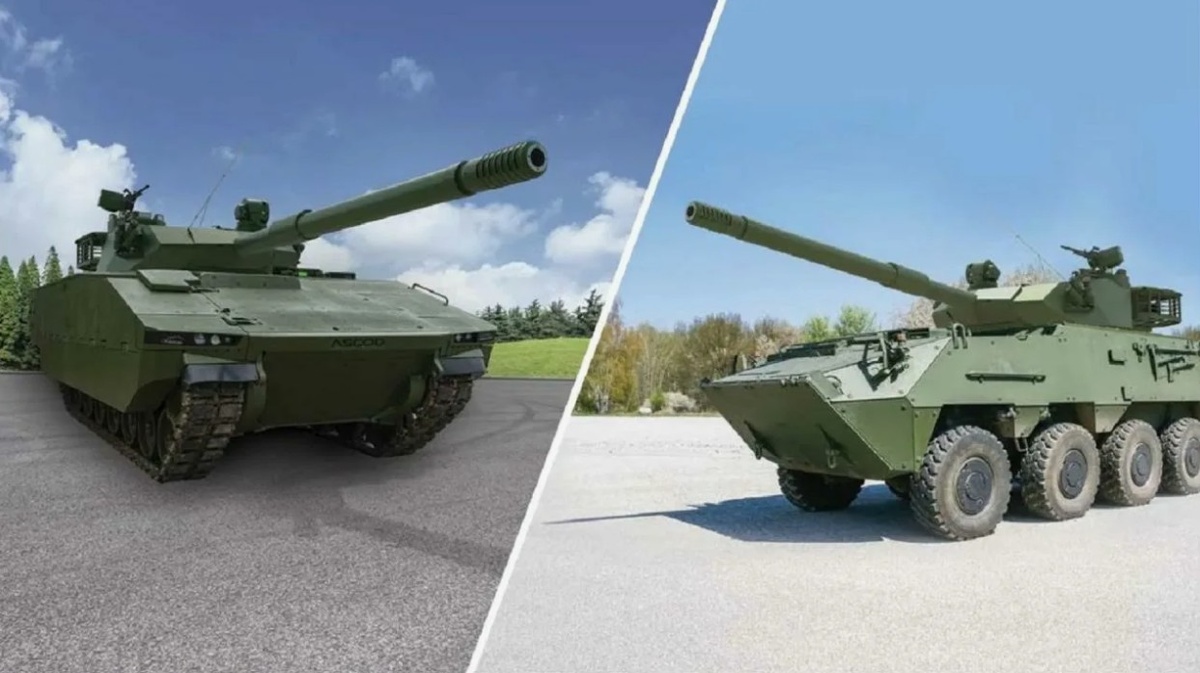
The Sabrah is equipped with a modern weapons system that includes a 105-mm rifled gun combined with a machine gun that is fully compatible with 7.62-mm NATO ammunition. The integrated fire control system significantly improves the accuracy and effectiveness of weapon use, providing a tactical advantage on the battlefield.
This development has already been deployed outside of Israel; specifically, it has been adopted by the Philippine Armed Forces, which attests to its high level of technological sophistication and its compliance with modern requirements for combat vehicles.
A Polish-Style Light Tank
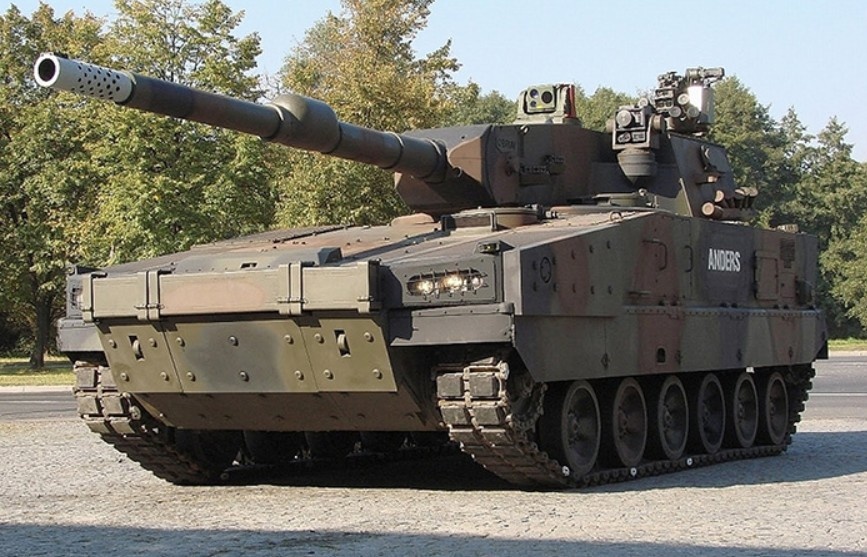
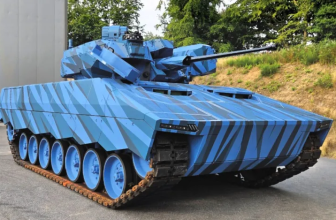
In 2008, the Polish defense company OBRUM unveiled an innovative light tank designated the LC-08 Anders, which was specifically designed for urban operations and peacekeeping missions. This design was characterized by a high degree of mobility and compact dimensions, making it ideal for carrying out specific missions in confined spaces.
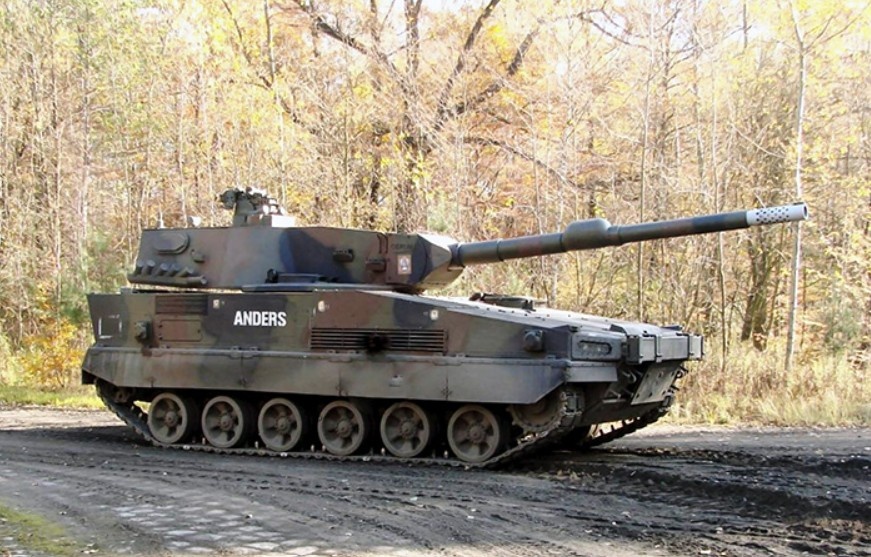
Originally, the tank weighed 33 metric tons and was equipped with a 120-mm smoothbore gun fitted with an automatic loading system, which significantly increased its firepower and combat effectiveness. Subsequently, the turret was modernized, and the caliber of the main armament was reduced to 105 mm, which improved maneuverability and reduced operating costs.
A Swedish Masterpiece
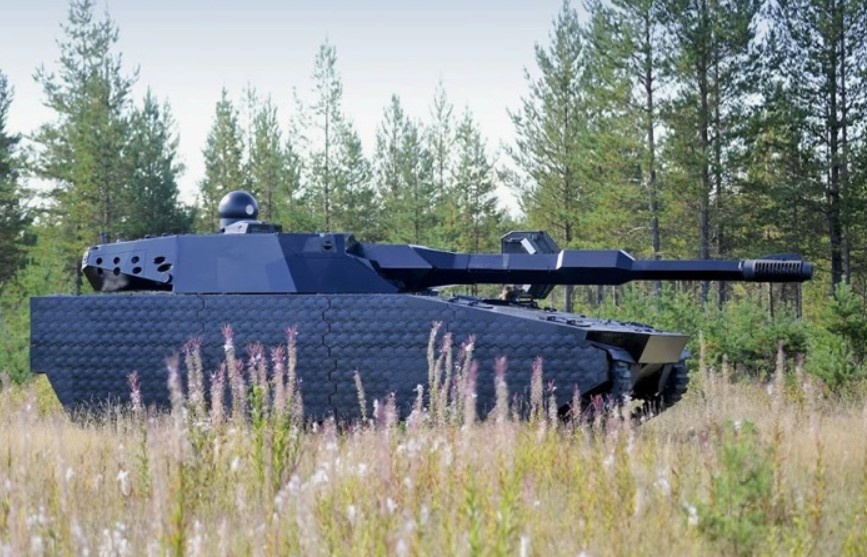
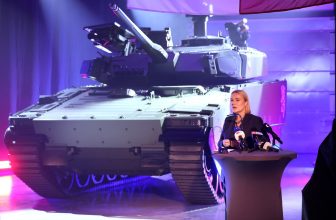
Light tanks, despite their relatively limited firepower and armor protection, demonstrate high effectiveness in specific operating conditions. One example is the Swedish CV90120 light tank, designed for use in snow-covered and hard-to-reach areas. This tank is equipped with a 120-mm gun, which resulted from the modernization of the original 105-mm cannon. At the same time, its weight remains within 26 metric tons thanks to the use of a relatively small but surprisingly powerful 640-horsepower Scania engine.
The CV90120’s design features include a flat hull optimized for operation in local terrain conditions, as well as an integrated camouflage system that allows the tank to blend into its surroundings—both visually and in the infrared spectrum—for two minutes. This camouflage system significantly reduces the likelihood of the tank being detected and targeted by thermal imaging systems, making it an effective tool in conditions of limited visibility and challenging terrain.
Source — https://dzen.ru/a/aKi87Eux6ALTccpl