From training aircraft to fighter drones. The Russian version of the Yak-52 conversion. The Yak-52B2 fighter

According to media reports, at least, Ukraine was the first to use the legendary Soviet Yak-52 training aircraft as a drone interceptor. That said, the aircraft wasn’t subjected to any particularly harsh treatment there. A gunner armed with a Kalashnikov assault rifle would take the co-pilot’s seat and attempt to shoot down the slow-flying Geran-2 UAVs. Clearly, the effectiveness of this approach was questionable, to say the least, but they did manage to shoot some down.
As for Russia, they took note of Ukraine’s experience and decided to put it to use—albeit in a much more sophisticated way. They decided to convert the Yak-52 into a specialized fighter jet. We’ll take a closer look at what that entails below.
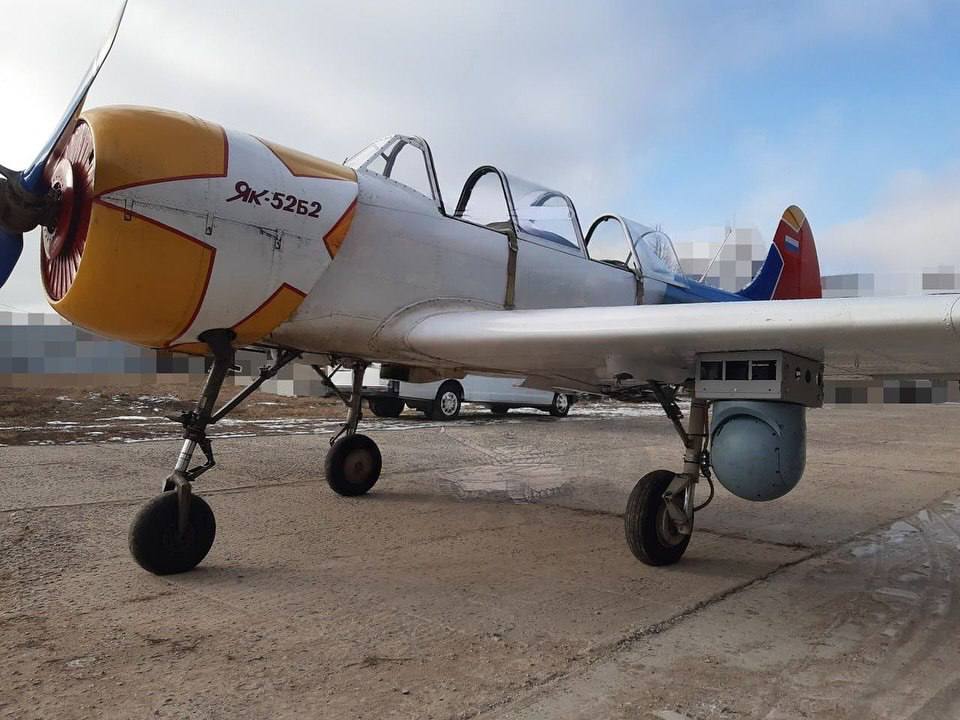
A modernized Yak-52B2 with external ordnance during testing
Right before our eyes, an amazing example of technical ingenuity is unfolding—Russia’s first light-engine unmanned combat aerial vehicle, the Yak-52B2, has been developed based on the Soviet Yak-52 training aircraft. This shows how modernizing old equipment can open up new horizons even for machines that seem obsolete at first glance.
Contents:
A Veteran’s Triumphant Return
The drone interceptor turned out to be lightweight, highly maneuverable, and inexpensive to operate—exactly what is needed to counter small and attack UAVs, which are now increasingly prevalent in armed conflicts, including in the Special Military Operation zone. It is based on the Yak-52—a piston-engine two-seater aircraft well known to the military and flying clubs—which was produced in the hundreds during the 1980s for training cadets. Even back then, attempts were made to convert it into a light attack aircraft (the Yak-52B variant), which was even deployed in Afghanistan.
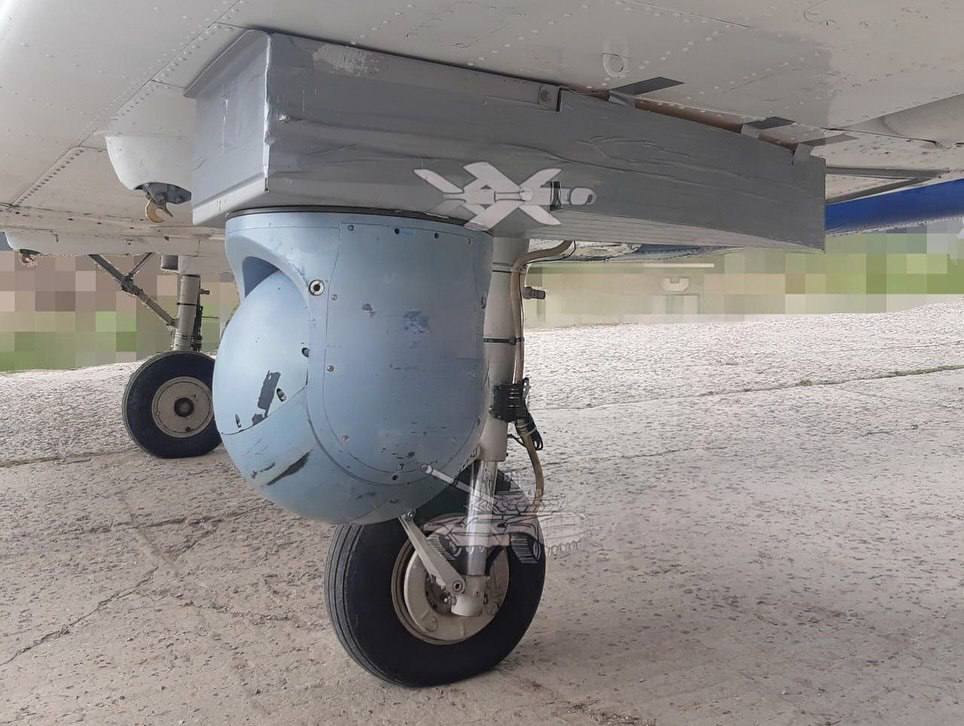
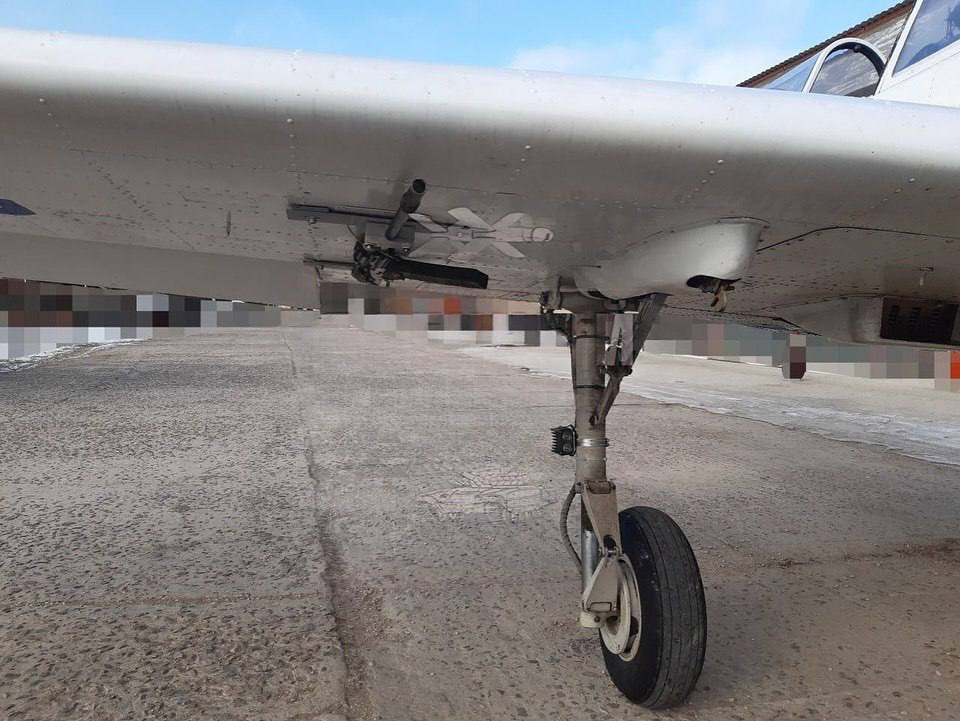
The new version—the Yak-52B2—has retained the best features of its predecessor and incorporates a whole range of modern solutions. Each wing can now carry a payload of up to 90 kilograms—consisting of an omnidirectional radar system (operating in air-to-air, air-to-ground, and weather radar modes) and a weapon system: for now, this is a semi-automatic 12-gauge carbine, but more “advanced” weapon systems will certainly appear in the future.
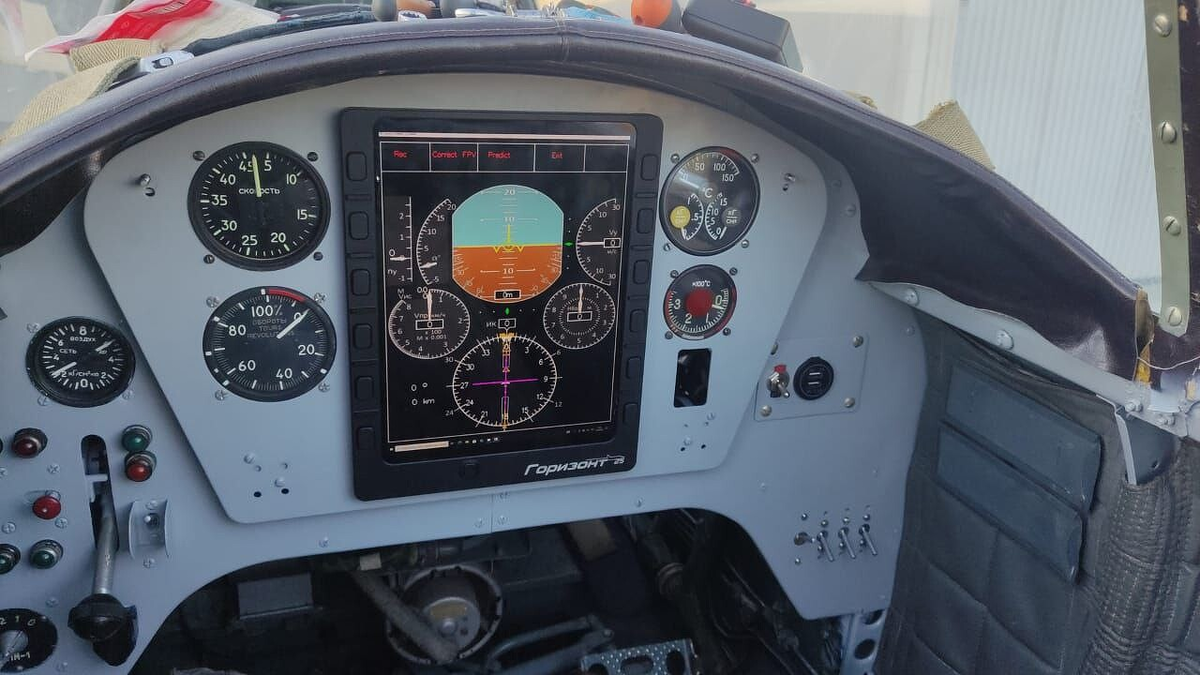
The “internals” have also been significantly redesigned: a new onboard computer has been installed to generate targeting data, along with a state-of-the-art flight and navigation system that allows the aircraft to fly during the day, at night, and in challenging weather conditions.
The main highlight of the Yak-52B2 is the “Horizon-25” system, developed at the Moscow Aviation Institute. It enables light aircraft to fly even without visual contact with the ground—which means that enemy drones can be intercepted in any weather and at any time of day. The system collects data from external cameras, radar, and other sensors, creating a picture of the space around the aircraft and guiding the pilot on the best way to attack the target.
Why is this important for the industry?
Does this news sound like science fiction? Not at all!
Are there a lot of skeptics and critics? You bet!
Of course, the idea needs to be refined. Experts have a lot of questions—ranging from the fact that there aren’t that many “Yaks” in service to whether a plane crash (if it were to happen) would cause more damage than the drone it shoots down.
However, what interests us in this case is the approach to modernization. After all, installing modern control systems—even on older equipment—allows us to “see” more, monitor processes more accurately, and perform tasks for which the equipment was not originally designed.
Modernization can give equipment a new lease on life. And this is important not only for aviation. Every workshop and every factory is full of equipment that can be “repurposed” or “upgraded” to meet new technological requirements—and it will continue to be useful for a long time to come.
SLT fully understands these principles: it participates in the construction of new production facilities and the modernization of existing ones, and supplies equipment to foundries, metallurgical plants, and metalworking enterprises. SLT’s specialists handle design work, including all necessary approvals and the fine-tuning of production processes. After all, when equipment is upgraded properly, it continues to serve for many years.

Sources:
https://dzen.ru/a/aHUT4knxyE2iy8uU