A Second Life for a Myasishchev Passenger Aircraft: The NAL Saras Multipurpose Civil Aircraft. India

In the 1990s, the Russian aviation industry was going through one of the most difficult periods in its history. Aviation design bureaus were on the brink of bankruptcy, and a huge number of aircraft projects never made it off the drawing board due to a lack of funding; Some of these projects are compiled in a collection—Unrealized Russian Aircraft Projects of the 1990s—on our website. The only way out of this situation was to seek foreign investors. However, the West had decided to cripple our aviation industry, and no investors could be found. But that was in the West; in the East, no one made such a decision, and an investor was found for one of the Myasishchev Design Bureau’s projects—in India. We’ll discuss this project below.
The
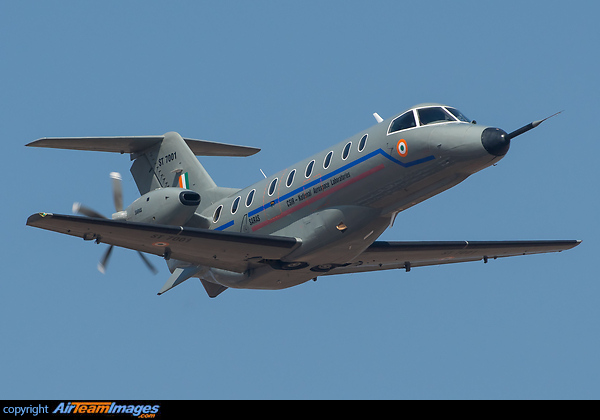
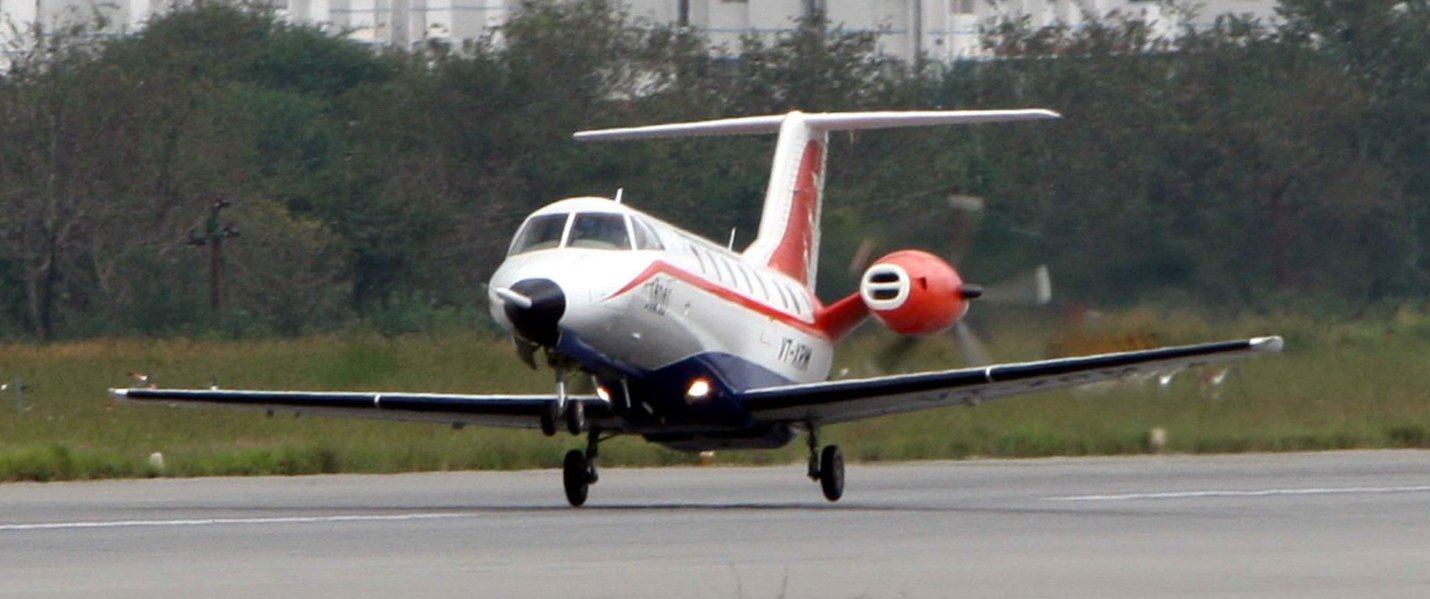
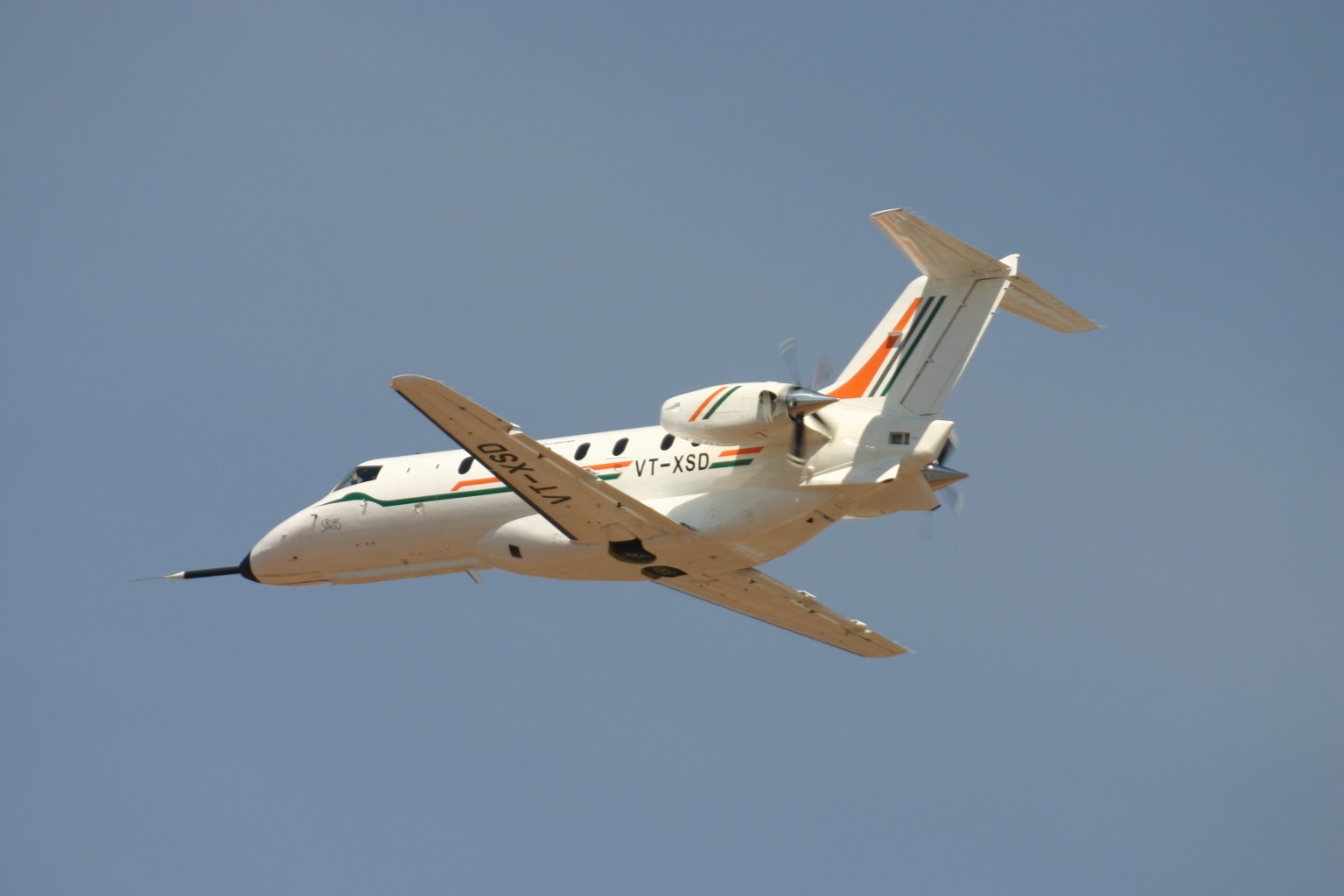
Takeoff of the NAL Saras Prototype
Contents:
Project History
The project began in 1991 as a joint venture with Russia—more specifically, with the Myasishchev Design Bureau, which developed the M-102 “Duet” aircraft design in the early 1990s. However, financial problems soon forced the Russians to withdraw from the project at an early stage; the Indians purchased the blueprints, but without Russia’s involvement, progress slowed considerably.
The project was nearly halted due to U.S. sanctions imposed in 1998 following India’s nuclear tests. But on September 24, 1999, it was resumed.
The aircraft’s maiden flight was originally scheduled for March 2001, but as is often the case, the schedule was pushed back, and the first “Saras” (PT1) did not take flight until May 29, 2004.
The aircraft’s initial specified parameters were as follows:
- maximum takeoff weight of 6,100 kg
- maximum payload of 1,232 kg,
- a cruising speed of over 600 km/h,
- flight duration: 6 hours,
- maximum flight altitude of 12 km (cruising altitude of 10.5 km),
- The runway is about 600 m long,
- maximum hoisting speed of 12 m/s,
- low cabin noise level of 78 dB,
- a range of 600 km with 19 passengers, 1,200 km with 14 passengers, and 2,000 km with eight passengers; a higher specific range of 2.5 km/kg
- low operating cost of 5 rupees per kilometer.
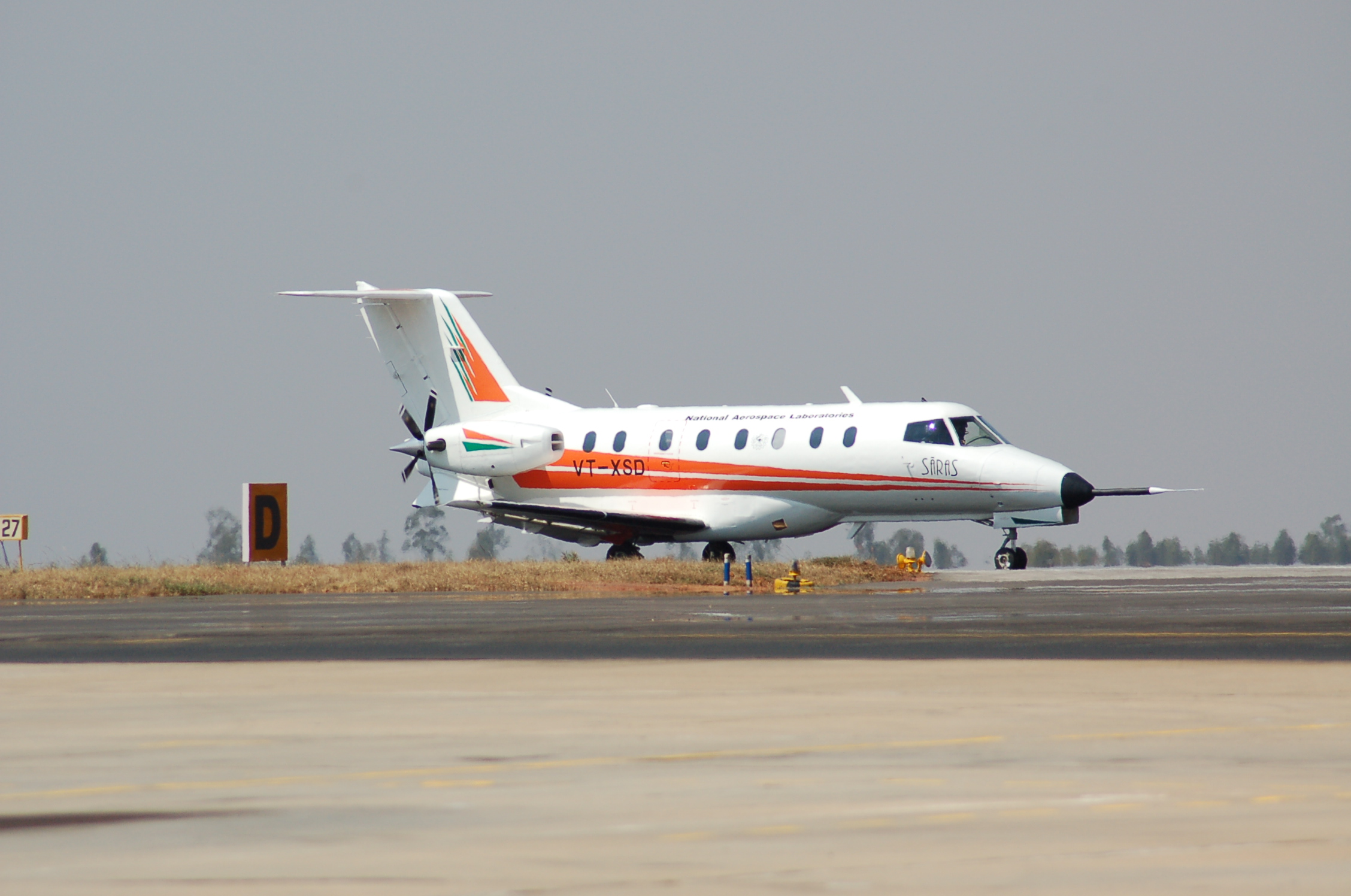
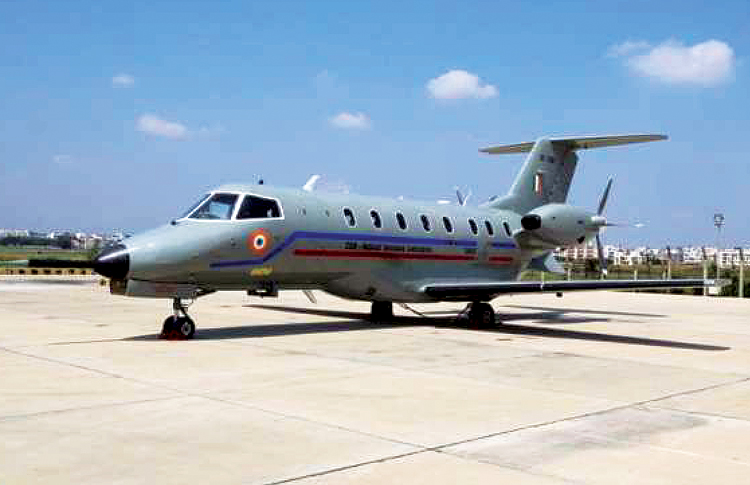
NAL Saras at Yelahanka Air Base during the Aero India 2007 air show
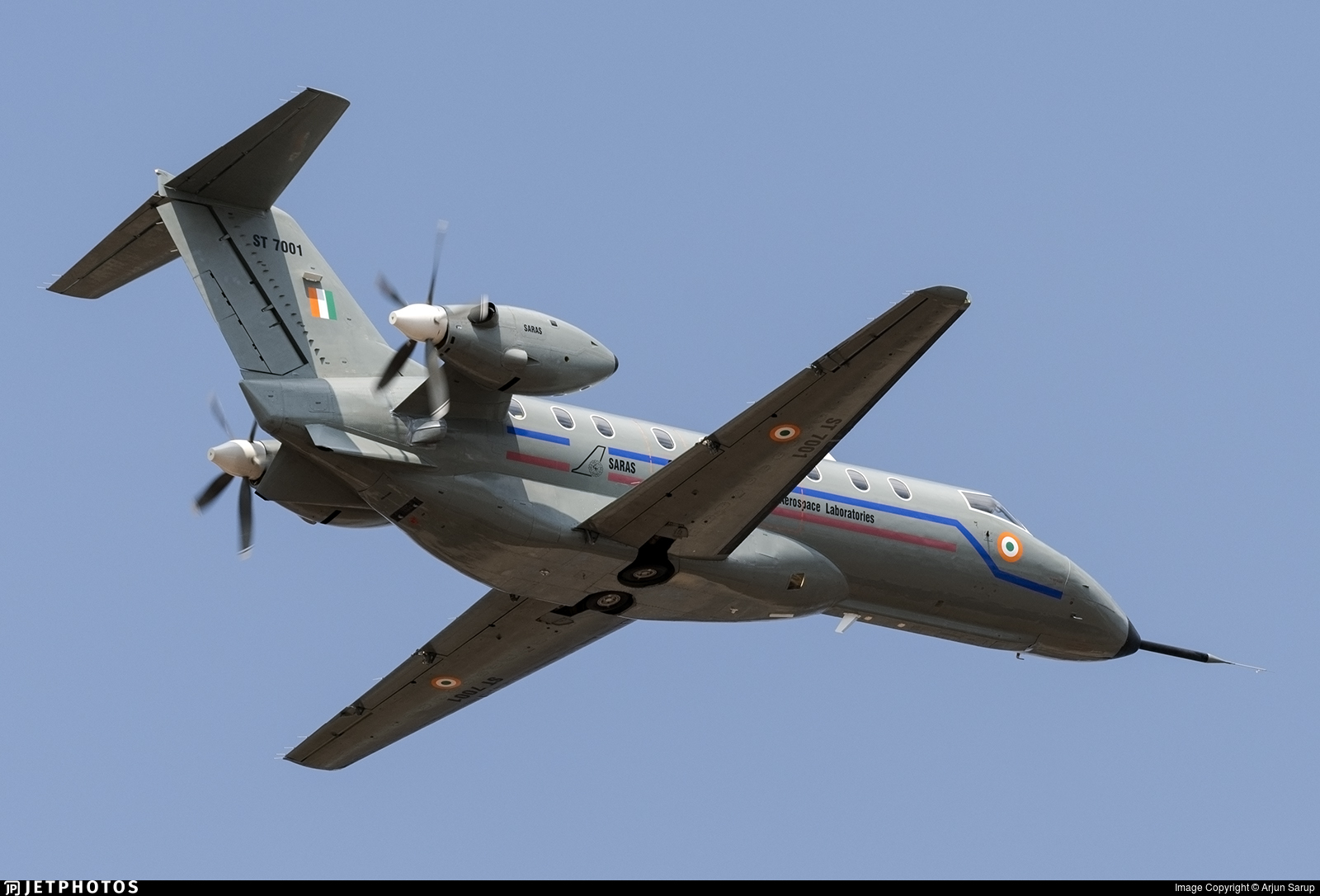
Although the design empty weight of the aircraft is approximately 4,125 kg, the first prototype weighed about 5,118 kg. They are attempting to address this issue by adding composite wings and tail surfaces to the third prototype. The Saras-PT2 airframe was constructed from lighter composite materials, which reduced its total weight by approximately 400 kg compared to the first prototype, which was about 900 kg heavier. The aircraft was equipped with two Canadian Pratt & Whitney turboprop engines, mounted in a pusher configuration at the rear of the fuselage.
The first prototype was upgraded to meet the latest design requirements, including Pratt & Whitney Canada PT6A-67A engines rated at 1,200 l.s. (895 kW) and improvements to the flight control and flight support systems. The upgraded PT1 was scheduled to make its first flight by the end of 2011, with certification and the first deliveries scheduled for 2013 and 2014, respectively.
However, the plans never got off the ground. As of January 20, 2016, the National Aerospace Laboratories (NAL) had halted all work on the Saras project, as funding for the project had ceased in 2013. The engineers who had been working on the Saras project at NAL were reassigned to other ongoing, similar projects of higher strategic importance.
However, as early as October 2016, the Indian government began considering reviving the project, prompted by requests from the Indian Air Force. Funding was restored, and the first upgraded prototype was delivered to the Israeli Air Force’s Aircraft and Systems Test Center (ASTE) in 2017. There, several ground tests of the prototype were conducted at low speeds.
It was reported that Jitendra J. Jadhav, director of the National Aerospace Laboratory (NAL), expects to get “Sara” airborne by June or July 2017. However, the schedule was pushed back again, and the aircraft took to the skies for the first time on January 24, 2018, at the HAL airfield. The flight lasted 40 minutes, during which the aircraft reached an altitude of 8,500 feet (2,600 m) and a speed of 269 km/h. Following this, the first prototype completed about 20 test flights, after which the project was put on hold again.
At a press conference during Aero India 2019, it was announced that ₹6,000 crore had been allocated for the aircraft’s production, as NAL had received certification for its upgraded version of the aircraft. The aircraft’s weight was no longer an issue, as engineers had managed to reduce it by 0.9 metric tons. The new version was also equipped with improved avionics.
The second test flight lasted 25 minutes and took place on February 21, 2018. The prototype was equipped with a pair of engines rated at 1,200 horsepower at the shaft and a new propeller with a diameter of 104 inches to meet the climb gradient requirements for the second section.
Information from CSIR also emerged regarding the development of an Indian turboprop engine for the Saras. The Hindustan Aeronautics Limited (HAL) plant in Kanpur was selected as the production site for the series-production aircraft.
At the same time, the CSIR National Aerospace Laboratory and NAL began developing a 19-seat version of the airliner—the Saras Mk2.
On March 27, 2022, at the Wings India 2022 airshow in Hyderabad, NAL unveiled a 16-seat version of the Saras Mk2 medical evacuation aircraft.
As of April 2024, NAL plans to conduct the first flight of the Mark-2 by the end of 2027, which represents a delay compared to the original target period of 2026–2027. It is reported that NAL has already procured most of the materials, and production will begin as soon as the working drawings are finalized. Initially, the plan is to build two prototypes, whose first flight will follow a year of taxiing tests or ground tests at various speeds. The Saras PT1N prototype will serve as a technology demonstrator for the brake control and environmental control systems that NAL will develop.
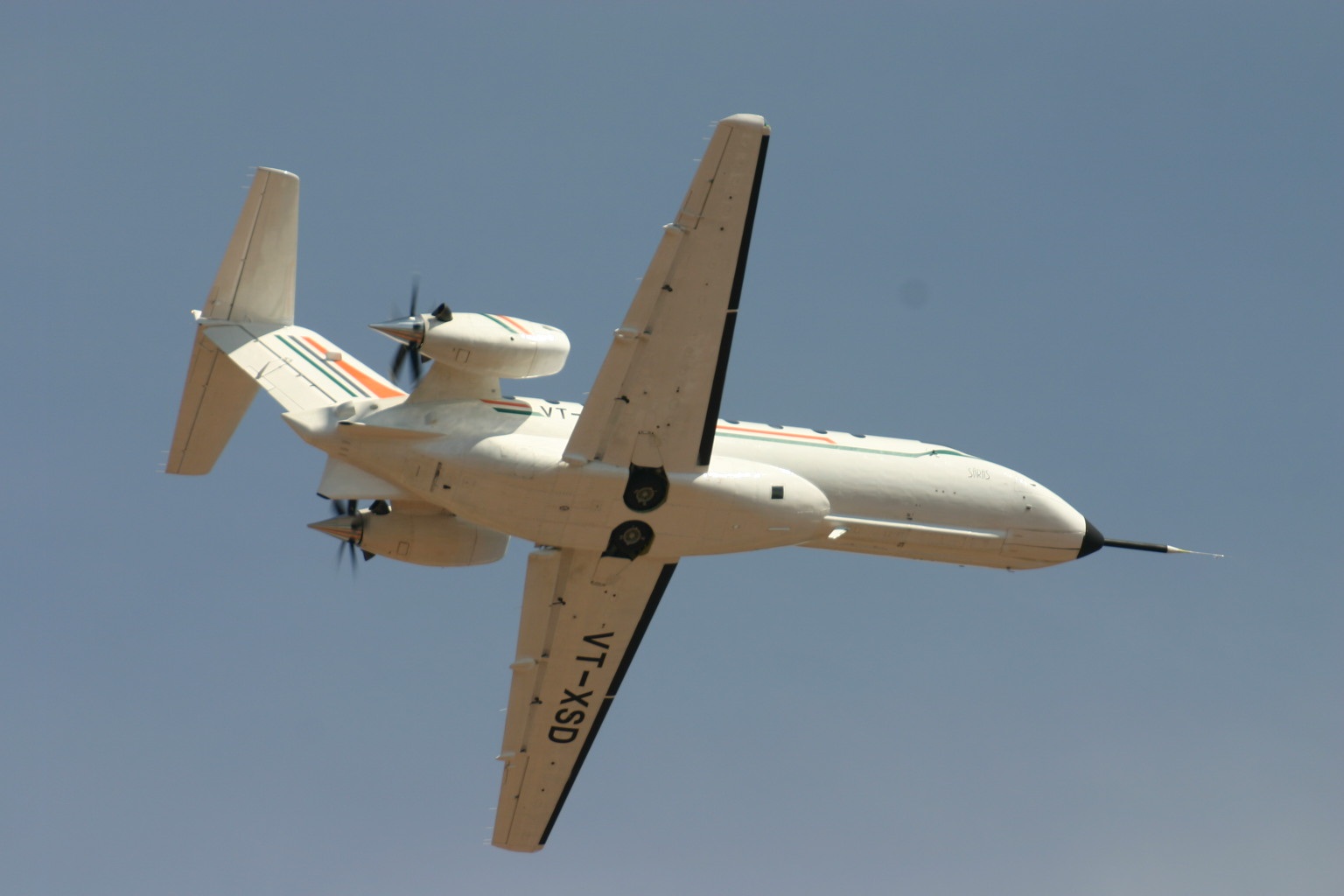
NAL Saras in the air:
Orders
The Indian Air Force has signed a contract with the National Aerospace Laboratories in Bangalore to purchase 15 Saras aircraft and may need another 45.
“NAL has signed a memorandum of cooperation with the Indian Air Force regarding the sale of 15 Saras aircraft. These aircraft will be manufactured by a division of Hindustan Aeronautics Ltd. in Kanpur.”
The aircraft will be used for patrols, coastal surveillance, and to train cadets in flying transport aircraft.
In early 2019, 6,000 crore rupees were allocated for aircraft production. The Indian Air Force’s initial order for 15 aircraft could be increased to 120–140 in the coming years.
Summary
Key takeaways from the above. Even if it’s a struggle, the project is moving forward—even in a country as far removed from aviation as India—and, by all accounts, it will ultimately be completed. Here, we must thank the Air Force, which is now fully convinced that a sovereign country needs its own production of weapons and everything related to them. In Russia, they won’t let anyone lie.
Well, the second main conclusion is that the aircraft projects of the 1980s and 1990s are still relevant in the 21st century, and we can revive everything that was shelved during that time. After being modernized to meet current standards, all aircraft—especially passenger planes—will meet the most up-to-date requirements.
NAL Saras for the Indian Air Force: