Over the past thirty years, the American Patriot has remained virtually the only option for countries in need of a modern air and missile defense system. However, the rapid growth in demand for air defense systems, a shortage of missiles, and the heavy workload on American production lines have forced many countries to seek alternative solutions. And one of the leading contenders for this role has unexpectedly turned out to be the South Korean KM-SAM II system, better known as Cheongung-II.
Just a few years ago, this system was viewed exclusively as a component of South Korea’s national defense. Today, however, the KM-SAM II is gradually emerging as one of the most promising players in the global arms market. Contracts with Middle Eastern countries, its successful deployment in real-world conditions, and growing interest from new customers are leading to increasingly frequent comparisons between the South Korean system and the American Patriot.
But the main question is not how good the system itself is. What is far more important is whether South Korean industry will be able to meet the volume of supply that the global market demands today.
From a National Project to an Export Hit
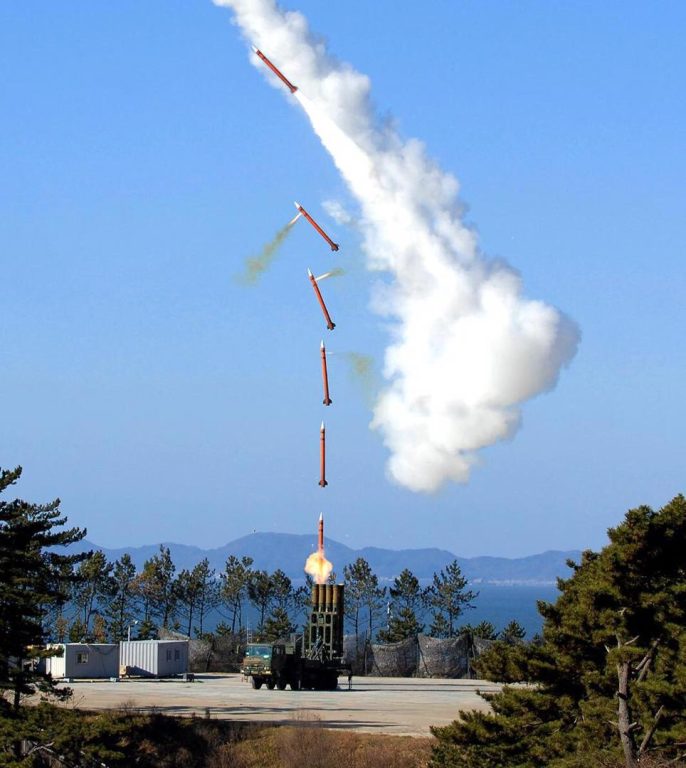
The history of the KM-SAM II began as part of a large-scale program to develop South Korea’s own multi-layered air defense system.
A country located in close proximity to one of the world’s most militarized states—North Korea—has long placed special emphasis on air defense and missile defense. Therefore, Korean engineers set out to create a system capable of countering not only aircraft and cruise missiles, but also ballistic targets.
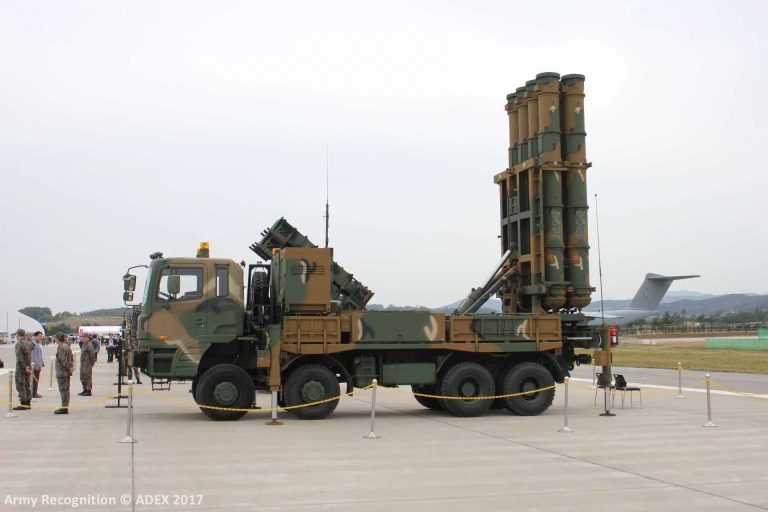
This work resulted in the Cheongung-II—a mobile, medium-range anti-aircraft missile system that fills the gap between short-range systems and next-generation high-altitude missile defense systems.
At first, the project developed almost unnoticed by the global audience. However, the situation changed after the first export orders came in and the system was successfully deployed outside South Korea.
What Is the KM-SAM II?
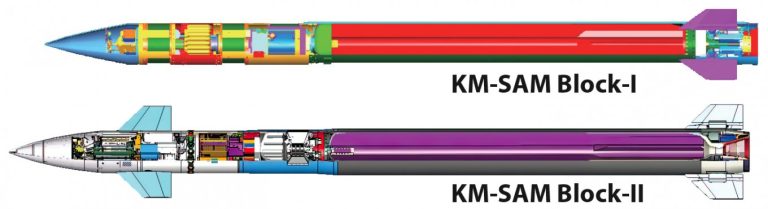
In terms of its capabilities, the South Korean system is most similar to the Patriot PAC-3, although the two cannot be considered completely identical.
The system is designed to intercept aircraft, helicopters, cruise missiles, and ballistic targets in the terminal phase of their flight path.
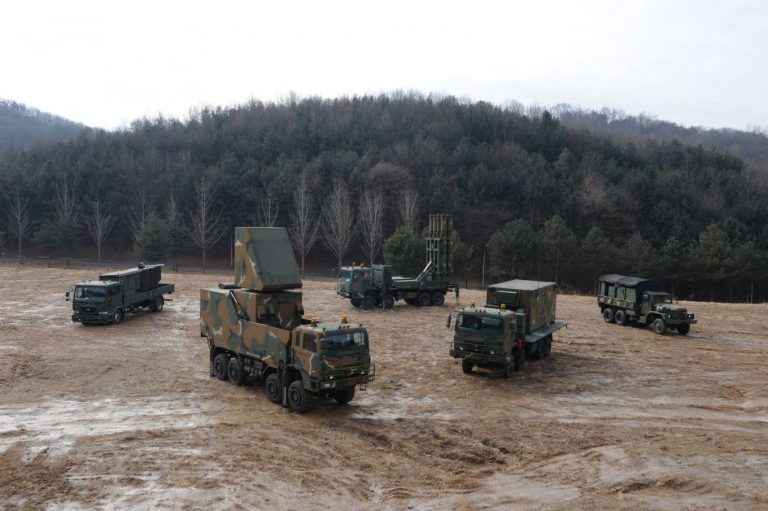
The battery consists of a multifunctional radar station, a command post, and several launchers. Thanks to its advanced control system, the complex is capable of simultaneously tracking a large number of targets and assigning them to different missiles.
An interesting feature of the system is its use of missiles equipped with active radar homing heads. After receiving target designation, the missile is capable of independently tracking the target during the terminal phase of flight, which enhances the system’s resistance to electronic countermeasures.
Tactical and Technical Specifications of the KM-SAM II
Type: Medium-range anti-aircraft missile system
Target engagement range: up to 40–50 km
Interception altitude: up to 15–20 km
Maximum speed of the rocket: about 5 Mach
Guidance type: inertial guidance system + active radar homing head
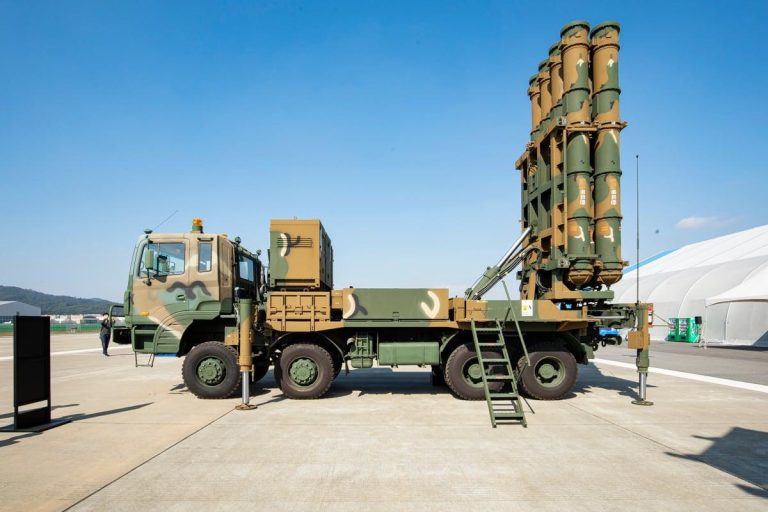
Number of missiles on the launcher: 8
Number of starting units in the bank: up to 6
Purpose: to counter aircraft, cruise missiles, and ballistic missiles
The Middle East has become the best advertisement
People really started talking about the KM-SAM II after it was delivered to the United Arab Emirates.
It was there that the system had its first opportunity to prove itself not on testing grounds, but under actual operational conditions. According to Western analysts, the system was used to counter missile threats and demonstrated high effectiveness.
This turned out to be an extremely important development for the arms market.
Military equipment may have impressive specifications on paper, but it is combat experience that often becomes the main factor in selecting new weapons. After the first reports of the system’s successful operation emerged, interest in it grew significantly.
Today, potential buyers include Saudi Arabia, Qatar, Kuwait, and a number of other countries in the region.
Can the Korean system replace the Patriot?
This is precisely the issue that military experts are actively discussing today.
On the one hand, the KM-SAM II is significantly cheaper than American systems. In addition, South Korea demonstrates greater flexibility when it comes to exports and localizing production.
On the other hand, the Patriot remains a higher-class system with a wealth of operational experience and a well-developed production base.
However, the current situation on the global market works in the Koreans’ favor. U.S. manufacturing capacity is overloaded, and lead times for new batteries and missiles often stretch out over years.
Under these circumstances, many countries are willing to consider alternative options, even if they fall short of the recognized leader in certain respects.
For this reason, the KM-SAM II is increasingly viewed today not as a direct competitor to the Patriot in the literal sense, but rather as a sort of “safety valve” for the global air defense market, capable of partially addressing the growing shortage of modern air defense systems.
The main issue is production
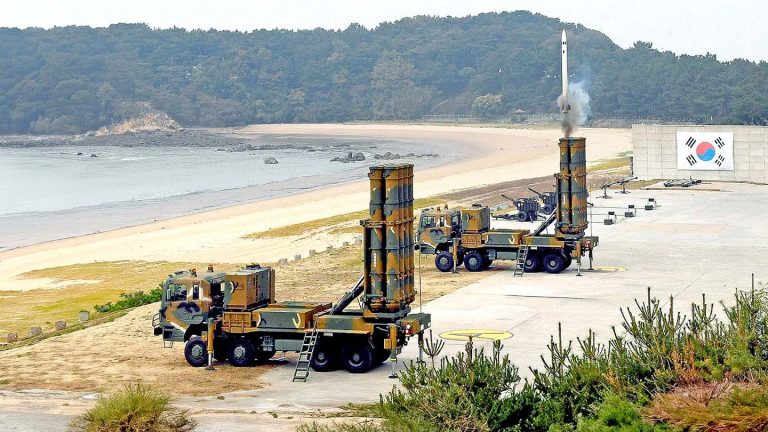
Paradoxically, the main obstacle to the KM-SAM II’s continued success may not be its technical specifications at all.
According to analysts’ estimates, South Korea is capable of producing about eight battery systems per year. Missile production is estimated at several hundred units per year.
In peacetime, this is sufficient. However, recent experience shows that intense combat operations can deplete missile stocks much faster than previously anticipated.
A good example of this was the situation in the Middle East, when additional missiles had to be rapidly deployed from South Korea’s own stockpiles to replenish depleted ammunition supplies.
Therefore, Seoul now faces the challenge not only of expanding exports but also of increasing production capacity.
A New Player in the Major Market
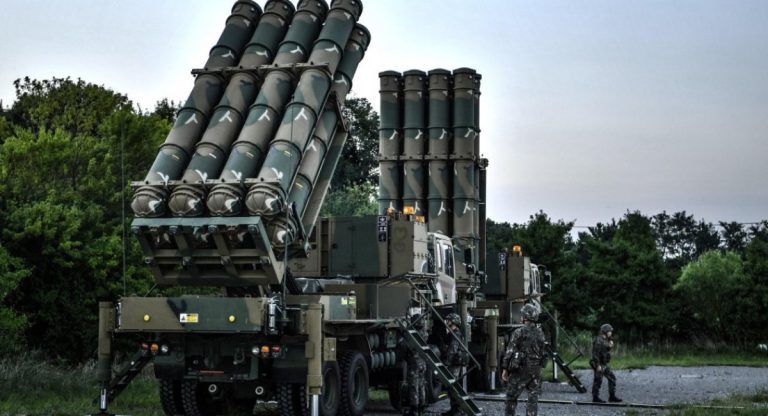
Until recently, the market for modern air defense systems was effectively divided among several major manufacturers from the United States, Europe, and Russia. The introduction of the KM-SAM II shows that South Korea is gradually emerging as one of the leading players in this segment.
The complex has already proven its effectiveness, secured its first international customers, and continues to attract new clients.
The only question that remains is the scale of production. If the Korean defense industry is able to increase its production of batteries and missiles, the KM-SAM II has every chance of becoming one of the most sought-after air defense systems of the coming decade.
And then talk of South Korea having developed its own alternative to the Patriot will cease to be just a catchy headline.