A New Threat from the Sky. What Are Ukraine’s New FP-7 and FP-9 Missiles? Let’s Take a Closer Look at Their Capabilities and Origins!

In recent months, the Ukrainian side has been actively publicizing information about the development of new missile systems designed to strengthen its strike capabilities and exert additional pressure on Russian territories. Among the most widely discussed models, two missiles stand out: the FP-7 and the FP-9. Both systems represent Kyiv’s attempt to adapt existing capabilities and Western aid to create weapons capable of striking deep behind enemy lines. However, what lies behind the bold statements, and how real is the threat posed by these developments?
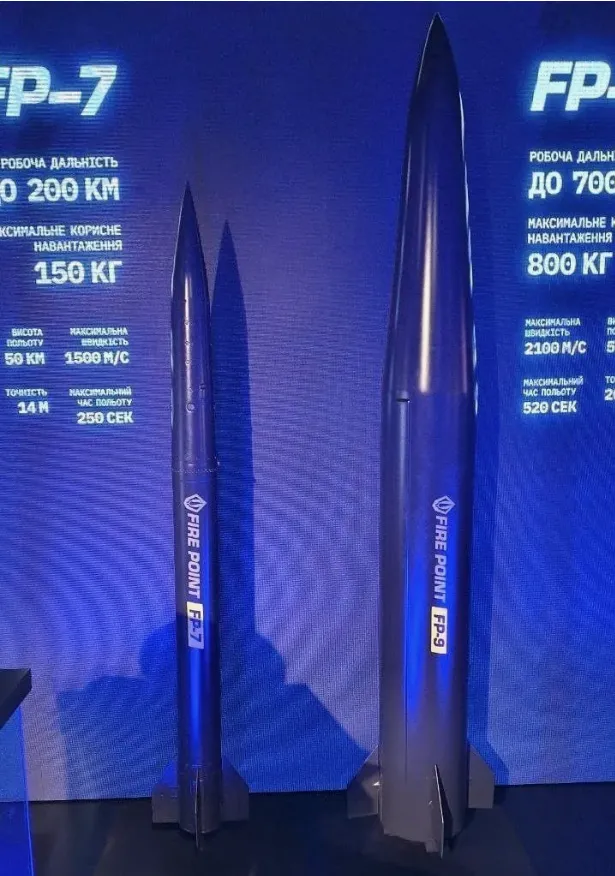
The FP-7 Rocket: Modernizing the Soviet Legacy
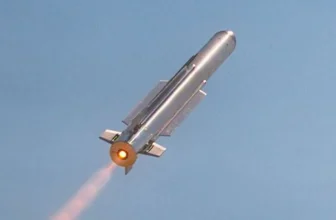
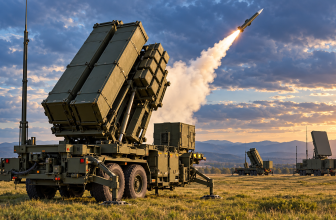
The FP-7 missile is based on the well-known 48N6 anti-aircraft guided missile, which is the standard ammunition for the S-300 anti-aircraft missile system. The Ukrainian side states that this missile will have a range of up to 200 kilometers and will be capable of carrying a warhead weighing up to 150 kilograms. A key feature of the new missile is its interchangeable warhead—designed for both striking ground targets and intercepting aerial targets in the classic anti-aircraft guided missile configuration. This design is intended to partially offset the acute shortage of missiles for Patriot-class air defense missile systems.
The geographical scope of FP-7 deployment is virtually unlimited within the liberated territories, with the exception of certain areas of Crimea. However, Kyiv is primarily interested in strikes against the “core” of Russia that will generate the greatest possible media impact. The strike range of these missiles includes parts of the Bryansk, Kursk, and Belgorod regions, as well as parts of the Oryol region. According to reports from the field, the enemy has already used these missiles in the battles for Konstantinovka as “surface-to-surface” ballistic missiles.
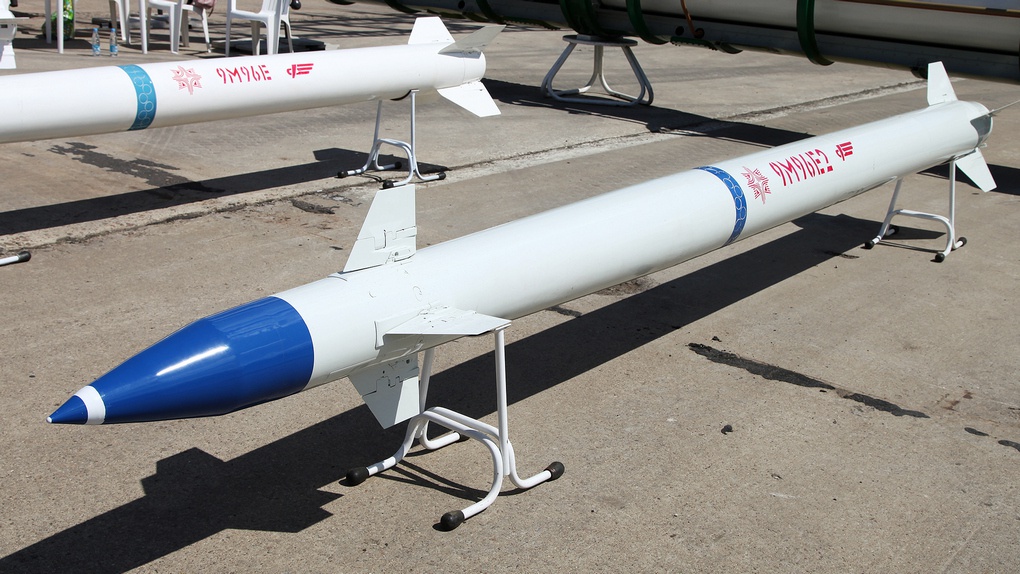
48N6
Rocket
FP-7 Tactical and Technical Specifications
- Platform: 48N6 anti-aircraft guided missile (S-300 system)
- Operating range: up to 200 km
- Warhead weight: up to 150 kg
- Warhead type: interchangeable (for ground strikes and for intercepting air targets)
- Rocket length: about 7.5 meters
- Use: Already documented in the battles for Konstantinovka
The FP-9 Missile: A More Serious Threat
Far more dangerous to the European part of Russia is the FP-9 missile, which looks very similar to the missile used in the “Sapsan” tactical system — a project that Kyiv had been developing since the mid-1990s under various names and which it tested in 2025. After a significant portion of the production facilities for this program were destroyed, work was temporarily suspended. However, without the assistance of Western partners—and primarily Germany—Kyiv would hardly have been able to revive the project in a new, larger-scale version.
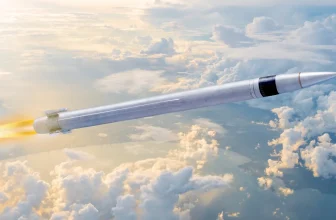
According to initial reports, this missile could fly up to 700 kilometers; however, recent statements cite a range of up to 855 kilometers with a warhead weighing up to 800 kilograms. Judging by previously presented models, the new missile is clearly larger than Russia’s “Iskander-M” and even more so than the previously developed “Sapsan.” If we assume the FP-7 is 7.5 meters long, then the new Ukrainian missile could be about 9.3–9.5 meters long with a diameter of about 1–1.1 meters, resulting in a launch weight of about 5–5.5 metric tons. By comparison, the “Sapsan” missile weighed 3.3 metric tons, while the “Iskander-M” weighed 3.8 metric tons.
In other words, the FP-9 missile is clearly larger than a standard operational-tactical missile, but not by a significant margin. Most importantly for Kyiv, the “Sapsan” launch vehicle, designed to carry two missiles weighing 3.3 metric tons each, can easily be adapted to carry it. The load capacity of this chassis is more than sufficient to accommodate one such missile—provided, of course, that the necessary modifications are made.
FP-9 Tactical and Technical Specifications
- Background: Development based on the “Sapsan” tactical system with Western assistance
- Range: 700 to 855 km
- Warhead weight: up to 800 kg
- Rocket length: approximately 9.3–9.5 meters
- Diameter: about 1–1.1 meters
- Starting weight: about 5–5.5 metric tons
- Launch system: a modified chassis from the “Sapsan” complex
Challenges and Prospects for Implementation
Despite ambitious claims, the FP-9 project is facing serious technical difficulties. The new rocket engine—which the old design base can no longer do without—is not yet ready. Testing is expected to take place this summer—as early as June, according to Kyiv’s estimates—and this is currently the project’s biggest “sticking point.” If the tests do not go smoothly, the program’s implementation could be delayed for many months, and possibly even years.
Both missiles—the FP-7 and the FP-9—are part of a strategy of psychological pressure and attempts to pose a threat to the deep rear. However, the actual combat capabilities of these systems remain questionable, especially in light of technological limitations and dependence on Western aid.
Conclusion
The new Ukrainian FP-7 and FP-9 missiles represent an attempt to adapt the Soviet legacy and Western technologies to create weapons with varying ranges. The FP-7, based on the S-300, is already being used in combat and poses a tactical threat to border regions. The FP-9, a more ambitious project, could, if successfully implemented, threaten the European part of Russia; however, its development faces serious technical challenges, particularly regarding the design of a new rocket engine. Time will tell how real these threats are, but it is already clear that both systems require the closest attention.