Epigraph:
Nothing is more permanent than the temporary.
Nock, Albert J., American public figure
I came across some interesting articles on the Zen channel “Aspid Disagrees!” about our famous 20-mm ShVAK aircraft cannon. I’ve compiled them into a single post and am presenting them to my esteemed colleagues for their consideration.
Contents:
The History of the ShVAK and Why It Was Needed

Why do we need a fighter jet? To fight, of course.
And for that, a World War II-era fighter needs cannons. In principle, you could get by with machine guns, but a cannon is far more effective.
In World War I, airplanes were, if not completely unarmed, then armed in a very limited way. But it very quickly became clear that to shoot down an enemy aircraft in aerial combat, you had to fire at it. And given that aerial combat takes place at high speeds, and you only have a fraction of a second to bring the enemy into your sights—you had to fire quickly and frequently.
The fighter’s primary armament consisted of machine guns—rifle-caliber.
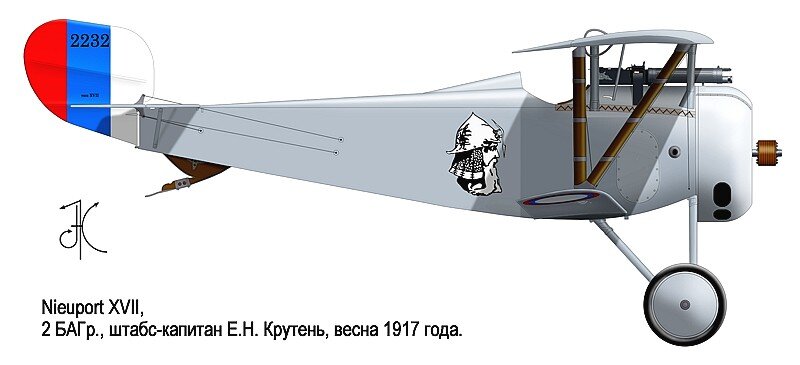
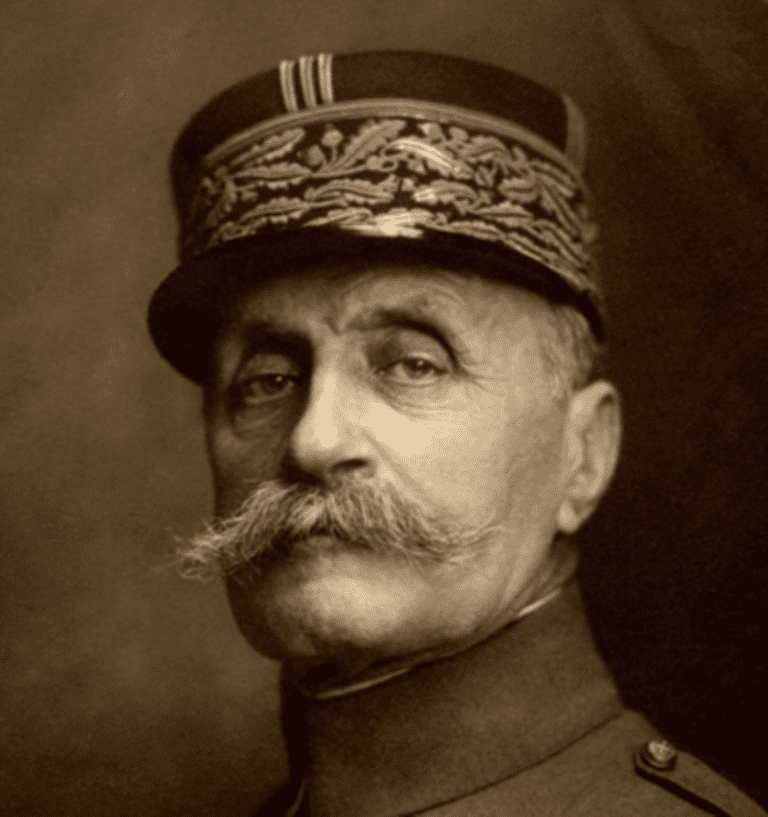
During the interwar period, fighter aviation developed at a leisurely pace, as did fighter aircraft armament. But as the deadline set by Field Marshal Foch back in 1918—immediately after the Germans signed the surrender (remember his famous phrase: “This is not peace; it is a twenty-year armistice”)—progress began to pick up steam, and the old adversaries adapted to one another and to the changed conditions of combat—drastically increased speeds and vertical maneuvering.
It was the Soviet I-16 pilots in Spain who explained to their opponents, with all the proletarian candor, that vertical maneuvering had become the foundation of aerial combat — taking advantage of their superior speed and vertical maneuverability, they launched rapid attacks on German Ne-51s and Italian Fiat 32s, then immediately climbed upward, remaining out of the enemy’s reach. Altitude, speed, maneuverability, and firepower—this tactic began to take shape in the Spanish skies.
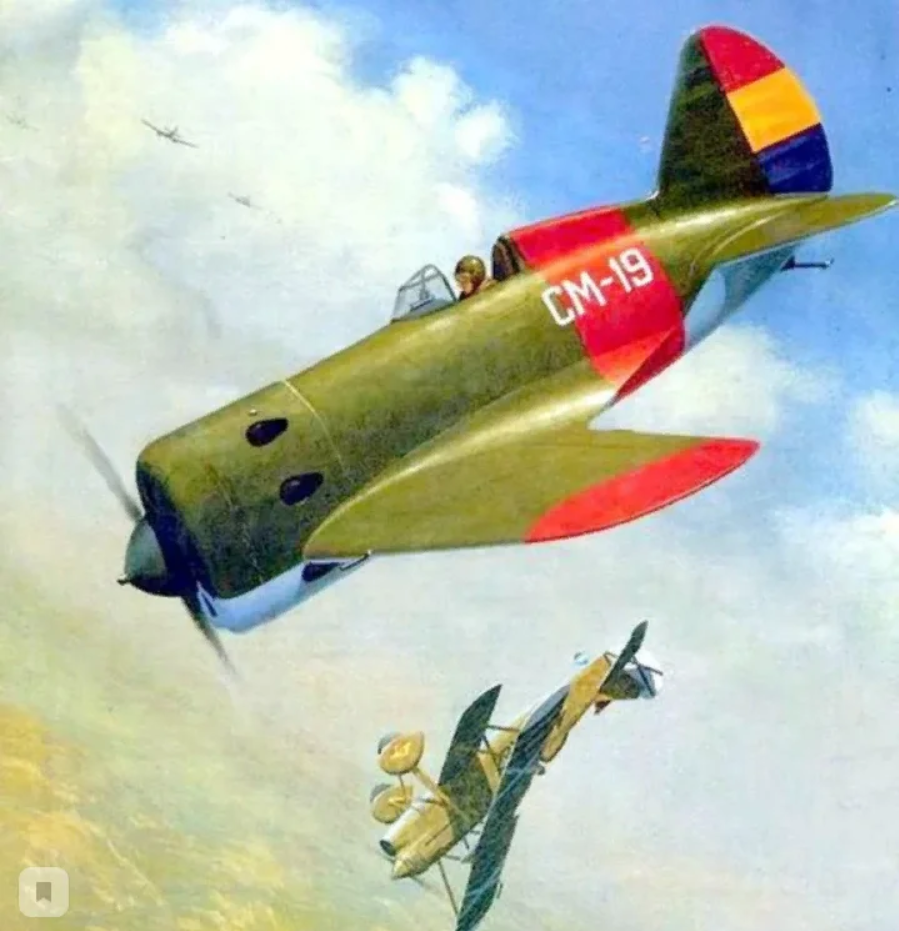
But there, in Spain, another lesson was learned—one that wasn’t as striking, but was quickly noted by experts. While the I-16s were armed with rifle-caliber machine guns—the PV-1 and, later, the ShKAS—the Fiats were equipped with large-caliber Italian machine guns. It immediately became clear that while rate of fire is one thing, but against modern fighters—and even more so against bombers—a large-caliber machine gun is a far more compelling argument than rifle bullets, even in very large quantities. Targets had grown larger, sufficiently advanced armor had appeared, along with various systems that increased survivability—those same protected fuel tanks quite confidently withstood hits from rifle bullets, whether German, Soviet, or, for that matter, any others—but with a 12.7 mm bullet, things were much more complicated. In short, you can, of course, shoot at a bear with duck shot for a very long time—and it might even die eventually—but a bullet is somehow more reliable. And it gives the hunter greater peace of mind.
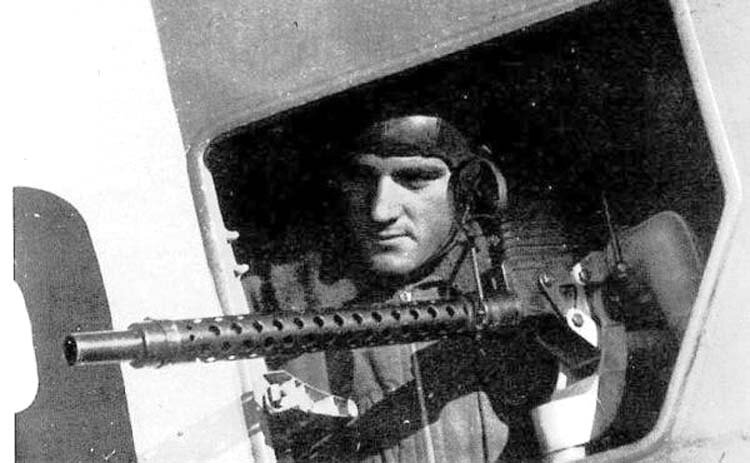
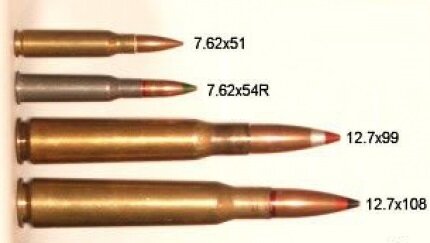
The Italian 12.7 mm Breda-SAFAT was marketed as a variant of the American 0.50-inch Browning M2, but it was an entirely independent design. And it made a serious impression on Soviet pilots—the difference between the heavy bullets of the 12.7×81SR cartridge and the 7.62×54R rifle bullet was very noticeable.
It became clear that they urgently needed their own 12.7-mm machine gun—or perhaps something even more powerful. However, by that point, the USSR already had the 12.7-mm ShVAK machine gun, designed by Vladimirov and Shpitalny.

But it just couldn’t hold a candle to the Browning, primarily because of its 40-kilogram weight. Although… if flaws are an extension of strengths, then the opposite is also true—strengths can be a development of flaws. It’s no wonder Boris “Razor” once said, “Weight is good. Weight means reliability.” In our case, it turned out that thanks to the heavy mass and corresponding strength margin, it’s possible to rebarrel a 12.7-mm ShVAK—that is, to replace the 12.7-mm barrel with a 20-mm one, and, without any radical modifications, turn the machine gun into a 20-mm automatic cannon.
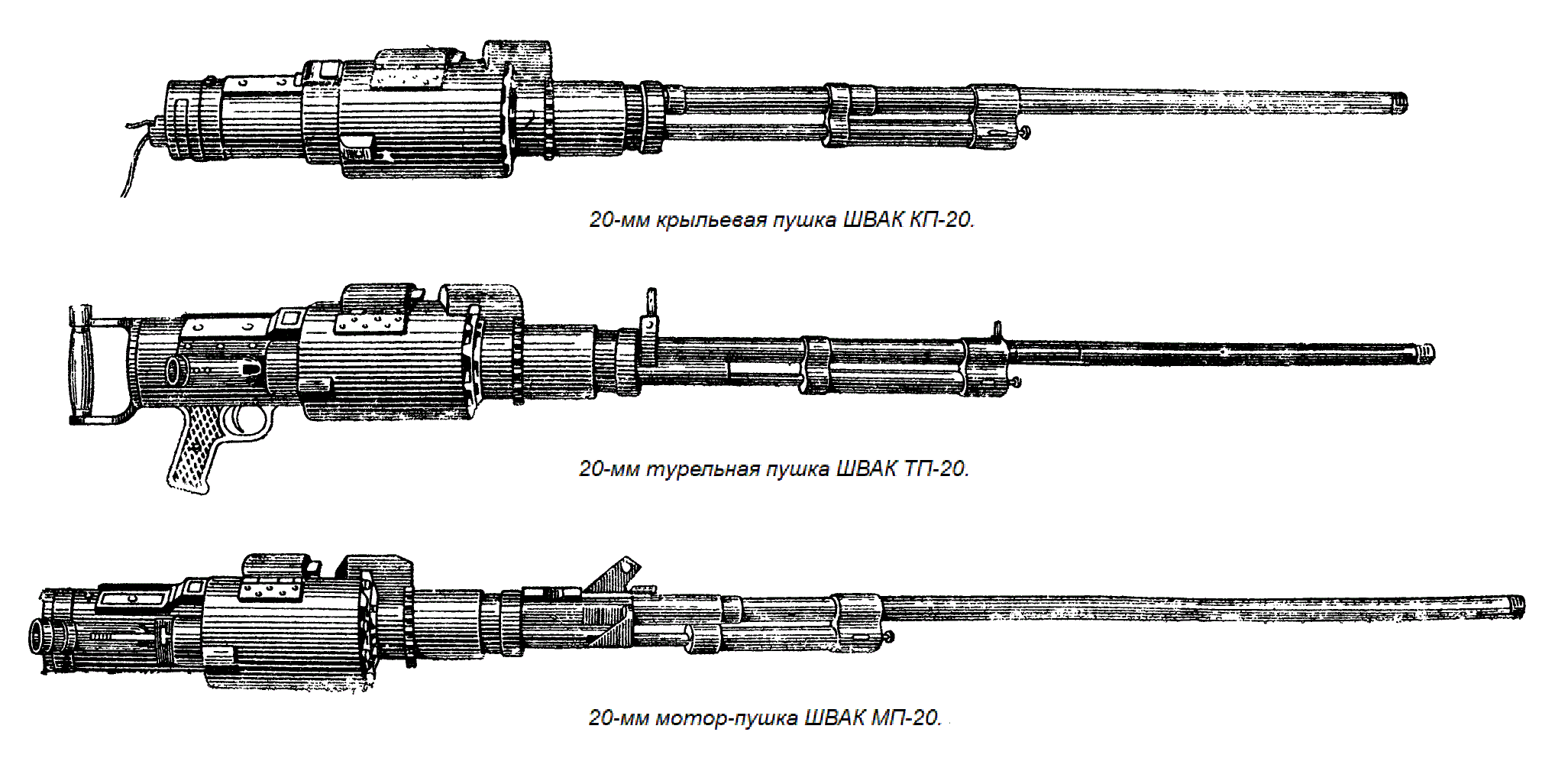
This was fairly simple to do, in part because the 20-mm round for this gun was essentially the same as the 12.7×10⁸R machine-gun round—the same round fired by the ShVAK machine gun. They simply replaced the 12.7-mm bullet with a projectile specially designed for the ShVAK gun.
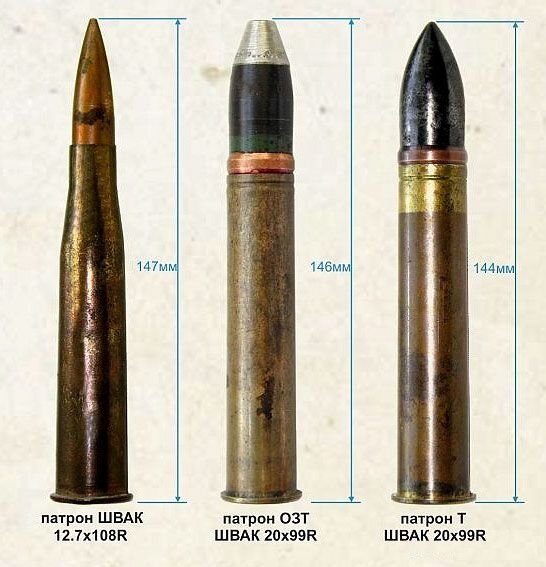
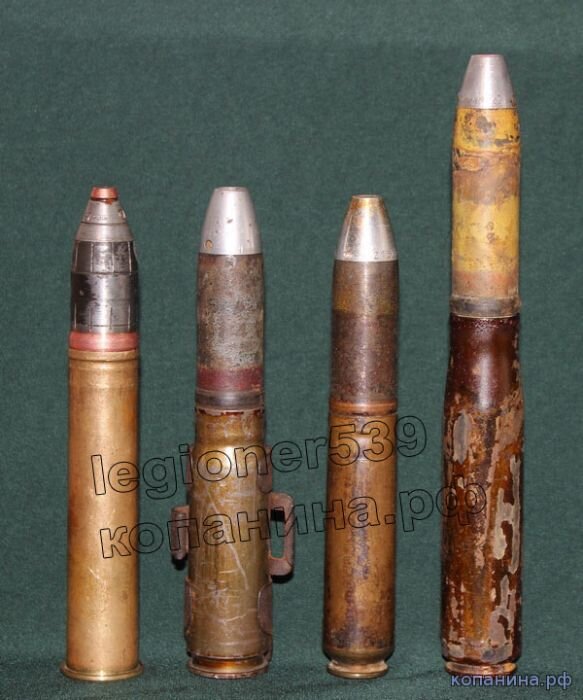
Again, you can see everything in the photo. As for the numbers, take a look at the following table
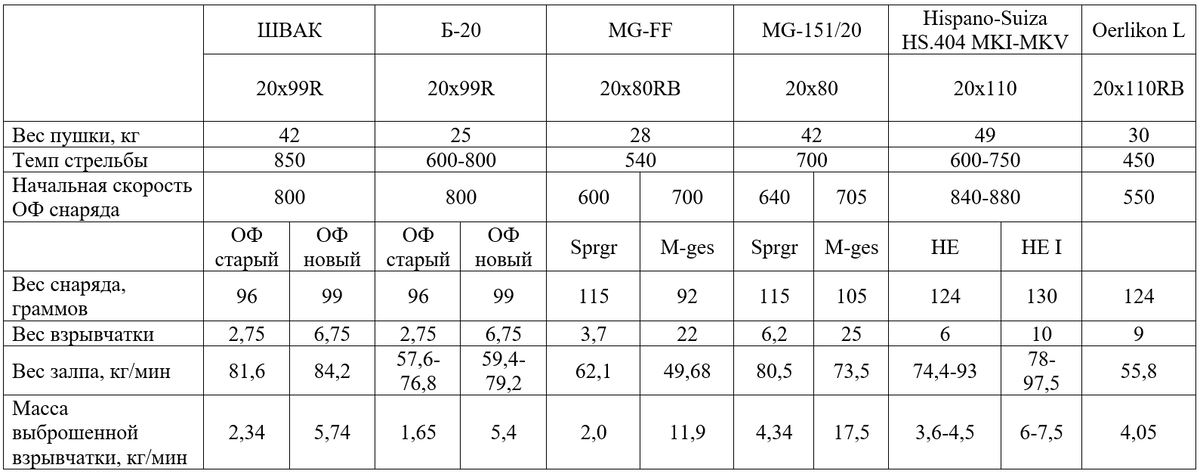
The main problem with the ShVAK shell is immediately apparent—it is too light. The only shell lighter than it is the MG-FF cannon shell, which the Germans phased out of production during the war and replaced with the MG-151/20.
However, there is also a positive aspect: the ShVAK and the B-20 (in the gun-engine variant) had the highest rate of fire, and the B-20 also had the lowest weight.
But as for the projectile… Even at the very moment it was being adopted by the Air Force, they were clearly dissatisfied with the 20x99R round—they considered it too weak, especially in the version they had, which contained 2.75 grams of explosive. At one point, it even came to the point where it was proposed to remove the ShVAK from service altogether — because the MDZ bullet had been introduced for the Berezin machine gun, which contained 2.5 grams of explosive—almost as much as the original 20-mm ShVAK projectile.
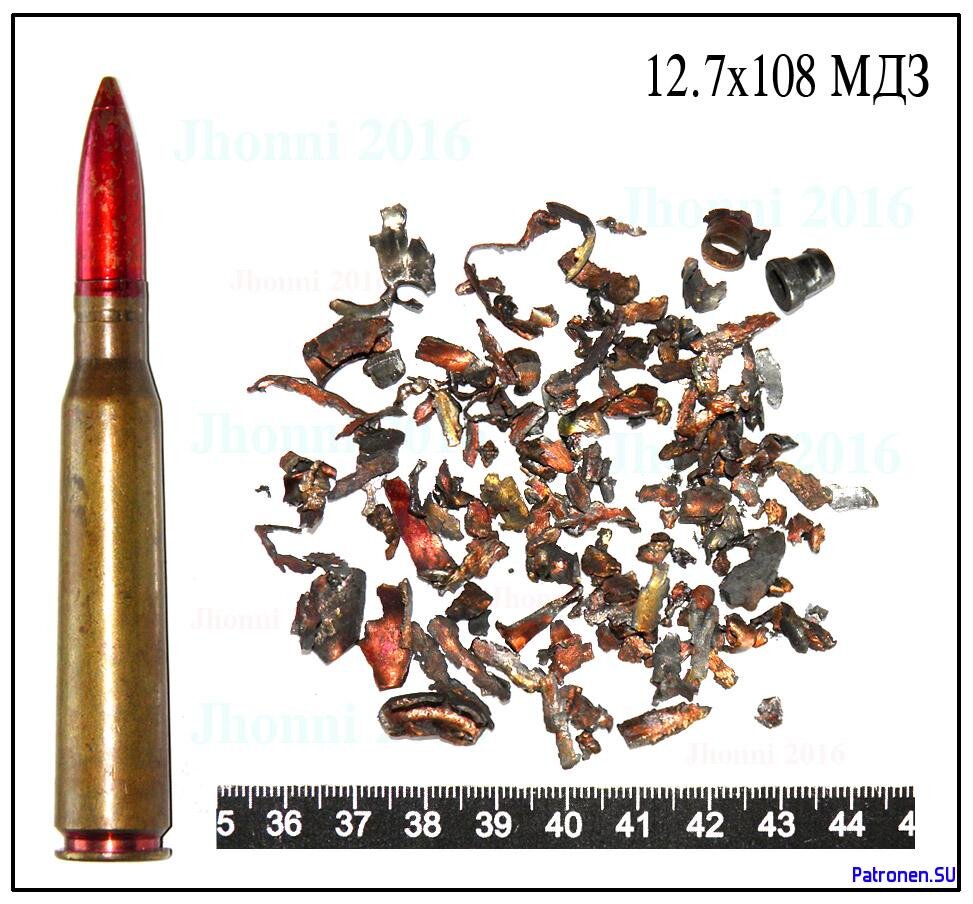
The question immediately arose: Why do we need the heavy SHVAK when the UB machine gun, which weighs half as much, has practically the same effect?
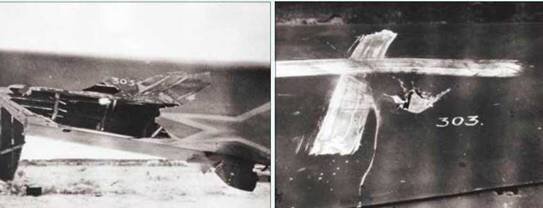
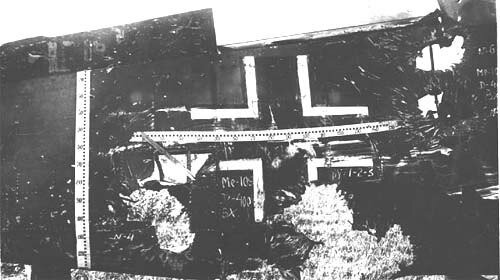
Just look at the bottom row of the table, which shows how many kilograms of explosives the guns could deliver to the target per minute. While the SHVAK and B-20 were quite comparable in terms of salvo weight, the amount of explosives in a single shell was too small, and only about 2 kg of explosives could be fired at the target per minute—on par with the old rounds of the obsolete German MG-FF and quite comparable to the UB machine gun, which was half as heavy.
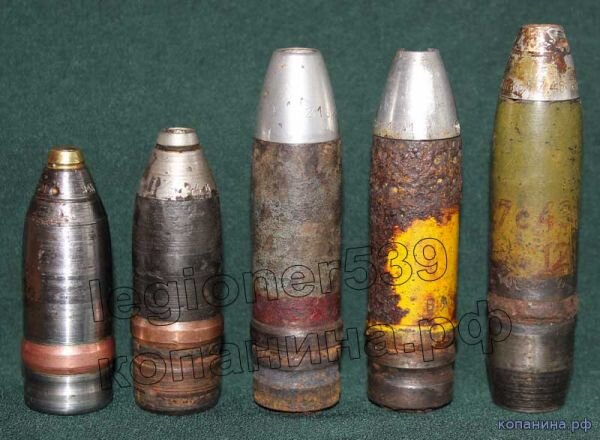
The urgent modernization of shells during the war made it possible to pack up to 6.75 grams of explosive into the small SHVAK shell; furthermore, the SHVAK clearly outperformed its rivals in rate of fire. All of this together put Soviet guns on par with their British counterparts and even, to some extent, with their German counterparts, but…
The Germans developed the “Minengeoss”—a shell with the thinnest possible walls, packed to the maximum with explosives — When firing such shells, the MG-151/20 could deliver up to 17.5 kg of explosives to the target per minute—compared to approximately 5.5 kg for Soviet guns and 6.5–7 kg for British ones. And the fact that the British weren’t far behind wasn’t much of a consolation. True, the Minengeoss was a very specific type of shell—it worked well against hull plating but much less effectively against armored components, which is why it was loaded into belts as every third or fourth shell. This did not give the Germans a significant advantage, but it did provide more options for loading the belts.
Nevertheless, it was clear that the ShVAK shell needed to be replaced—even before the war, compared to the purchased “Erlikon” shells with their powerful 20×110 mm projectiles, it simply didn’t seem up to par.
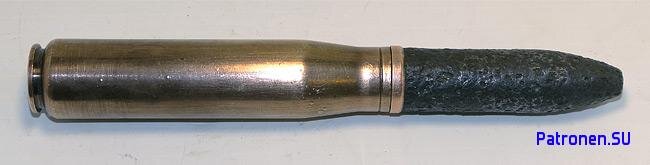
It was the “Erlikon” shell that was deemed the most promising—which is why, after quickly adopting the ShVAK as a temporary measure (production of which was rapidly ramped up), the USSR immediately began developing new cannons for a new shell—the 20×110 mm, developed in Tula and, quite by chance, strongly resembling the 20×110 “Soloturn” — derived from the “Erlikon” aircraft cannons, and, incidentally, the British MK I—a licensed version of the same projectile.
What should I switch to?
The main problem with the SHVAK shell is immediately apparent—it is too light. The only shell lighter than it is the MG-FF cannon shell, which the Germans phased out of production during the war and replaced with the MG-151/20. Undoubtedly, the ShVAK more than made up for its lack of projectile power with its high rate of fire. However, the 20x99R ShVAK round—an old design hastily adapted from a 12.7-mm machine-gun cartridge as a stopgap measure—continued to limit the weapon’s development potential. The USSR was working on two fronts simultaneously—on the one hand, it was developing 23-mm projectiles based on the new 23×152 ammunition. To be honest, the ammunition turned out to be, frankly, far too powerful for use in the aviation of those years, propelling a 200-gram projectile to a velocity of 890 meters per second.
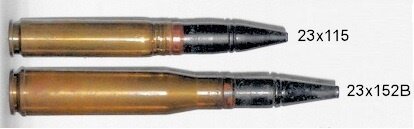
Such a powerful round automatically made it simply impossible to develop a lightweight automatic cannon capable of firing it. The best 23-mm cannon in the Soviet Union was the Volkov-Yartsev cannon, the VYa-23.
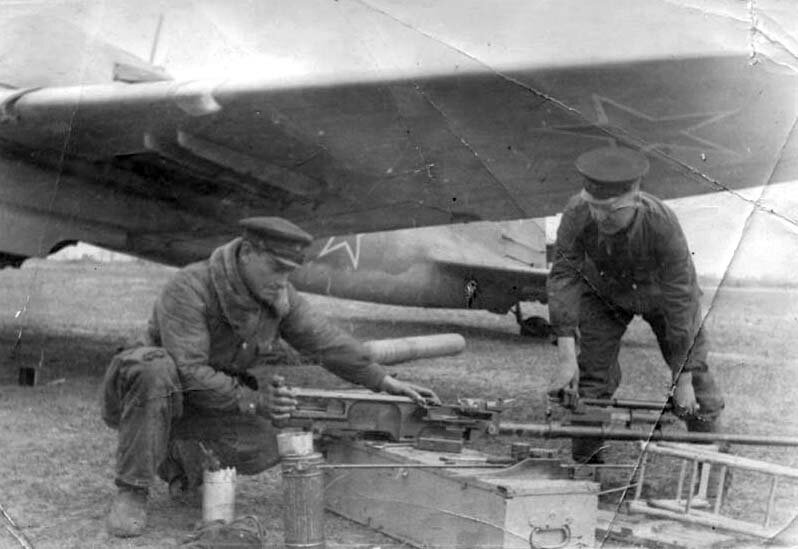
The VYA-23 cannon itself weighed a perfectly reasonable amount—just over 60 kilograms. But its immense recoil (the VYA-23’s rate of fire per minute was one and a half times that of the German 30-mm MK-108) required it to be mounted on a special carriage designed to dampen the recoil — and this mount added another 42 kilograms, bringing the total weight of the system to over 100 kilograms; with a 150-round belt and the mount, the weight exceeded 200 kilograms—there was simply no point in mounting such a heavy gun on a fighter.
But in addition to the work on the 23-mm cannons—which in themselves are the subject of an interesting story—weapons procured from Europe arrived in the USSR, including the “Erlikon” automatic cannon and ammunition for it.
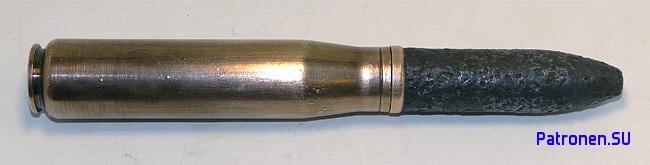
Even before the war, a Soviet version of the “Erlikon” shell—measuring 20 × 110 mm—had been developed.
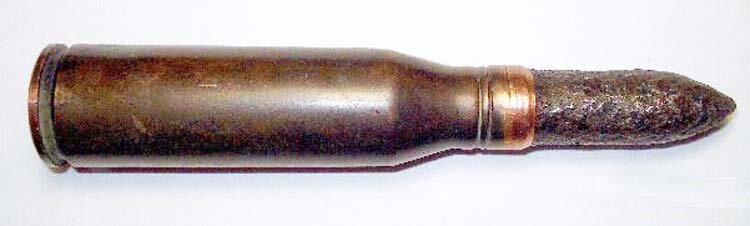
All that remained was to build the cannon. Several gunsmiths set to work on the project at once. It’s unlikely anyone remembers a man named Jan Janovich Atsleg—but it was he who, in 1934, developed an automatic cannon chambered for the powerful 20×128 (long Soloturn) cartridge, and in 1937 adapted it for the new 10×110 mm cartridge.
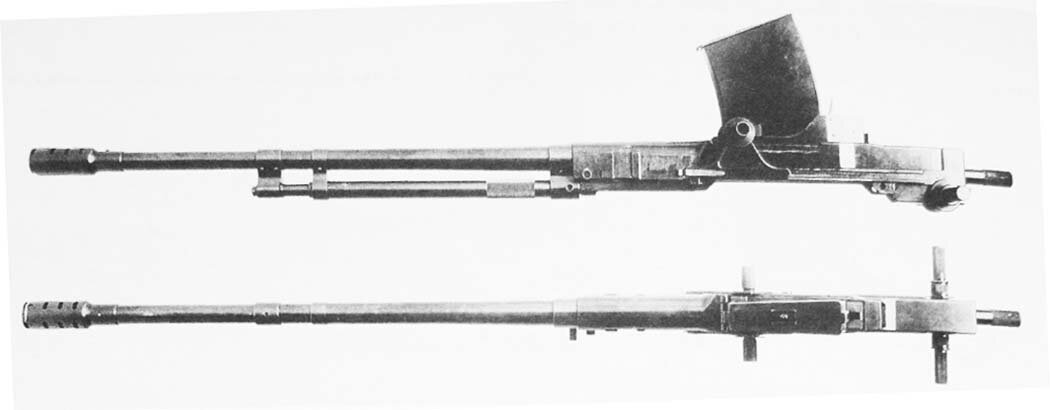
The creators of the famous DShK—Degtyarev and Shpagin—weren’t sitting idle either. In that same year, 1937, they unveiled their 20-mm aircraft cannon, the DShAK

But neither gun fully satisfied the Air Force—their rate of fire was clearly lower than that of the ShVAK. And this was clearly due to mistakes made by the Air Force itself—the 20×110 cartridge, which served as the basis, was very good in some respects. For example, it could be used as the basis for both anti-aircraft and aircraft cannons—the large, bottle-shaped cartridge case allowed for a much larger powder charge than in the ShVAK cartridge or the German MG-151/20.
However, right there, nearby, was a completely different example—things were different for the Luftwaffe. The Germans used not even the standard “Soloturn” 20×110, but a powerful 20×138B shell, known as the “long Soloturn”—which was even more powerful than the standard 20×100 “Soloturn.” For aircraft cannons, however, they used the much less powerful 20×80, with virtually the same projectile but much lower muzzle energy—and therefore, much less recoil.
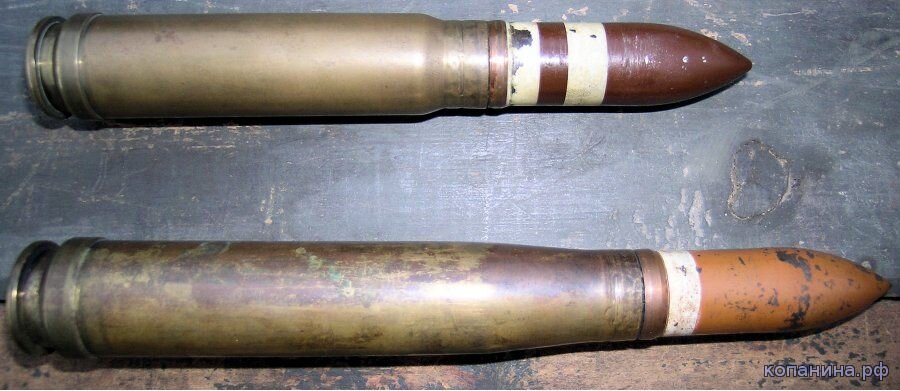
It was no coincidence that the Germans decided to develop two different types of ammunition for anti-aircraft guns and aircraft cannons. The technical specifications of Soviet aircraft cannons chambered for the 20 × 110 cartridge show that, given the projectile’s high muzzle velocity, it is impossible to achieve a high rate of fire—more than 600 rounds per minute. The challenge proved to be quite difficult—the British, with their licensed version of the Oerlikon gun, better known as the Hispano-Suiza HS.404, struggled just as much—managing to achieve a rate of fire of 740 rounds per minute with more or less decent reliability only with the MK V version in 1944 — for aircraft cannons, which were effectively used at ranges of up to 200 meters, such a cartridge was simply excessively powerful.
Nevertheless, the Air Force insisted that this particular cartridge held great promise. In 1941, Mikhail Yevgenyevich Berezin attempted to convert his 12.7-mm BK machine gun into a cannon.
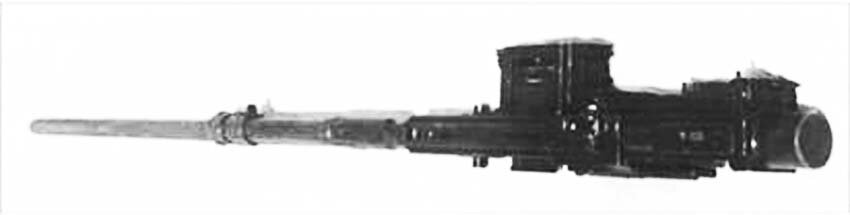
But the designer fell ill, and fine-tuning the gun was proving difficult—and on top of that, the creators of the SHVAK, Semyon Vladimirovich Vladimirov and Boris Gavrilovich Shpitalny, had also begun work on the project at the same time.
Both cannons, the V-20 and the Sh-20, were very similar in design and, unlike other Soviet aircraft cannons, were built with a short-stroke barrel. This gave them an unexpected advantage—in the synchronized version, they lost less in rate of fire than the B-20. While the rate of fire was roughly equal in the motor-gun variant, in the synchronized version the V-20 fired about 700 rounds per minute compared to 600 for the B-20 (after being redesigned for the 20x99R ShVAK cartridge). But, as is well known, our shortcomings are simply the flip side of our strengths. Due to the chosen design, the B-20 fired from a closed breech, and when a shell entered the heated chamber, instances of spontaneous firing occurred; this flaw was never successfully corrected.
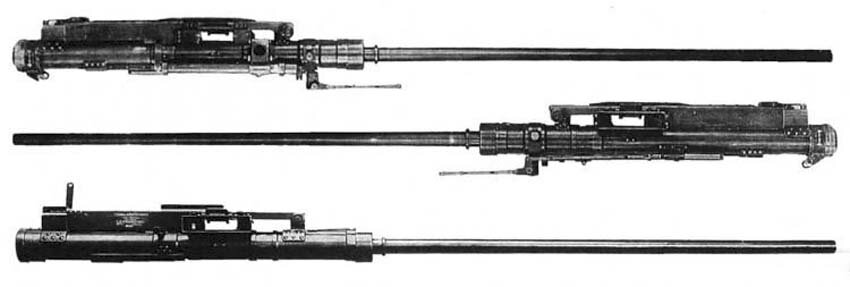
The B-20, chambered for the new 20×110 cartridge, proved to be a very, very good cannon; it was perhaps the best aircraft cannon in the world, with great potential. Weighing just 28 kilograms, it had a rate of fire of 750 rounds per minute and a projectile velocity of 920 m/s. However, by 1942, it was absolutely clear that it was simply impossible to begin mass production of a new 20-mm round during the war, and the 20x99R cartridge would remain the standard for the Air Force. The B-20, like its competitors, had to be modified to use the ShVAK cartridge.
And here—more problems. The fact is that the SHVAK shell was essentially designed specifically for the SHVAK gun—and because of the gun’s unique design, with that distinctive 10-position shell feed drum, it was made with a rim. That is, with a rim. But the much more modern 20×110 “Soloturn,” as well as the Tula 20×110 cartridge based on it, were already rimless, just like the Soviet 12.7mm machine-gun cartridge for which the UB machine gun was originally designed.
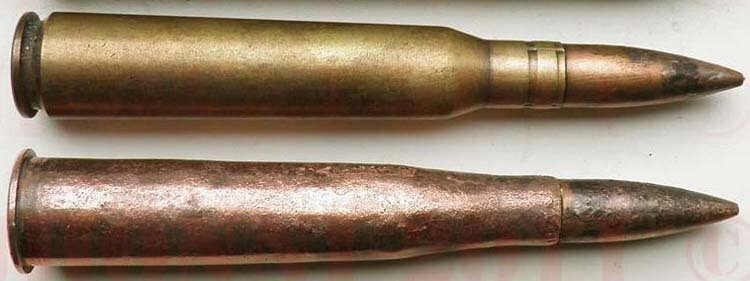
As a result, the B-20’s design had to be significantly redesigned. The breech design was almost completely changed, and the locking mechanism was redesigned—if not schematically, then structurally. In fact, it was a complete redesign of the gun. All of this could not be done quickly, and as a result, the B-20 cannon did not begin to be installed on aircraft in large numbers until 1944, and it was still being fine-tuned in 1945—the first batches experienced firing delays. However, there was also an advantage: when converted to a less powerful cartridge, the B-20 became 3–4 kilograms lighter, depending on the variant.
By this time, the opportunity had finally arisen to address the issue of replacing the 20x99R SHVAK cartridge with a new projectile. However, the 20×110 had by then fallen out of favor—and rightly so. The war had shown that small-caliber aircraft cannons required a different projectile.
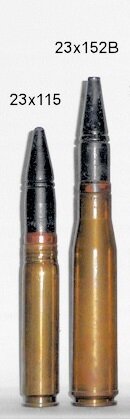
A new generation of ammunition had entered the scene, the first of which was the 23×115—a 14.5-mm cartridge case from a PTRD armor-piercing rifle with a projectile from a VYA cannon inserted into it, more precisely, from the 23×152 mm cartridge. Based on wartime experience, this cartridge combined a powerful 23-mm projectile—whose mass exceeded that of virtually any 20-mm caliber projectile— and a powder charge that was quite moderate for such a caliber, allowing for the creation of lightweight, rapid-firing aircraft cannons.
That’s how it turned out—the 20x99R round, adopted as a temporary measure, was a hastily modified version of the 12.7×10⁸ machine-gun cartridge tailored to a specific weapon model, just to quickly provide the Air Force with at least some20-mm cannon as quickly as possible—remained the standard round for the Soviet Air Force’s cannons throughout World War II. Meanwhile, the more promising 20×110 could not be mass-produced; it simply wasn’t possible—the war was raging, and halting the well-established production of the 20-mm ShVAK cartridge and all the weapons chambered for it was simply impossible. And then, toward the end of the war, the 20×110 could no longer hold its own against the new, powerful 23-mm cartridges. All the Soviet arms designers managed to do was slightly increase the size of the projectile to fit 6.75 grams of explosive into it.
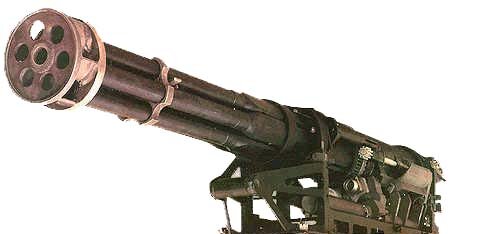
What if…
But if that were the case, yes. It’s well known that they tried not to change the ShVAK cartridge too much in order to maintain compatibility with guns already in production, and besides, a more powerful powder charge wouldn’t have fit into such a small cartridge case. But was a more powerful charge even necessary? The German MG-151/20 cartridge was only 20×80 to begin with—2 cm shorter than the Soviet 20x99R—yet it easily handled projectiles weighing up to 115 grams. Yes, the German cartridge case is slightly wider—but only very slightly…
What if we redesigned the SHVAK based on the German cartridge? In other words, we shouldn’t hold back—we should increase the projectile’s size and weight to the same 120 grams. Yes, we’d lose some muzzle velocity—let’s say it drops by 20%, so it would be 650 meters per second instead of 800. That’s unfortunate, but considering that firing ranges in aerial combat are actually up to 200 meters—it’s not that bad. After all, on the Germans’ own MG-151/20, the initial velocity of the OF projectile was 640 meters per second, and that of the Minengehosse was 705 meters per second—which didn’t hinder German pilots in the slightest. Besides, a longer projectile means a higher lateral load, which translates to a better ballistic coefficient. Who knows, they might even have had an advantage at long ranges.
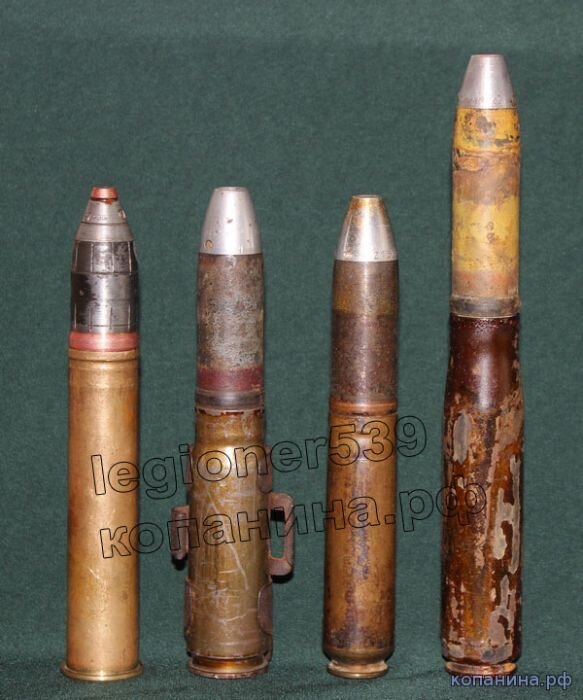
At the same time, — the weight of the ShVAK projectile increases to 120 grams, and at the same rate of fire of 850 rounds per minute, the weight of a minute’s volley from the ShVAK would reach 102 kilograms—a record for 20-mm cannons. And, of course, there would be more space inside the larger projectile, and fitting at least 10 grams of explosive into it would be entirely feasible—which amounts to 8.5 kilograms of explosive leaving the barrel per minute—a feat that only German Minengehosse could surpass.
Personally, I see one flaw in this idea—the very premise on which it was based: “if only.” If only… well, off the top of my head, I can list a whole bunch of reasons why this idea could never possibly be implemented. Starting with the need to maintain compatibility with the SHVAK cannon’s key component—the shell feed drum, which ensured a smooth 10-position feed of shells with minimal delays.
But that thought still lingers in my mind—what if?
Sources: