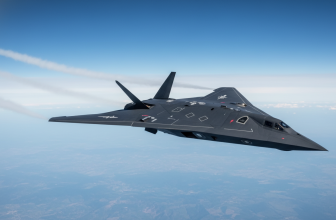
In the late 1940s, American engineers attempted to solve one of the major problems facing strategic aviation:
how to protect heavy bombers from enemy fighters over vast distances.
The answer turned out to be so unusual that today it sounds like science fiction:
a fighter jet that is housed inside a bomber and launches directly from the air.
This project was named the McDonnell XF-85 Goblin.

Why was a “plane inside a plane” even necessary?

But a serious problem arose:
- The bombers’ range was enormous
- and the escort fighters simply couldn’t fly that far
This meant that the bombers could be left defenseless deep inside enemy territory.
And then an idea came to me:
👉 Take a fighter jet… and transport it inside a bomber.
What “Goblin” Looked Like
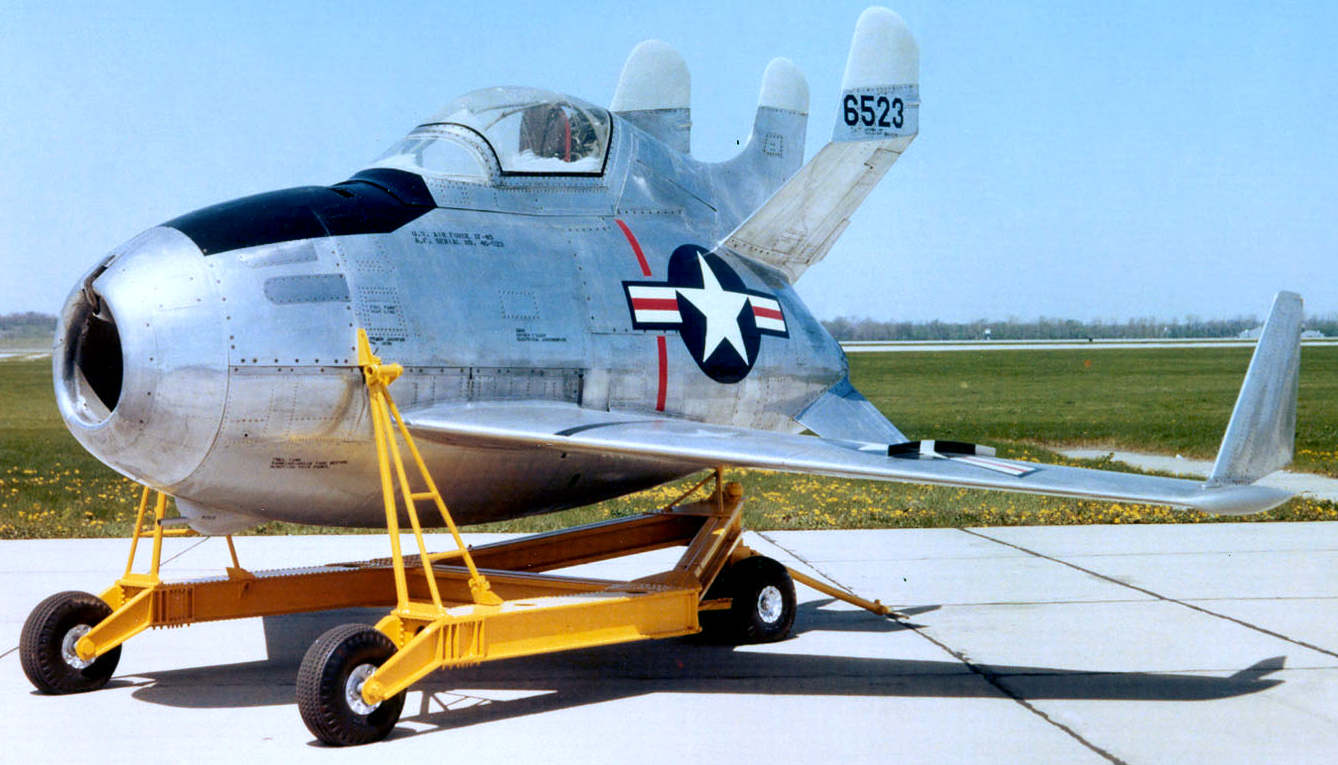
He was:
- extremely compact
- with short wings
- with an air intake right in the nose
In fact, it was the smallest jet fighter of its time.
His task was simple:
- to be ejected from a bomber
- intercept enemy aircraft
- go back
Launch and “docking” in flight
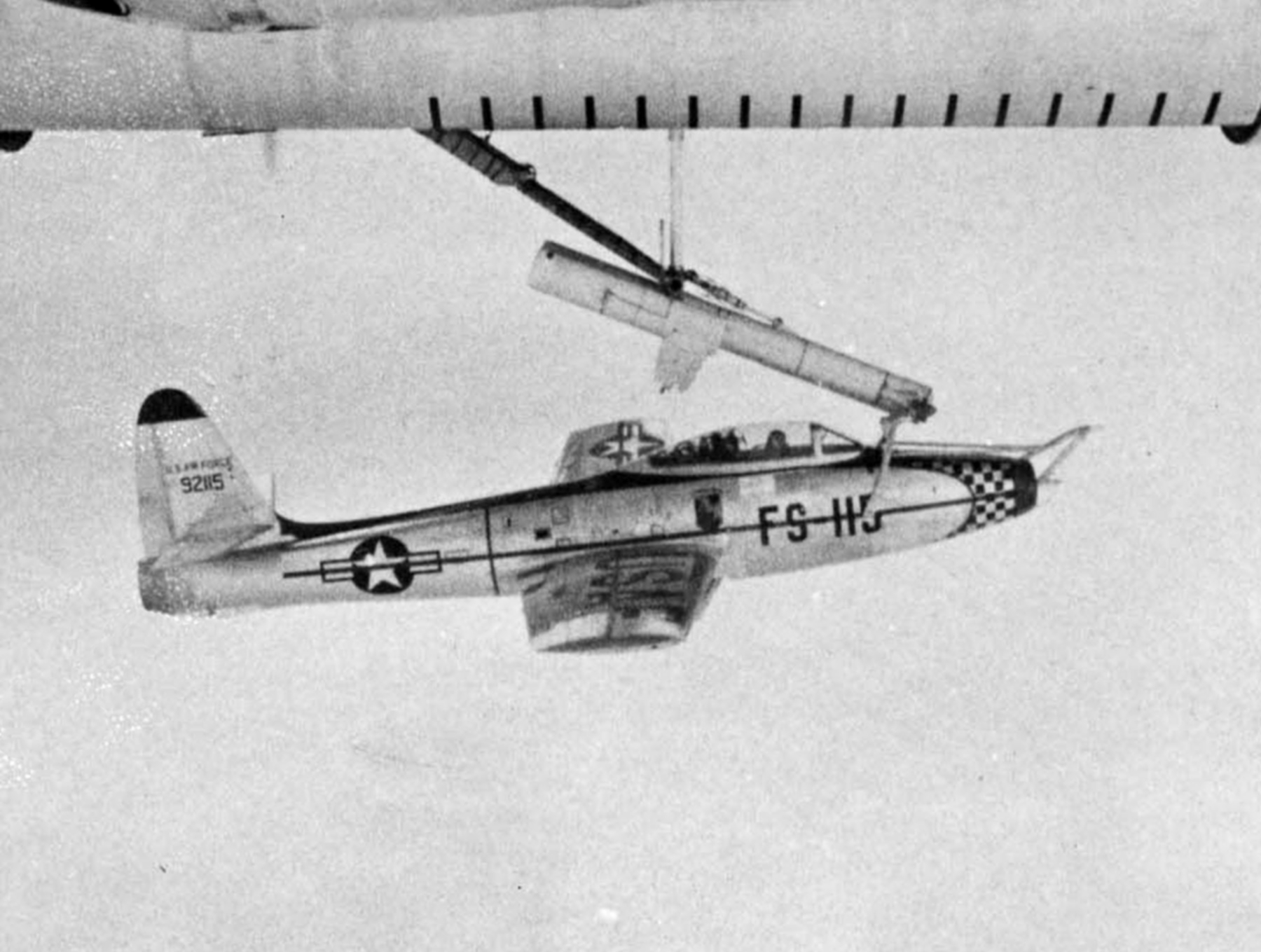
The process went like this:
- The bomber released a special “trapezoid”
- The fighter jet detached and took off
- After the mission, the pilot was supposed to return
- hook onto the trapeze
- and be pulled back inside
In practice, this turned out to be an incredibly difficult task.
The turbulence caused by the massive bomber made the docking maneuver almost extreme.
Challenges and Issues

Key Issues:
The complexity of the docking
The pilot had to literally “hit the mark” in turbulent air.
Limited specifications
Its small size meant limited speed and armament.
Risk
Any mistake could have led to a disaster.
In one of the tests, the pilot was unable to dock and was forced to make an emergency landing.
Why was the project shut down?

Reasons:
The Emergence of In-Flight Refueling
The fighter jets are now capable of escorting bombers over long distances.
The Development of Jet Aviation
The new planes are faster and more efficient.
System Complexity
There are too many risks and technical issues.
As a result, the XF-85 project was canceled as early as the late 1940s.
An Airplane Ahead of Its Time
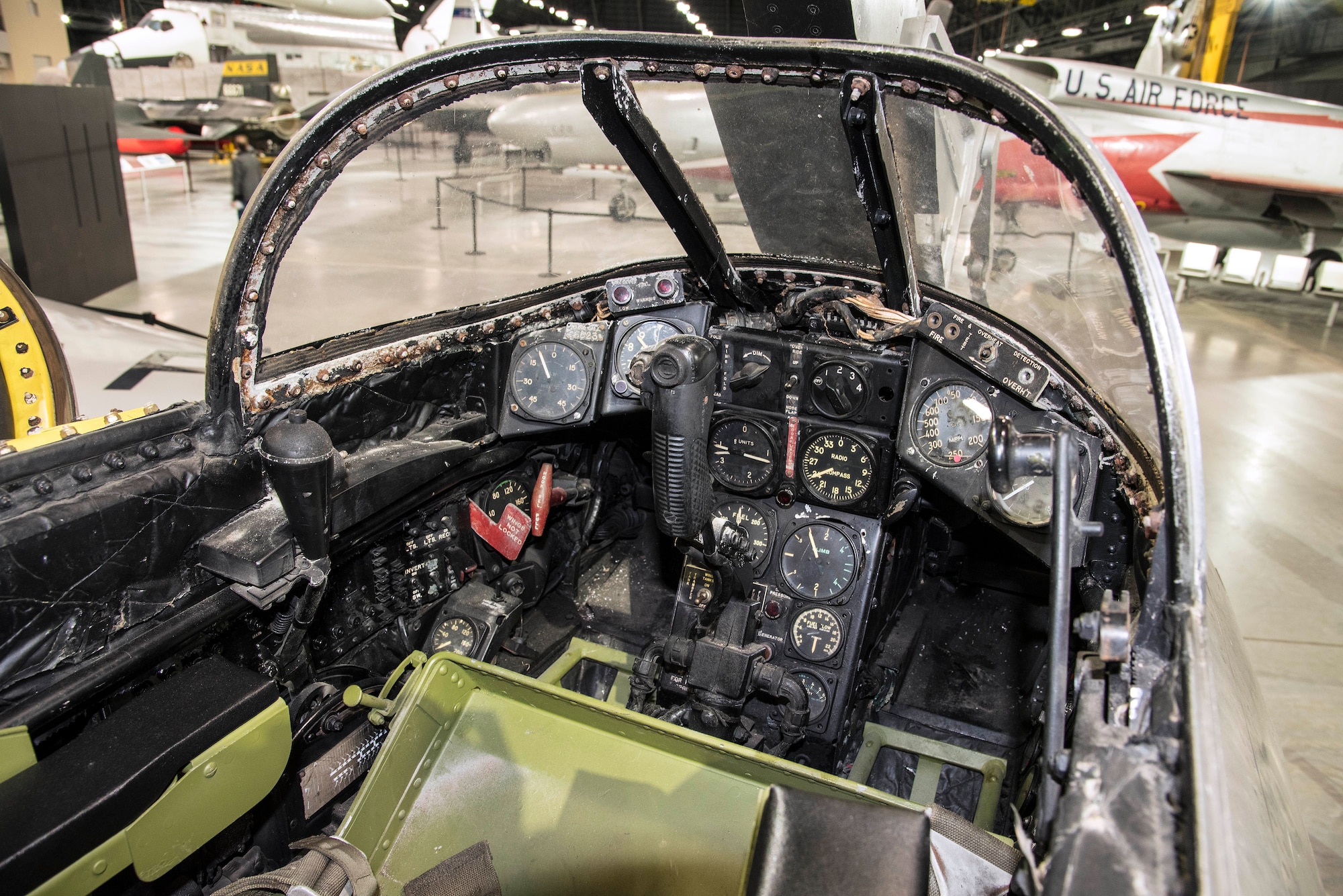
Although the “Goblin” never went into production, the idea of a “parasitic aircraft” did not disappear.
Similar concepts were studied later as well:
- aircraft-launched drones
- escort fighters inside the carriers
- Current “drone swarm” projects
The story of the XF-85 is an example of how engineers tried to solve a complex problem in an unconventional way.
And at some point, humanity actually built a fighter jet that
lived inside another airplane and took off right into the sky.