An article from the “5 Koleso” channel on Yandex Zen.
Contents:
Ask the first person you meet to name the main driving force behind humanity, and a technically savvy respondent will immediately say the RD-107 engine installed on the R-7 “Vostok” rocket. After all, it was that engine that sent humans into space! Someone with a background in the humanities would reply that, without a doubt, humanity’s main driving force is laziness. After all, it spurs inventors to come up with various mechanisms that make work easier. Without them, civilization as we know it today would be impossible. And it’s also thanks to laziness that remote controls were invented!
But an idea alone is not enough to bring it to life. After all, carrying out a massive project—such as building a hydroelectric dam—requires moving a considerable amount of construction materials and generating a great deal of energy. Therefore, of course, humanity’s top priority has always been the creation of a physically real, powerful, and compact engine. Imagine how much easier and faster the construction of the Great Pyramids would have been if the ancient Egyptians had had even a steam engine at their disposal. But people did not discover the power of steam until much later—in the first century CE—and did not truly harness it until a full one and a half thousand years later, in the 17th century. After that, over the course of two centuries, steam gradually became the primary driving force of progress.
Early Experiments
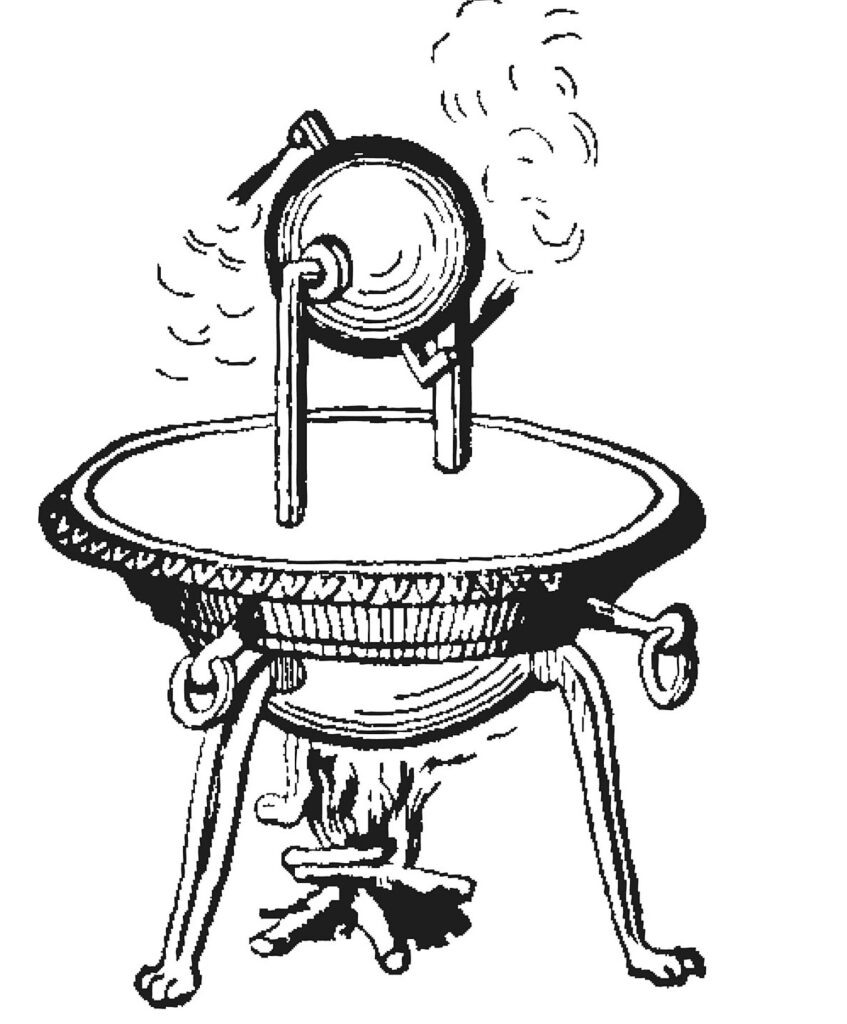
It all began in the year 62 CE, when the Greek inventor Heron of Alexandria introduced a device called the aeolipile (Heron’s turbine). A hollow sphere with two steam-supply tubes rotated due to the reactive force of a jet ejected from one or more nozzles. However, Heron’s device was regarded as nothing more than a toy, since it had no practical application.
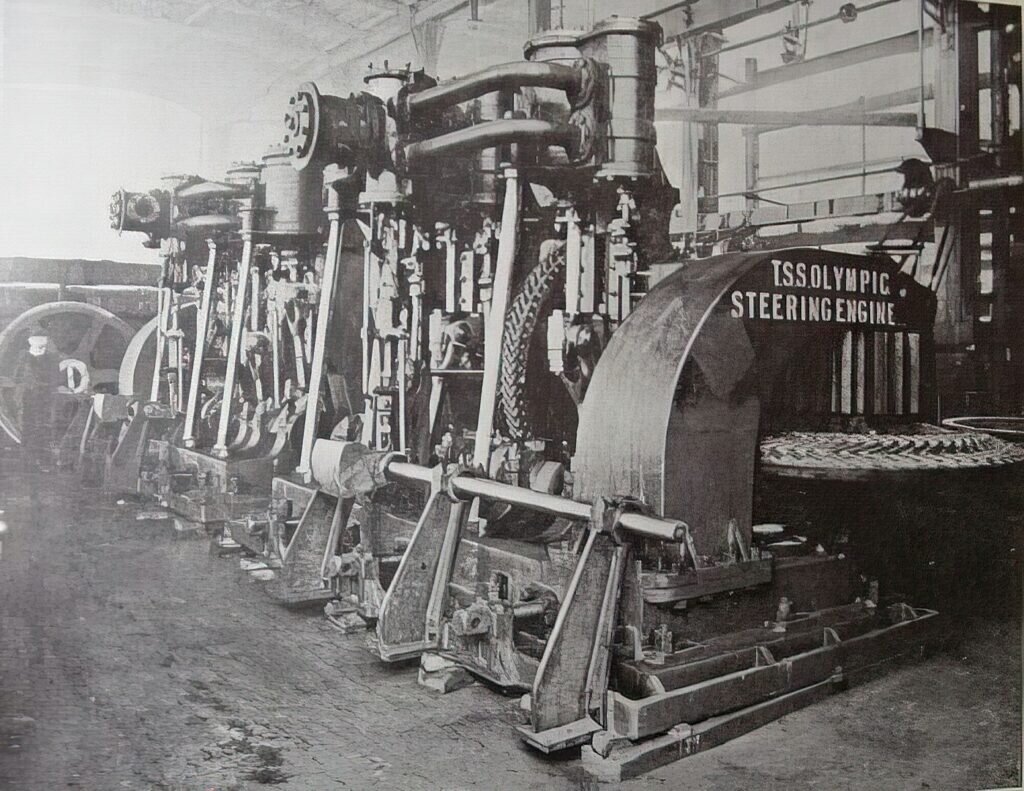
Functioning steam turbines were invented in 1894 by Charles Parsons, and soon afterward, power plants emerged that not only brought electricity to city streets, homes, and factories, but also conquered the seas and oceans. For example, on the infamous Titanic, the power plant included a steam turbine in addition to two classic four-cylinder triple-expansion engines.
Engineers, industrialists, and transportation professionals, recognizing the potential of this innovation, devoted significant effort and resources to improving it. Drawing on the latest discoveries and advances in thermodynamics, as well as cutting-edge developments in metallurgy and manufacturing technologies, they refined the new machine until it reached its current status: the dominant technology for electricity generation worldwide. However, as the size of a turbine decreases, its thermodynamic efficiency inevitably drops. For this reason, when it came to automobiles, designers turned to piston engines—which, incidentally, appeared before fully functional turbines.
Steam: The Engine of Progress
This technology was first put into practical use in the late 17th century, when Thomas Savery invented the steam pump to drain water from mines. Shortly thereafter, Thomas Newcomen continued this line of research, creating the “atmospheric engine,” in which a piston was connected to a long toothed rod and, via a rocker arm, drove a pumping mechanism.
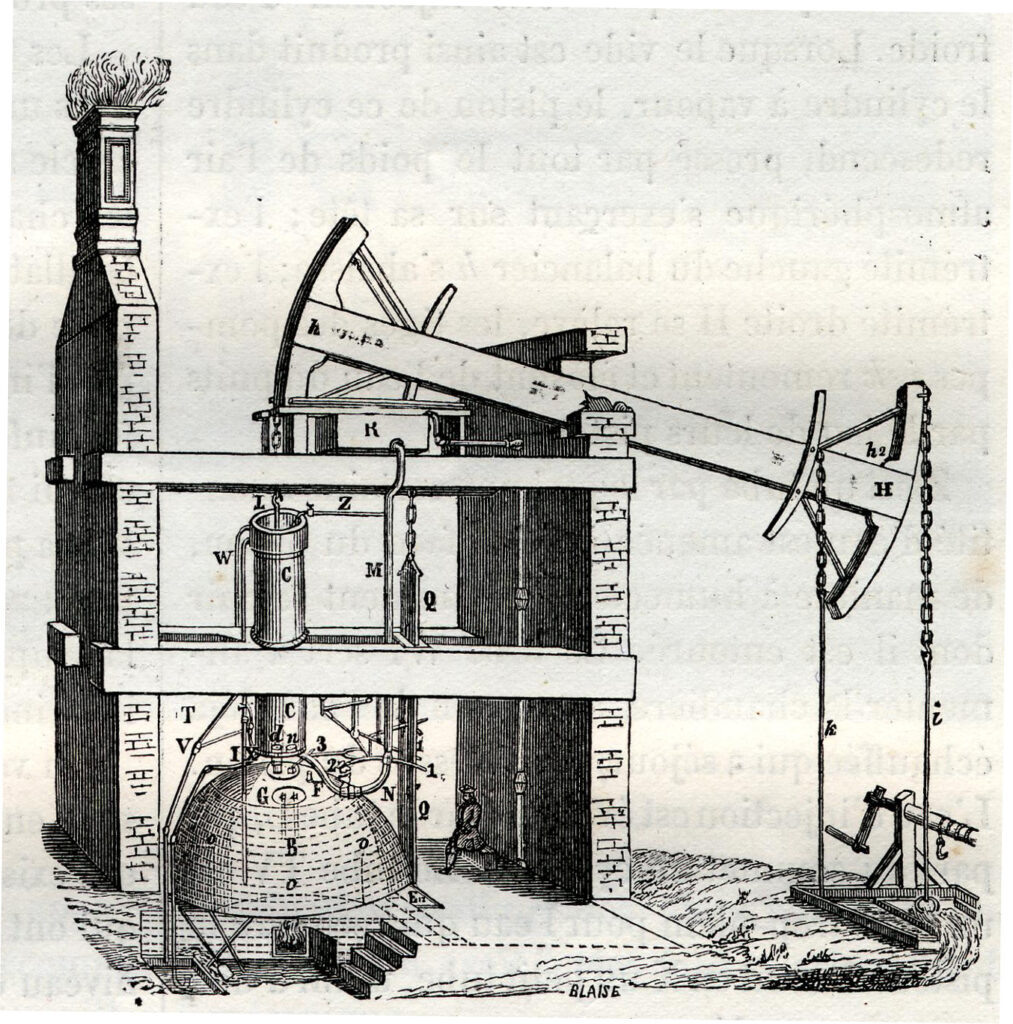
But it was only thanks to James Watt—the father of the steam engine, to be fair, who first encountered it while repairing one of Newcomen’s devices—that steam engines conquered both land (steam locomotives) and sea (steamships). Of course, their applications were not limited to industry and heavy machinery. It is believed that the first steam-powered vehicle was developed as early as 1672 by the Flemish Jesuit Ferdinand Verbiest.
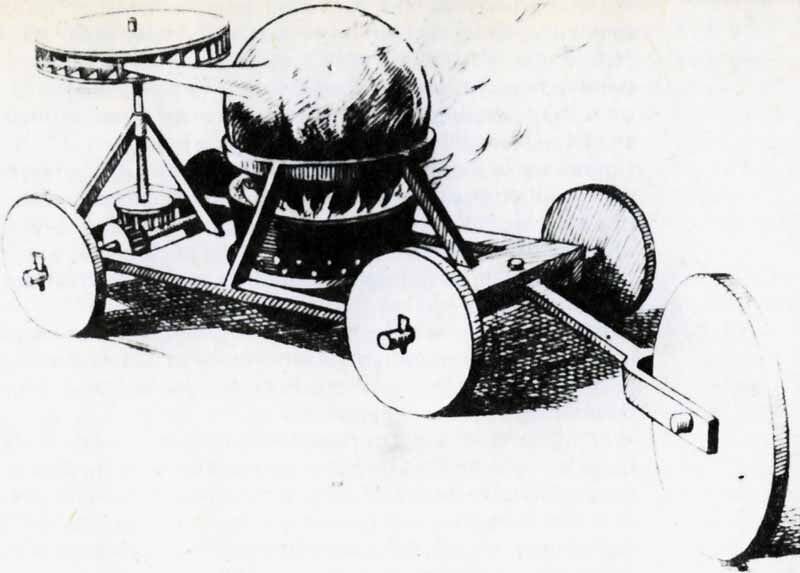
However, there is no evidence that his design was ever built. That is why Nicolas-Joseph Cugnot is considered the pioneer, having presented a self-propelled steam-powered cart in 1769—several decades before the first steam locomotive was built! Cugnot’s vehicle proved that the concept of a steam-powered mechanical carriage was viable.
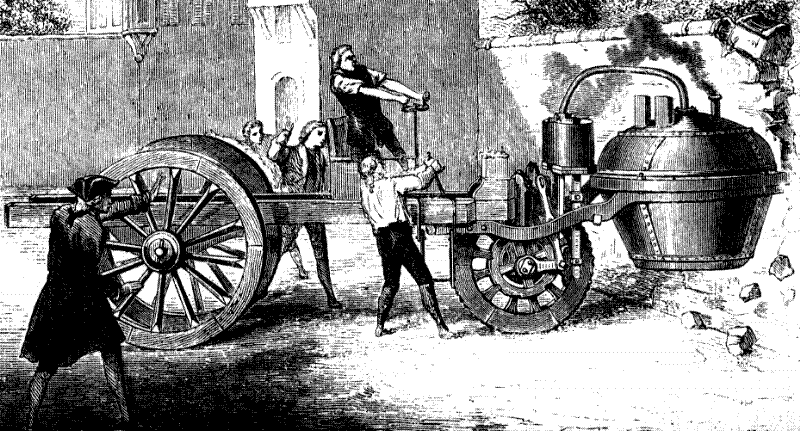
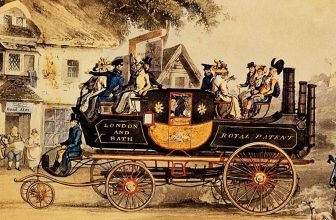
The gradual development of the concept of a vehicle capable of traveling on ordinary roads using steam power led to the emergence of omnibuses, trucks, and even passenger cars. In the 20th century, both American and Soviet engineers worked on bringing this idea to life. In fact, based on their technical specifications, the steam-powered vehicles that were developed seemed superior to their contemporary gasoline-powered counterparts!