Across our website, people often try to “correct” the fate of the Russian Empire through the figure of Nicholas II. Some insert time travelers from the future into his life, others marry him off to alternative brides, and still others replace him entirely with figures like Stalin or even Darth Vader. But it’s far more interesting to consider a scenario in which Nicholas Alexandrovich himself—while retaining his identity but receiving a different upbringing—consciously strives to become a second Peter the Great.
Contents:
The Rise of the Crown Prince
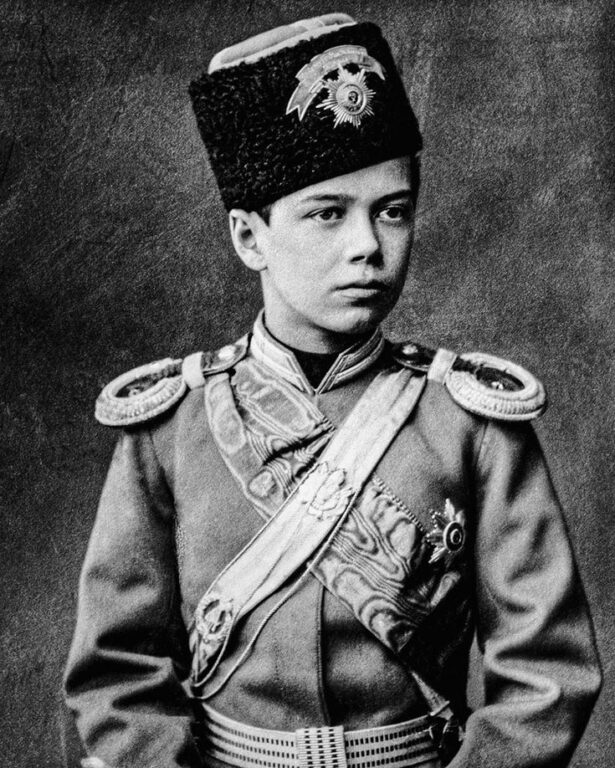
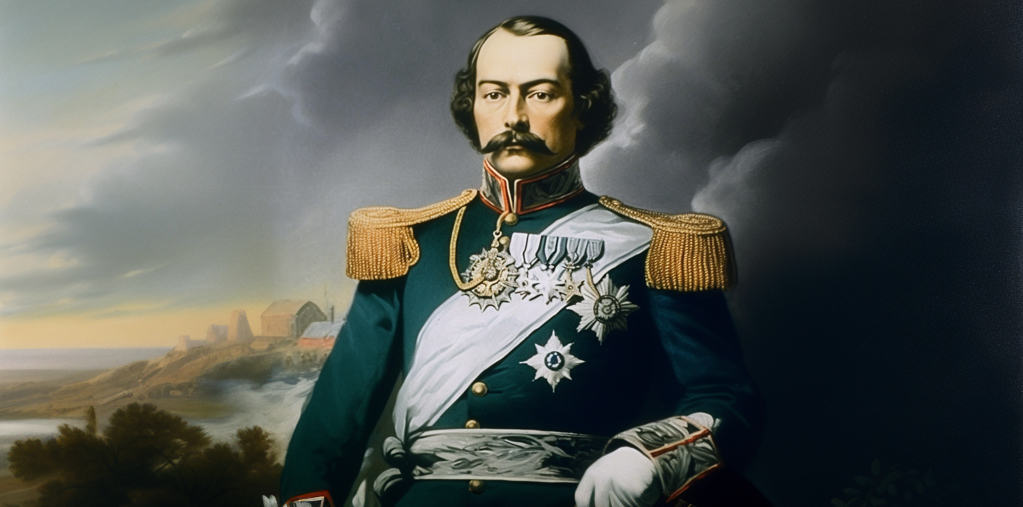
Crown Prince Nikolai Alexandrovich
The key distinction of this reality is the figure of the mentor. After the death of Alexander II, Dmitry Alekseyevich Milyutin, an outstanding military reformer—though removed from power—managed to win the trust of Alexander III. Thanks to this, it was he, and not the conservative General Danilovich, who became the young Tsarevich’s mentor.
Future historians, analyzing the empire’s downfall, often blamed Danilovich for “breaking” Nicholas’s spirit, making him withdrawn and indecisive. In this same reality, however, Milyutin’s influence proved stronger than even Pobedonostsev’s authority. Of course, this caused discontent at court, but Alexander III’s support and the heir’s own sincere affection allowed Milyutin to retain his position.
From childhood, Nikolai showed a keen interest in history, military affairs, mathematics, and the navy. Just as in real life, he received a well-rounded education, but here his passion for the natural sciences and practical knowledge was encouraged far more actively by his father. Even as a young man, he became a frequent visitor to Kronstadt, personally touring warships and gradually gathering around him a circle of like-minded individuals who were critical of the way his uncle—Grand Duke Alexei Alexandrovich—managed the navy.
Uninhibited and charismatic, Nikolai quickly won the affection of the guards and sailors. In informal gatherings with young officers and progressive nobles, he promoted the idea of reforms “from above,” arguing that only radical reforms led by the crown could prevent revolutionary chaos.
A circle of reformers, known as the “Nikolaev Nest,” formed around the heir apparent. It included people with a wide variety of views: Grand Duke Alexander Mikhailovich, who dreamed of a new fleet; Grand Duke Nikolai Nikolaevich the Younger, who envisioned the army of the future; future Vice Admiral Stepan Makarov, an innovator in naval affairs; the young Alexei Brusilov, whose ideas on tactics and troop organization were ahead of his time; General Mikhail Ivanovich Dragomirov, one of the leading military theorists; and other military figures.
But the changes were not limited to politics. To strengthen the alliance with France, Alexander III and Maria Feodorovna chose a bride for their son—Elena of Orleans, daughter of the Count of Paris. The young princess, who combined beauty, intelligence, and humility, won Nicholas’s heart. After the wedding and her conversion to Orthodox Christianity under the name Elizabeth, she became not merely his wife, but also an ally in his reform plans.
Accession to the Throne
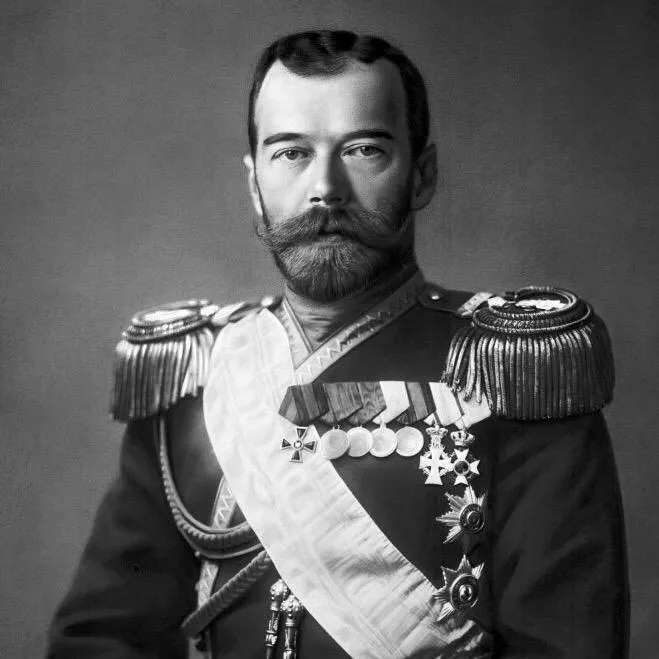
Nikolai’s coronation marked the beginning of great changes for Russia
Many members of the conservative nobility still hoped that the young crown prince’s free-thinking remarks—those conversations about reforms that, according to rumors, were often heard after copious libations among his inner circle — would disappear along with his dissolute lifestyle once he ascended the throne. However, their illusions were shattered on the day of the coronation, when the new emperor uttered words that would later find their way into every history textbook.
“I do not accept this crown for the sake of idle grandeur or empty splendor,” said Nicholas; his voice, usually soft, now sounded firm and clear. “Peter the Great cut a window onto Europe, but now we must erect sturdy frames around that window so that the winter winds do not chill our homes and the summer sun does not scorch our fields. “Russia will be strong as an oak, yet supple as a willow. We will preserve our roots, but our branches will reach out toward new heights.”
A tense silence hung over the hall. The elderly dignitaries exchanged glances—these words were unlike the traditional coronation vows. There was something new in them: not a rejection of their ancestors’ legacy, but not a blind adherence to tradition either.
“From now on, my will is the will of all Russia. But it is an enlightened will, not a capricious one. I will rule not as a master over slaves, but as a father over children, whose duty it is to lead them toward the light of knowledge and prosperity.”
That same evening, at a private dinner for his inner circle, Nikolai raised his glass and added, in a less formal but even more meaningful tone: “Gentlemen, we are embarking on the Great Reform. And may God help us not to repeat the mistakes of the past.”
These words, whispered from mouth to mouth, had the whole of St. Petersburg in an uproar by the very next morning. Some saw them as a harbinger of chaos; others, as a long-awaited dawn. Even then, behind-the-scenes talk was growing more frequent about reining in “the mad tsar who fancied himself a new Peter I.”
The Tsar’s Purge
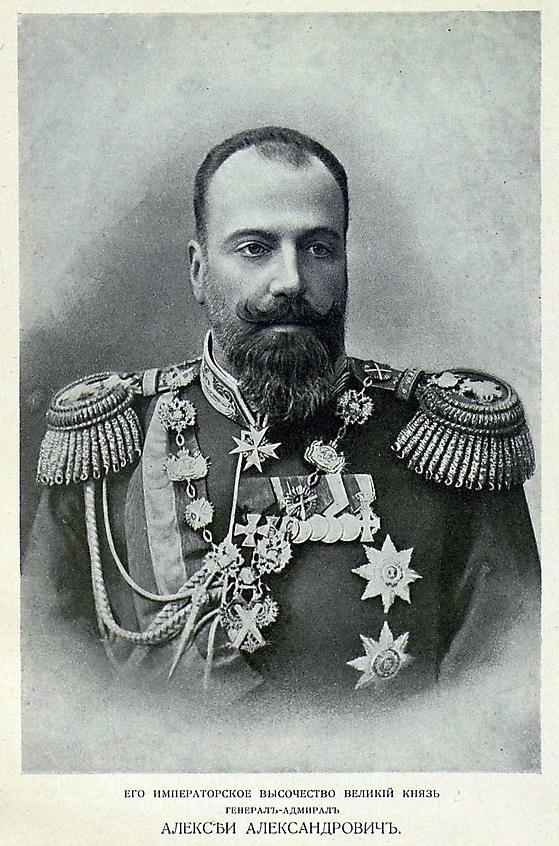
In this reality, Nicholas II’s reign began not with timid compromises, but with decisive personnel reshuffles reminiscent of Peter I’s methods. Conservative circles, who had hoped that the young emperor would settle down after his coronation, were sorely mistaken. Instead, Nicholas launched a massive purge of the government, the army, and the navy, shocking the old elite.
The first victim of the reforms was Grand Duke Alexei Alexandrovich, Nicholas’s uncle, who for decades had been regarded as a symbol of corruption and incompetence in the navy. Under the pretext of numerous complaints from officers, he was dismissed, and Stepan Makarov—an innovator who had already made a name for himself in the Kronstadt circle of reformers—was appointed to replace him. Nicholas set a clear task for him: the complete modernization of the fleet, including the transition to battleships, the development of submarine construction, and the reform of the sailor training system.
The old Admiralty clique took this as a declaration of war. Attempts to sabotage Makarov’s appointment through court intrigues (including pressure exerted through the widowed Empress Maria Feodorovna) failed—Nicholas demonstratively supported the new head of the fleet, declaring: “Russia needs ships, not thieves.”
In the army, the reforms were even more drastic. Dmitry Milyutin, Nikolai’s former mentor, was promoted to field marshal, but concentrated real power in the hands of his protégé, General Dragomirov. The latter launched an unprecedented purge of the command structure:
— Dozens of generals implicated in embezzlement or known for their inaction have been removed from their posts.
— Annual inspections of units, including unannounced inspections, have been implemented.
— Officer training courses modeled after the Prussian system were established, with an emphasis on tactics and technical proficiency.
The reaction was predictable: the offended generals accused Dragomirov of “undermining army traditions” and even tried to appeal to Nicholas through his mother. However, contrary to expectations, the emperor did not back down. In a private conversation with Milyutin, he remarked, “If these gentlemen love traditions so much, let them go work in museums.”
The first serious mistake of the new regime was the Khodynka disaster during the coronation celebrations. The stampede, which claimed hundreds of lives, was caused by the negligence of the organizers—the Governor-General of Moscow, Grand Duke Sergei Alexandrovich, and the Minister of the Court, Vorontsov-Dashkov.
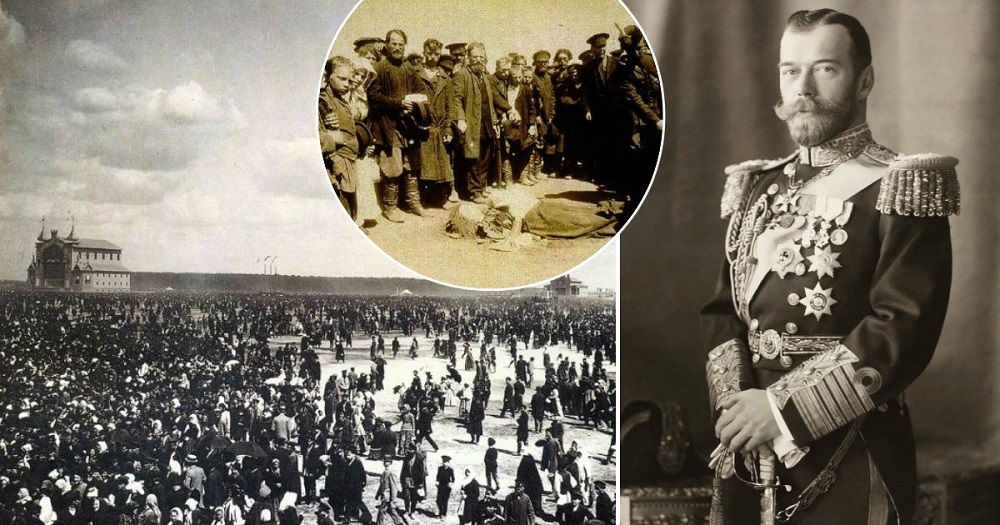
Contrary to the tradition of covering up such incidents, Nicholas publicly named those responsible and dismissed them. This shocked the court: even Alexander III had preferred to sweep such scandals under the rug. The emperor’s decision intensified the conservatives’ discontent but won the sympathy of the liberal public.
Aware of the growing resistance, Nicholas made two strategic moves: He strengthened the security unit, tasking it not only with surveilling revolutionaries but also with monitoring officials and the nobility. Under the personal leadership of Vyacheslav Konstantinovich von Plevé, St. Petersburg was flooded with agents, and through him, weekly reports on all the political intrigues surrounding the imperial court were delivered to the emperor’s desk.
Nicholas began to systematically promote the following groups to the highest echelons of power: young officers (graduates of the reformed military academies), moderate monarchists from the zemstvos, and representatives of the bourgeoisie. Nicholas increasingly provoked discontent among a wide variety of factions in the imperial capital, which is why the tsar actively strengthened and generously rewarded the Guards units loyal to him. Mindful of the fate of Paul I, Nicholas Alexandrovich always wanted to have loyal troops at his disposal who would crush any coup. St. Petersburg was in an uproar: whereas under Alexander II the “elites” had at least pretended to consult with society, now the regime resembled a steamroller. Because of his harshness, Nicholas earned the nickname “Nicholas II Palkin”—a reference to the methods of his ancestor, Nicholas I.
The Great Reforms
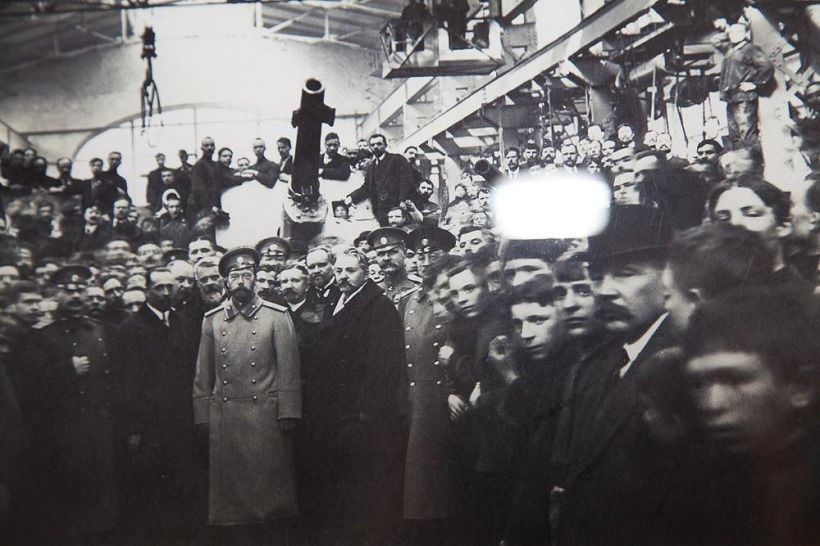
Nikolai-Peter became the driving force behind Russian industrialization
But there was also good news in store for Russia. Nicholas II threw himself into reforming the country with redoubled energy. The promising Sergei Yulievich Witte was appointed Minister of Finance and, concurrently, Chairman of the Committee of Ministers. Later, in private conversations with the family, he would repeatedly complain about the young emperor’s excessive initiative, as the emperor sought to radically transform Russia, often defying logic and constrained budgets.
One of the key achievements of this era was the monetary reform of 1897, carried out under the leadership of Sergei Witte. The main goal of the reform was to strengthen the ruble by introducing the gold standard and attracting foreign capital to infrastructure projects in Russia. At the same time, contrary to Witte’s opinion, the tsar retained control over the activities of foreign investors, ensuring that the Russian state retained ownership of the majority of shares in various enterprises.
Accelerated railway construction began in Russia. In addition to speeding up the construction of the Trans-Siberian Railway, Nicholas initiated the construction and expansion of numerous other railway lines, including the Murmansk Railway in the far north, the Amur Railway to strengthen Russia’s presence in the east, and the modernization of existing rail lines.
The emperor was sincerely committed to resolving one of the country’s most complex issues—the land question. In 1900, redemption payments were finally abolished. In the absence of a viable alternative, Nicholas began attempting to resolve the land issue through mass resettlement to Siberia. The new package of reforms called for the dismantling of communal land ownership, the creation of a class of peasant landowners, the development of farmsteads and smallholdings, and the resettlement of peasants to sparsely populated regions of Siberia and the Far East.
Nicholas also sought to launch a decisive wave of industrialization in Russia, although it was limited by the capabilities of the time. The emperor decided to focus, at the very least, on building a powerful military-industrial complex, believing that Russia could not sustain its growth without a strong army. Construction began on new factories, and existing ones—which produced gunpowder and ammunition—were expanded; mass production of machine guns, cannons, and howitzers was launched. New military academies were opened, army supplies were increased, the command structure was modernized to meet contemporary requirements, and foreign patents were purchased on a massive scale.
Witte tried every possible means to plug the budget gaps caused by these projects by establishing monopolies (such as on alcohol), attracting private capital, establishing joint-stock companies such as “Russoneft” and “Uralstal”—selling 49% of their shares to foreign investors—and introducing new taxes, excise taxes, and loans.
Efforts were also made to address labor issues. On June 2, 1897, the law “On the Duration and Distribution of Working Hours in Factories and Plants” was enacted. This law set the maximum workday in factories and plants at 11.5 hours for men, and at 10 hours for night shifts, as well as on Saturdays and the days before holidays. Gradually, during Nicholas’s reign, the law was refined, working hours were reduced, wages were raised, state-controlled labor unions were established, and the creation of cooperatives and insurance organizations was encouraged.
By decree of Emperor Nicholas, work began on drafting and gradually implementing a bill to introduce universal primary education. There was a significant increase in investment in the construction of new schools and universities, as well as a rise in the percentage of the literate population.
And Once Again, the Battle for the Sea
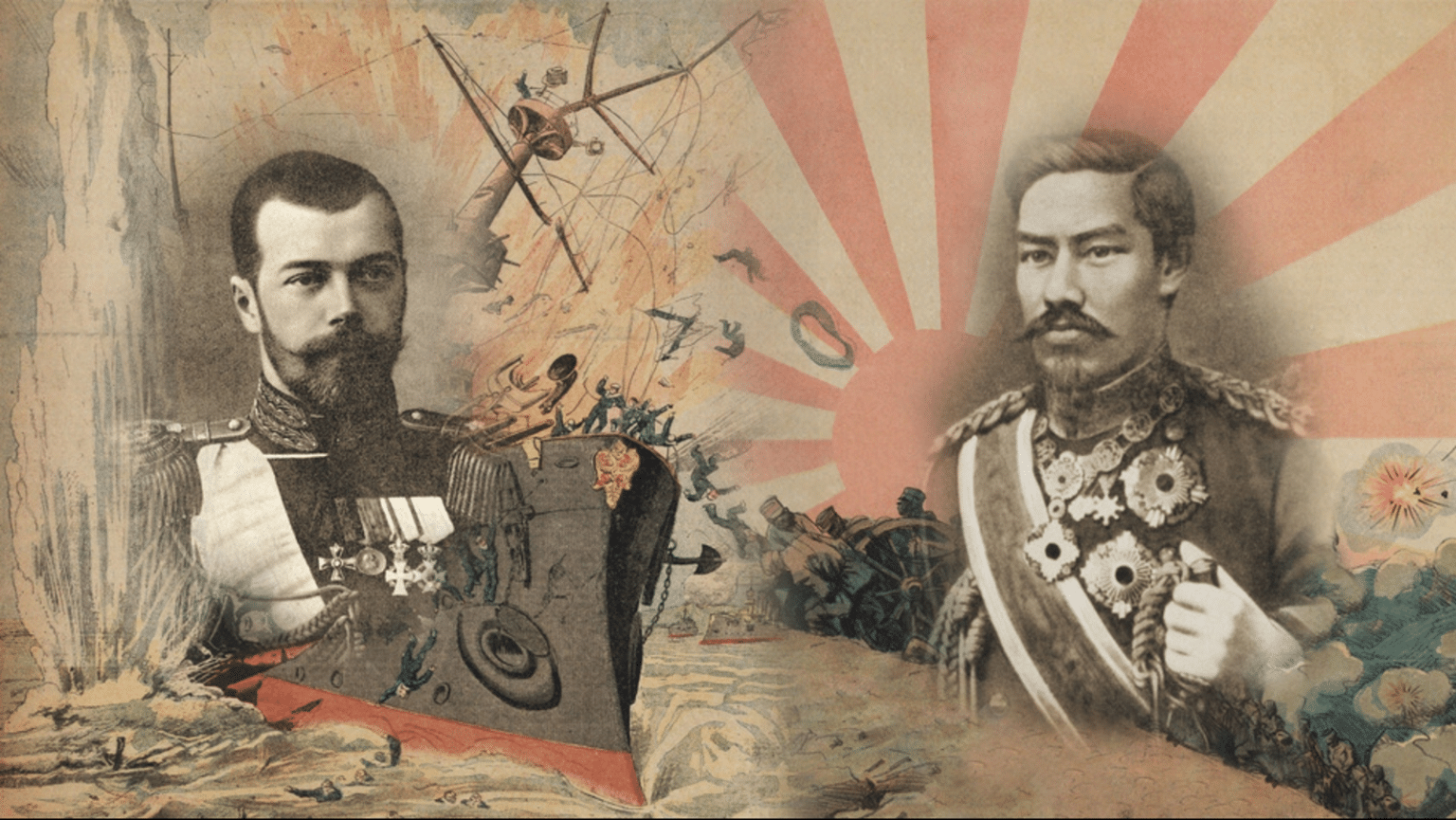
In October 1900, when Russian troops, as part of an international contingent, were suppressing the Boxer Rebellion in China, Nicholas II issued an order not merely to occupy Manchuria, but also to begin systematically consolidating Russia’s position in the Far East. Unlike in actual history, where the Russian presence was temporary, the emperor acted with cold strategic calculation—year after year increasing the military contingent, erecting modern fortifications around Port Arthur, and laying steel railroads deep into Manchuria.
By the end of 1903, Russian intelligence had obtained irrefutable evidence: Japan had completed its preparations for war and was merely waiting for the right moment. Moreover, agents had managed to pinpoint the date of the attack with near precision. Upon learning this, Nicholas II made a decision that shocked his ministers—he would personally take command of the defense on the ground. “If Peter cut a window to Europe, then we will open a door for Russia to the Pacific Ocean,” he declared at his farewell audience.
The imperial train raced along the newly laid tracks of the Baikal Railway, passing through areas where, just a year earlier, cargo had been transported by ferry. In Vladivostok, Nicholas was met by Admiral Makarov, who had brought additional squadrons from the Baltic, and General Brusilov, who had managed to regroup his troops within a month.
On January 26, 1904, Admiral Togo’s attempt to launch a surprise attack on Port Arthur failed. Minefields laid in advance and vigilant patrols thwarted the Japanese plans. The very first night battle ended with the loss of two Japanese cruisers—an unprecedented success for the Russian fleet.
By August 1904, having consolidated his positions in Manchuria, Nicholas II, at Brusilov’s suggestion, launched a massive offensive. While the navies were evenly matched, the Russian army gained an overwhelming advantage on land. By January 1905, Russian troops had cleared Manchuria, captured Pyongyang, and advanced to the 38th parallel in Korea, threatening to encircle Seoul.
Japanese newspapers screamed about an “invasion of barbarians,” while England and the United States demanded an end to the “aggression.” The occupation of Manchuria was still tolerated, but Russia’s access to Korean ports sparked an international uproar.
The price of victory proved to be high. The war had depleted the treasury. Upon his return to St. Petersburg in 1905, Nicholas II faced a revolutionary threat. “We have bought victory, but continuing the war will ruin the empire,” Witte stated grimly. The emperor, meanwhile, looking at the map of the new territories, pondered how to hold on to the conquests amid widespread exhaustion.
During the negotiations held under the auspices of Theodore Roosevelt, the United States supported Japan, not wanting Russia to become excessively powerful. The final treaty included:
— Withdrawal of troops from Korea (but recognition of Russia’s economic interests)
— Establishing Manchuria as a zone of exclusive Russian influence
— Refusal to pay contributions under U.S. pressure
Thus, at the cost of incredible strain, Russia established its dominance in the Far East. Nicholas II’s prestige soared to the heavens, paving the way for the creation of “Yellow Russia.” But an empty treasury and a troubling murmur of discontent within the country served as a reminder: great victories demand even greater sacrifices.
The Splendor of the Empire
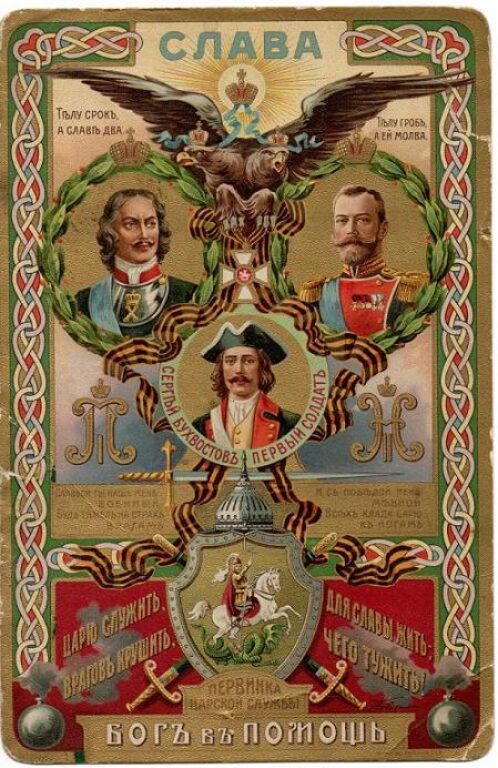
The Russian Empire succeeded in projecting the image of a highly successful state. Russia emerged victorious from the Russo-Japanese War, was experiencing a period of rapid industrial growth, and was seeing a massive resettlement of its population to Siberia and the Far East. The Russian army and navy earned a reputation as a powerful force undergoing constant modernization.
But behind the facade of grandeur, a crisis was beginning to unfold. Real incomes in Russia were falling, and the country’s foreign debt was rising. Thanks to certain concessions, foreign policy victories, and the activities of the secret police, the country managed to contain large-scale nationwide protests by the discontented, limiting itself to quelling local unrest with minimal bloodshed and targeted political repression by the tsarist regime.
Against this backdrop, the emperor was determined to actively continue domestic reforms. Witte, weary of Nicholas’s constant activity, resigned as head of the Committee of Ministers but retained his post as Minister of Finance. A restructuring of the government began in Russia: on the advice of his inner circle, the emperor appointed the well-known governor of Saratov, Pyotr Arkadyevich Stolypin, to the new position of Chairman of the Council of Ministers and Minister of the Interior.
Nicholas II personally entrusted the new, energetic minister with the task of stabilizing the empire’s economy and steering the reforms in the right direction. Stolypin’s appointment brought some stability to the Russian political landscape: Pyotr Arkadyevich was better able to handle Nicholas’s pressure and more accurately discern the direction of his wishes. Gradually, the empire’s budget began to stabilize, and the policy of resettlement from the European part of Russia took on a more systematic approach. The emperor’s fantastical plans to resettle tens of millions of people beyond the Urals and his large-scale infrastructure projects began to take on more realistic timelines and figures, and were systematically implemented.
Brusilov and Makarov continued to modernize the Russian army based on the lessons learned from the Russo-Japanese War. Work began on establishing the Russian military aviation force, the first attempts at mechanizing the army, and the Russian Navy’s shift from participating in the dreadnought race to building submarines and new types of destroyer squadrons. Various military innovations were encouraged in the Imperial Army, although they faced challenges related to industrial production in Russia.
By 1912, the Zheltorossk Governorate, the Uryankhai Region, and the State of Mongolia had been integrated into Russia. Russia actively promoted Orthodox Christianity in the new territories, and its resettlement policy expanded, including the lifting of the ban on resettlement in Turkestan.
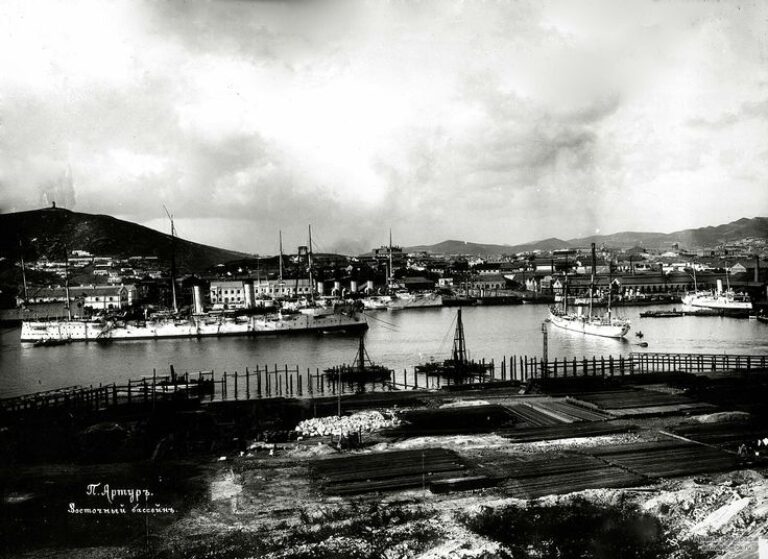
Port Arthur became Russia’s gateway to the East
Nicholas II traveled extensively throughout Russia, founded new cities and railroads, visited new enterprises, and provided sporadic support for the development of Russian science through personal contributions.
But even at that time, Nicholas II’s harsh policies were becoming apparent: Russia switched from the Julian to the Gregorian calendar for convenience. To resolve the land issue, a decree was unexpectedly signed nationalizing most church property in favor of the state, with subsequent redistribution among the peasantry. Alongside his policy of spreading Orthodoxy to new regions, Nicholas eased restrictions on other religious denominations, especially in the most peaceful regions of the empire.
At the same time, there was an assault on the self-governance rights of the national outlying regions. This was largely due to the rise of nationalist and revolutionary sentiments in these territories, which neither the tsar nor Stolypin could tolerate. A more controversial decision was the gradual lifting of restrictions on the Pale of Settlement. On the one hand, this reduced revolutionary sentiment and allowed for greater movement of capital within Russia; on the other hand, it drew criticism of Nicholas II from the conservative camp.
Russia faced its greatest challenge ahead—the prospect of a major European war, which threatened not only serious military conflicts but also profound internal changes.