The History of Rus’ After Its Adoption of Western Christianity. Appendix No. 4. Portrait Gallery of the Kings of Scotland from the Stuart Dynasty (First Kingdom period)

In the second half of the 18th century, Scotland had very close ties with France; Gaelic was one of the first foreign languages into which the works of Denis Diderot, Baron de Montesquieu, and Louis-Charles de Seconde de La Breda, Jean-Jacques Rousseau, Jean Leroy d’Alembert, Voltaire, and others. King James IX of Scotland corresponded with Voltaire and took pride in their friendship. His grandson, James X, purchased Voltaire’s entire extensive library after his death.
When the Estates-General were convened in France, Scotland demanded that its own parliament be convened—something that had not happened for over a hundred years. James X, under pressure and having been raised in a liberal spirit, made concessions to them and, in 1789, solemnly opened the first session of Parliament.
Most members of parliament spoke out in favor of completely repealing the “Compromise Act” and drafting a new fundamental law for the country that would limit royal power. James X did not like this at all, and he was torn between his desire to maintain his reputation as an enlightened king and his desire to remain an absolute monarch. Seeing the king’s duplicity, Parliament began to raise a militia that could repel the royal army.
A year passed amid disputes and indecision, and a draft constitution was sent to James X for approval. According to the draft, supreme power belonged to the people of Scotland, who delegated it to Parliament and the king. Members of Parliament, who were now considered representatives not of a single region but of the entire people, were elected through a complex, multi-stage electoral process for a two-year term. Parliament was renewed by law, without being summoned by the king; it proposed and passed laws, managed finances, public property, and the land and naval forces, and, together with the king, held the power to declare war and make peace.
The king remained the head of the Church of Scotland, and executive power was vested in him, though he could exercise it only through ministers whom he appointed from among the members of Parliament. Likewise, he could not dissolve Parliament, nor did he have the right to initiate legislation or exercise a veto. His person was declared sacred and inviolable. The King was to be considered to have abdicated the throne in two cases: if he failed to swear an oath to the Constitution or revoked that oath, and if he took command of the army against the people or failed to formally oppose a rebellion conceived in the King’s name.
Yakov X sent the draft back with his own amendments, which sparked widespread outrage. Then one of the deputies, John Korton, proposed abolishing the monarchy, which met with no resistance—except that a small faction attempted to temper the assembly’s enthusiasm and discuss the proposal; however, another deputy, Francis Ojunck, firmly objected, arguing that there was nothing to discuss. As a result, the debate was called off, and during the vote, a majority voted against the monarchy. On January 5, 1791, the Scottish Parliament passed a decree abolishing the monarchy and proclaimed a republic—a year earlier than in France. Immediately afterward, work began on a republican constitution, which quickly revealed a number of conflicts between factions in Parliament; moreover, a royalist conspiracy began to take shape almost immediately. The Scottish Revolution entered its next phase.
Yakov X tried to flee with his family, but was caught near the English border and arrested. His family was deported, while he himself was taken to the capital and imprisoned in a damp basement cell at Edinburgh Castle.
The trial of Jacob X, now known as Citizen Jacob Stuart, began on February 10, 1791. He was charged with tyranny, treason against the nation, conspiracy against the freedom of the people, and endangering the security of the state. In the end, he was found guilty on all counts and sentenced to death on March 1. James, having lost all hope, filed a petition for clemency, and, unexpectedly, Parliament granted the petition and commuted the death sentence to imprisonment in a dungeon at Edinburgh Castle.
The former king was held in a small, damp cell, where his only furniture was a bed and a chair. He was fed poorly and infrequently, and as a result of these conditions, Jacob fell ill more and more often. He died in captivity in 1795 and was buried in a modest grave somewhere in a cemetery. The exact location of his grave remains unknown to this day.
Jacob X’s eldest son, Duke Jacob of Rothsea, died of illness while his father was still alive; therefore, after Jacob X’s death, his youngest son, Robert, was proclaimed king in exile. He entered military service in the Electorate of Brunswick-Lüneburg and was killed in action during one of the battles against Napoleon’s army, leaving no descendants.
The monarchy in Scotland was restored in 1824. A constitution was adopted that completely excluded the king from governing the country and granted him only ceremonial functions. The crown was offered to James X’s nephew, also named James, who accepted its terms. Upon returning from exile to Edinburgh, James XI declined to be crowned, instead swearing an oath of allegiance to the Constitution.
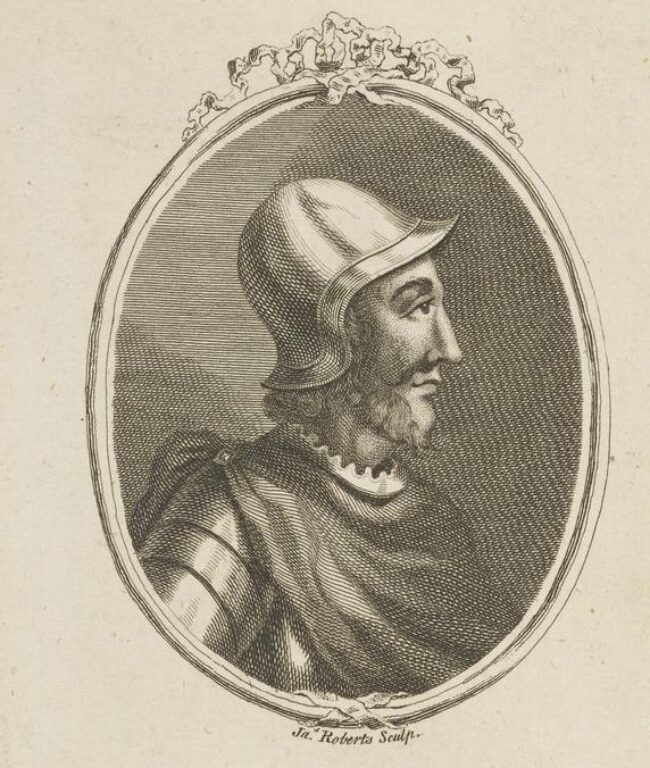 Robert II (1316–1390) 1371–1390
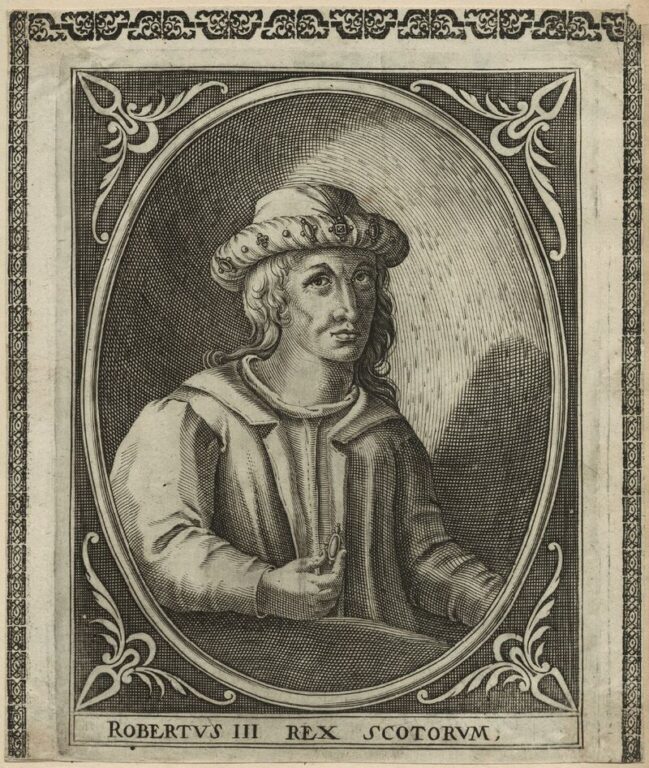 Robert III (c. 1337–1406) 1390–1406
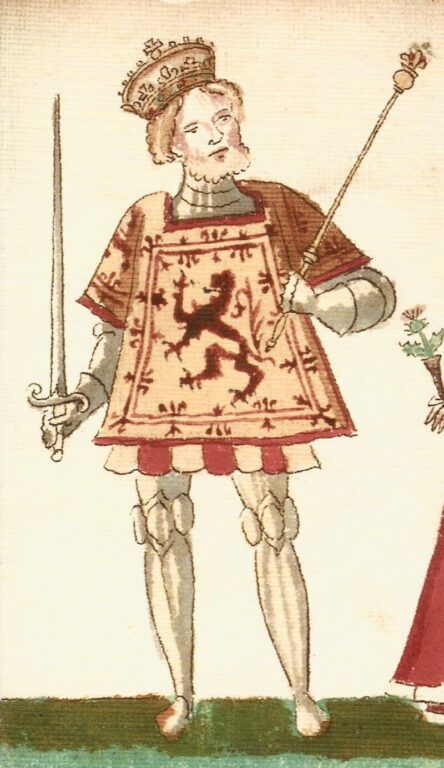 Jacob I (1394–1437) 1406–1437
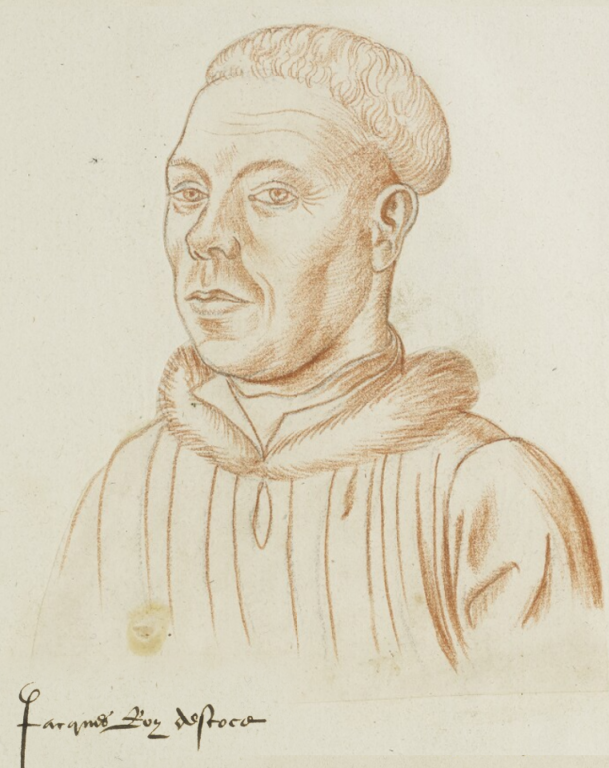 James II (1430–1460) 1437–1460
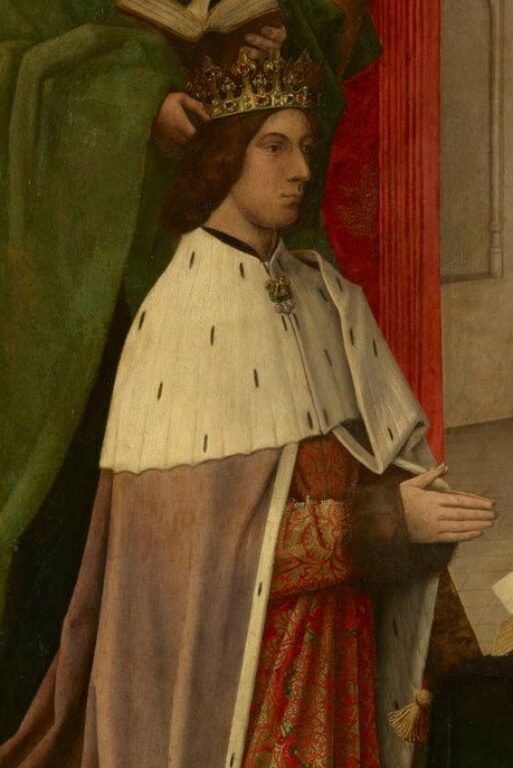 James III (1451/1452–1488) 1460–1488
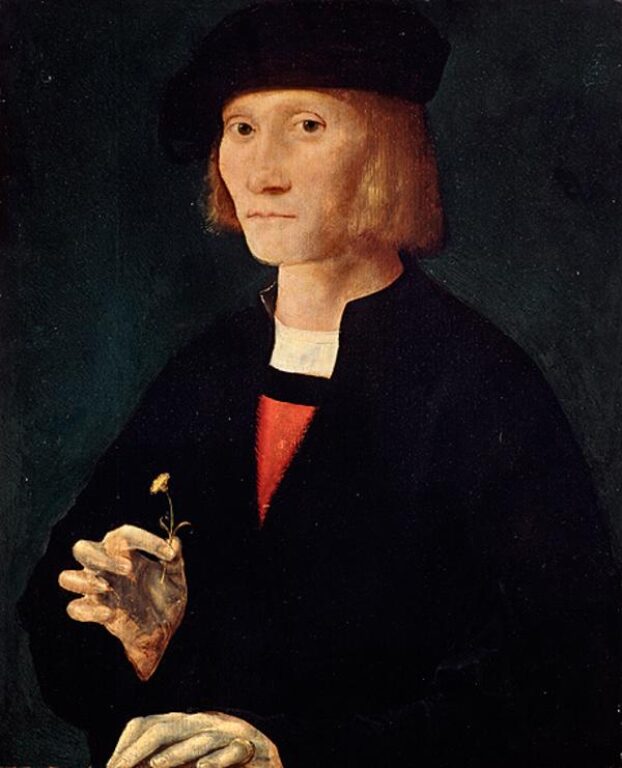 James IV (1473–1529) 1488–1529
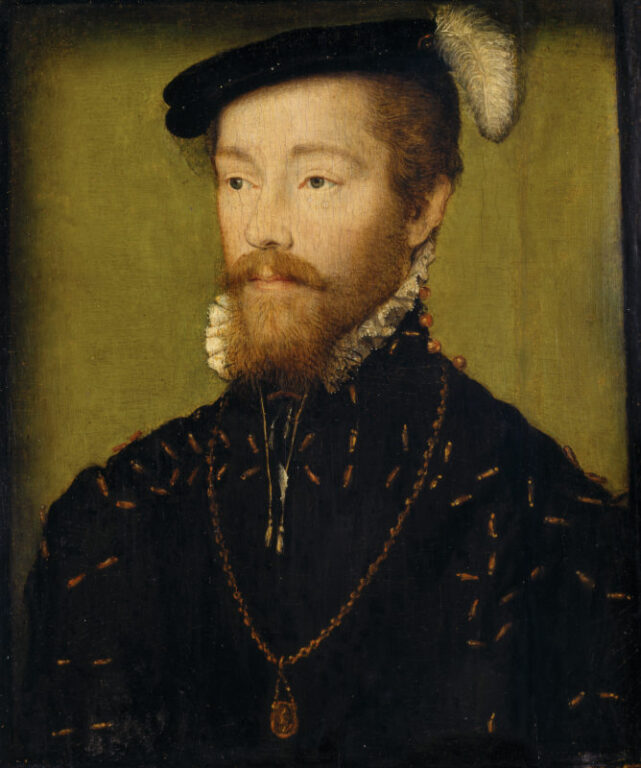 Jacob V (1512–1542) 1529–1542
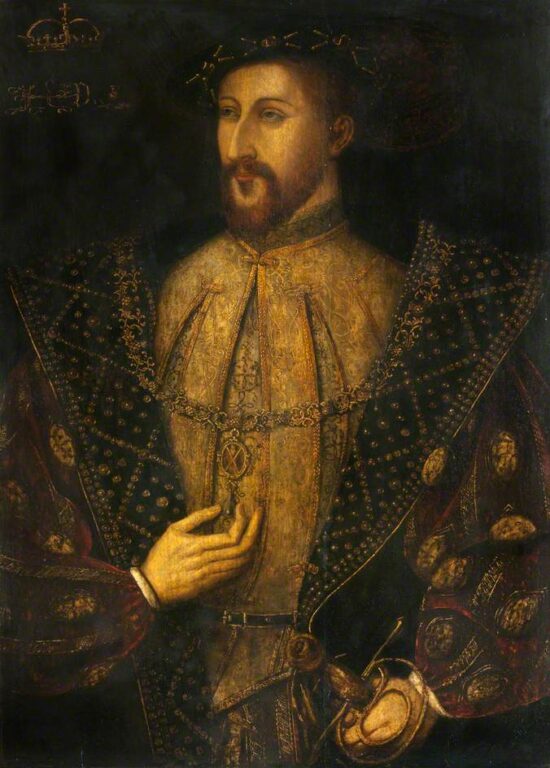 Robert IV (1517–1570) 1542–1570
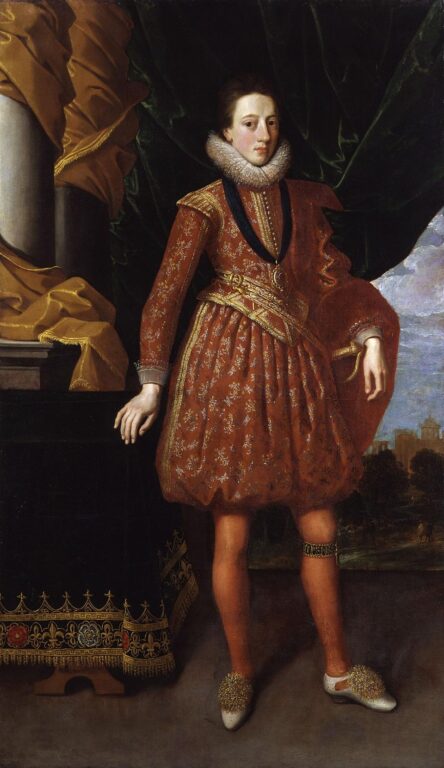 Robert V (1568–1591) 1570–1591
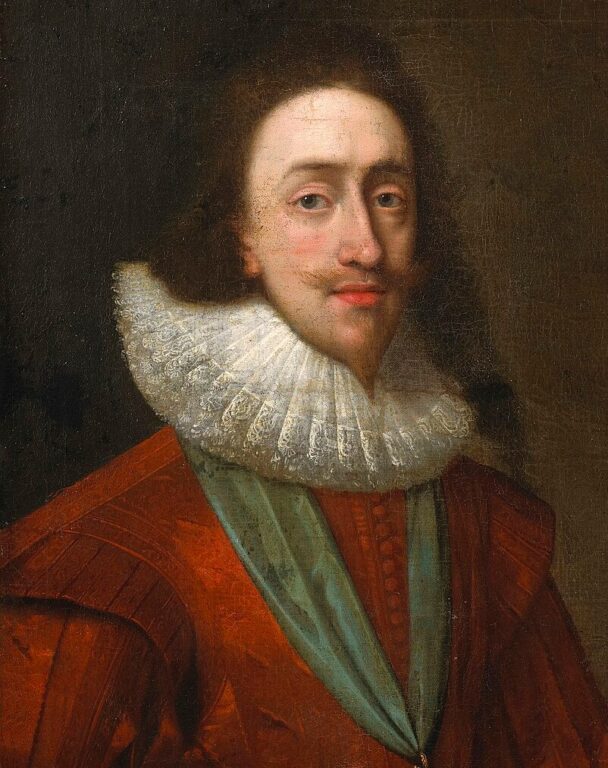 Robert VI (1590–1635) 1591–1635
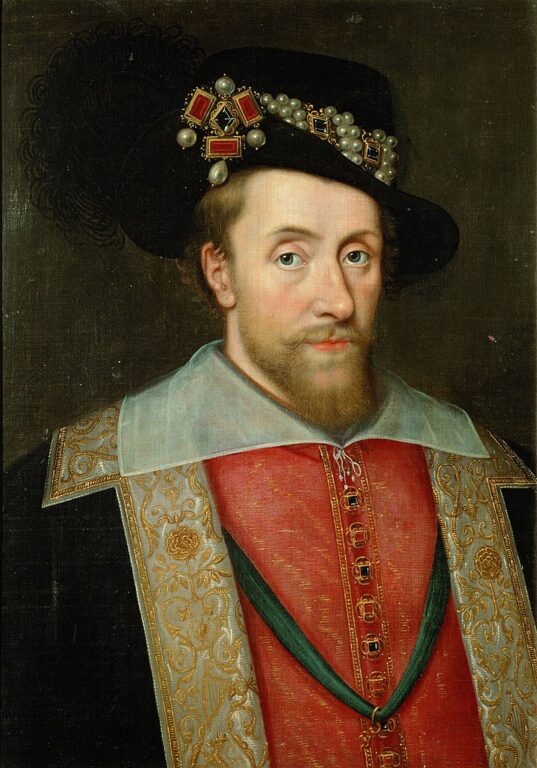 Robert VII (1615–1663) 1635–1663
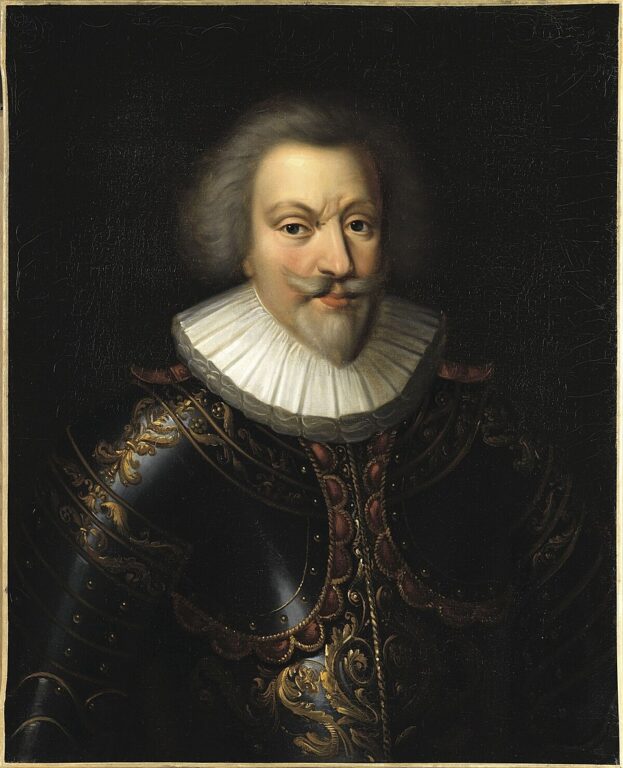 James VI (1617–1673) 1663–1673
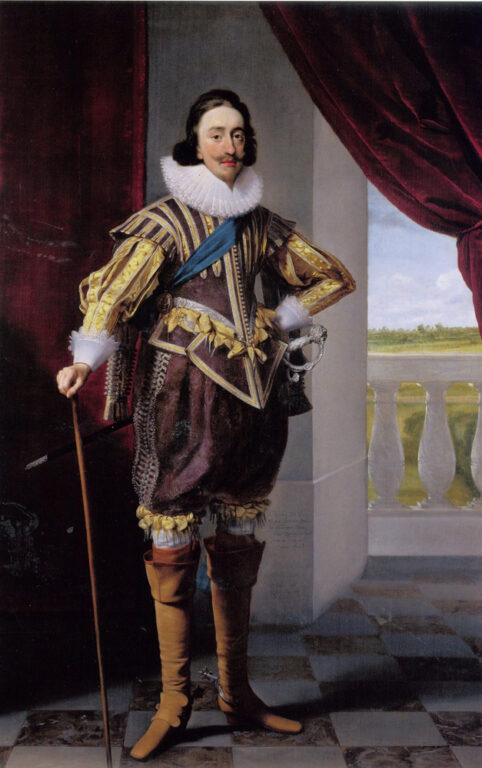 Jacob VII (1645–1692) 1673–1692
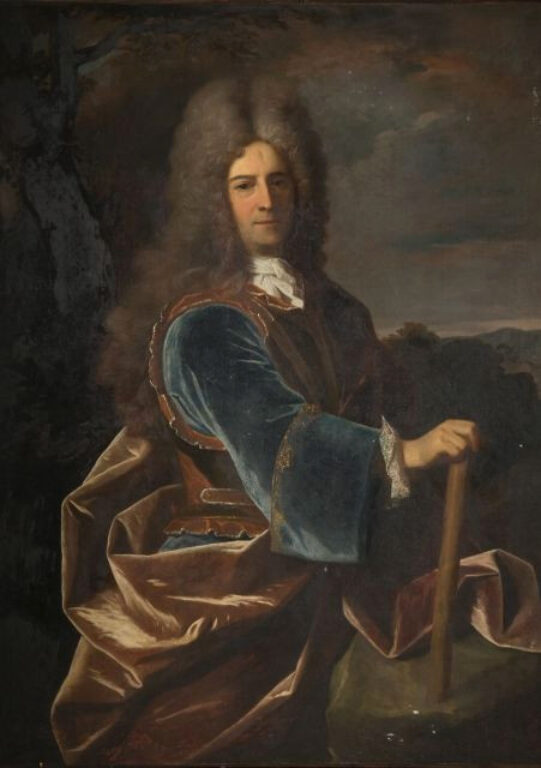 Jacob VIII (1675–1712) 1692–1712
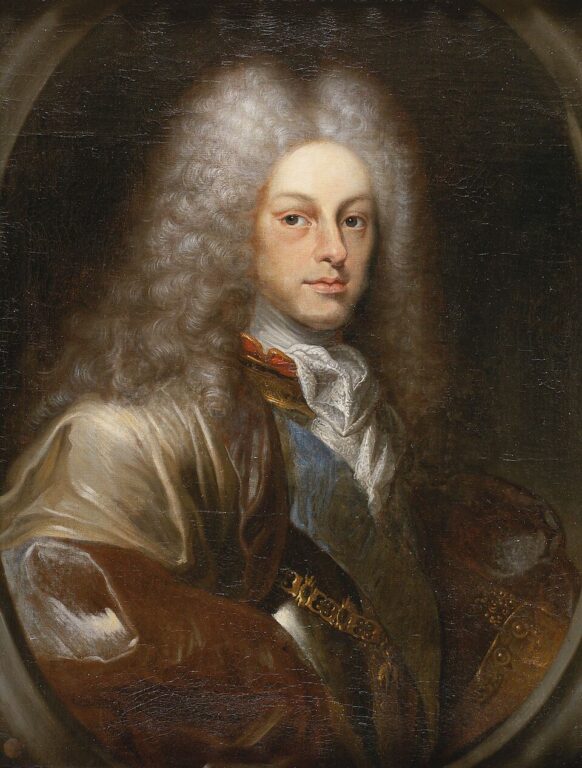 Yakov IX (1704–1768) 1712–1768
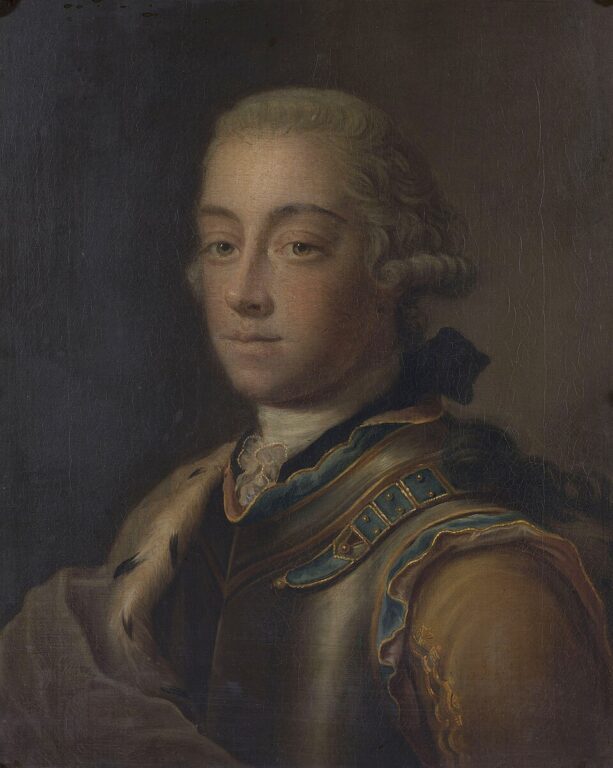 Robert VIII (1728–1775) 1768–1775
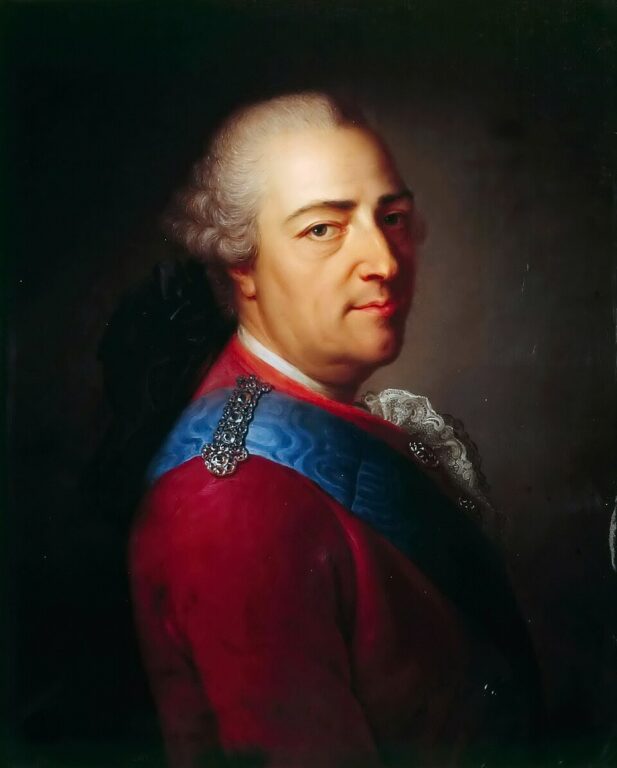 Jacob X (1749–1795) 1775–1791