The Bulgarian T-34-62. What if Bulgaria had produced the T-34?

After World War II, Bulgaria was among the countries seeking to rebuild and modernize their armies. Against the backdrop of the general militarization of the Eastern Bloc and the desire for technological cooperation with the Soviet Union, Bulgarian designers turned their attention to the T-34 tank, which had already proven itself to be a reliable and effective combat vehicle. In the 1950s, Bulgaria began production of the T-34-85 variant. But soon, local engineers began to envision an even more powerful tank.
Contents:
Experiments and Modernization
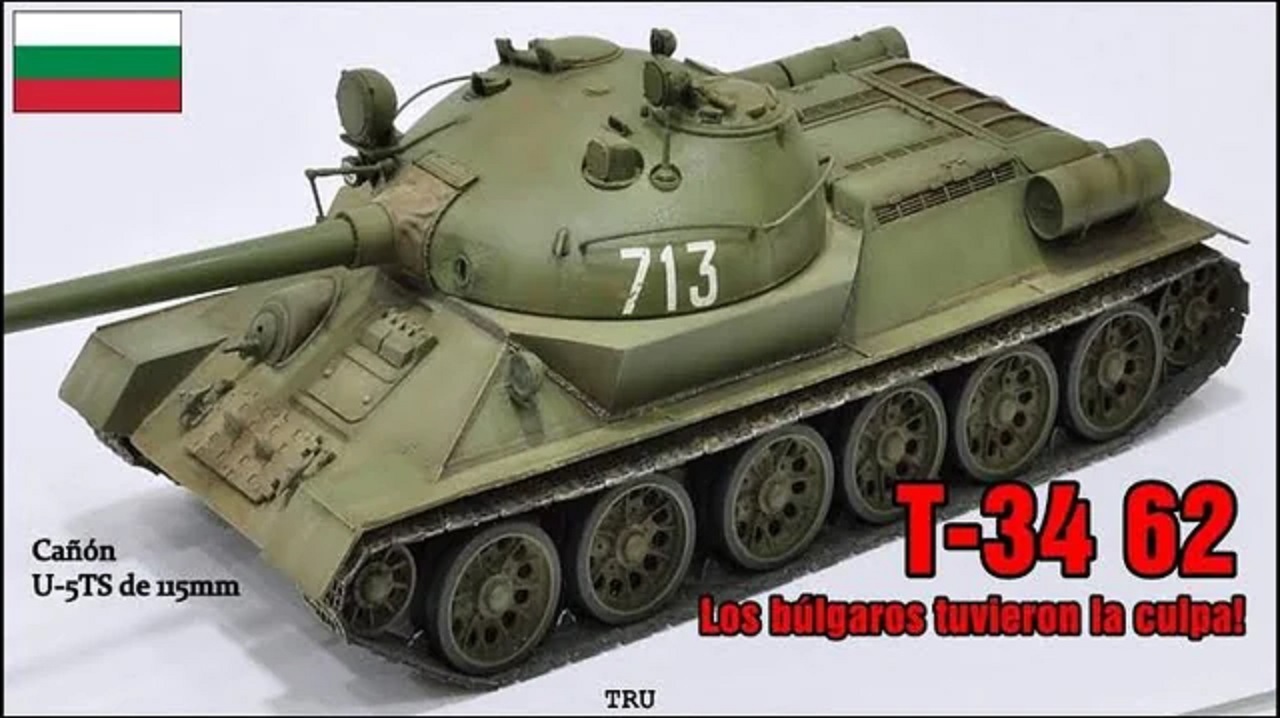
In the 1960s, Bulgarian military experts began experiments to mount the more powerful 115-mm gun from the T-62 tank onto the T-34-85 chassis. Initial tests showed that the standard suspension could not handle the tank’s increased weight resulting from the installation of the powerful gun. Consequently, all of the modified tanks were used as stationary firing positions.
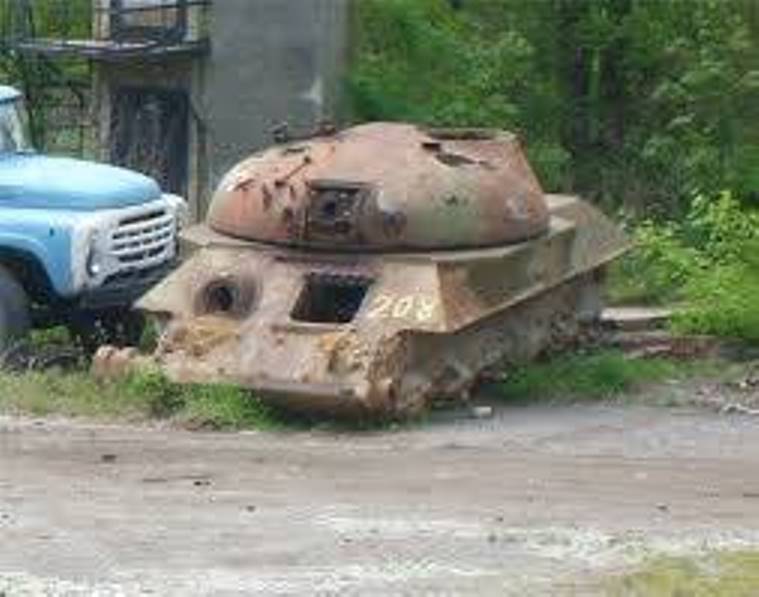
A Bulgarian pillbox based on a T-34 with a T-62 turret (quite a unique design)
Bulgarian designers didn’t lose their composure—they developed an improved version of the hull, increasing its dimensions and adding additional road wheels to the sides. This modification significantly improved the tank’s performance and stability on the battlefield.
The tank resulting from these efforts was named the T-34-62. It combined the familiar features of the T-34 with a new, powerful gun, making it a competitive and attractive alternative to the T-62.
Benefits and Applications
However, the T-34-62’s main advantage was its price. Production costs were significantly lower than those of the T-62, making it affordable for the Bulgarian army and potential buyers abroad. Its high firepower combined with a relatively low cost made the tank popular not only in Bulgaria but also in other countries, especially in Africa, where a market for more affordable armored vehicles had emerged.
Bulgarian tank crews quickly recognized the advantages of the new vehicle. The T-34-115 demonstrated excellent maneuverability and firepower, allowing it to be used effectively both in open terrain and in urban combat. Bulgarian tank battalions were happy to use this vehicle in exercises and special operations.
Exports and Impact
In the late 1960s and early 1970s, Bulgaria began exporting the T-34-115 to certain African countries. This inexpensive and powerful combat vehicle attracted the attention of governments seeking ways to strengthen their armed forces without significant financial outlay. Meanwhile, Bulgaria established itself as one of the manufacturers of armored vehicles in the Eastern Bloc, earning a reputation as a reliable supplier.
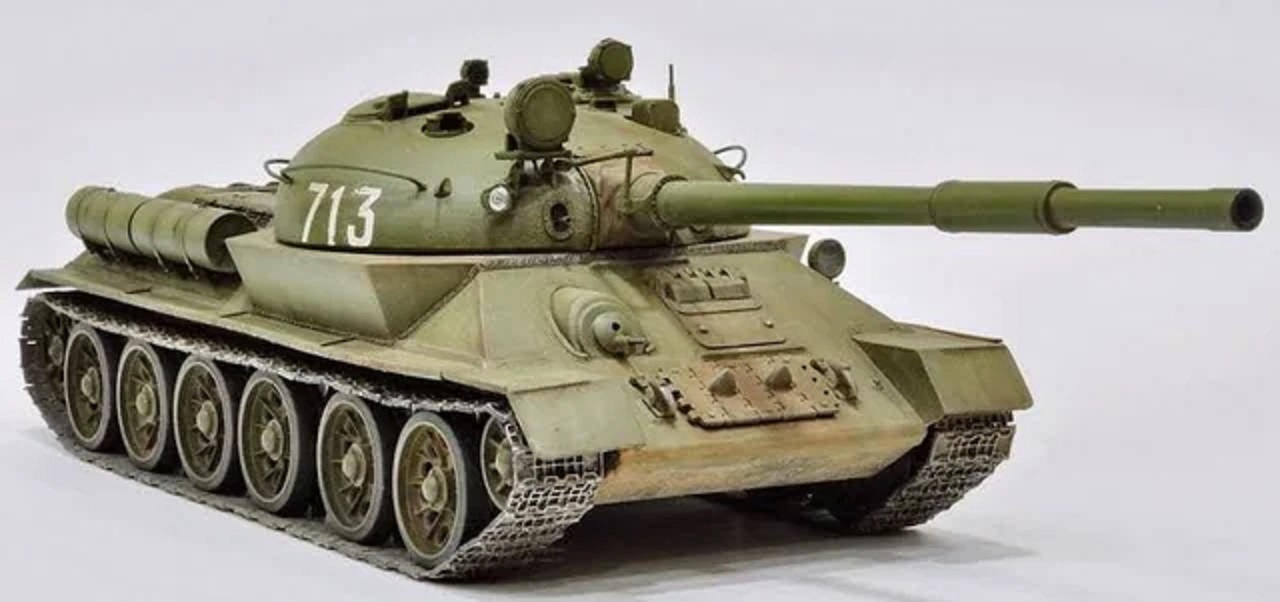
African nations deployed the T-34-115 in conflicts and military operations, allowing Bulgarian technology to enter a new arena—the brutal local wars where reliability and firepower played a decisive role.
Conclusion
Thus, the Bulgarian T-34-115 became a symbol of the originality and ingenuity of Bulgarian designers. Combining the proven qualities of the T-34 with modern technological advances, it has earned a well-deserved place in Bulgaria’s armored forces and has yielded significant benefits in the form of export contracts. The history of this tank’s development shows how a small country can influence the international arms market and demonstrate a unique approach to modernizing military equipment.
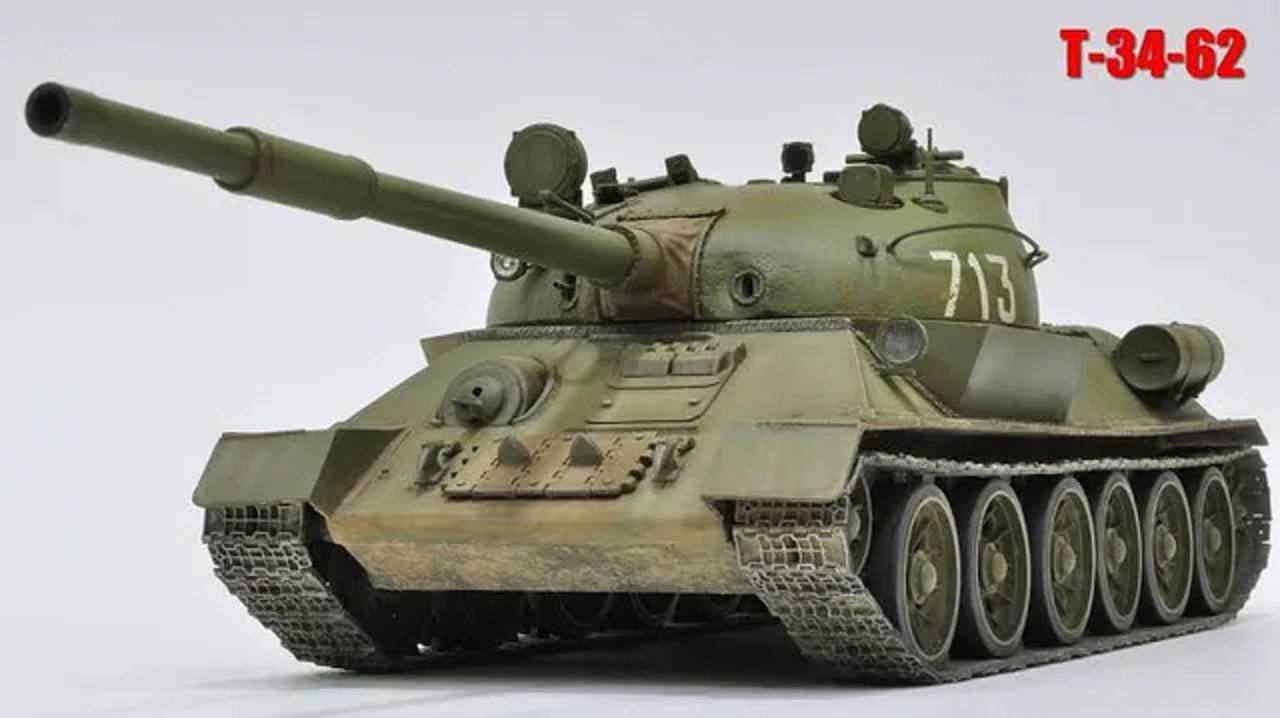
Source of illustrations: https://www.reddit.com/r/TankPorn/comments/1miyp7u/would_it_be_possible_for_a_t34_chassis_with_a_t62/