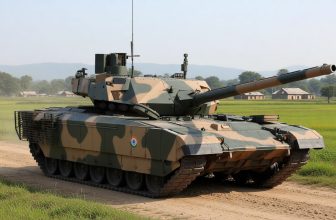
"The Armata Parade Tank." It has become a showcase for technologies aimed at modernizing older main battle tanks

Russian history has already seen so-called “parade tanks”—tanks that were used only in parades and had zero combat effectiveness. One need only recall the T-35 of the 1930s. By all accounts, the same fate awaits the T-14 Armata. Its production is still a HUGE question mark, but its technologies have proven to be in high demand, and soon we’ll see many of the components and assemblies designed for Russia’s fourth-generation tank appear in third-generation models. What exactly are we talking about?
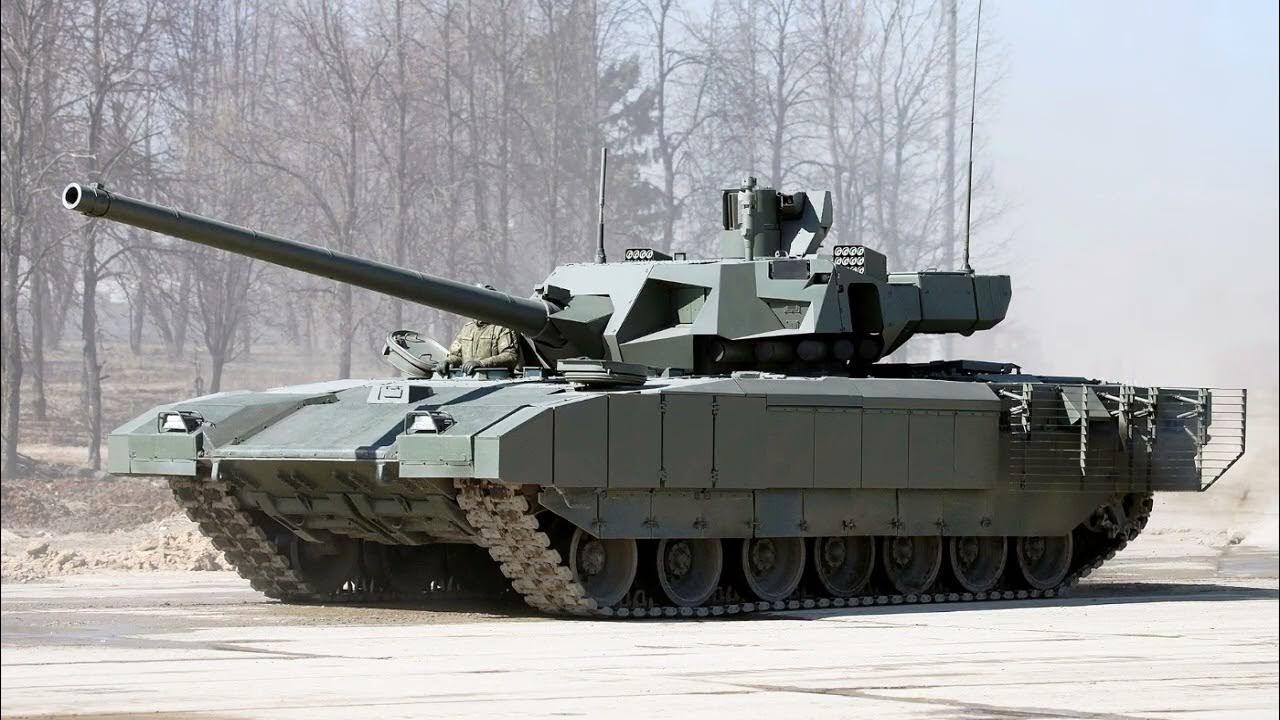
T-14 Armata
Centralized Transmission: We Tried Our Best
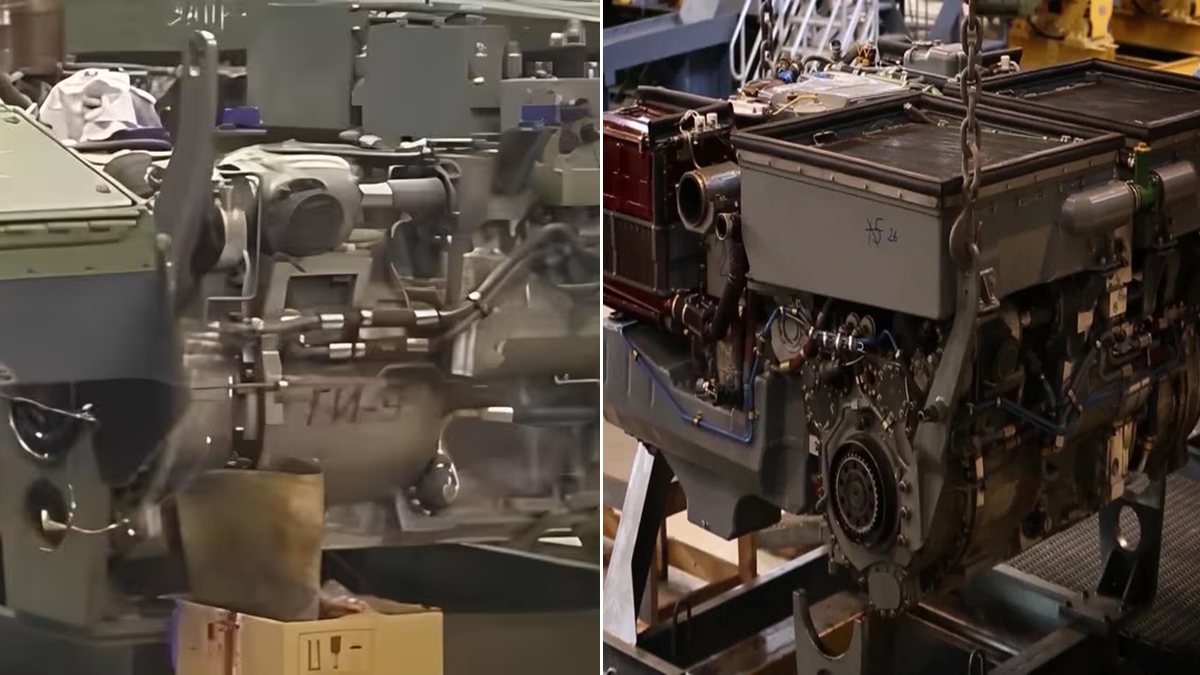
The Armata platform does not have the same transmission systems as Soviet tanks. It does not have the side-mounted gearboxes used, for example, in the T-72 or T-90. Instead, it has a full-fledged central gearbox, like those found in Western tanks (Leopard, Abrams, and others).
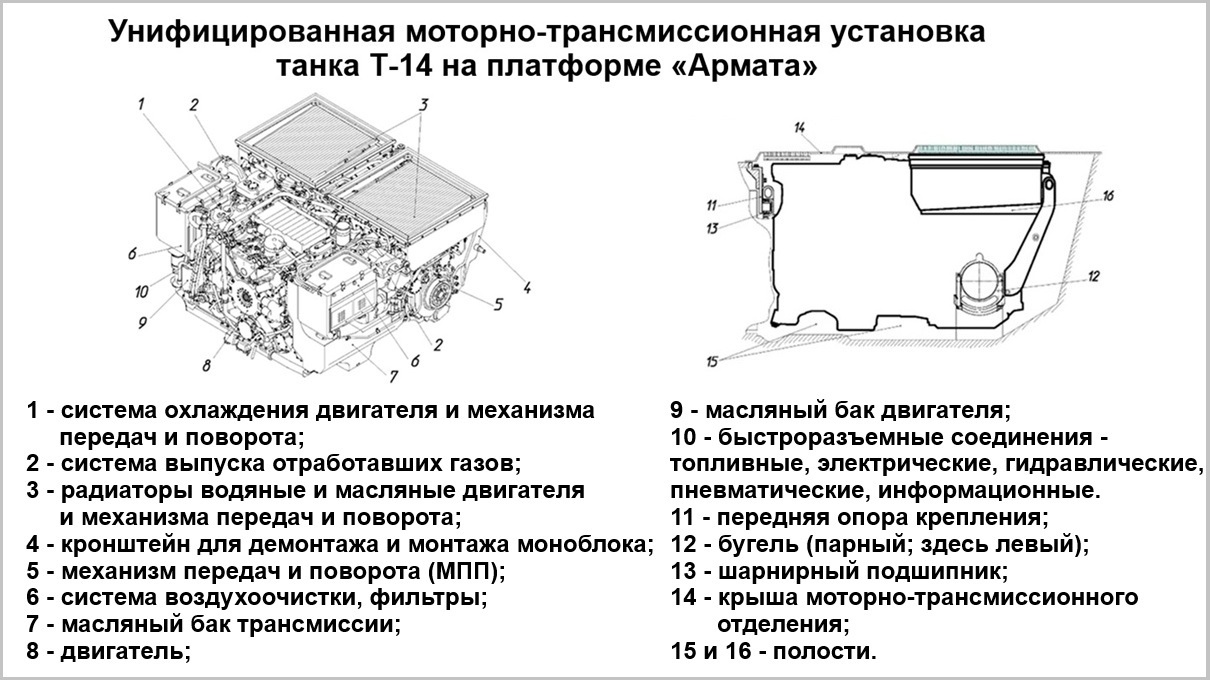
Why is this important? This transmission gives the tank (and all vehicles based on the “Armata” platform) better handling and a smoother ride.
But… there’s a downside: a central transmission takes up more space inside the hull (increasing weight) and can reduce the efficiency of power transfer from the engine to the tracks.
Perhaps that is precisely why Soviet tanks were never built with this transmission.
Implementing this system in production tanks will require redesigning the entire rear section of the hull—a challenging but feasible task. Of course, if it becomes necessary…
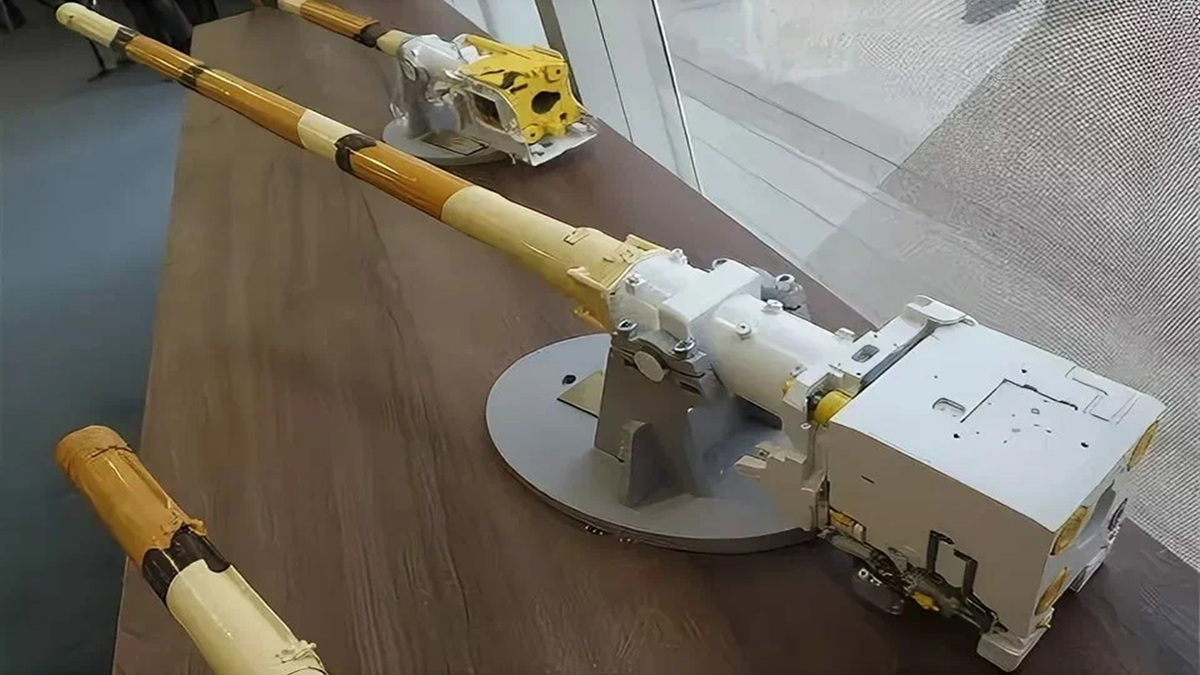
The 2A82: The Most Powerful Tank Gun
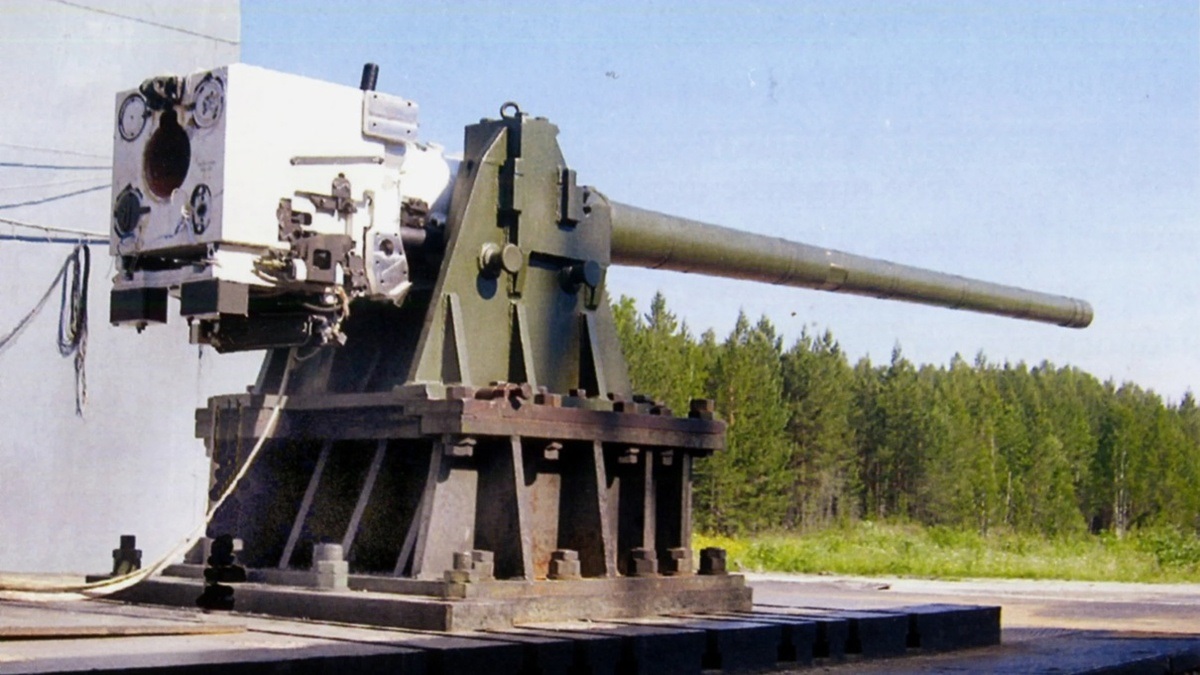
The new 2A82 gun is a modern 125-mm smoothbore tank gun developed specifically for the T-14 tank The “Armata” is currently the most powerful and technologically advanced tank gun in the Russian Army, combining compatibility with older ammunition with capabilities for new types.
The gun is capable of firing all types of shells currently in use by the army. However, it features an enlarged chamber. Therefore, it can be loaded with more powerful propellant charges. This allows the shells to be accelerated to a higher muzzle velocity than any previous guns.
The main feature of the 2A82 cannon is that it is highly automated, since it was originally designed for the unmanned “Armata” turret.
This is great news for conventional tanks. Mounting a 2A82 gun, for example, on a T-90M tank is a perfectly feasible task. According to representatives of Uralvagonzavod, the gun fits seamlessly into the upgraded T-90M turret and does not interfere with the crew’s ability to operate the tank.
This means that our tanks will be able to engage targets at longer ranges with greater accuracy and effectiveness—especially when firing from covered positions.
The “Sokol-V” Rocket: Shoots 4 Times Further
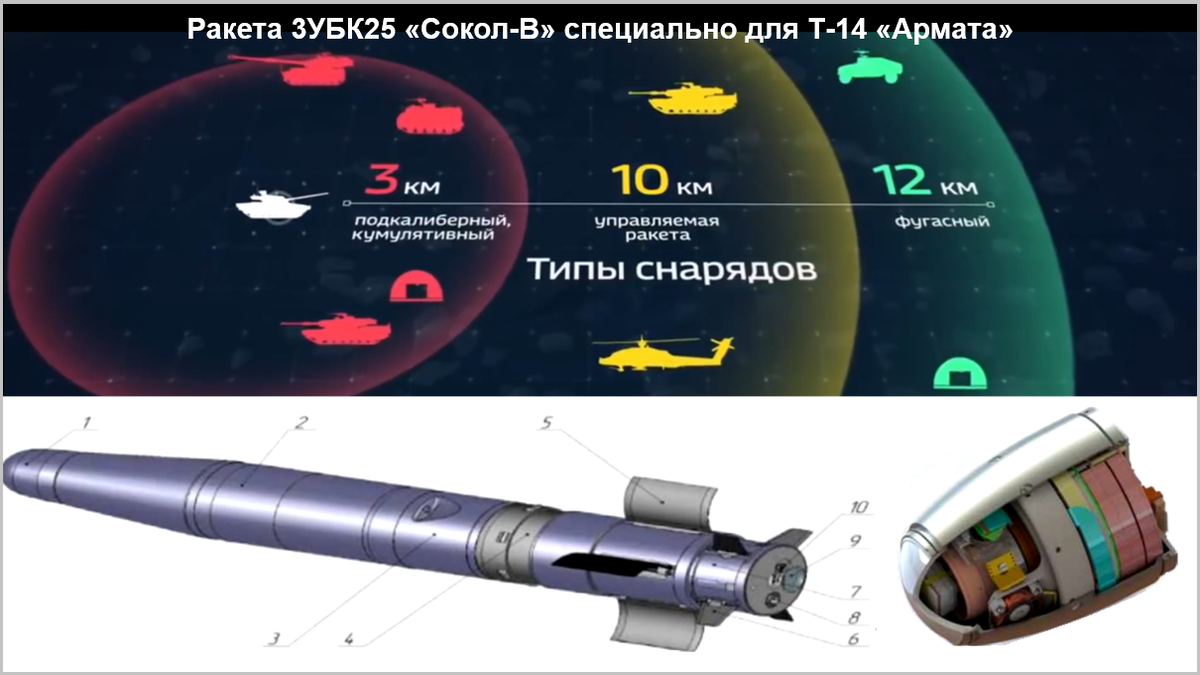
One of the most interesting—yet rarely discussed—capabilities is the 3UBK25 “Sokol-V” guided missile (which operates on a “fire-and-forget” principle), which was also developed specifically for the T-14.
The “Sokol-V” missile is capable of striking targets at a range of up to 12 km! By comparison, conventional tank shells are effective at a maximum range of 2–3 km.
Surprisingly, you don’t necessarily need a tank equipped with a 2A82 gun to fire this missile. It’s enough to upgrade the fire control system on existing tanks equipped with a 2A46 gun (which is exactly what the T-90 is equipped with).
This paves the way for significant improvements in range and accuracy without having to completely replace the arsenal.
“Malachite” Dynamic Protection System and “Afganit” Anti-Tank Weapon
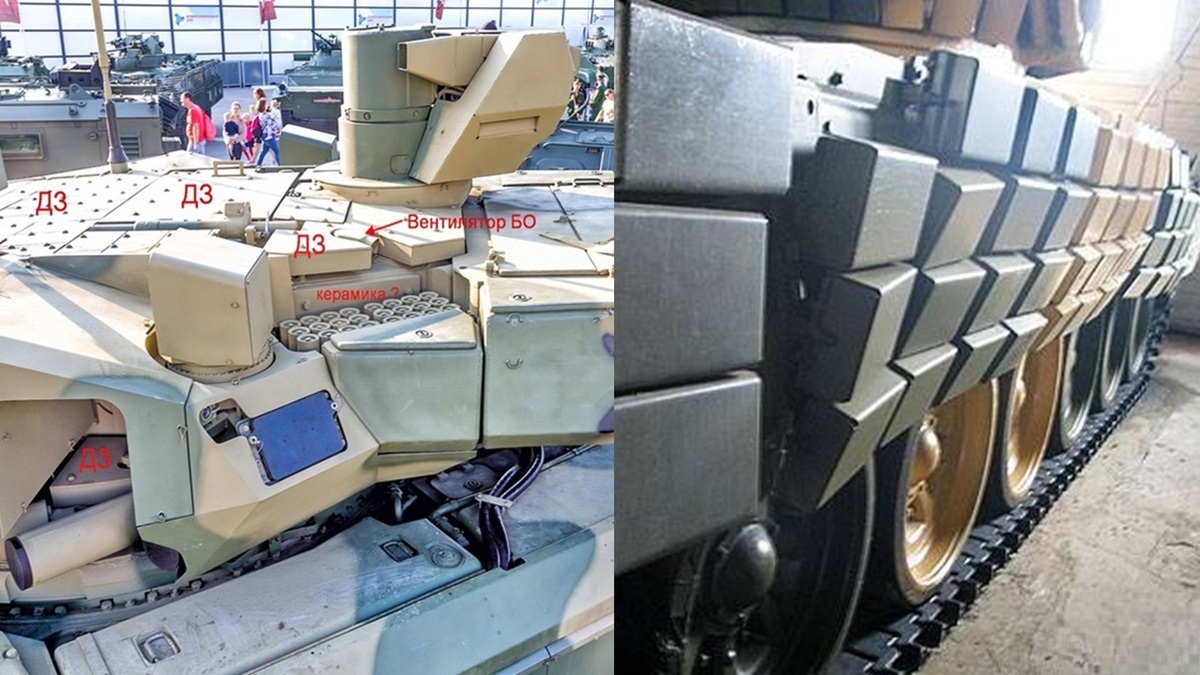
The T-14 is equipped with the “Afganit” active protection system and the “Malachite” dynamic protection system, which is not merely a dynamic protection (DP) system, but a fourth-generation system capable of protecting not only the front of the tank, but also its sides, rear, and even the roof.
According to some reports, “Malachite” can be triggered in advance, before the projectile reaches the armor. It functions almost like an active protection system.
These armor plates can be installed on other tanks.
But… there are serious problems here. Recently, there have been disruptions in the DZ supply chain: sometimes, ordinary plexiglass is being used in the modules instead of explosive components! Because of this, the effectiveness of the protection drops to zero.
Until quality control is established, the implementation of the “Malachite” dynamic protection system on mass-produced tanks will be postponed.
In lieu of a conclusion
Thus, even without entering mass production, the “Armata” could have a huge impact on the future of Russian armored vehicles. Its transmission, gun, missile system, and armor—all of these components could gradually be incorporated into existing tanks, making them more powerful, more accurate, and more survivable.
Source — https://dzen.ru/a/aTrhwrwSagTLUlx_