The "Armata" will go into production after all! But in India, and with an Indian engine

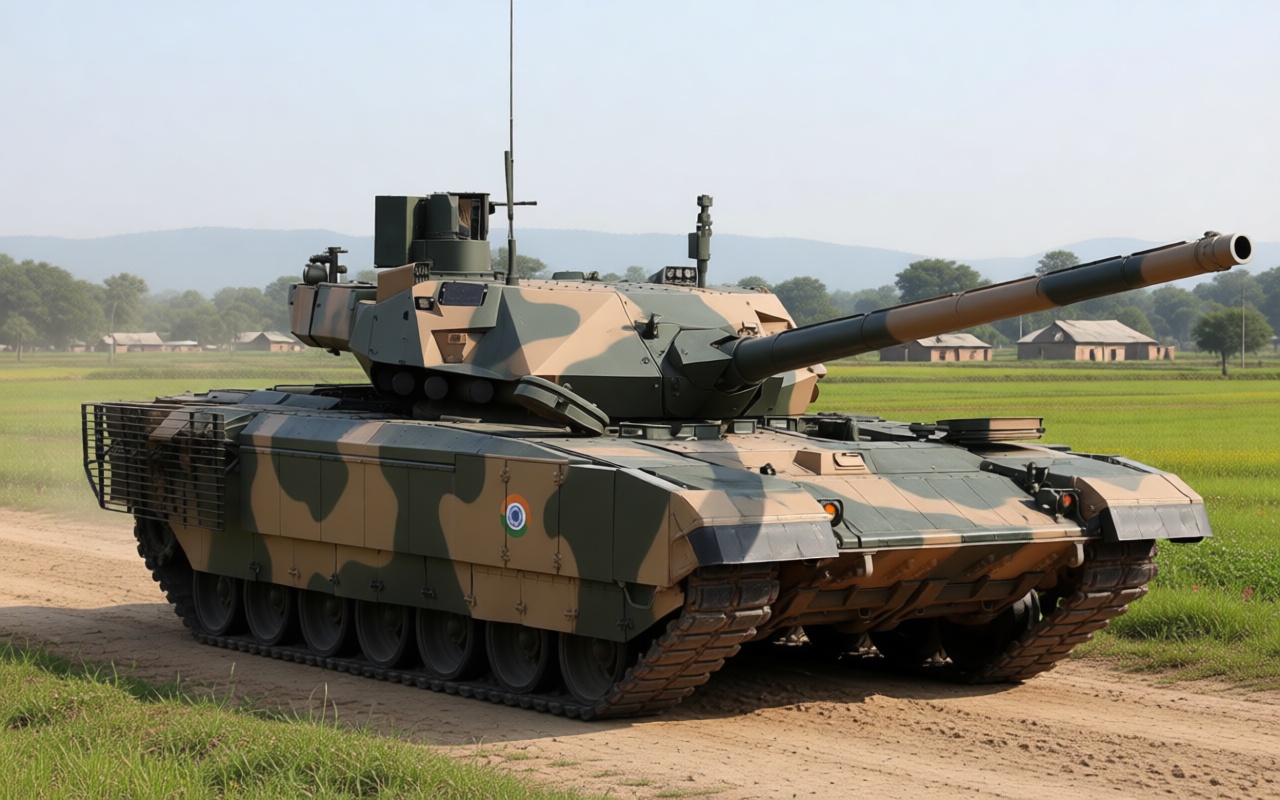
India has taken a serious interest in Russia’s new-generation T-14 “Armata” tank. But not with the intention of buying it. They want to build their own version, but with one important condition: the engine must be Indian-made. Sounds like a challenge, doesn’t it? But why does India need this, and why is it so important to us? Let’s figure it out together.
Contents:
What makes the “Armata” special, and why does India need it?
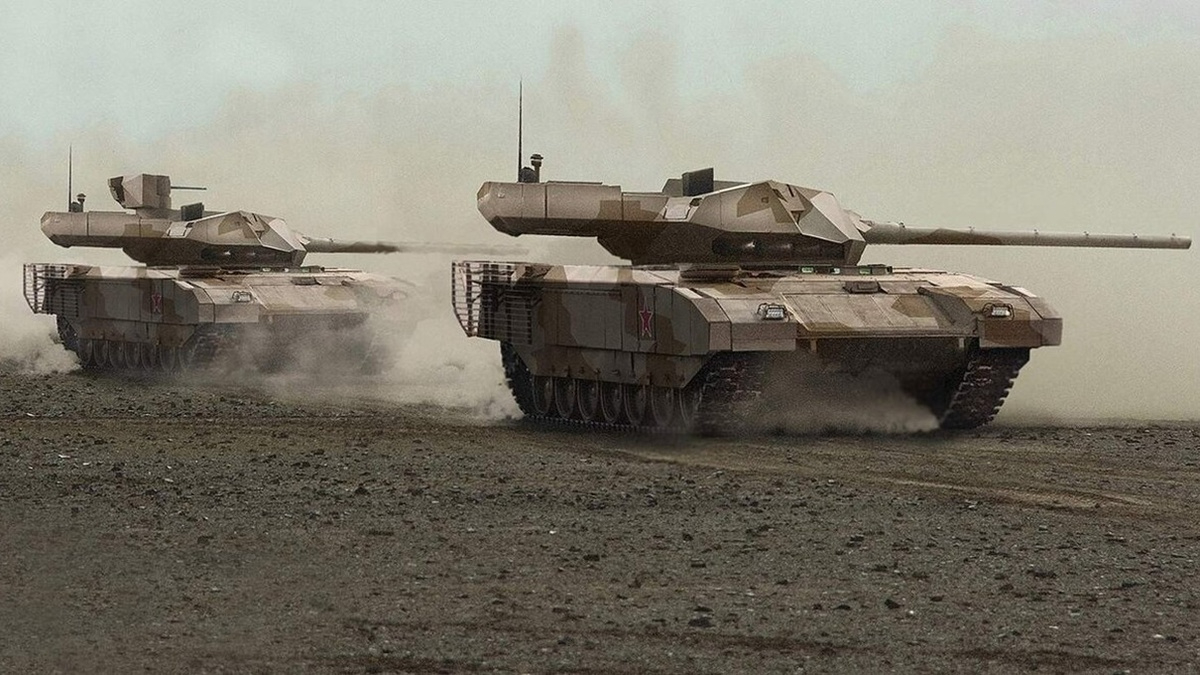
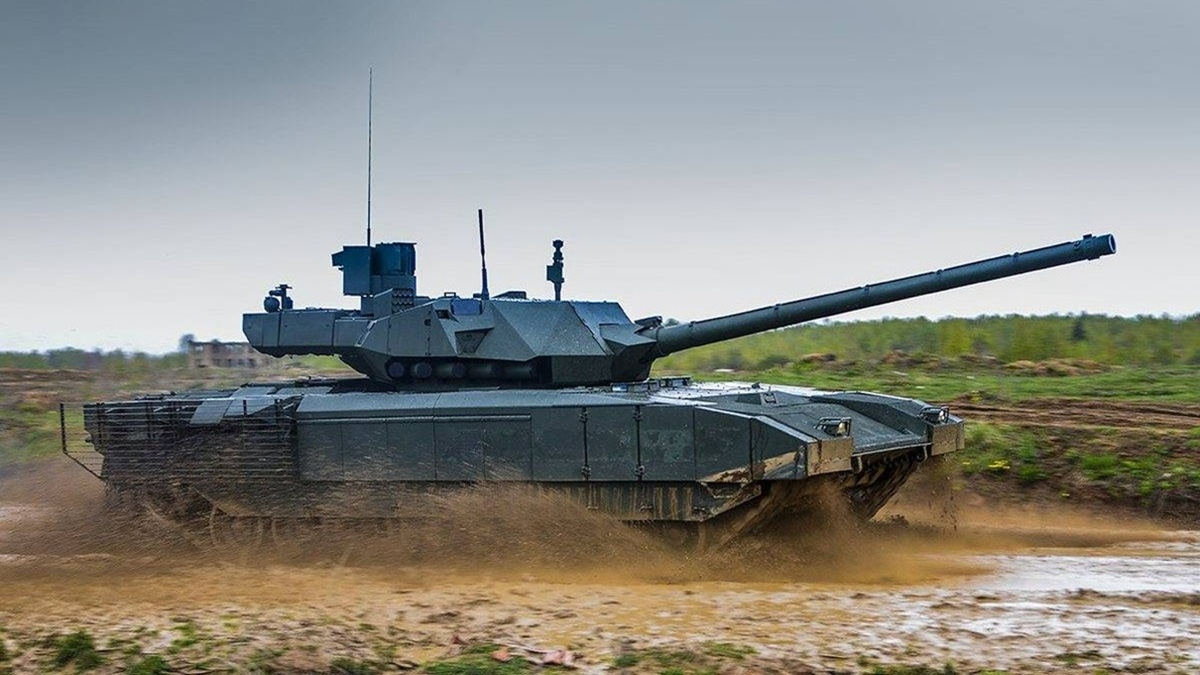
The T-14 “Armata” is not just a tank. It is the world’s only mass-produced fourth-generation tank. In other words, it is not a prototype or a display model, but a real combat vehicle that is already in service.
What makes it special:
-
A crew in an armored capsule—maximum protection.
-
Unmanned tower—remotely controlled, safer for tank crews.
-
The “Afganit” Active Defense System intercepts missiles before they strike.
-
A digital control system—in essence, it’s already a “smart tank.”
India needs a tank like it needs air. Its army still has a large number of outdated T-72s that are long overdue for replacement. But simply buying and copying the “Armata” isn’t an option. India is seriously committed to the “Make in India” initiative—that is, to producing everything domestically, using its own resources and technologies.
Why does India want to replace the Russian engine?
This is where things get really interesting. The “Armata” is powered by a top-of-the-line Russian A-85-3A engine. But India wants to incorporate its own design—the DATRAN-1500HP. This is a powerful 1,500-horsepower engine currently being developed for India’s future combat vehicles.
Why this is important:
-
Sovereignty means not being dependent on foreign supplies.
-
A technological breakthrough—to prove to the world that India is capable not only of assembling, but also of developing.
-
Adaptation to local conditions—they have heat, dust, and other challenges, and they need an engine that can handle it all.
This is an incredibly complex engineering challenge; we need to:
-
integrate a new engine into the tank’s existing layout;
-
combine it with a Russian transmission;
-
ensure cooling at +50°C (and higher in direct sunlight);
-
integrate everything into the vehicle’s electronic system;
And if India succeeds, it will be a breakthrough.
So what’s in it for us?
Russia, for its part, stands to gain a great deal:
-
Entering the Indian market—one of the largest in the world.
-
A reputation as a flexible partner—one that is ready for equal cooperation.
-
Promoting its “Armata” platform is the foundation for international projects.
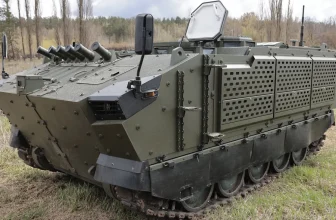
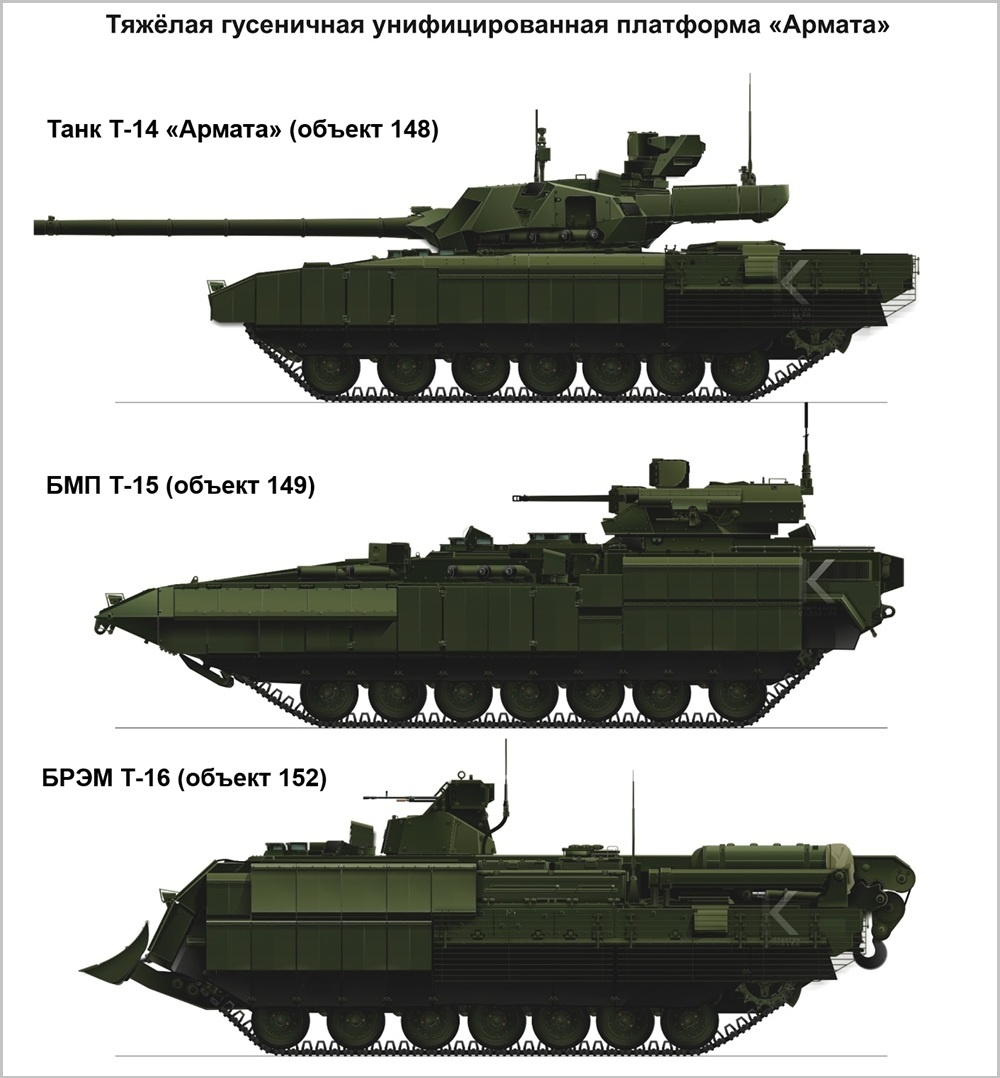
After all, the latest “Armata” heavy universal tracked platform has already been used to develop infantry fighting vehicles (T-15 IFV) and heavy armored recovery and evacuation vehicles (T-16 BREM).
India has previously attempted to develop a joint tank project with France, Japan, and Korea. But all of those attempts failed. Why is it different this time?
Because Russia is willing to compromise: not to impose a ready-made solution, but to adapt. And this will no longer be merely an export, but full-fledged technological cooperation.
In lieu of a conclusion
So, we’re on the verge of potentially creating a new military behemoth: the Russian T-14 “Armata” tank powered by an Indian engine. Is it complicated? Absolutely. Is it realistic? Absolutely. But the key point is this new format of international cooperation, where each side contributes not just money, but technology and ambition.
Source — https://dzen.ru/a/aIt3Mr5e2SxpI70N