Following up on the topic raised in the article—“Back to the Future: How and Why Could Piston-Engine Aircraft Become a Key Element of Modern Air Defense?”—I’d like to share a story about the use of the Yak-152 to counter UAVs.
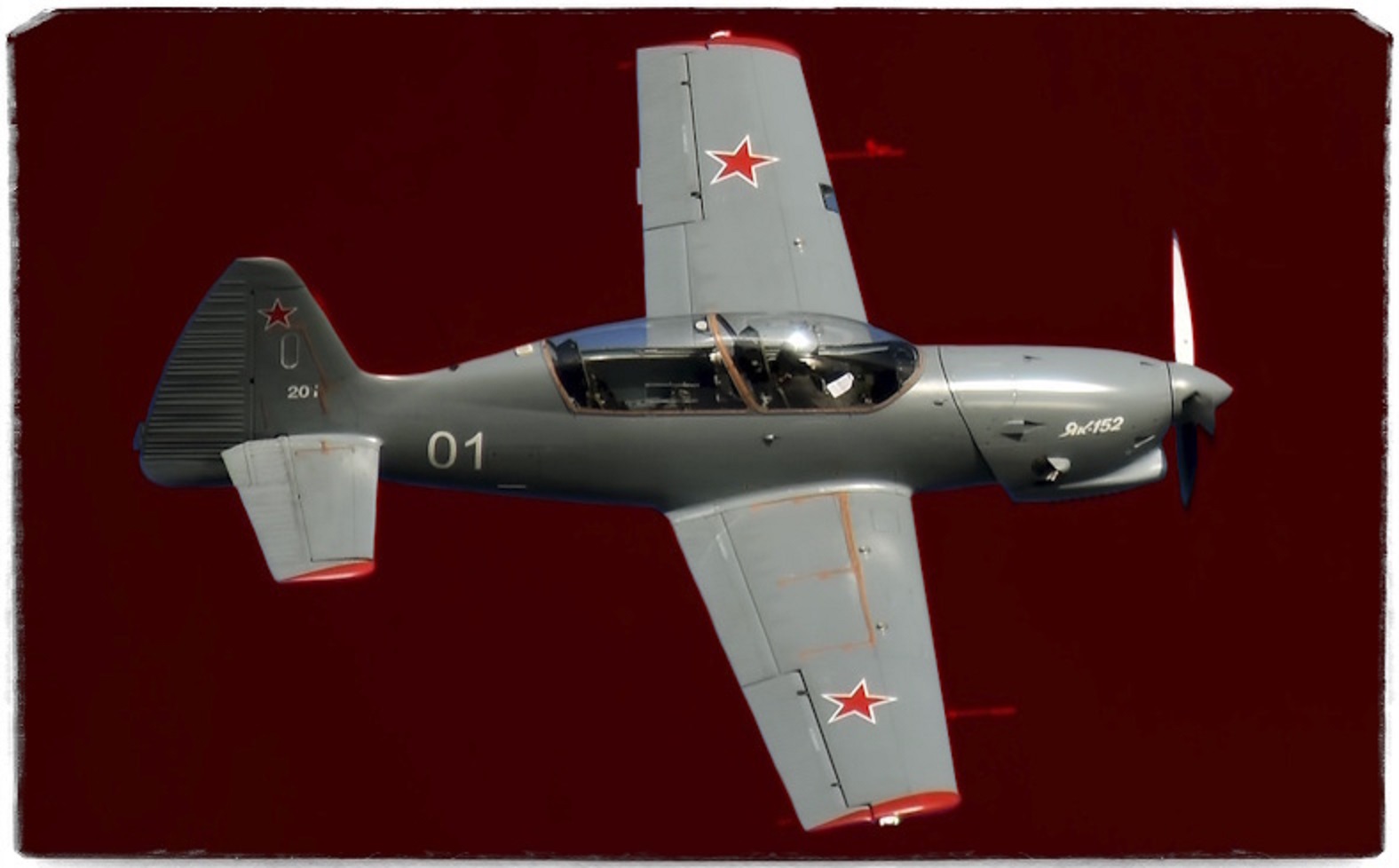
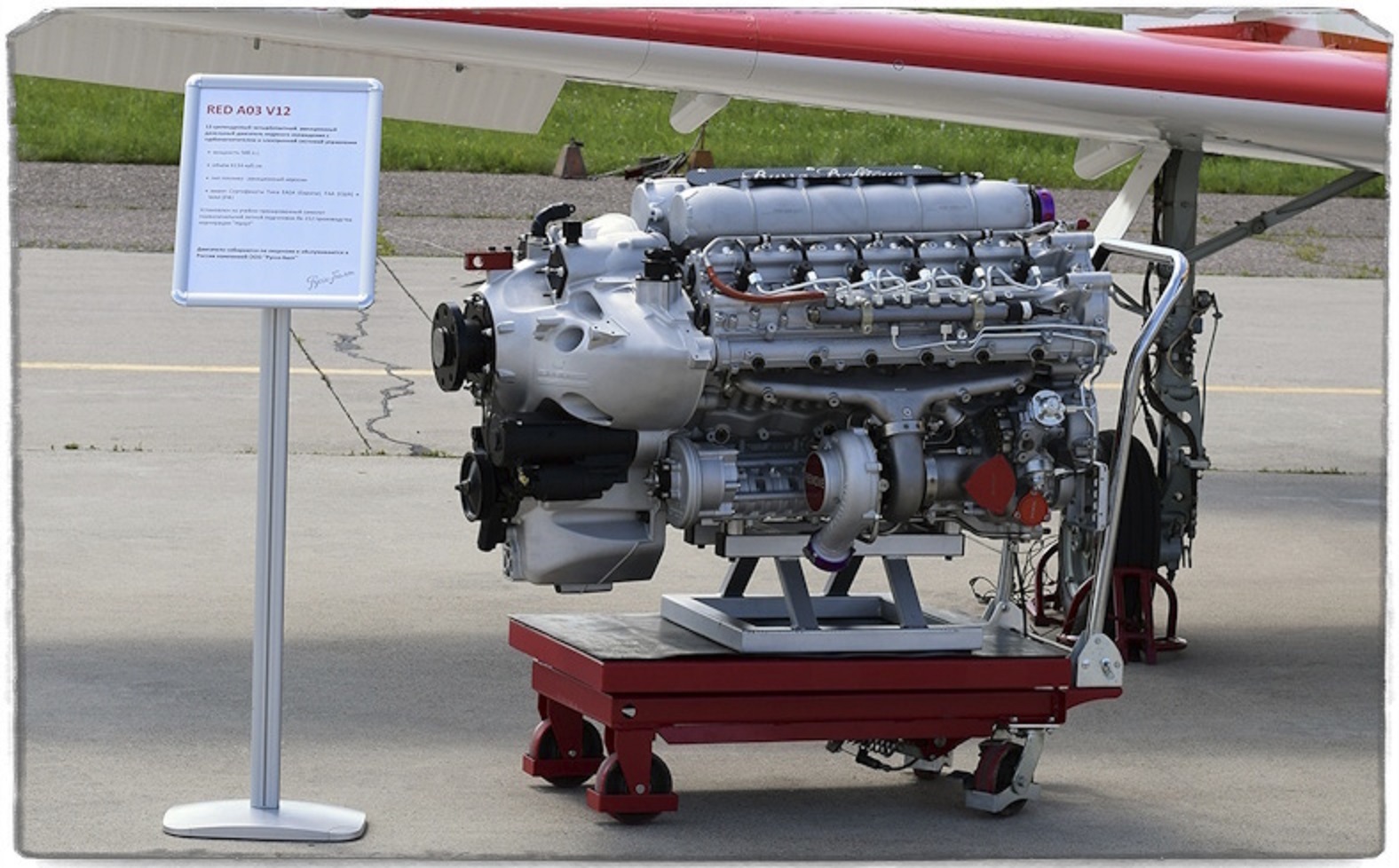
I’d like to start not with the most pleasant aspects, but rather with the question of why the aircraft is still not in widespread service, even though it is part of the Yak-130 complex and is supposed to be deployed alongside it. That’s the first point; second, the total number of aircraft scheduled for production in the near future is estimated at just over 250, most of which are intended for the Ministry of Defense. So why isn’t the process moving forward? The answer is simple: the use of foreign components in critical parts. It so happened that development of the aircraft began back in the 1990s, when no one was really interested in it anymore. The 2000s followed, and little had changed, but shortly thereafter, China took an interest in the project—investment came in, and the project broke out of its stagnation. It was then that the proposal was made to install a foreign engine, which ultimately turned out to be the German RED A03T.
Strictly speaking, this is a Russian-German project with a rather murky history, which is best examined separately, but the reality is that it cannot be used today—since mid-2023, efforts have been underway to replace it with a domestic alternative. Incidentally, after a one-and-a-half-year hiatus, testing of the Yak-152 has resumed, so the project has not been abandoned or shut down; the aircraft may be equipped with the domestic VK-650V engine and is on the verge of entering serial production.
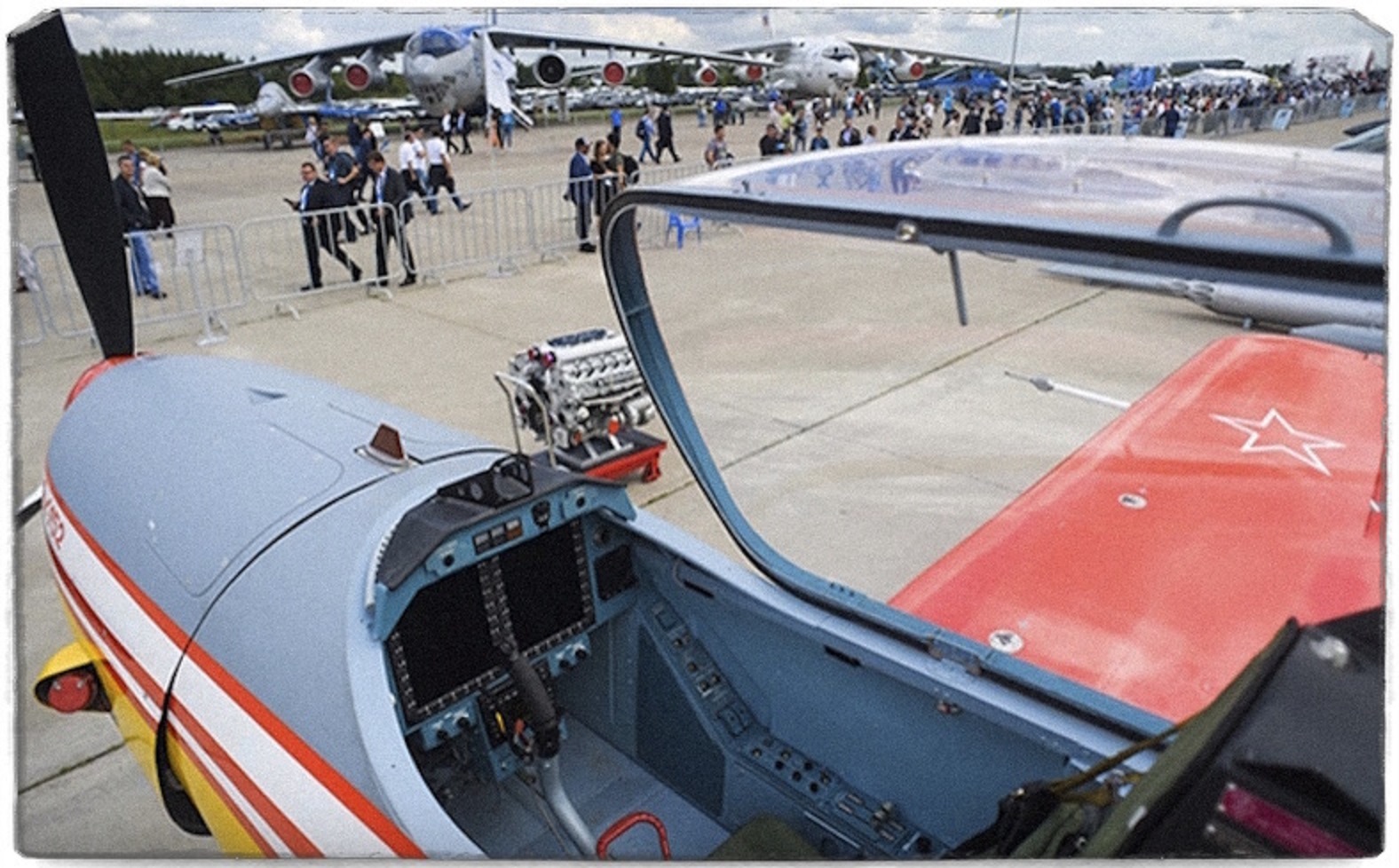
Now that we’ve covered the drawbacks, let’s move on. When discussing piston-engine aircraft, we can’t fail to mention one of their key advantages—the ability to take off from unpaved airfields and minimally prepared runways. Combined with a short takeoff run, this means that the Yak-152’s operational range can be very, very broad—even in areas where the enemy least expects it. The only vehicles that outperform it in this regard are helicopters, which don’t need an airfield at all; however, the aircraft is nearly a third faster, meaning it can reach the designated area much more quickly and accomplish its mission. Moreover, the maximum range of the piston-powered Yak-152 is three times that of the Ka-52M, allowing it to cover a much larger area.
Another significant advantage is its reduced vulnerability to air-to-air missiles — not long ago, our forces began using a heavily modernized “Geran” in conjunction with the R-60M, which means that sooner or later the enemy may also acquire something similar. So, the Yak-152’s advantage lies in its much lower thermal signature, which will inevitably affect the performance of the R-60M’s less-than-sensitive seeker. It’s unlikely they’ll deploy anything more advanced—for example, the American equivalent, the Sidewinder, weighs nearly 100. Plus, the Yak-152 is equipped with the ultra-light SKS-94 ejection system, just in case.
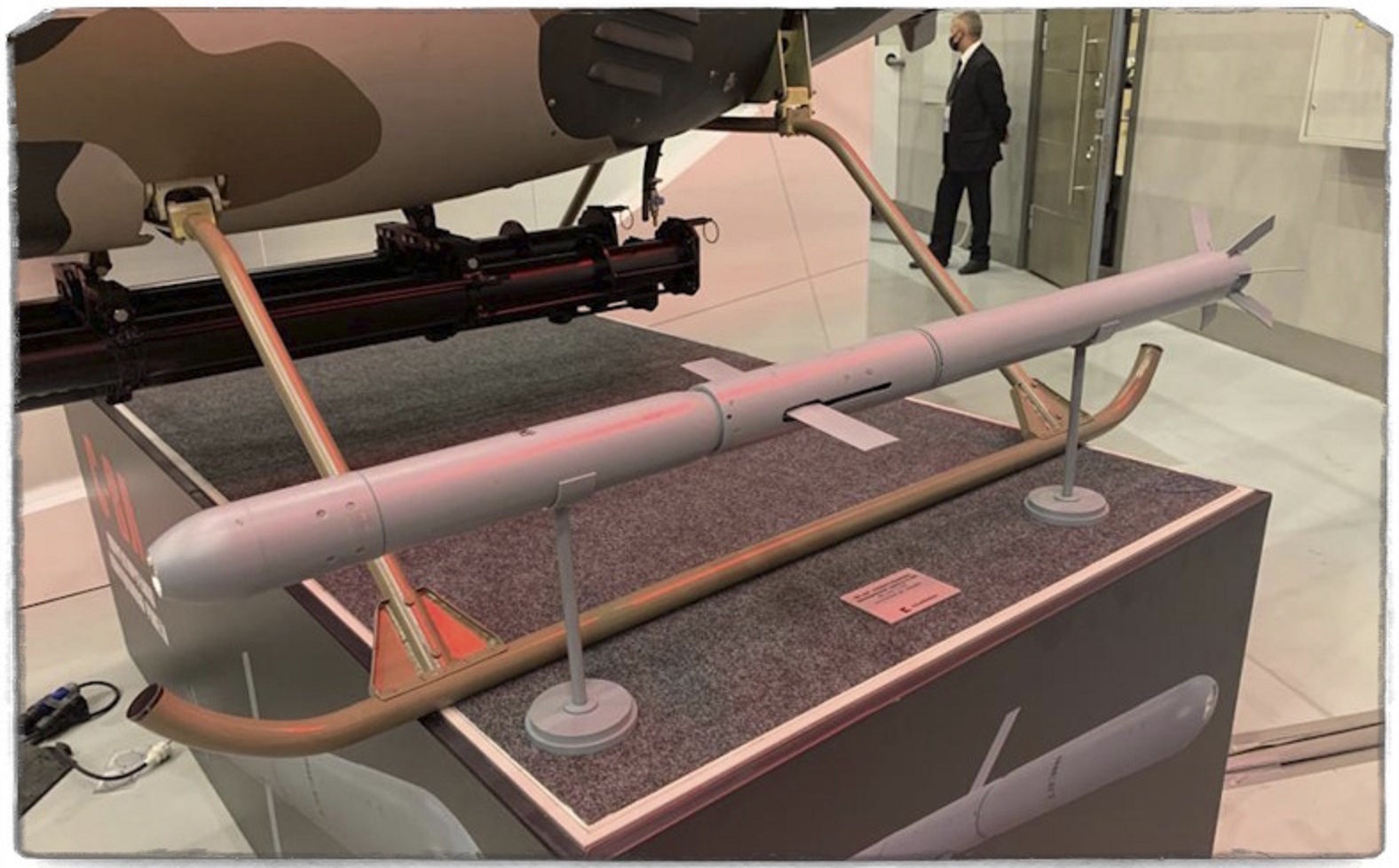
Now, regarding weaponry—or, more specifically, the choice of the S-8L as a means of bringing down drones. Just like last time, the reason remains the same—the missile is cheap, simple, and suitable for mass production—but there’s another factor that would be wrong to overlook: its light weight and compact size. As is well known, the S-8L is based on the S-8, which means it weighs around 15 kilograms—a fact that automatically suggests an impressive payload. Presumably, the configuration could look like this: two pod units, each containing 7 missiles, plus an optoelectronic module.
That said, its performance is quite good—it has a range of up to 8 kilometers, although, given the guidance system, much depends on weather conditions. But even the claimed 6 kilometers is more than enough to neutralize drones equipped with air-to-air missiles, especially if the aircraft is flying at a relatively high altitude (the Yak-152’s maximum altitude is 4,000 meters). Under favorable circumstances, a combination of the Yak-152 and the S-8L could very well take down a large “batch” of UAVs—and at a low cost, too.
In conclusion, I would like to note that the Yak-152 has a direct competitor in the UTS-800, which has its own set of unique features and shortcomings. However, one undeniable advantage is worth mentioning: the aircraft has been in mass production since last year, and in just a year and a half, UZGA has built more of them than our current subject has been produced over the project’s long decades of existence. But just how good is the UTS-800, and can it fit into the concept of a light UAV interceptor? We’ll discuss that next time.