The Boeing KC-135 Stratotanker—a legend in aerial refueling and a new operation off the coast of Venezuela

In recent days, several U.S. Air Force KC-135 Stratotanker aircraft have been deployed to the Caribbean and sent to the area adjacent to Venezuela. The number of aerial refueling aircraft in the area has increased significantly, indicating a rise in U.S. air activity in the region. Such redeployments typically accompany reconnaissance flights, demonstrations of force, or preparations for expanded operations that require continuous aerial support.
The aircraft without which modern aviation would be impossible
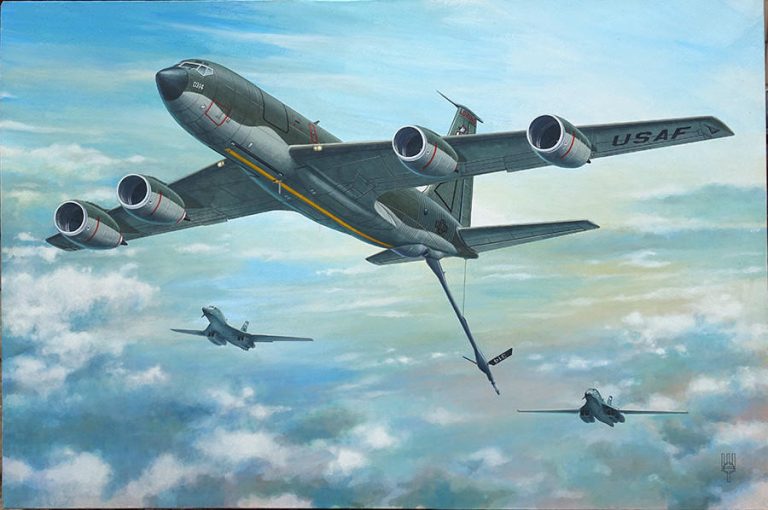
The KC-135 Stratotanker is a strategic aerial refueling aircraft that has remained in service for more than six decades. Despite the age of the design, it remains a key component of the global aviation infrastructure of the United States and its allies.
The primary mission of the KC-135 is to refuel aircraft in flight, which enables fighters, bombers, reconnaissance aircraft, and transport aircraft to carry out missions over significantly greater ranges and for longer durations. In fact, it is precisely these aircraft that make the concept of a global military presence possible.
Design and Features
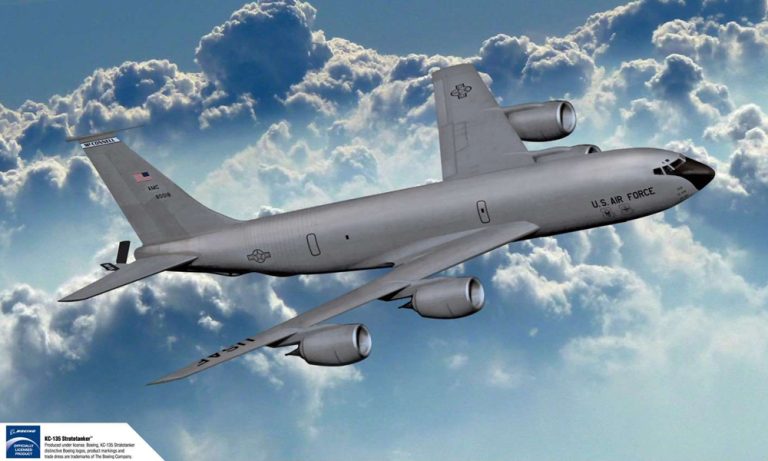
The KC-135 is built according to the classic design of a four-engine, high-wing jet aircraft. Its distinctive feature is the telescoping refueling boom (“flying boom”) located at the rear of the fuselage.
Key features of the platform:
- the ability to transport large volumes of aviation fuel;
- stability during long-distance flights;
- the ability to operate with a wide range of combat aircraft;
- an additional role as a transport aircraft for cargo and personnel.
Although the KC-135’s primary role is aerial refueling, it can perform auxiliary tasks as needed, including transporting equipment and conducting medical evacuations.
How In-Flight Refueling Works
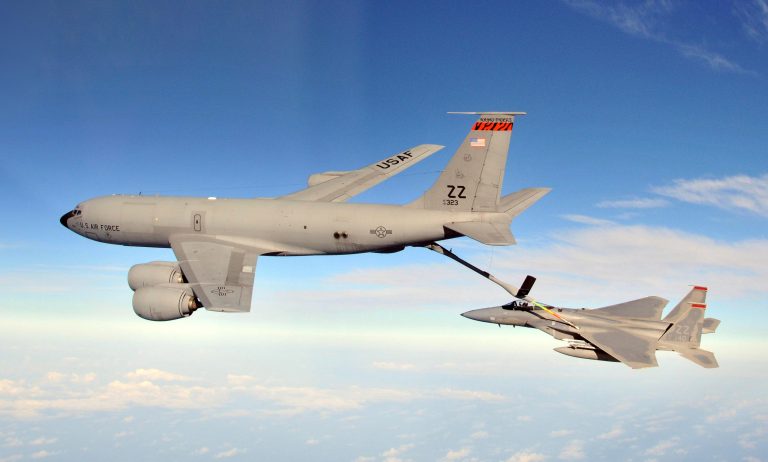
During the operation, the receiving aircraft positions itself behind and below the tanker. The operator in the tail section of the KC-135 manually controls the refueling boom, precisely aligning it with the receiving unit of the second aircraft. Once connected, fuel transfer begins.
The procedure requires a high degree of precision and coordination: the aircraft fly just a few meters apart, often in challenging weather conditions. This is one of the most technically challenging and dangerous operations in military aviation.
History and Modernization

The KC-135 entered service in the late 1950s and has been upgraded several times since then. The aircraft have been equipped with more fuel-efficient and reliable engines, modern avionics, and new communications and navigation systems.
Thanks to these updates, the platform has been able to significantly extend its service life and adapt to the demands of the 21st century, even though its basic design remains the same.
Why the KC-135 Is Still Relevant
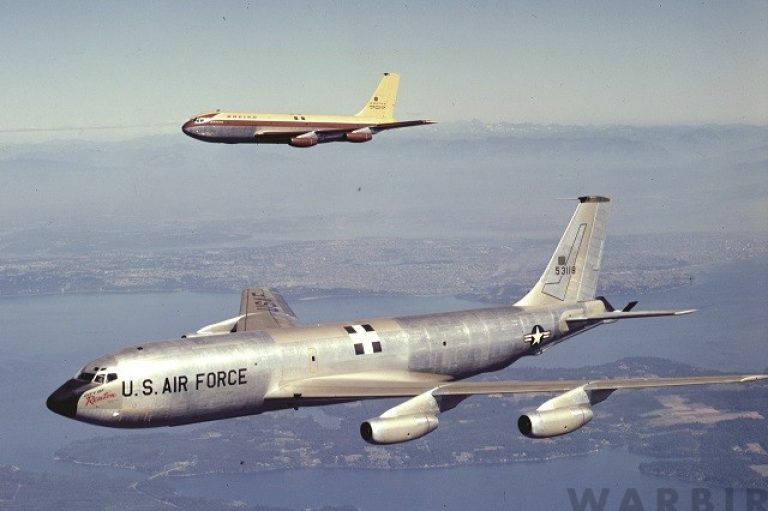
Even with the introduction of new tankers, such as the KC-46, the KC-135 remains a widely used and indispensable workhorse. The reasons are simple:
- high reliability;
- well-established logistics and customer service;
- a large fleet of aircraft;
- versatility of use.
That is precisely why KC-135s regularly participate in operations around the world—from the Middle East to the Pacific region and, as we are now seeing, the Caribbean.
What does the redeployment to the Caribbean region mean?

The increase in the number of aerial refueling tankers near Venezuela does not in itself signal an immediate escalation, but it clearly indicates a heightened state of readiness. KC-135s rarely operate alone—they serve as a “force multiplier,” without which the sustained flights of reconnaissance aircraft, fighter jets, and strike platforms would not be possible.
In other words, if a large number of tankers appear in the region, it means that intensive aviation activity is either being prepared or is already underway.
The Plane That Operates in the Shadows
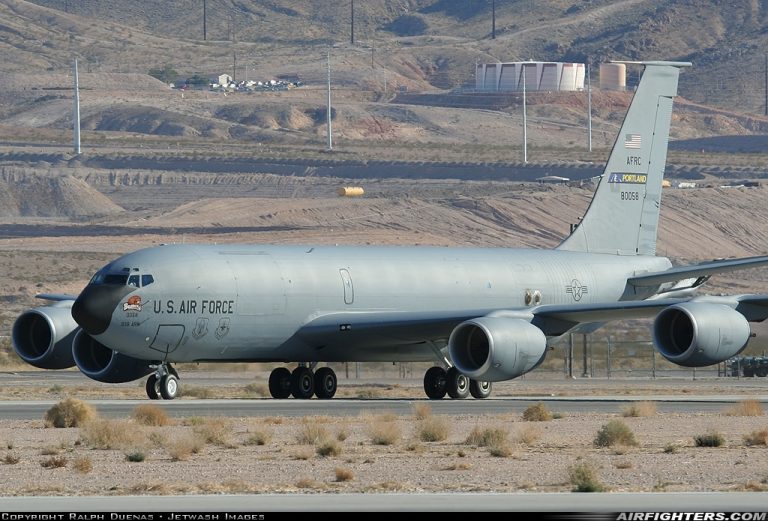
The KC-135 rarely takes center stage, but it is aircraft like these that define the true capabilities of aviation. While combat aircraft carry out their missions, the Stratotanker remains in the sky, providing them with fuel and time.
And as long as the United States maintains its global interests and military presence around the world, the KC-135 Stratotanker will remain one of the most important—if not the most inconspicuous—aircraft in its arsenal.