The JF-17 Thunder has been proposed to Saudi Arabia as a candidate for its next fighter jet

An interesting topic has emerged in the military-political arena in recent weeks: According to sources, the JF-17 Thunder light multirole fighter, a joint development between Pakistan and China, is being considered as a possible option for modernizing the Royal Saudi Air Force’s fleet. This move could be part of a deepening of military-technical cooperation between Riyadh and Islamabad following the recent signing of a mutual defense agreement.
Contents:
JF-17 Thunder — What Is It and Why Is It Being Offered?
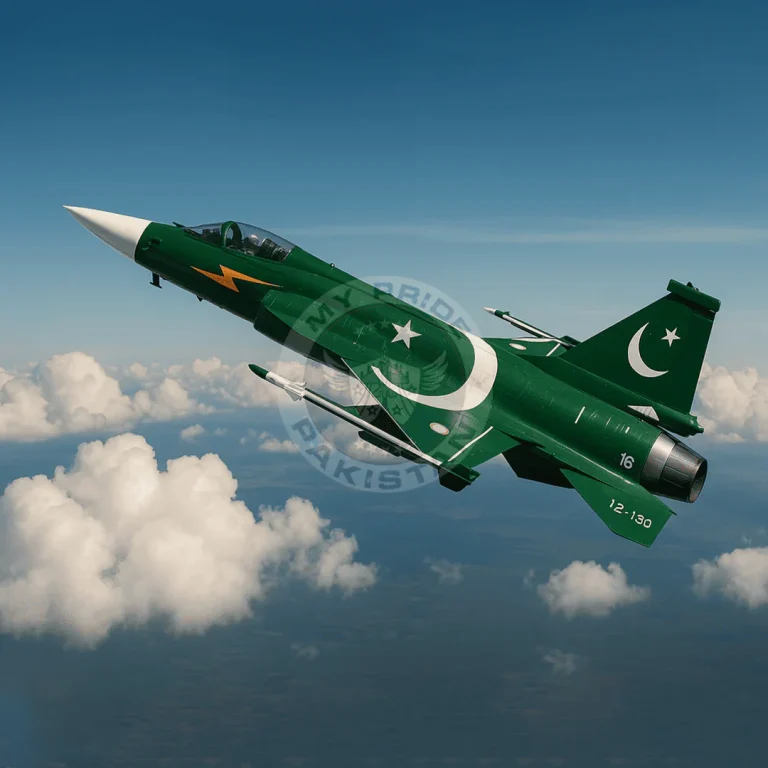
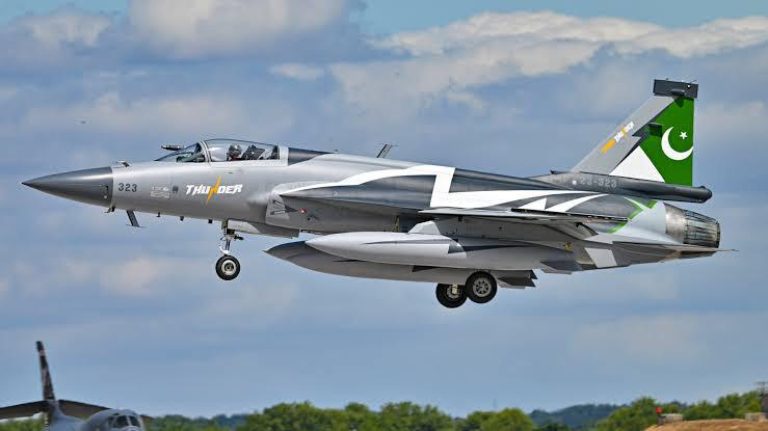
The JF-17 Thunder is a light, multi-role fighter jet developed jointly by China’s Chengdu Aircraft Corporation and Pakistan’s Pakistan Aeronautical Complex. The first prototype took to the skies in the early 2000s, and mass production is currently underway at a Pakistani plant in Kamra. The aircraft is powered by a single RD-93 turbojet engine, which is a modification of a Russian powerplant.
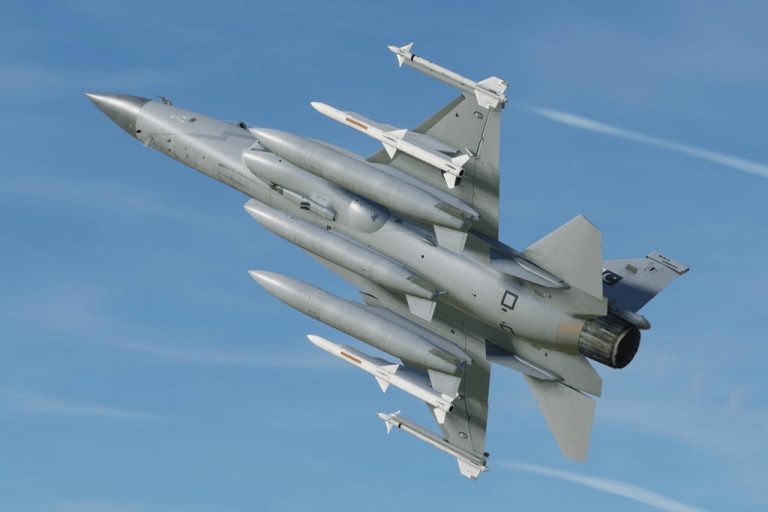
Initially, the JF-17 was developed as an inexpensive and easy-to-operate combat aircraft for the Pakistan Air Force, but over time it has undergone numerous upgrades. The current Block III version features a modern radar with an active phased-array antenna, improved controls, a “glass cockpit” system, infrared search and target designation, and a wide range of weapon options.
Saudi Arabia’s Proposal
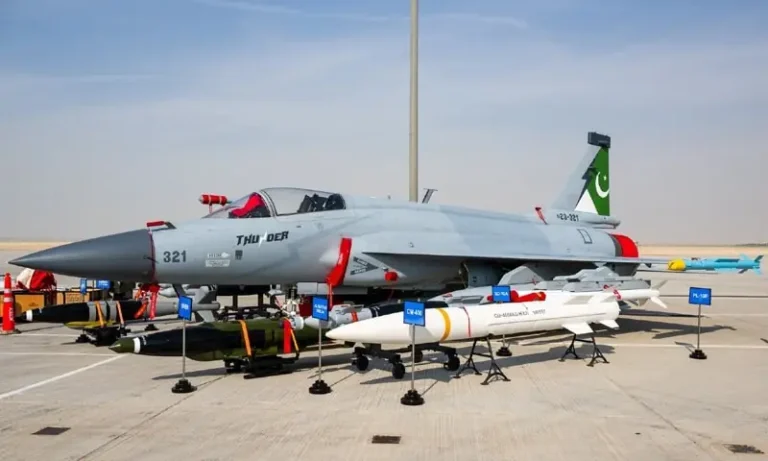
According to reports, Pakistan and Saudi Arabia are discussing the possibility of including the JF-17 in the kingdom’s future procurement plans. One option under discussion involves converting a portion of Riyadh’s multibillion-dollar loan into the delivery of aircraft and related equipment, creating a package that could amount to a significant sum.
According to some reports, the Saudi side is considering the JF-17 as one of the main options among other possibilities, but a final decision has not yet been made.
Where the JF-17 Is Already in Service and How It Has Performed
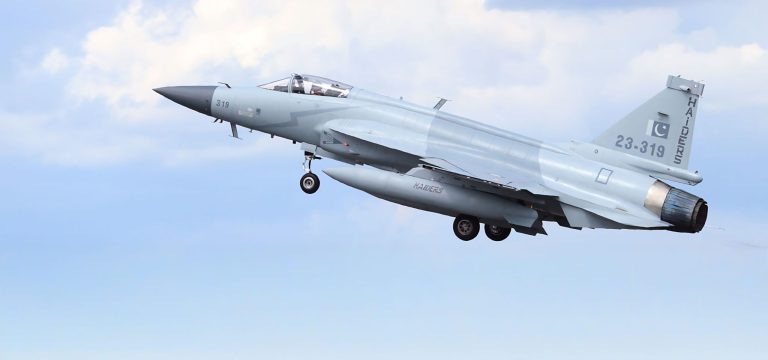
The JF-17 is actively in service with the Pakistani Armed Forces and has proven its effectiveness in regional conflicts. This aircraft has also been sold to several other countries, including Azerbaijan, Myanmar, and Nigeria, where it has successfully undergone the integration process and become part of their respective air forces.
The light fighter also participates in international exercises, including joint maneuvers with Saudi Arabia, where Pakistani pilots demonstrated the capabilities of the Block-III version, including in-flight refueling and operations as part of multinational air groups.
Pros and Cons of the Option for Saudi Arabia
Benefits
- Cost — The JF-17 is significantly cheaper than more modern Western fighter jets, making it an attractive option from a budgetary standpoint.
- Export track record — the aircraft is already in service with several armed forces outside Pakistan, which reduces the risks for a new operator when adopting it into service.
- Block III upgrades—modern systems, including radar and control systems—enhance the aircraft’s combat capabilities.
Restrictions
- Technical capabilities — In terms of its capabilities, the JF-17 falls short of more advanced fifth-generation jet aircraft, such as the F-35. This makes it less attractive in the context of high-tech modern aviation.
- Interoperability—the integration of the aircraft with the Kingdom’s existing weapons systems and combat management networks—may require additional costs and adaptations.
- Geopolitical considerations—purchasing equipment incorporating Chinese and Pakistani technologies could raise questions about compatibility with the defense architecture of Saudi Arabia’s allies.
Alternatives on the market
Saudi Arabia has long been in talks with a number of manufacturers in an effort to modernize its fleet of combat aircraft. Various options have been considered, including Western platforms such as the F-35, the purchase of which could significantly enhance the kingdom’s air power but requires political approval and could have international implications.
In addition to the F-35, European fighter jets—which are also being discussed as part of broader programs to strengthen defense capabilities—could have been potential contenders.
Conclusion

The idea of offering the JF-17 Thunder to Saudi Arabia as a potential next-generation combat aircraft reflects both geopolitical shifts and Pakistan’s desire to expand exports of its aviation industry. The proposal itself demonstrates the growing role of light fighters in the global market, especially those that are less expensive than their Western counterparts and have already been battle-tested.
Nevertheless, the final decision rests with Saudi Arabia itself, and much will depend not only on the aircraft’s technical specifications, but also on Riyadh’s political, economic, and strategic priorities in the defense sector.
Based on material from https://www.twz.com/air/jf-17-thunder-offered-as-saudi-arabias-next-fighter-report