What the MH-60M "Night Hunter" Direct Action Penetrator Brought to the Operation in Venezuela

During a recent operation to capture the Venezuelan leader, U.S. special operations forces deployed one of the most versatile and combat-effective platforms in their arsenal—the MH-60M Direct Action Penetrator (DAP). This modified version of the famous Black Hawk became a key component of the tactical operation and demonstrated just how flexible and lethal a modern combat helicopter can be.
Contents:
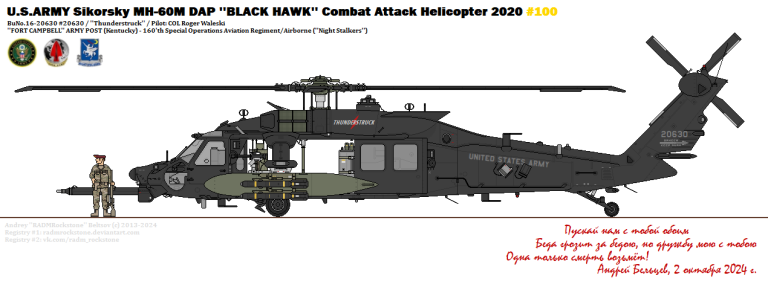
MH-60M DAP: A Redesigned Black Hawk
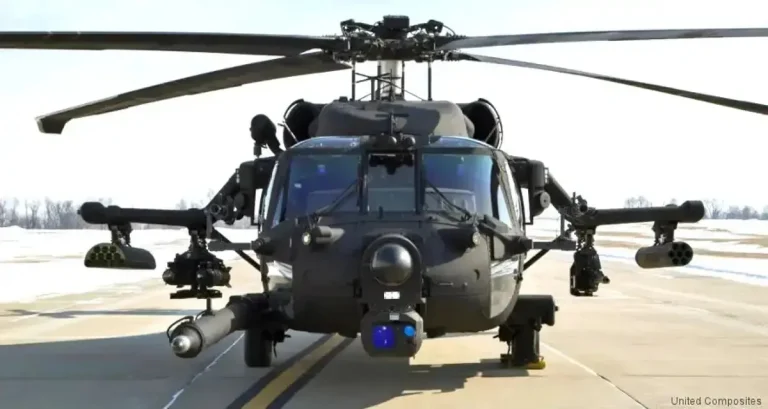
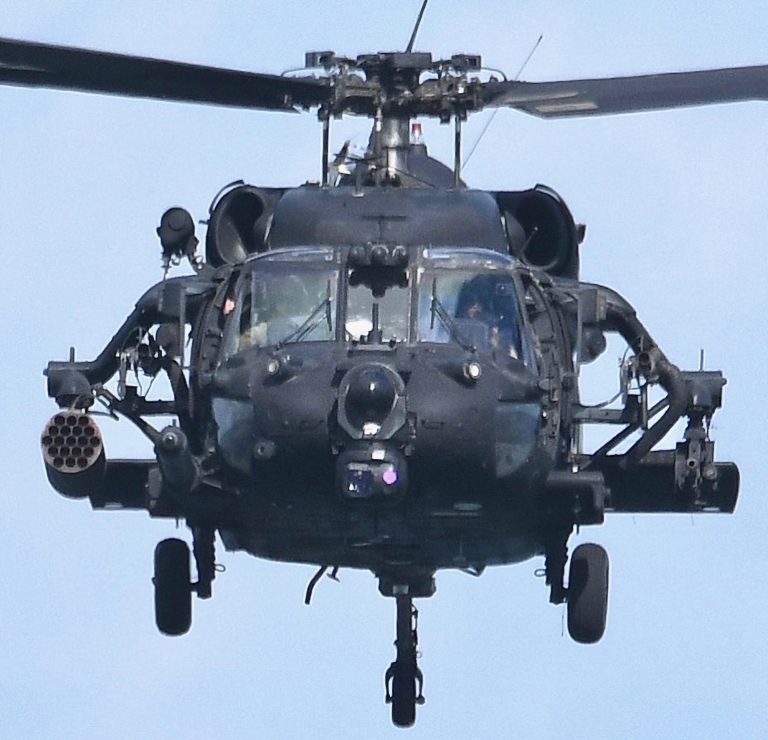
The MH-60M DAP is far more than just a transport helicopter: it is a multi-purpose combat aircraft equipped to carry out the most complex missions in high-threat areas. It is based on the well-known UH-60 Black Hawk platform, but the Direct Action Penetrator modification transforms it into a fully-fledged asset for supporting assault teams, conducting precision strikes, and providing cover for ground troops.
The main idea was to create a helicopter capable of:
- provide fire support;
- ensure the deployment and evacuation of special forces;
- operate in complex tactical conditions;
- integrate into networked and joint operations.
The DAP combines high maneuverability, crew protection, and powerful armament—exactly what is needed to support special operations forces in densely populated areas, mountains, and jungles.
Weapons and Equipment: Flexibility for the Task at Hand
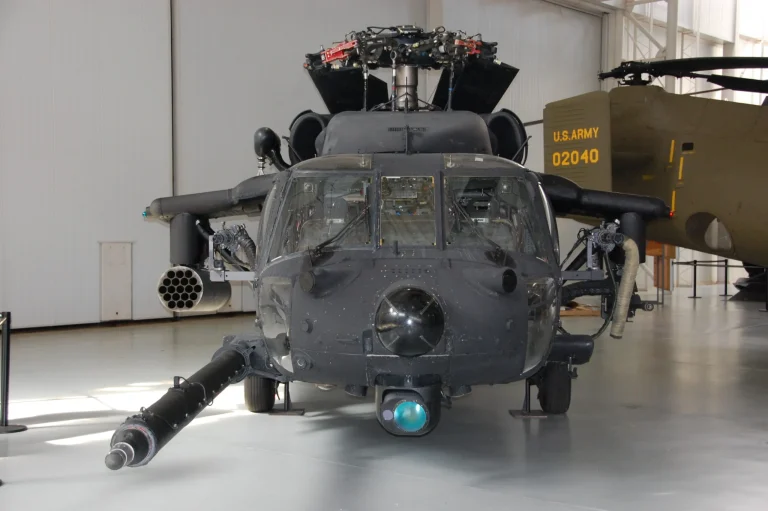
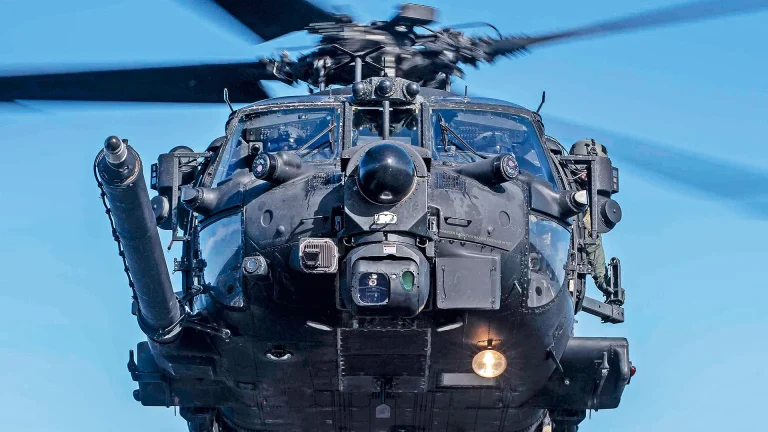
What sets the MH-60M DAP apart from the standard Black Hawk transport helicopter is its armament and sensor systems.
Fire Support
The DAP is equipped with:
- automatic cannons and machine gun mounts;
- air-launched missile systems;
- the capability to mount guided air-to-surface missiles and unguided rockets.
This arsenal enables the helicopter to:
- suppress enemy firing positions;
- support the operations of ground units;
- ensure remote threat suppression.
Sensors, Communications, and Security
- high-performance infrared and optical sensors for nighttime and all-weather surveillance;
- integrated communication systems with ground units and aviation;
- countering low-altitude air defense systems;
- Protection of the crew and critical systems against small-arms fire and shrapnel.
This combination makes the DAP not just a transport vehicle, but a combat system capable of independently participating in dynamic conflicts.
Tactical Role in the Operation
During the Venezuelan operation, the MH-60M DAP carried out several key missions.
Assault Support and Fire Support
As special operations forces approached high-value targets, the DAP suppressed enemy firing positions, provided cover for the assault force’s movement, and secured areas where resistance might be expected.
Rapid Deployment and Evacuation
The MH-60M DAP was used for:
- deploying operational teams directly into hot zones,
- the rapid evacuation of the wounded or isolated units;
- the redeployment of operation participants who re-enter the zone.
Combat Coordination
Thanks to its high level of network integration, the DAP functioned not only as a firepower platform but also as a flying communications and reconnaissance node, transmitting data to ground headquarters and other aviation units.
Advantages of the Platform in the Venezuelan Context
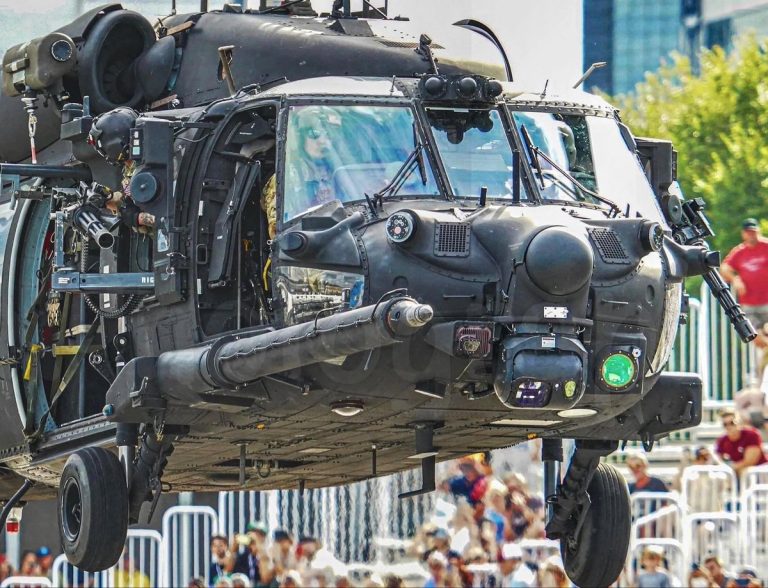
Faced with the unique challenges of the Venezuelan theater of operations (densely urbanized areas, rugged terrain, and a complex air defense line), the MH-60M DAP demonstrated the strengths that define its value:
Maneuverability at low altitude
The Black Hawk was historically designed to operate precisely in such conditions, and the DAP variant retains this capability, enabling safe flight paths at low altitudes under the cover of the terrain.
Nighttime Performance
Thanks to its high-resolution sensor systems, the DAP was able to operate effectively at night, which provided a significant advantage during surprise operations.
A wide range of roles
It was not just an attack helicopter, but a versatile platform capable of quickly switching between fire support, transport, reconnaissance, and coordination missions.
Comparison with Traditional Attack Helicopters
The DAP is often compared to classic attack helicopters such as the AH-64 Apache or the AH-1Z Viper. However, the MH-60M DAP occupies its own niche—its strength lies in its versatility and integration into multi-tiered operations, rather than in its specialization in destroying armored vehicles.
Unlike specialized helicopters, the DAP can:
- to fire and transport troops simultaneously;
- work in close coordination with ground teams;
- perform dynamic tasks using sensors and more general-purpose communication systems.
Why DAP Is the Key to Modern Special Forces Operations
The challenges of the 21st century require flexibility from the armed forces. Low-intensity operations, surprise seizures, counter-sabotage operations, and the fight against asymmetric threats require platforms that:
- adapt quickly to objectives;
- don’t get stuck in a narrow role;
- are able to support human activities on Earth;
- maintain a high survival rate.
The MH-60M DAP has become one of the best solutions to meet these requirements.
Conclusion
The MH-60M Direct Action Penetrator is not just the Black Hawk’s “ugly duckling”—it is a combat multitool that combines the capabilities of a transport, attack, and reconnaissance helicopter. During the operation in Venezuela, it demonstrated that modern aerial platforms must be flexible, reliable, and integrated.
The strength of the DAP lies not only in its weaponry, but also in its ability to operate as part of a complex tactical mosaic, helping special forces, aviation, and ground forces achieve their objectives under any conditions.
по материалам https://www.twz.com/air/this-is-what-the-night-stalkers-mh-60m-direct-action-penetrator-brought-to-the-venezuelan-op