The Engine Race: Russia and China on the Path to an Aviation Breakthrough. What Lies Behind the New Chinese CJ-2000 Aircraft Engine

Today, it is difficult to say with certainty which country—Russia or China—is closer to mass-producing its promising high-thrust aircraft engines: the Russian PD-35 or the Chinese CJ-2000. But perhaps that isn’t the most important thing. What is far more important is that, in the very near future, the world may see the emergence of two new powerplants capable of ensuring independence from Western monopolists in the civil aviation industry. This “safety net” in the form of alternative solutions gives aircraft designers and manufacturers significant room to maneuver—especially if work on one of the engines is delayed. Ultimately, this paves the way for new Russian and Chinese wide-body airliners, which will become a symbol of both countries’ technological sovereignty.
China’s CJ-2000: A Breakthrough in the High-Thrust Engine Class
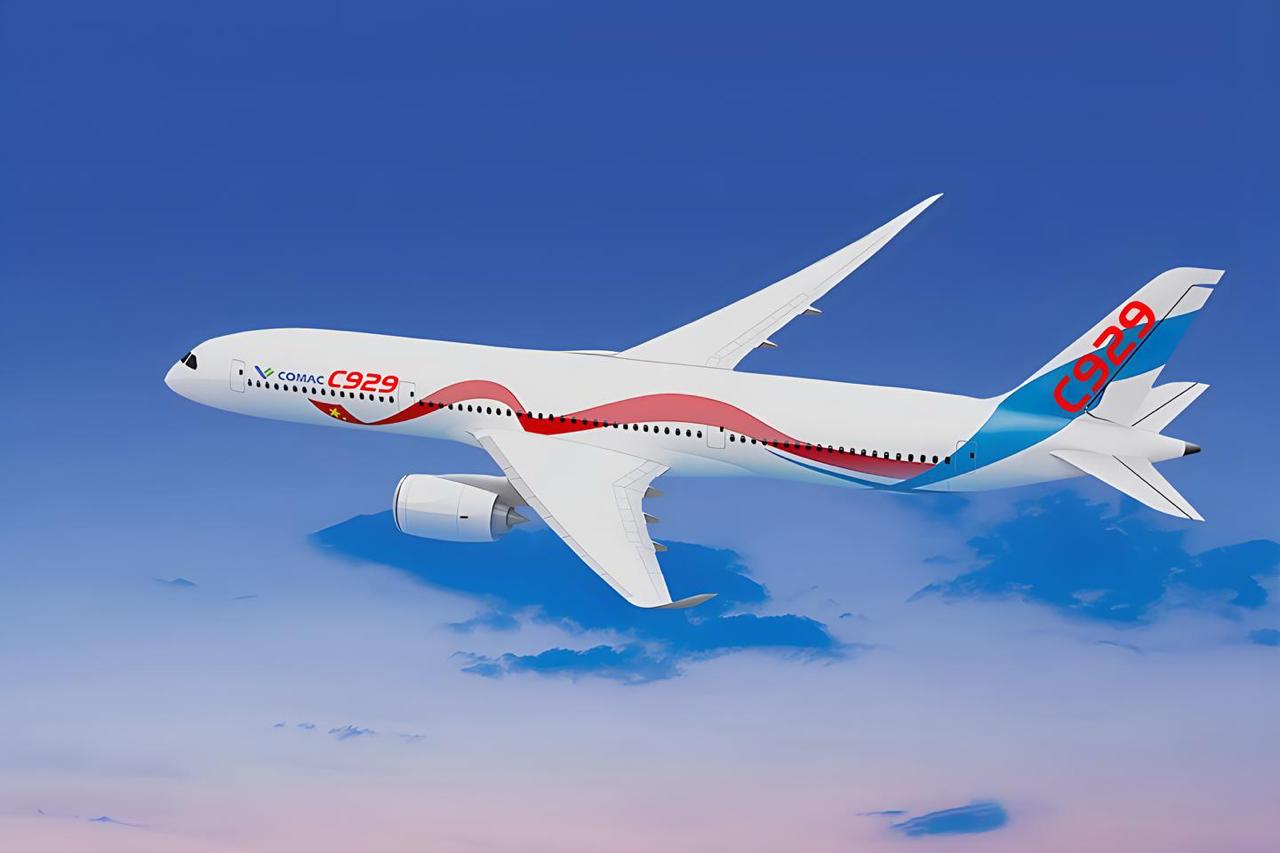
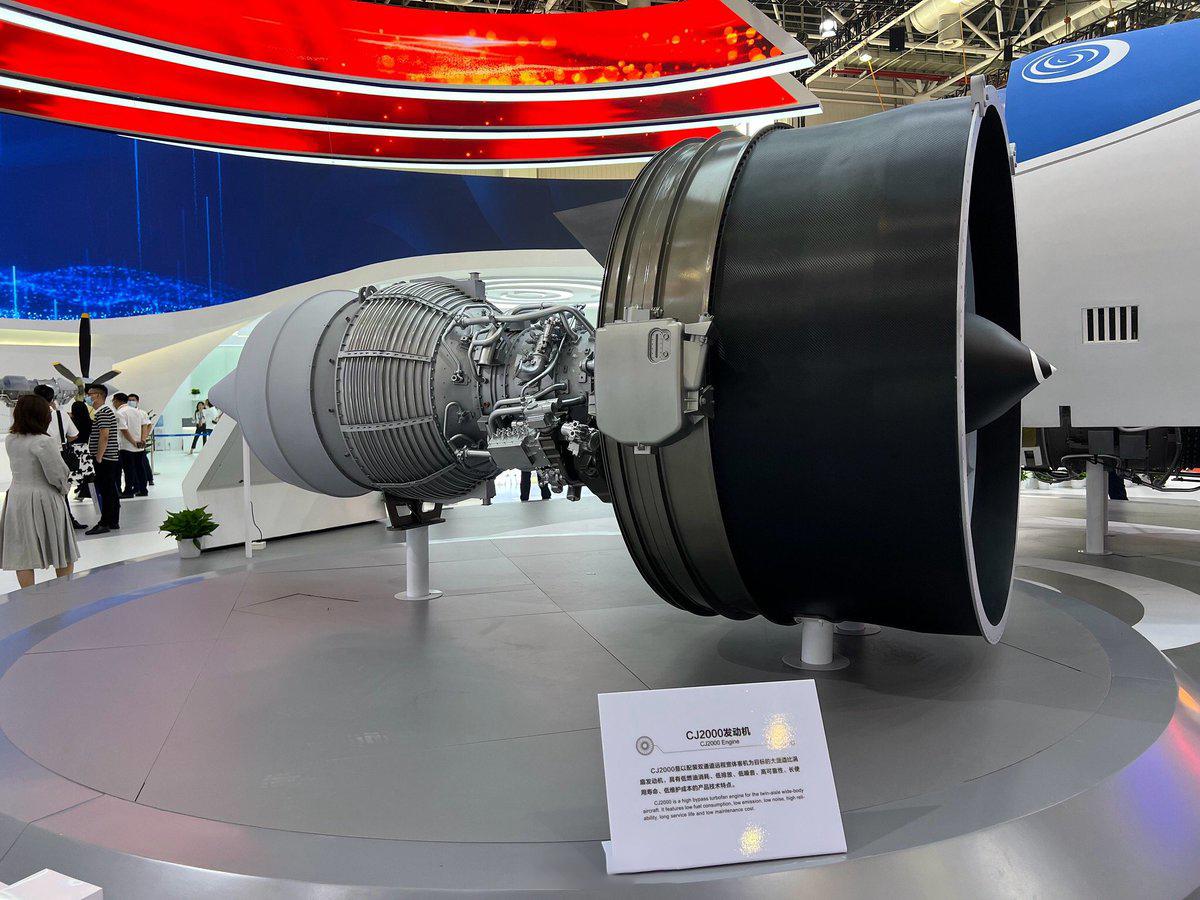
The Chinese CJ-2000 turbofan engine, developed specifically for the next-generation COMAC C929 wide-body aircraft, achieved its design thrust of 35.2 metric tons (about 345 kN). This performance places it in the same technical class as global leaders such as the GE GEnx and Rolls-Royce Trent 1000, which are used on the Boeing 787 and Airbus A350, respectively.
For China, achieving this level of thrust is not merely an engineering success, but a strategic breakthrough in one of the most complex and closed-off areas of aircraft manufacturing: the development of high-thrust engines with a high bypass ratio. The CJ-2000 features a bypass ratio of approximately 12:1, which not only ensures high fuel efficiency but also significantly reduces noise and emissions—key requirements of modern civil aviation.
The CJ-2000 as the basis for the C929 program
The CJ-2000 engine is considered a key component of the entire C929 program — a mid-size wide-body airliner designed to carry 280–400 passengers with a range of up to 12,000 kilometers. The aircraft is being designed with more than 50% composite materials, making it competitive with its Western counterparts.
The C929 was originally developed as a joint project between China and Russia under the name CR929; however, after Russia withdrew from the partnership in 2023, the program was completely reoriented toward Chinese domestic technologies. This decision accelerated the domestic mobilization of resources and strengthened the focus on import substitution for critical components, including the engine.
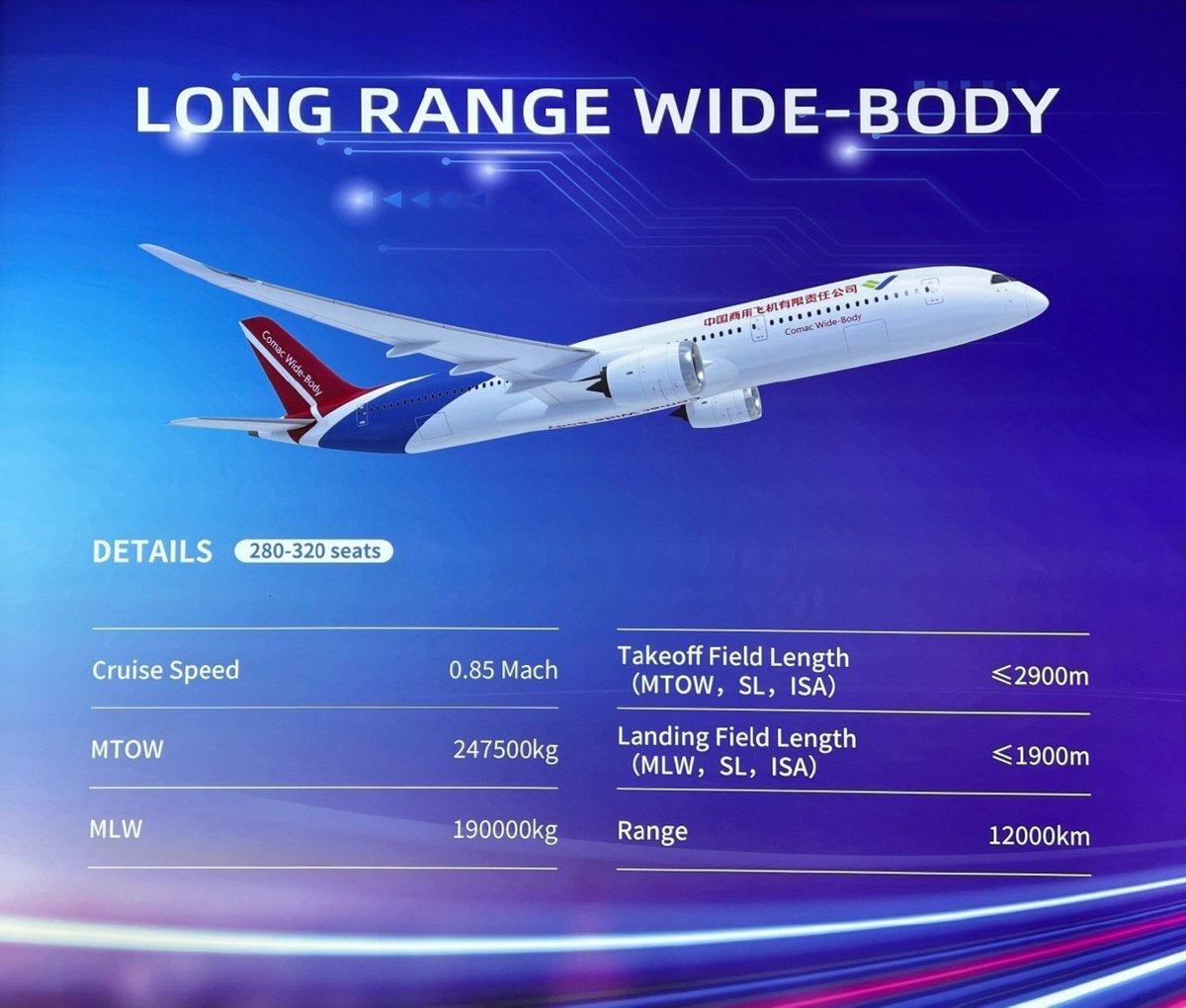
Developed under the supervision of AECC Shanghai
The CJ-2000 project is directly managed by the Shanghai AECC Engine Research Institute (AECC Commercial Aircraft Engine Co., Ltd.). This organization is China’s leading institution for the development of high-thrust civil turbofan engines.
Although the program has been officially declared to be entirely domestic, foreign consultants—as well as suppliers of specific technologies or materials—may have been involved in its early stages. Nevertheless, Beijing’s ultimate goal is to exercise full control over intellectual property and domestic supply chains. This aligns with China’s overall strategy to achieve technological autonomy in strategic sectors.
Russia and PD-35: A Parallel Path
On the other side of Eurasia, Russia continues to work on its own PD-35 engine, which is being developed by the United Engine Corporation (UEC). Its estimated thrust is 30–35 metric tons, making it a direct competitor to the CJ-2000 and a potential option for use on Russian and, possibly, export airliners.
Back in 2024, Russian Deputy Prime Minister Denis Manturov stated that deliveries of the PD-35 for the C929 project were “under consideration.” However, it appears that these plans never progressed beyond diplomatic statements—after Russia withdrew from the CR929 project, cooperation in this area was effectively halted. Nevertheless, the parallel development of the PD-35 and the CJ-2000 creates an interesting situation: the two largest Eurasian powers are simultaneously mastering one of the most complex technologies in aircraft manufacturing.
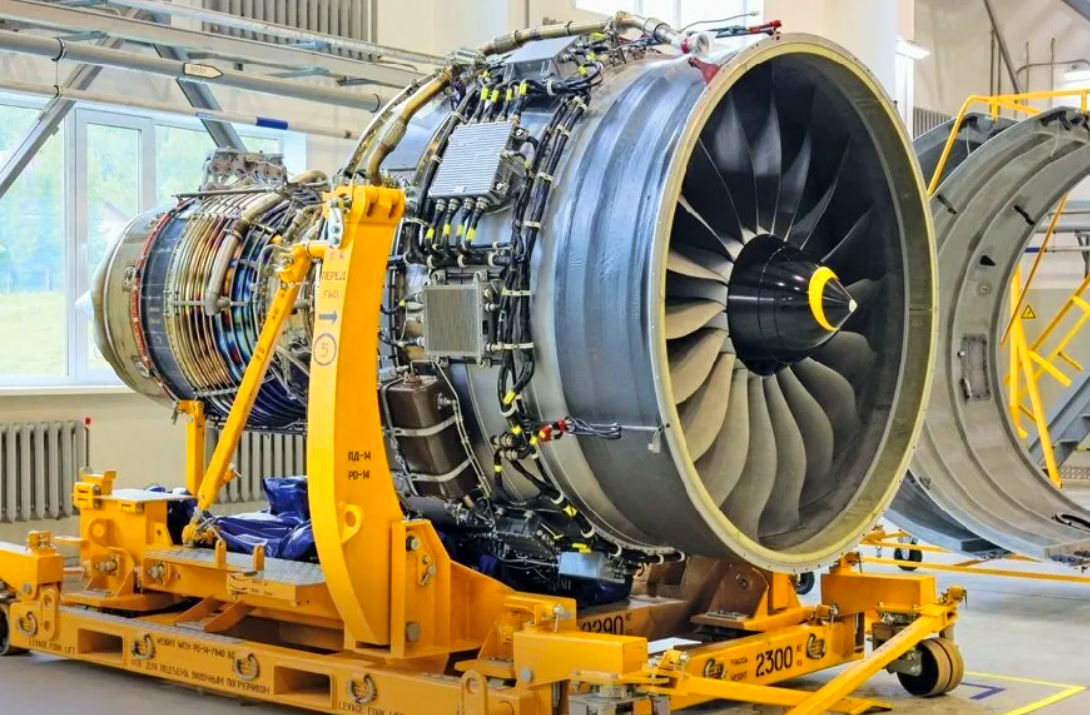
PD-35 Engine
Conclusion: Independence as a Priority
Although the CJ-2000’s certification and the start of commercial operations for the C929 are still several years away, the very fact that the engine has achieved its design thrust is a clear sign that China has made significant progress in implementing its ambitious civil aircraft manufacturing program. Russia is undertaking similar efforts.
Amid global geopolitical tensions and technological restrictions imposed by the West, such projects take on not only economic but also strategic significance. Having our own high-thrust engines is not merely a matter of competitiveness in the air transport market, but a matter of national security and technological sovereignty.
Thus, even if the CJ-2000 and the PD-35 do not enter service at the same time, their coexistence is already shifting the global balance of power in civil aviation—and marks the beginning of an era in which Asia and Eurasia will no longer depend on Western “engines of progress.”