The SM-940K Takes on Boeing. Stavatti Aerospace's Bold Design in the Competition for the U.S. Airborne Refueling Aircraft

Stavatti Aerospace’s projects are no strangers to our website. However, despite its impressive portfolio, the company has yet to boast any real achievements—not a single flying prototype, at least to my knowledge. Stavatti came closest to success in Ukraine, where it proposed a project for a promising attack aircraft. But, as was to be expected, the contract was never signed. The true reasons for the failure remain behind the scenes, but, by all accounts, they have nothing to do with technical shortcomings.
Today, Stavatti decided to try its hand once again at a truly futuristic aircraft project. We’ll take a closer look at what it entails below.
Foreword
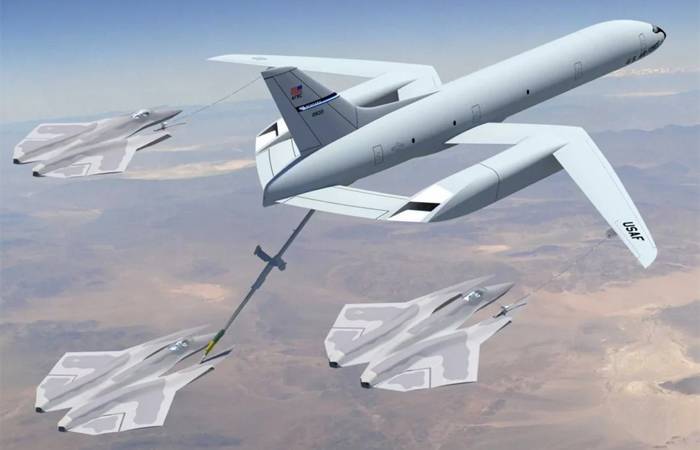
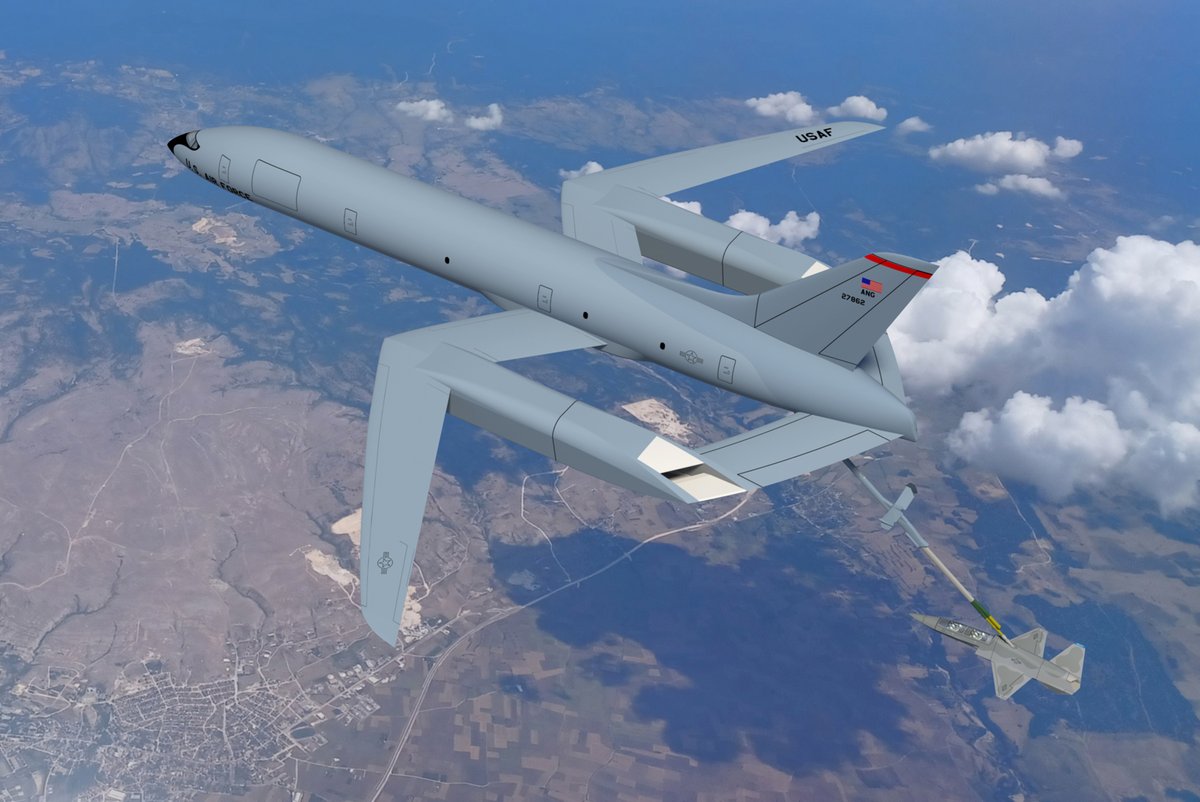
On October 24, 2025, Stavatti Aerospace officially announced its participation in the U.S. Air Force’s “Next Generation Air-refueling System” (Next Generation Air-refueling System, NGAS), presenting the SM-940K concept—a large, twin-engine refueling aircraft. This move marks the company’s debut in the highly competitive military transport aviation sector and places it on par with giants such as Boeing and Airbus, which are already participating in the program.
NGAS: A New Era in In-Flight Refueling
The NGAS program is a strategic initiative of the U.S. Air Force aimed at gradually replacing the aging KC-135R Stratotanker and KC-10A Extender fleets, as well as supplementing the recently fielded KC-46A Pegasus. The goal is to create a versatile platform capable of operating in the context of current and future multi-domain conflicts.
Key requirements for the new refueler include:
- Increased range and endurance—the ability to remain at a station for extended periods and to rapidly redeploy between theaters of operations;
- Payload flexibility—combining the functions of refueling, transporting cargo and passengers, and relaying communications;
- Versatile interfaces—support for both boom and probe-and-drogue refueling systems;
- High cruising speed—up to transonic speeds (up to Mach 0.97);
- Resilience and adaptability—resistance to electronic jamming and air defense threats, and the ability to be upgraded to meet changing mission requirements.
NGAS is designed to shape the future of aerial refueling aircraft through the 2040s and beyond, providing the U.S. Air Force with a technological edge amid growing global instability.
Stavatti Aerospace: An Unexpected Contender
Founded in 1994 and reorganized as a Wyoming corporation in 2019, Stavatti Aerospace Ltd. long remained in the shadow of major aircraft manufacturers. However, its headquarters and state-of-the-art manufacturing facilities, located in the former U.S. Army Reserve Command complex at Niagara Falls International Airport (New York), cover more than 16,700 m² and are equipped to develop cutting-edge aviation solutions.
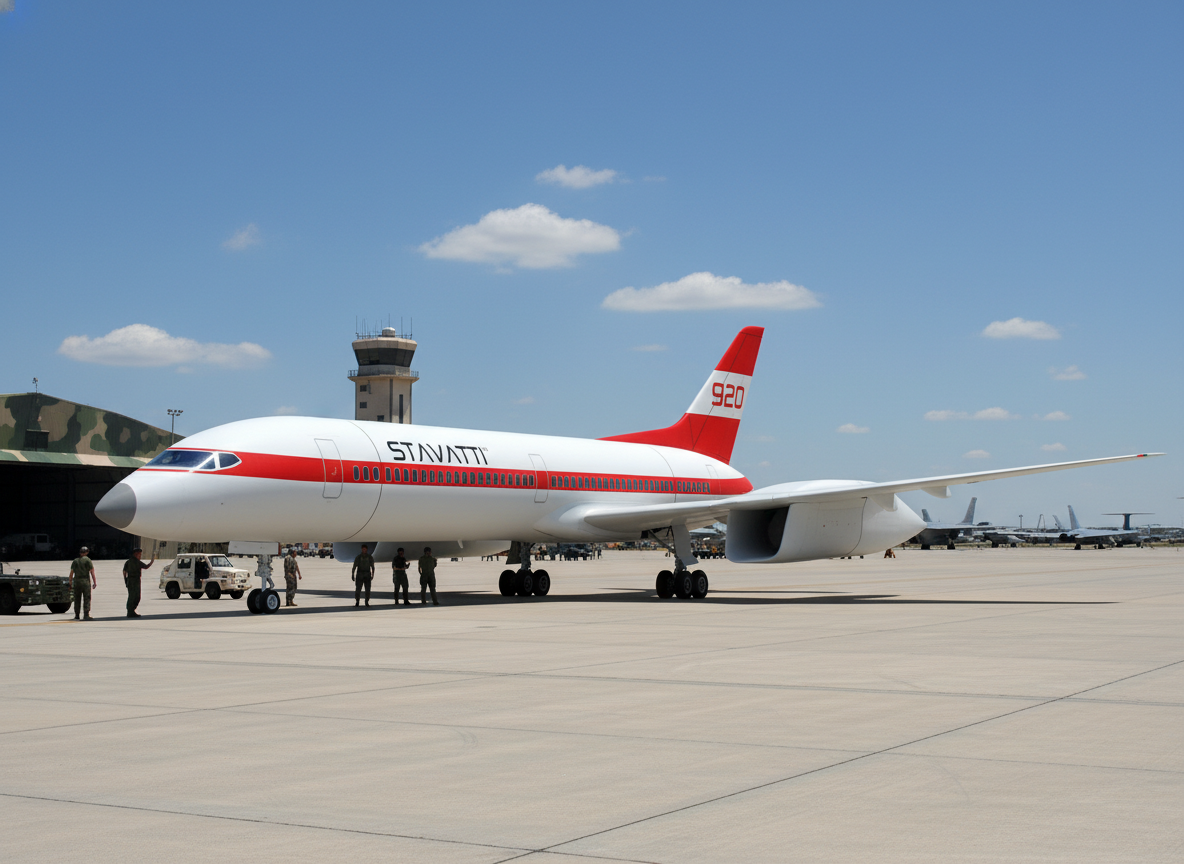
Until 2025, the company was known primarily for its experimental projects, including the SM-920 passenger airliner. It was this project that served as the basis for the SM-940K—a military version adapted to meet NGAS requirements.
SM-940K: Technical Specifications and Innovations
The SM-940K is a twin-engine aircraft that combines advanced aerodynamic solutions with proven design approaches. Its key features include:
- M-shaped wing — reduces aerodynamic drag and improves efficiency at cruising speeds;
- A multi-layered metal sandwich construction—provides high strength with minimal weight;
- Variable-geometry air intakes—optimize airflow during various flight modes;
- A combined refueling system—consisting of a single boom and up to three hose-and-dome refueling points—enables simultaneous refueling of different types of aircraft (fighters, bombers, UAVs).
Key Specifications of the SM-940K:
- Length: 45.7 m
- Wingspan: 37.8 m
- Height: 13.1 m
- Wing area: 139 m²
- Leading-edge sweep: 36°
- Maximum takeoff weight: >226,000 kg
- Payload: ~162,000 kg
- Cruising speed: up to 0.97 M
- Range: 25,023 km
- Range in refueling mode: 7,756 km
- Fuel for power output: 45,000 to 136,000 kg
- Runway length: ~1,920 m
- Course length: ~1,030 m
Three variants of modern turbofan engines with a high degree of dual-circuit configuration are being considered as powerplants:
- Pratt & Whitney PW1133G-JM (with gearbox);
- General Electric CF6-80C2B1F;
- Rolls-Royce Trent 7000.
Each engine is capable of producing approximately 14,989 kgf of thrust, giving the SM-940K a thrust-to-weight ratio in the range of 0.28–0.32 and a specific wing loading of approximately 650 kg/m² — performance figures comparable to the best models in civil and military aviation.
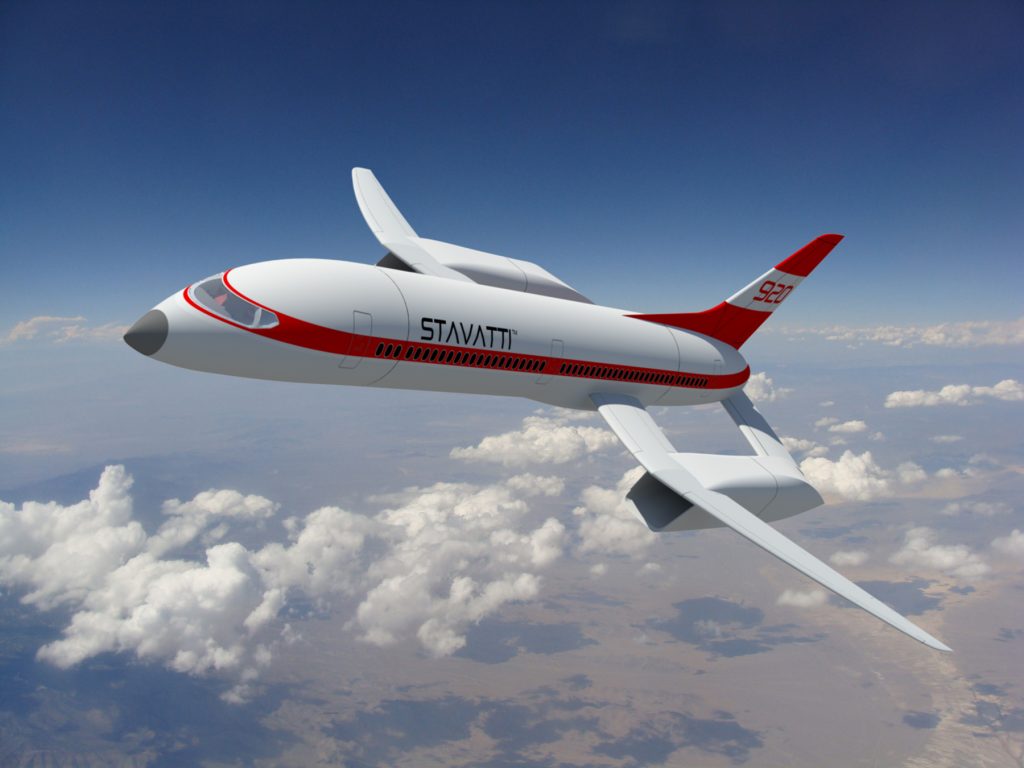
The
company also unveiled a passenger version. If this aircraft is adopted
The Strategic Significance of Stavatti’s Application
According to the company’s internal data, the SM-940K outperforms existing refueling aircraft—including the KC-46A and even the European A330 MRTT—in terms of payload, fuel transfer capacity, and range. This makes it particularly attractive for supporting new strategic bombers, such as the B-21 Raider, as well as for operations in remote regions—from the Pacific Ocean to the Arctic.
Moreover, the standardized SM-940K platform can serve as the basis for an entire family of specialized aircraft: from command and control centers and radar patrol aircraft to medical evacuation modules. This approach is consistent with the NGAS philosophy—to reduce logistical complexity by maximizing component commonality.
Conclusion: A Challenge to the Established Order
Stavatti Aerospace’s participation in the NGAS competition is not just a bold move, but a potential turning point in the history of U.S. military aviation. If the SM-940K passes the selection stages and receives funding for prototyping, it will mark the first time in decades that a contract for a strategic refueling aircraft has gone to an independent player rather than Boeing or Lockheed Martin.
At a time when the U.S. Air Force is seeking not just a replacement for its aging aircraft, but a revolutionary platform for future wars, the bold SM-940K project may turn out to be exactly the solution it needs. Boeing, take note—you’ve been challenged.
Sources:
https://military-exotic.blogspot.com/2026/01/stavatti-aerospace-sm-940k-2025.html