China Has Test-Flied a Manned Tiltrotor Aircraft for the First Time: A Step Toward the Future of Aviation

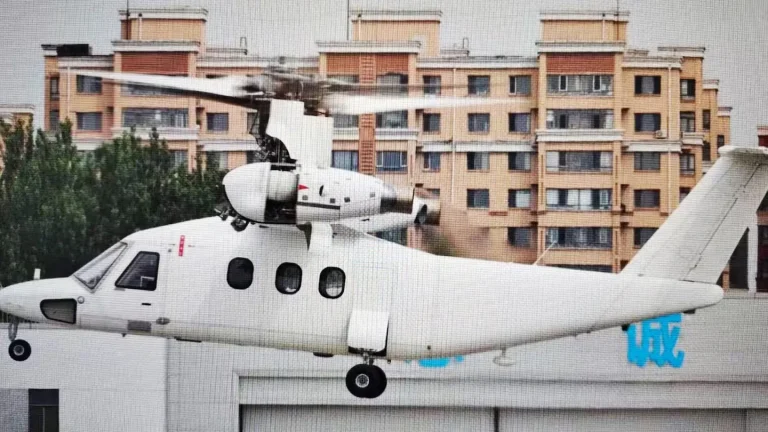
A new manned tiltrotor has appeared in China and is already undergoing flight tests—a first for the country. This aircraft combines the best features of a helicopter and an airplane: it can take off and land vertically like a helicopter, but fly forward at high speeds like a conventional airplane, making it unique in its class.
Hybrid Aviation: Vertical Takeoff and Aircraft Speed
The tiltrotor combines:
- vertical takeoff and landing (VTOL), which is characteristic of helicopters;
- horizontal flight at high speed, just like a conventional airplane.
This is achieved thanks to the swiveling propellers—they tilt upward for takeoff and can switch to a forward position for cruise flight.
The new Chinese aircraft resembles foreign models such as the Italian AW609 and the American V-280 Valor and V-22 Osprey in terms of its layout, but it is an independently developed design with its own unique features.
What is known about the specifications and design
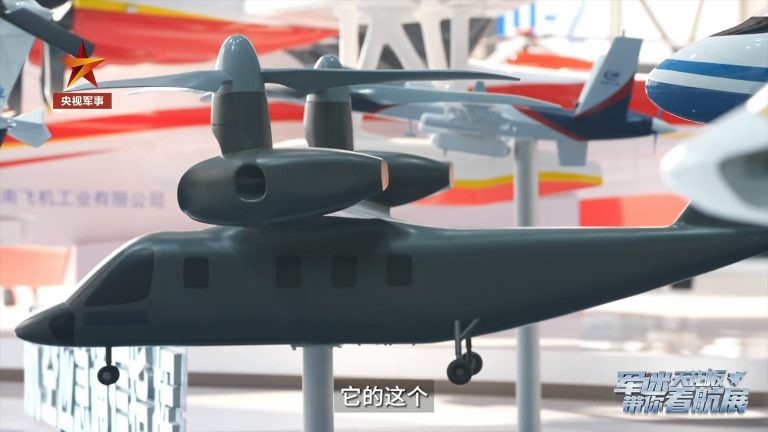
Although the program remains fairly secretive and does not officially disclose all the details, the available images and information provide insight into its key elements:
Case and Configuration
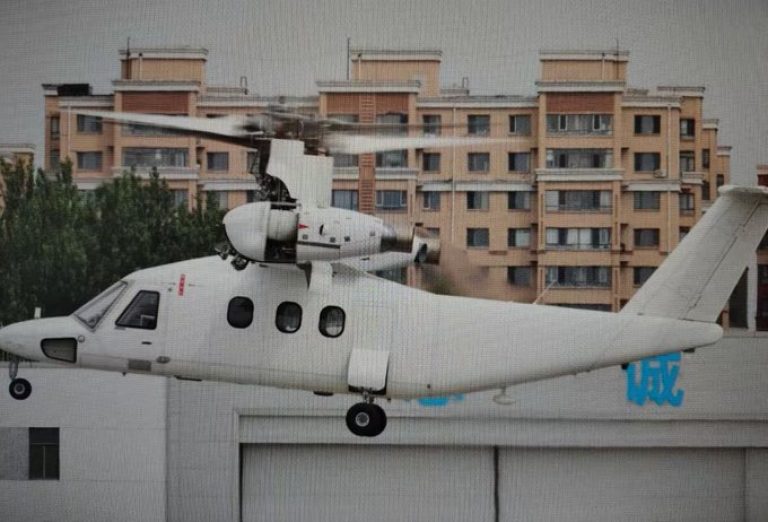
- The aircraft has a twin-engine configuration with engines located at the wingtips.
- Rotating propeller units (proprotors) are located at the wing tips, enabling vertical takeoff and transition to horizontal flight.
- At the tail is a classic T-tail with a rudder, which helps steer the aircraft during level flight.
Cabin and Crew
The photos show that the aircraft has a piloted cockpit, making it China’s first known tiltrotor capable of carrying crew members.
Subframe
The tiltrotor is equipped with retractable landing gear consisting of three wheels: one at the front and one under each wing, which simplifies taxiing and landing.
Comparison with Foreign Equivalents
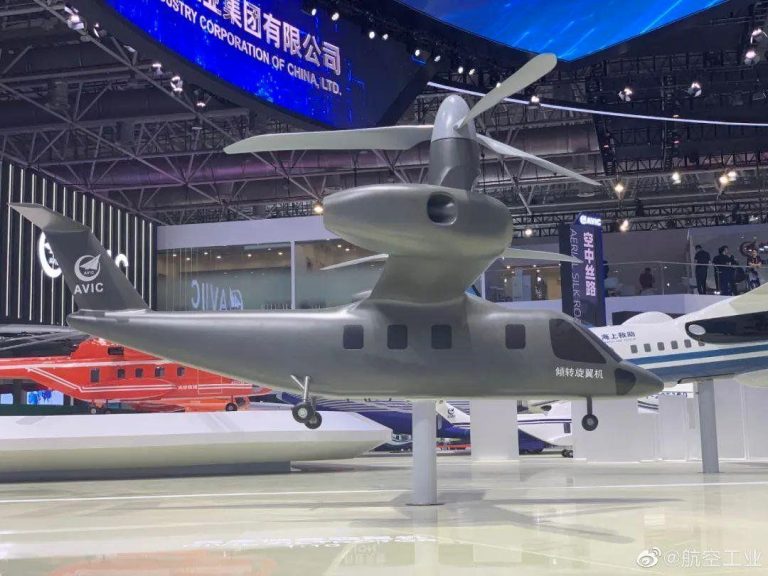
Judging by the images, the new Chinese tiltrotor is roughly comparable in size and design to the Italian AW609—a hybrid aircraft designed for both civilian and special missions. The AW609 can carry up to 12 passengers and is intended for both commercial and potential military missions.
The key difference from large military aircraft such as the Bell V-22 Osprey is that, in the V-22, most of the powerplant and the rotors rotate together with the engine nacelle, whereas in newer designs (including the Chinese one), only the front section rotates, which reduces complexity and potentially increases reliability.
Possible uses for the machine
Although the project may officially be positioned for civilian purposes, for example:
- fast transportation of passengers and cargo between cities;
- express delivery services and medical evacuation;
it also has obvious military potential. Tiltrotors are ideal for: - rescue operations in hard-to-reach areas;
- deployment of special forces;
- providing logistics support in remote regions;
- airborne assault missions where there are no traditional airfields.
The advantages of vertical takeoff, combined with higher speeds than those of helicopters, make these aircraft promising for situations where a fast and flexible aviation platform is needed.
Why Is This Important for China?
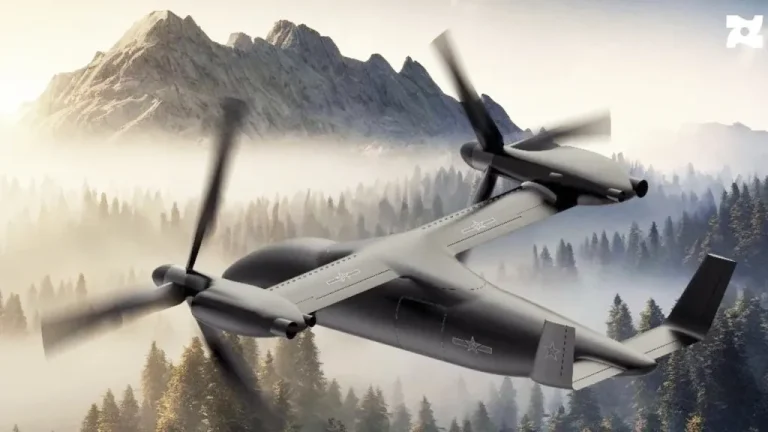
The debut of China’s first manned tiltrotor reflects the country’s growing interest in advanced aviation technologies. While traditional helicopters remain important, it is tiltrotors that offer a unique balance between vertical lift and horizontal flight efficiency—a capability that is particularly valuable for operations over the sea, archipelagos, or scattered island territories where there are no convenient airfields.
It is also important to note that these developments are taking place against the backdrop of an active expansion of aviation programs in both the civil and military sectors, including large unmanned tiltrotor aircraft and prototypes such as the Chinese R6000 — a large unmanned tiltrotor aircraft that has already undergone testing and has the potential for both transport and military missions.
Technological Challenges and Prospects
Designing a successful tiltrotor is a complex engineering challenge. These aircraft require:
- complex mechanics of swivel joints;
- precise control during transitions between vertical and horizontal flight;
- a high-precision flight control system.
Experience with projects abroad shows that developing reliable and safe aircraft in this class can take years—for example, the Italian AW609 underwent a lengthy certification process, and the American V-22s encountered technical difficulties as early as the commissioning phase.
Nevertheless, the unveiling of a manned Chinese prototype marks an important technical milestone that could accelerate the development of similar platforms and pave the way for larger, more versatile vehicles.
Conclusion
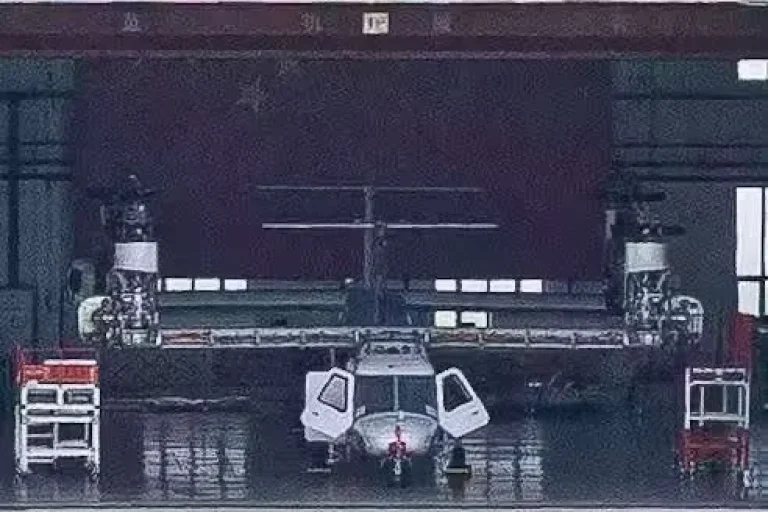
China’s first known manned tiltrotor demonstrates that the country is actively moving toward developing complex types of aircraft capable of combining the advantages of helicopters and airplanes. While the project remains in the testing phase and few details are available, the emergence of a flying prototype is already a significant step forward in the field of vertical takeoff and transition flight. Such aircraft are expected to find applications both in the civilian sector and as promising solutions for military missions in challenging operational conditions.
based on https://www.twz.com/air/chinas-first-crewed-tiltrotor-aircraft-is-flying