The U.S. Navy Is Preparing a Replacement for the Legendary T-45: What's Behind the New Freedom Jet Simulator

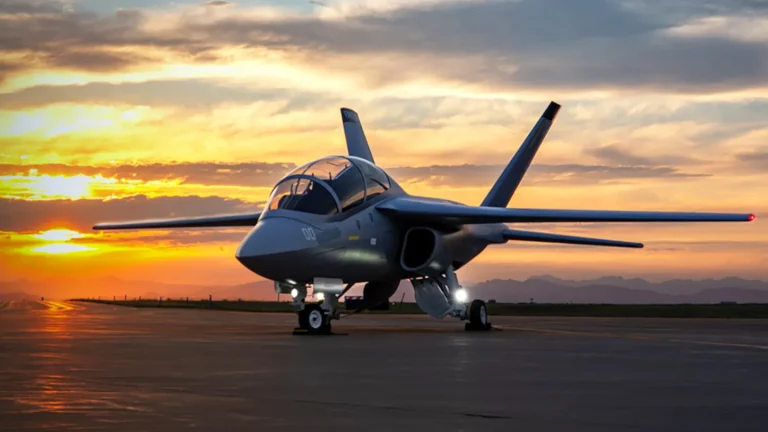
The American company Sierra Nevada Corporation (SNC) has released details about its new jet trainer, the Freedom, which could be selected as the successor to the U.S. Naval Aviation Corps’ current trainer—the T-45 Goshawk—as part of the Undergraduate Jet Training System (UJTS). The Freedom is a radically new design not based on any existing aircraft and is the only entirely new design currently known to be in the competition.
Why Do We Need a New Flight Simulator?
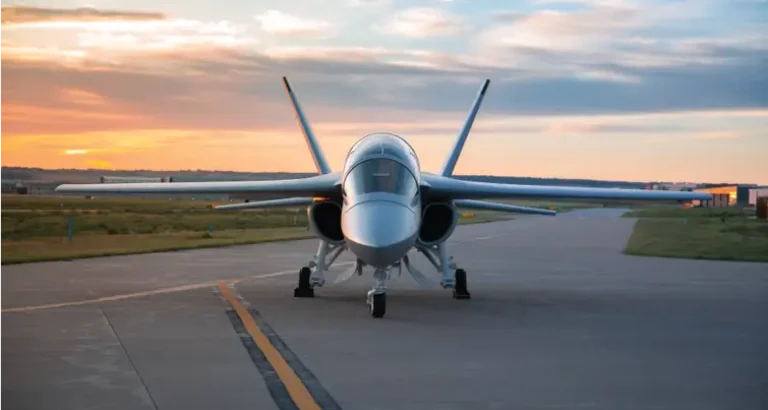
Currently, the U.S. Navy uses T-45 Goshawk jet trainer aircraft, which are based on the British Hawk and have been in service since the early 1990s. These aircraft are used to train future naval aviators, including instruction in takeoffs, landings, and the operation of jet aircraft.
However, over time, requirements have changed, and the Navy is seeking a modern trainer aircraft with lower operating costs, an extended service life, and enhanced capabilities. As part of the upcoming UJTS program, a new jet trainer will be selected, and SNC’s Freedom is one of the leading contenders.
What Is Freedom Jet?
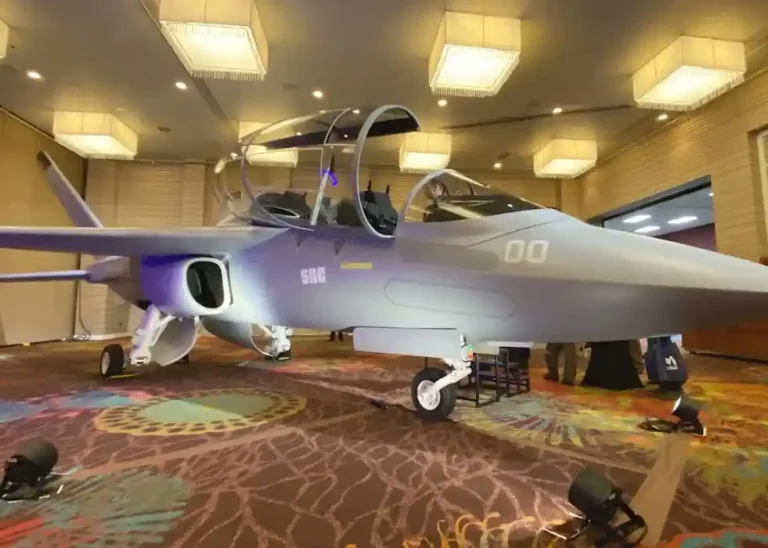
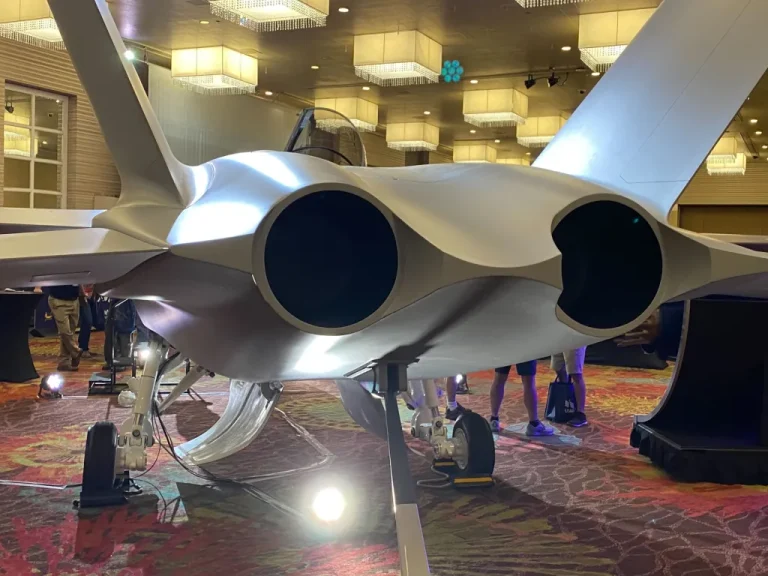
The Freedom is a twin-engine jet trainer aircraft designed specifically to meet pilot training requirements. Its design is based on two Williams FJ44-4M turbofan engines, which are widely used in business jets, offering advantages in terms of reliability and operating costs.
According to SNC, Freedom has a number of key features:
- The service life of the airframe is approximately 16,000 flight hours, which significantly exceeds the program’s current requirements;
- the ability to perform more than 35,000 touch-and-go landings and Field Carrier Landing Practices (FCLP) over the course of its service life;
- 40% lower lifetime costs compared to the T-45, as well as 30–40% longer flight times on a single fuel load;
- Aerobatic capabilities—from -3 to +8 g and an angle of attack of up to 27 degrees—bring its performance closer to the requirements for 4th- and 5th-generation aircraft.
The company emphasizes that Freedom is an original project specifically tailored to the needs of the Navy: it was developed “from scratch,” without compromise, and its configuration is designed specifically for the training of naval aviators.
Key Engineering Solutions
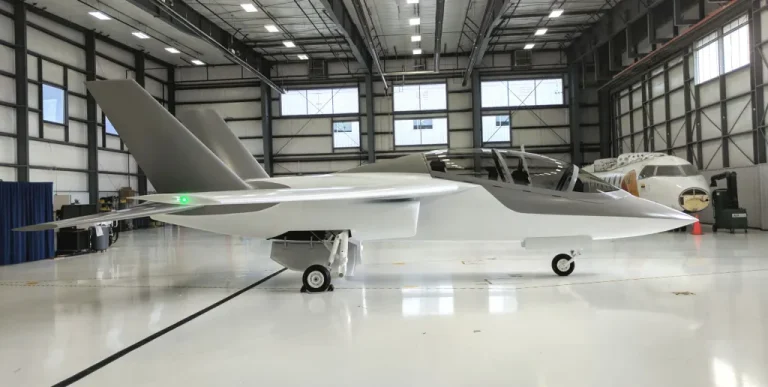
Freedom is built using modern digital methods for aerodynamic design and optimization:
- A twin-engine configuration improves safety and reliability compared to single-engine trainers such as the T-45;
- The trailing-link landing gear helps soften landings and is designed to withstand intensive training approach cycles;
- The cockpit is designed with multifunctional displays that can show data similar to that found in modern fighter jets, including the F-18 and F-35;
- Most of the aerodynamic optimization is focused on stability, high g-forces, and operation in training scenarios without the need to enter supersonic flight.
Educational Features and Positioning
SNC emphasizes that the Freedom does not simply replace the old aircraft, but provides a new level of training. Navy pilot training includes not only standard flight skills but also complex ground-based training for carrier takeoffs and landings, including Field Carrier Landing Practice (FCLP), which simulates real-world conditions for landing on a carrier deck.
Although the Navy’s requirements for future trainers have been revised and no longer include mandatory FCLP training, SNC still highlights the ability to perform “father-to-touchdown” landings as a key advantage of its program for developing skills that will later prove useful in real aircraft carrier operations.
Digital Package and Data Rights
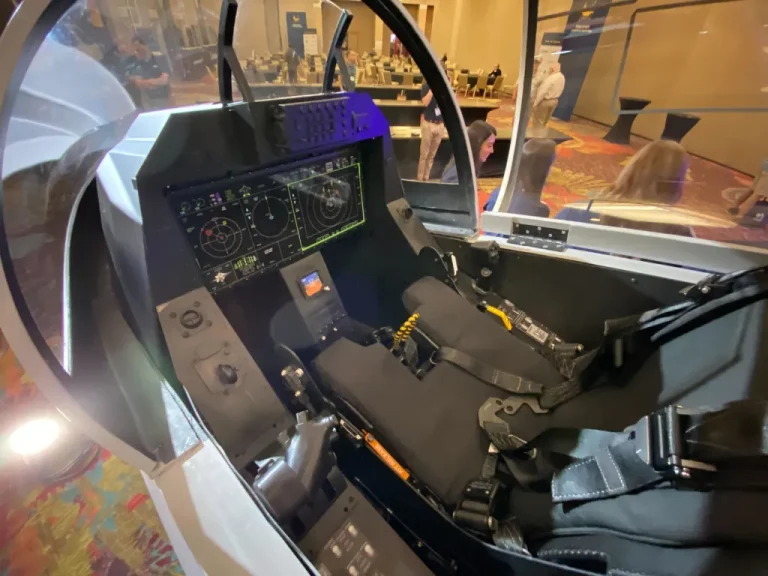
One of the notable features of SNC’s proposal is the aircraft’s complete digital package, which the company is prepared to transfer to the U.S. Navy should the project be selected. This means that the Navy will own all of the Freedom’s engineering data and digital models, enabling it to independently modernize, make adjustments, and integrate new systems in the future without relying on the manufacturer. SNC claims that this is a unique move for defense contract programs.
Competition and the Future of the Program
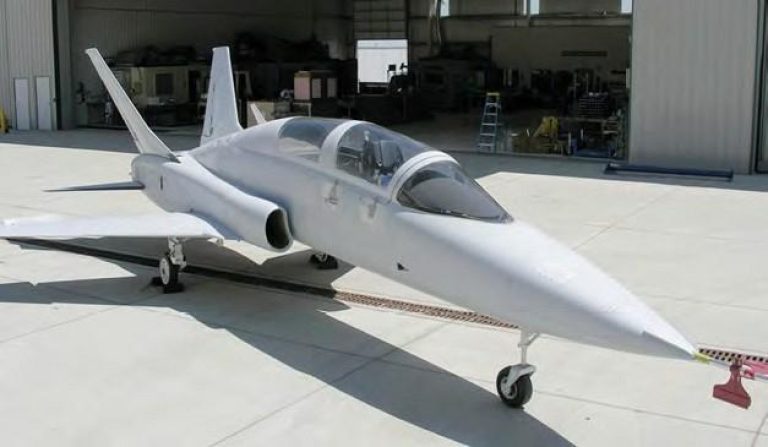
Freedom isn’t the only participant in the UJTS competition. Among its competitors are:
- the naval version of the Boeing T-7A Redhawk;
- TF-50N от Lockheed Martin и Korea Aerospace Industries (KAI);
- The Beechcraft M-346N from Textron/Leonardo, based on an existing platform.
While most competitors are using modified existing designs, Freedom is the only entirely new design in the race, and this could play a key role in the selection process. The Ministry of the Navy has not yet published the final requirements or specific timelines for the tender, but the official request for proposals (RFP) is expected to be issued in the coming months, and a supply contract could be awarded in 2027.
Conclusion
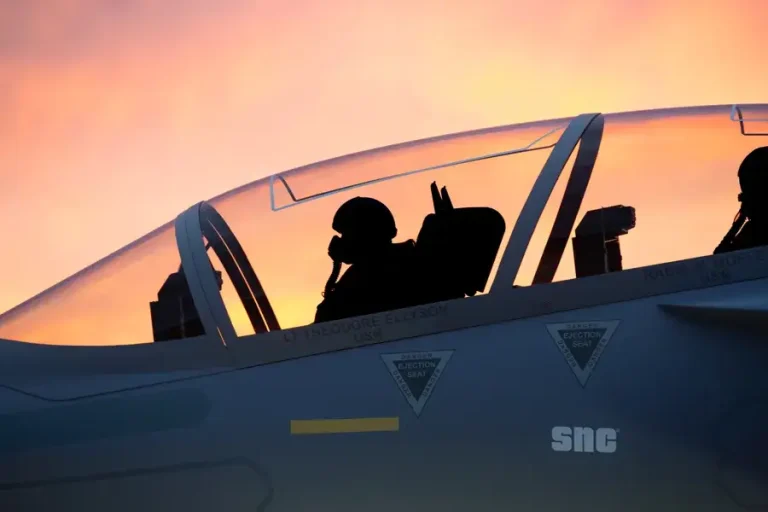
The SNC Freedom Jet is a modern training aircraft designed specifically for the U.S. Navy, with an eye toward future flight training requirements. It promises a long service life, extended flight durations, low operating costs, high safety, and advanced pilot training capabilities. Its unique approach to digital data integration and its ability to perform complex training cycles make the Freedom one of the most promising contenders in the competition to replace the aging T-45 Goshawk.