XP-51: A Korean Model Builder’s Hypothesis
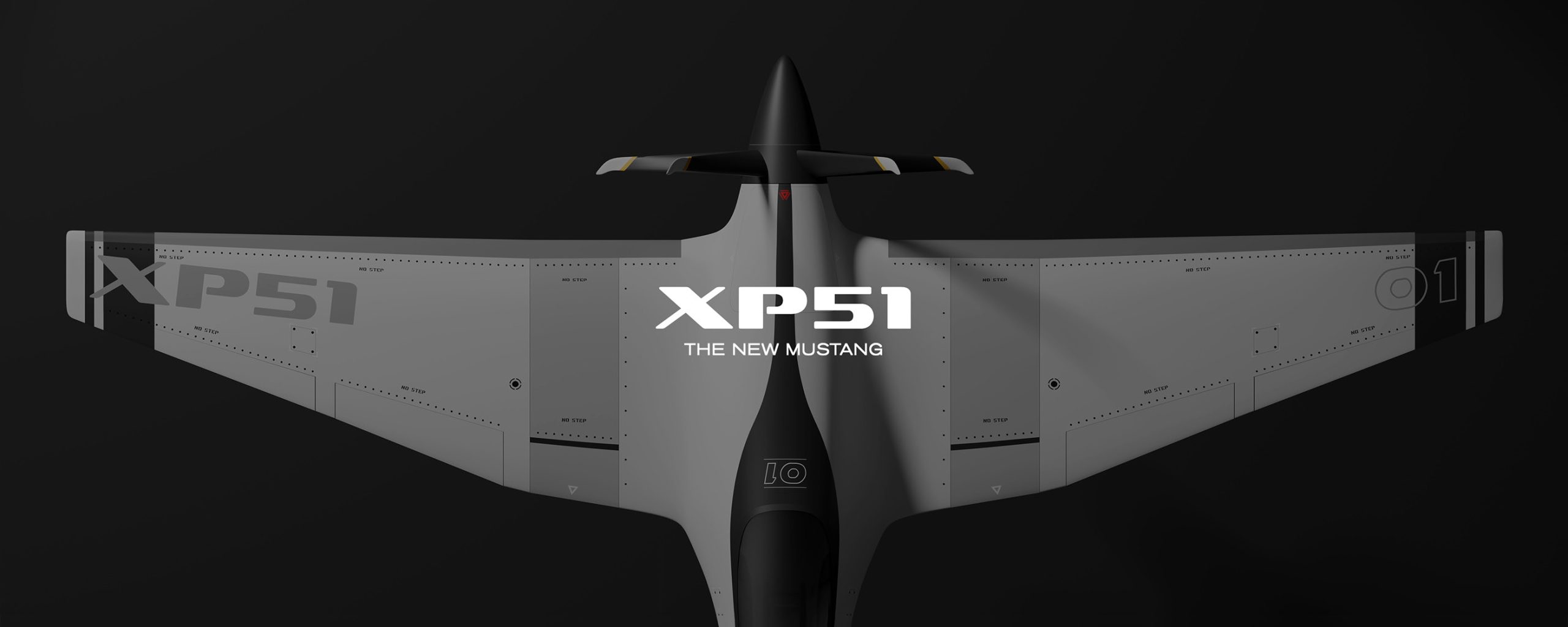
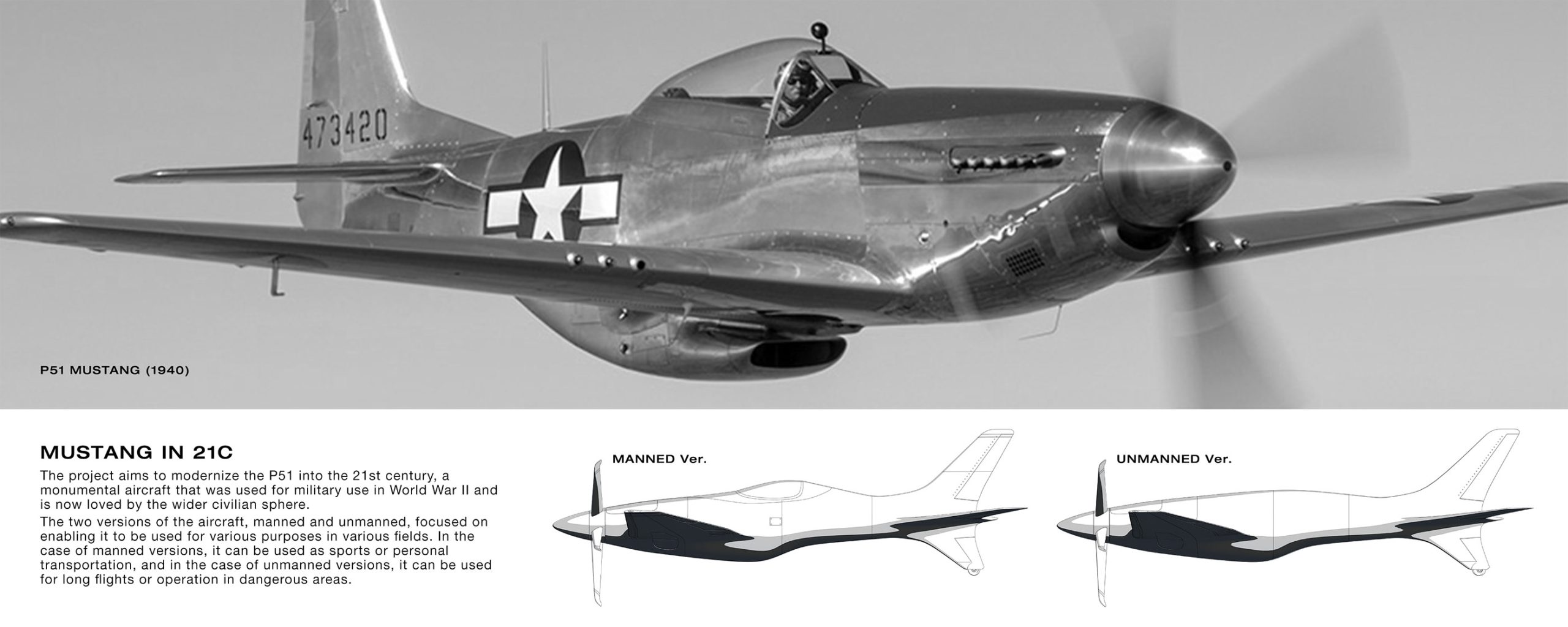
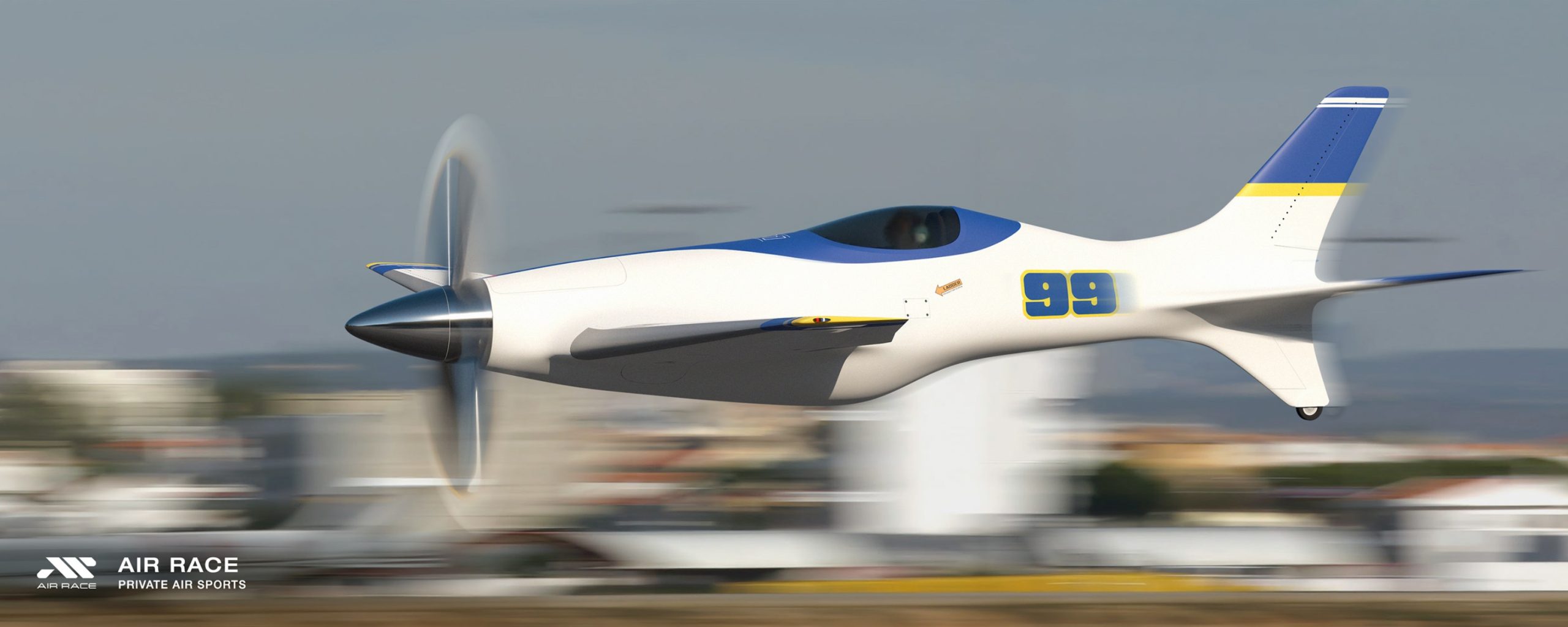
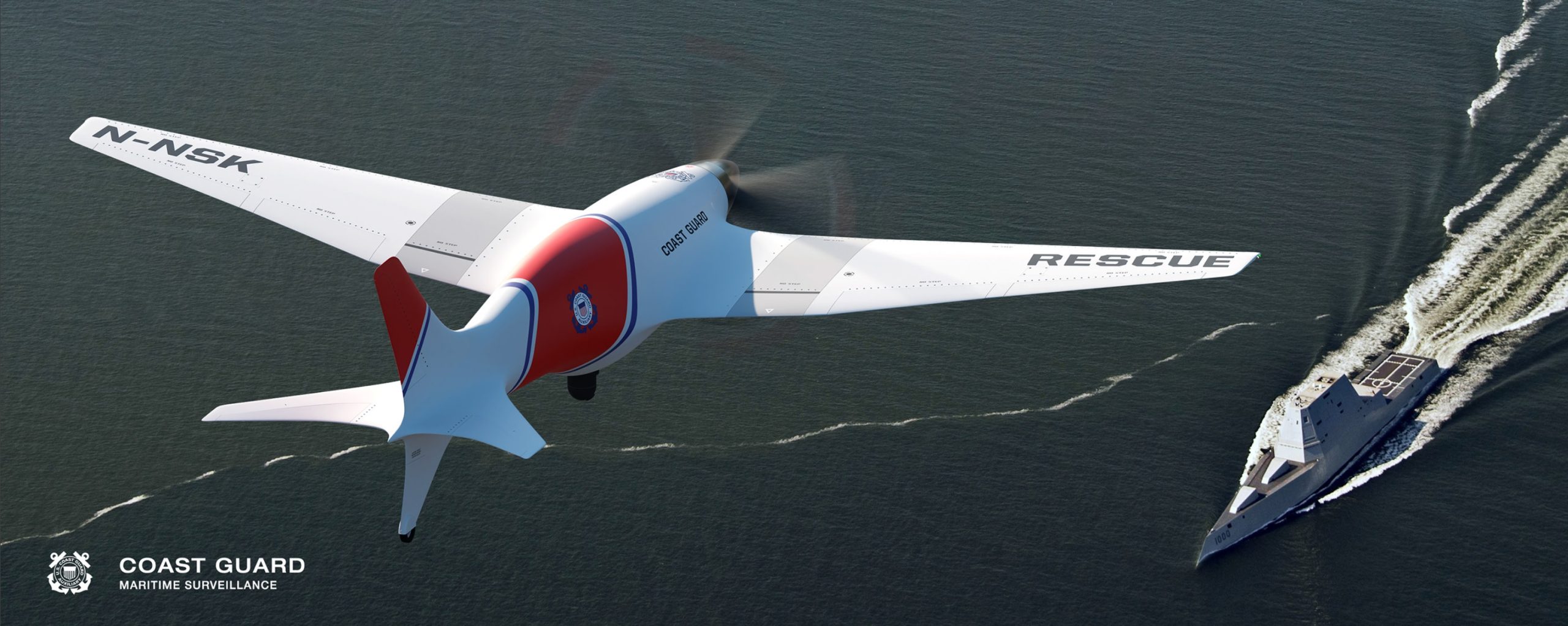
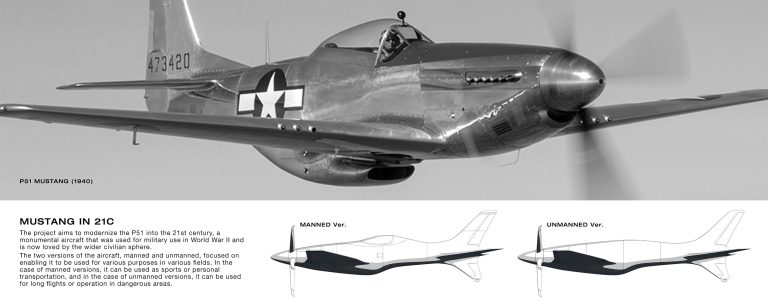
That is exactly the question Korean 3D artist and aviation enthusiast Jeongha Moon asked himself. In his project, titled XP-51, he proposes a radical reimagining of the legendary fighter jet—not a restoration, but a technological rebirth.
So what does the author propose?
Hybrid Power Plant—A Step Toward the Future
The central concept behind the XP-51 is a hybrid engine: a combination of a modern turbocharged piston engine and an electric booster. This system provides both fuel-efficient cruise mode and short bursts of increased power—similar to how it is implemented in hybrid cars, but adapted for aviation.
This decision paves the way for lower fuel consumption, increased range, and greater environmental sustainability—important factors for both military and civilian operators.
Next-Generation Aerodynamics
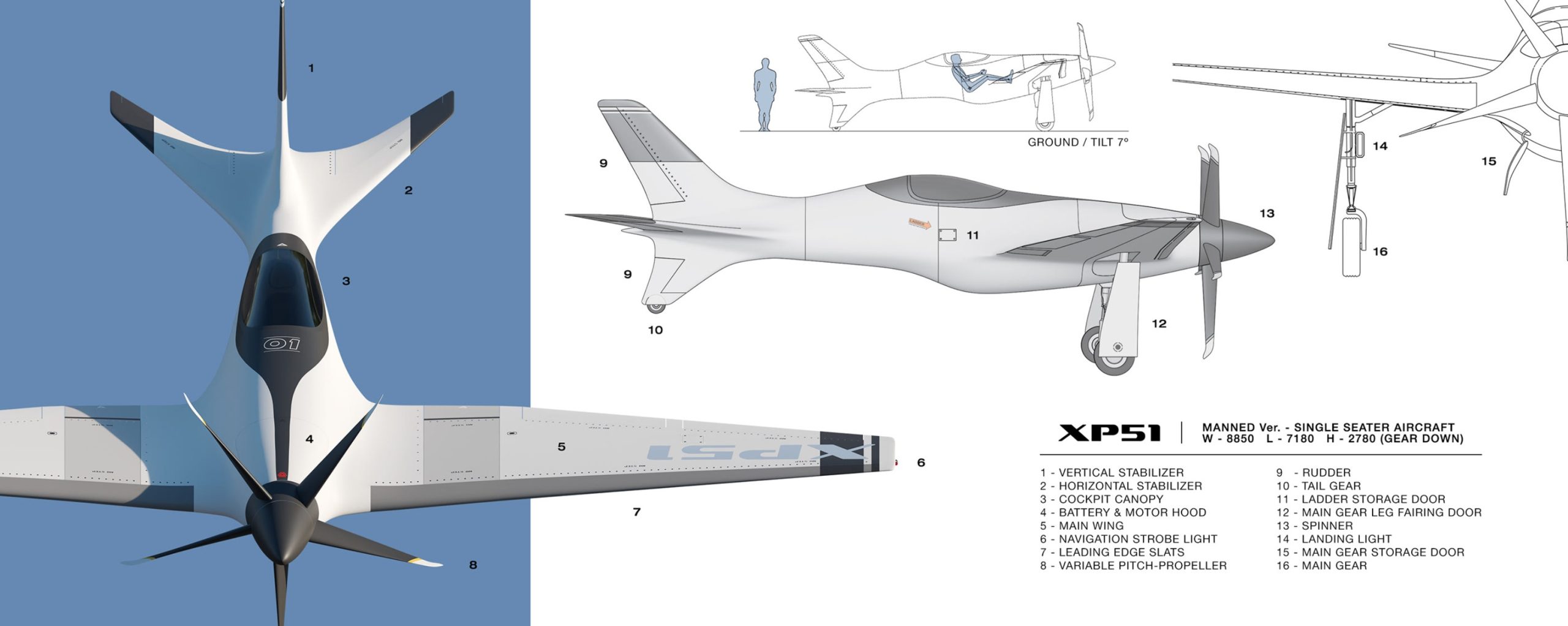
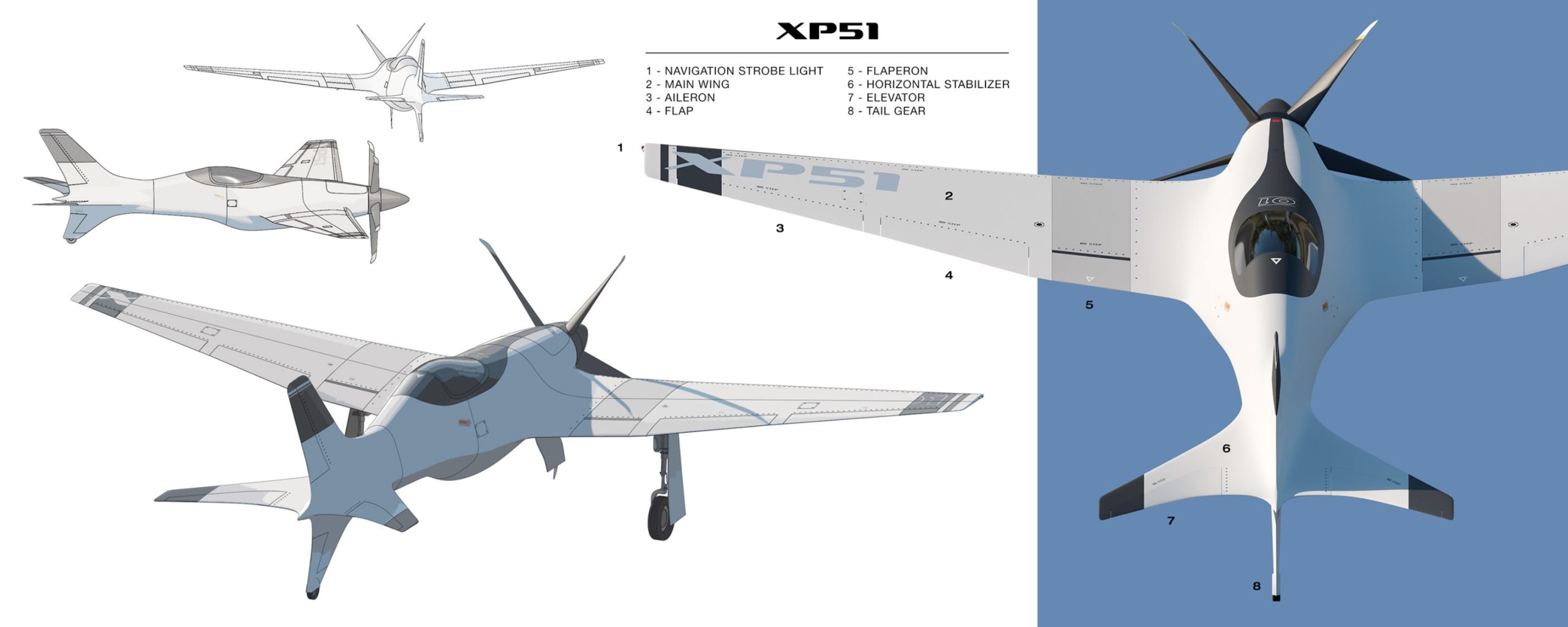
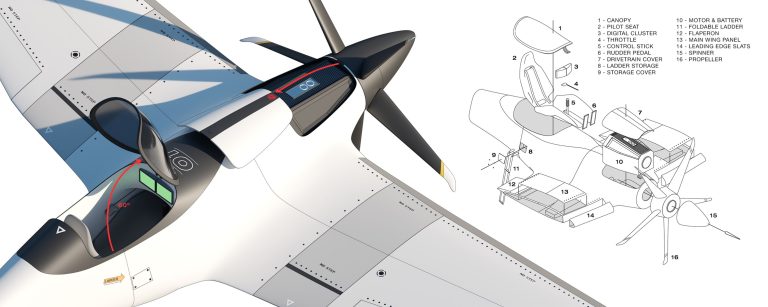
The XP-51 glider has been completely redesigned. The designer has abandoned the classic tail configuration in favor of a cruciform tail, which improves stability at high speeds and reduces wave drag.
The fuselage has become even more streamlined—with no protruding antennas, a smooth surface, and integrated air intakes. According to the modeler’s calculations, such an aircraft is capable of reaching speeds of up to 900 km/h—nearly the speed of sound, which is a phenomenal achievement for a piston-engine aircraft.
Modern Components
- The propeller was developed in the 21st century based on the latest research in blade aerodynamics;
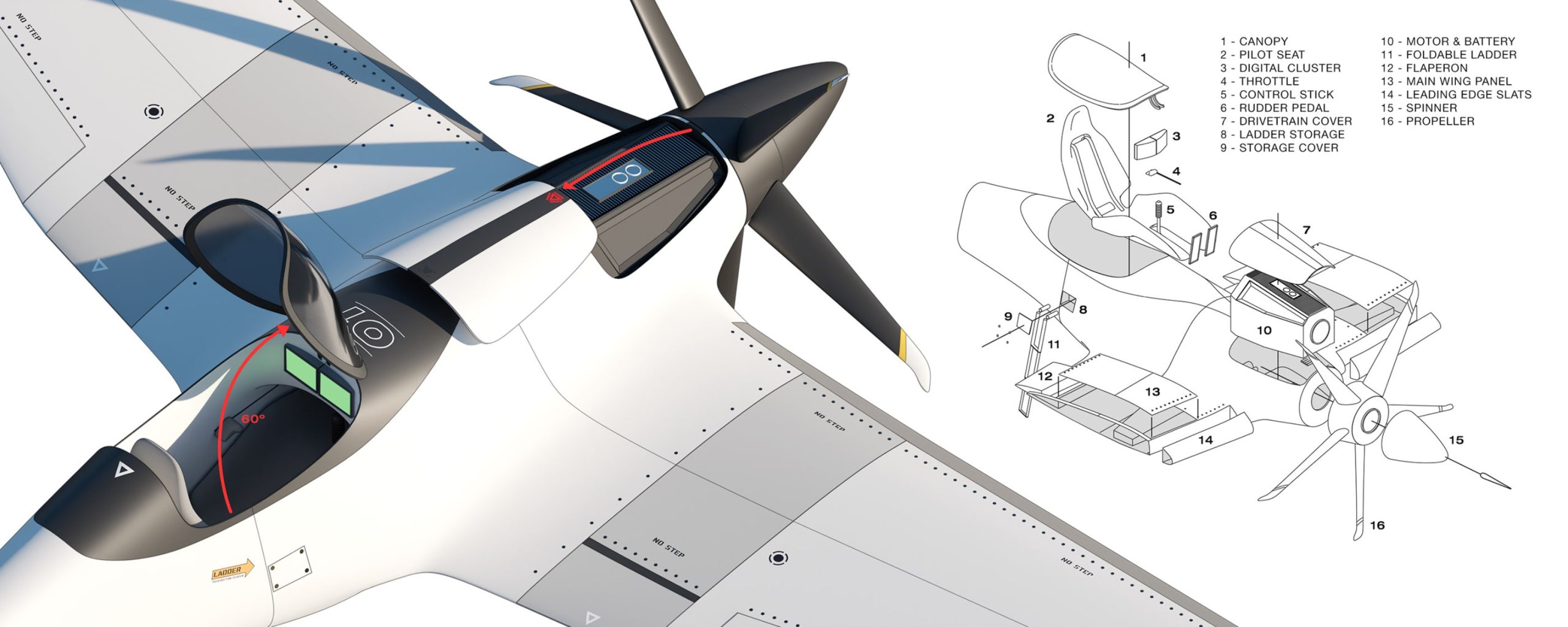
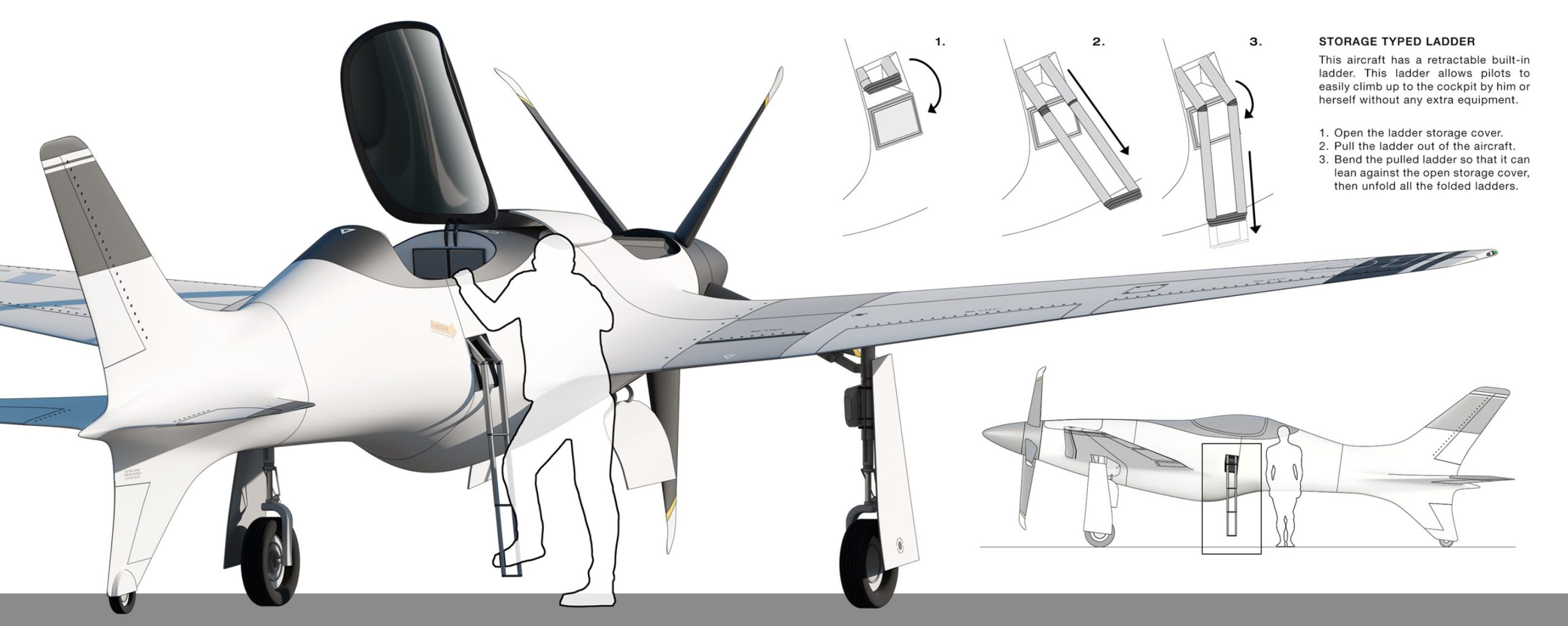
- The cockpit has been completely redesigned: it is pressurized, features a digital “glass” instrument panel, automatic control systems, and the ability to quickly switch to autonomous mode;
- Materials — Composite structures reduce weight and improve survivability.
The autonomous version — the “smart” successor
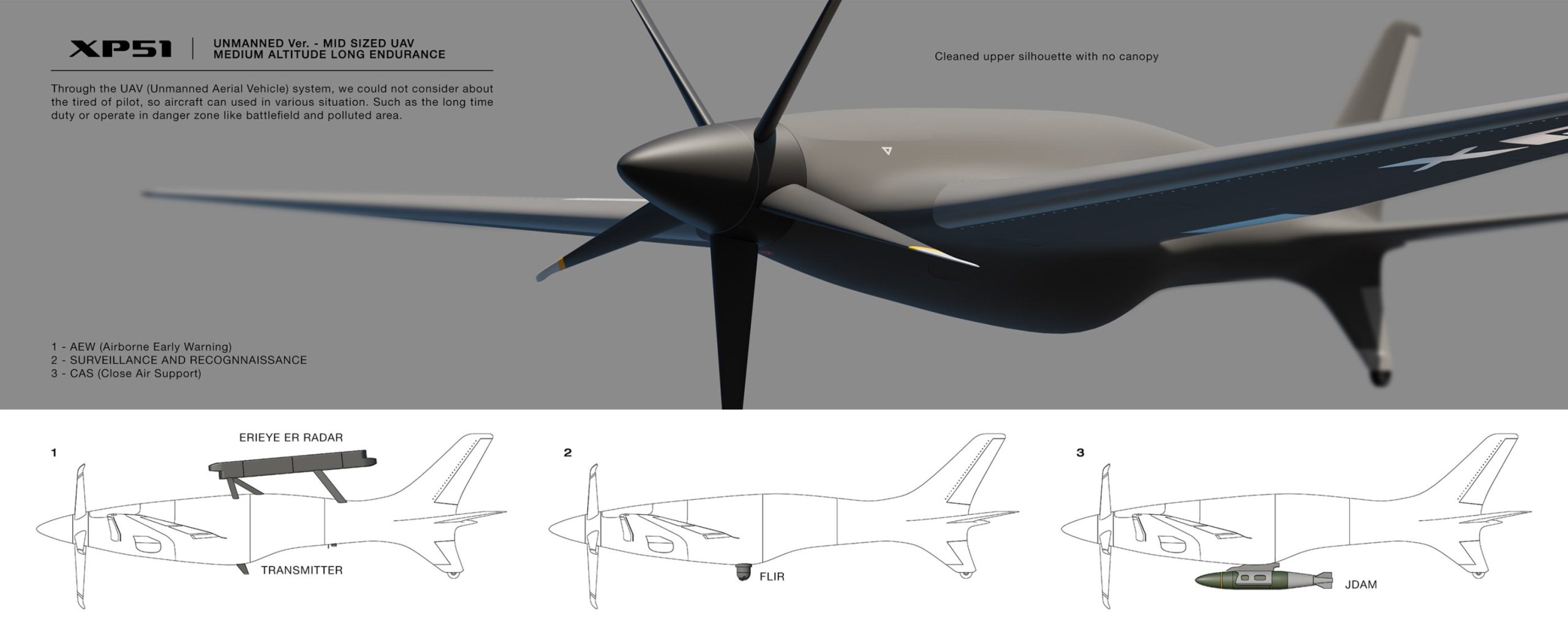
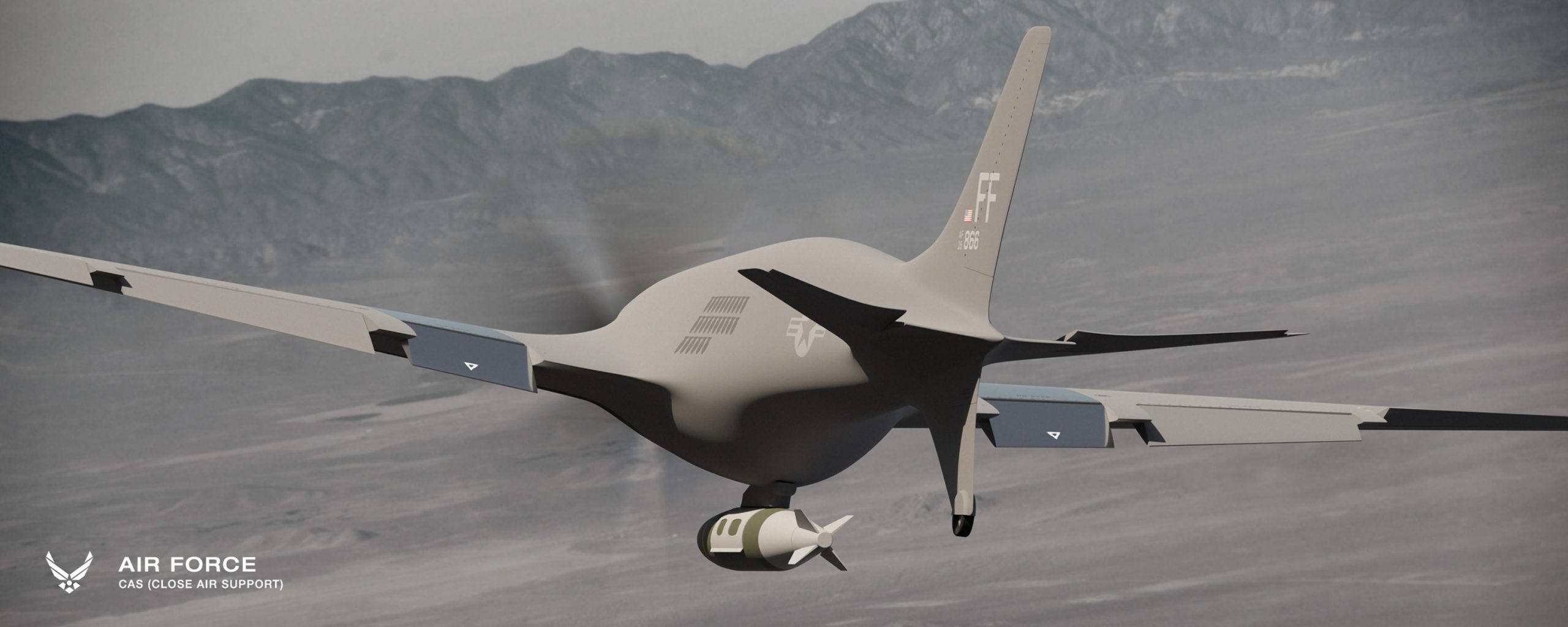
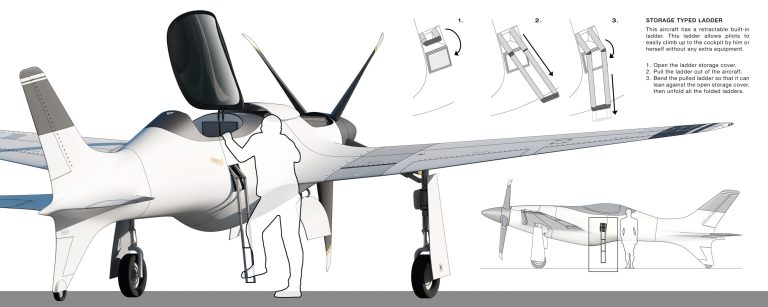
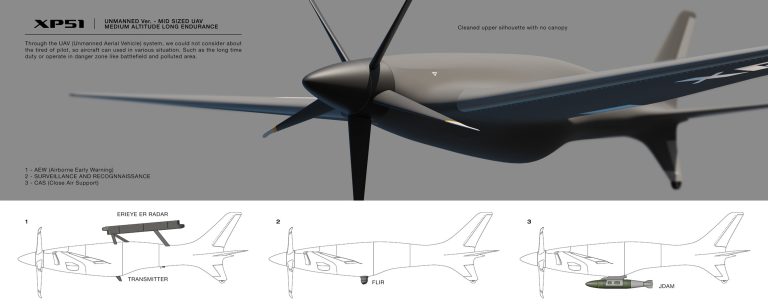
The author focuses particularly on the multifunctional UAV based on the XP-51. This version has no pilot’s cockpit and is equipped with:
- optoelectronic stations,
- through electronic intelligence,
- modular weapons (air-to-surface missiles, guided bombs, electronic warfare pods).
Such an aircraft could perform both reconnaissance and strike missions—especially in local conflicts where there is no threat from modern air defense systems.
Return to the Race Tracks
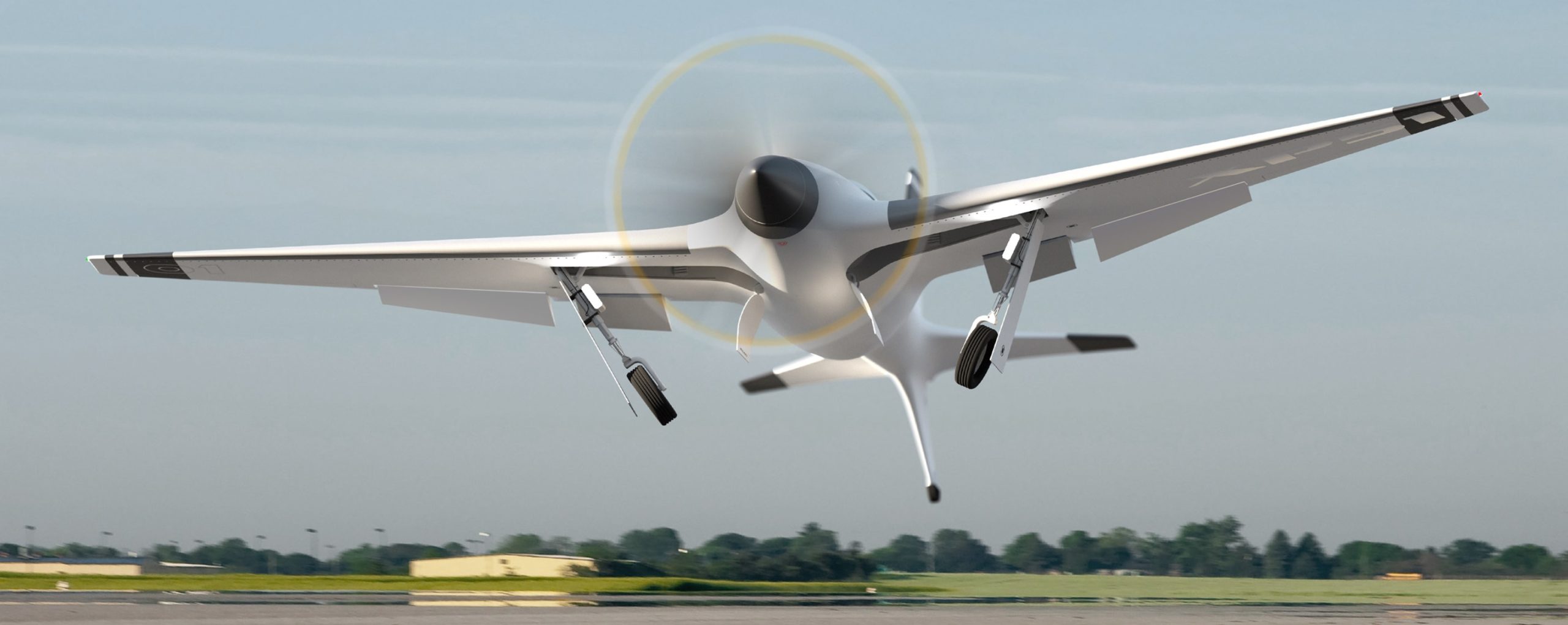
And, of course, Jeongha Moon hasn’t forgotten the “Mustang’s” sporting legacy. He envisions the upgraded XP-51s becoming the stars of a new era of air racing—safer, faster, and more spectacular than ever before. Just imagine: a squadron of hybrid Mustangs racing across the Nevada desert at speeds of 850+ km/h…
Why is this still just a dream?
Despite its technical appeal, the XP-51 project faces the harsh realities of modern warfare.
Combat experience in the skies over Ukraine has shown that, in a conflict against an equal opponent, cost becomes a decisive factor. Even relatively inexpensive aircraft such as the L-39 or Su-25 suffer significant losses, and restoring them requires time and resources.
An aircraft like the XP-51, even with a simplified design, would still cost tens of millions of dollars—just like a full-fledged light combat aircraft. This makes it impractical for widespread use in situations where losses are high.
Unlike disposable kamikaze UAVs like the “Geran-2,” which can be produced by the thousands, each XP-51 is a complex, one-of-a-kind aircraft, and losing one would be a significant blow. That is precisely why such drones are virtually never used in the conflict in Ukraine—despite all their theoretical advantages.
Conclusion: Between Dreams and Reality
The XP-51 project is less a military program than a poetic manifesto: an attempt to bridge aviation’s heroic past with the technologies of the future. It reminds us that the “Mustang” is not just a machine, but a symbol of freedom, speed, and engineering excellence.
Perhaps in peacetime—for border patrols, combating smuggling, or as a training and combat platform—such an aircraft would find a use. And in racing, it would be a real sensation.
But while the world is immersed in an era of disposable drones and hypersonic missiles, there’s still a place for the “revived Mustang” in the imaginations of enthusiasts—and in beautiful 3D models that inspire a new generation of aircraft designers.