The H160M Guépard helicopter is a modern, multi-purpose combat aircraft developed by Airbus Helicopters as a versatile military platform based on the civilian H160. The project was created to replace aging aircraft in the Army, Navy, and Air Force and began a test program in 2025, with the first deliveries scheduled for late 2028.
Contents:
The main idea behind the program
The H160M is not just another combat helicopter. It is a “next-generation helicopter” designed to combine capabilities for a wide range of missions, from air support to reconnaissance and engaging surface targets. It has become part of France’s Joint Light Helicopter (HIL) program, under which France intends to replace five obsolete helicopter types with a single modern family.
Design and Aerodynamics
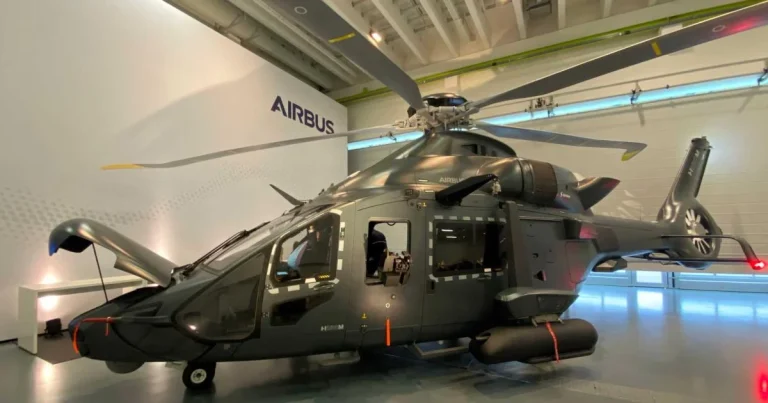
The H160M is based on the H160 civil helicopter, which was originally designed as a versatile mid-size aircraft. It features optimized aerodynamics, a lightweight composite structure, and the innovative “Blue Edge” main rotor blade to reduce noise and improve efficiency.
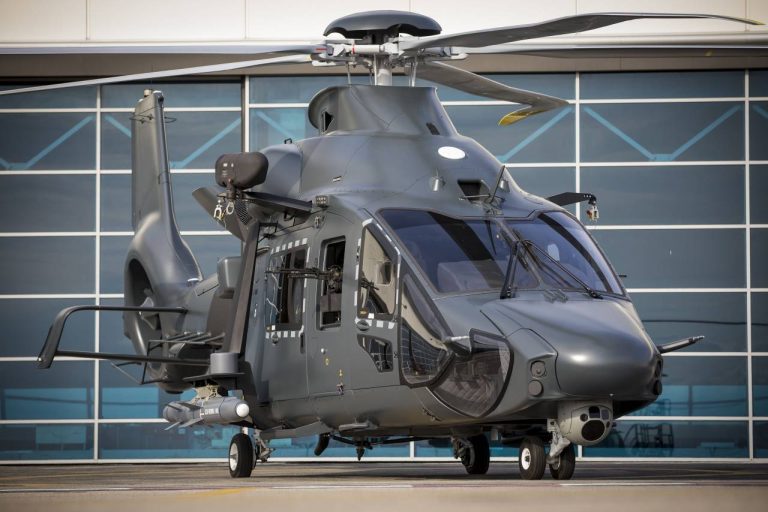
The H160M retained many of the prototype’s advantages but features a reinforced structure designed to withstand military loads. The vehicle is equipped with:
- a Safran Arrano twin-engine powerplant;
- a composite fuselage that reduces weight and improves flight efficiency;
- a low-noise five-blade main rotor system.
Specifications and Features
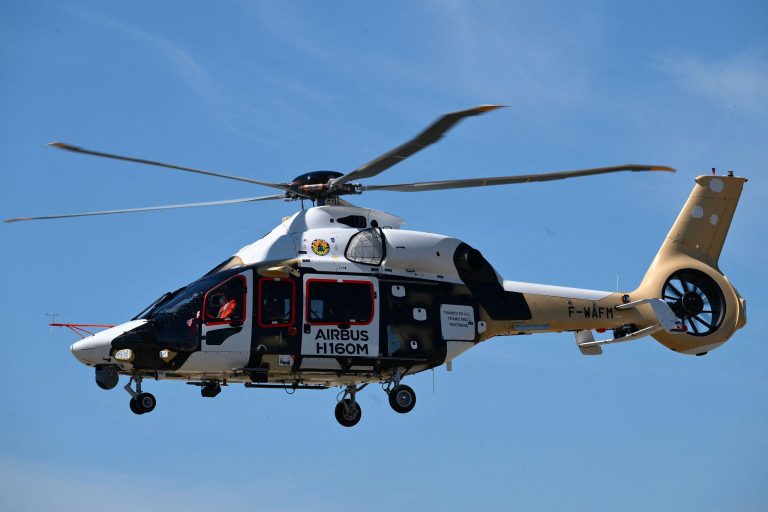
According to available data, the H160M’s maximum takeoff weight is approximately 6,050 kg, and its payload capacity is around 2,000 kg. Its range can exceed 850 km, and its cruising speed is approximately 255–263 km/h. Depending on the configuration, the helicopter can carry a crew of two pilots and up to five passengers or troops.
This makes the H160M comparable in size and capabilities to other modern medium combat helicopters, but with an emphasis on modularity and multi-role capability.
Aviation Systems and Surveillance
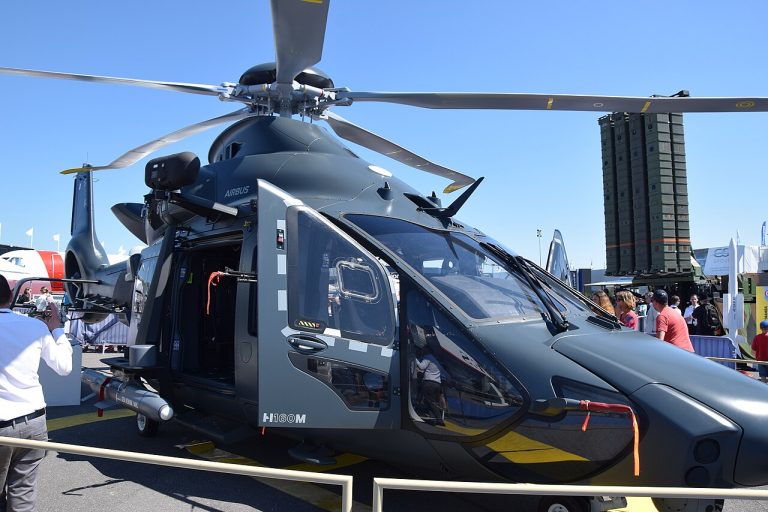
The H160M is equipped with state-of-the-art avionics and control systems, including the Thales FlytX suite—a digital platform that provides the pilot with high tactical situational awareness and integration into networked combat systems.
The following are used for reconnaissance and surveillance:
- state-of-the-art optoelectronic stations;
- radar sensors, including AESA radar;
- A communications system for integration with ground-based and airborne nodes.
Weapons and Missions
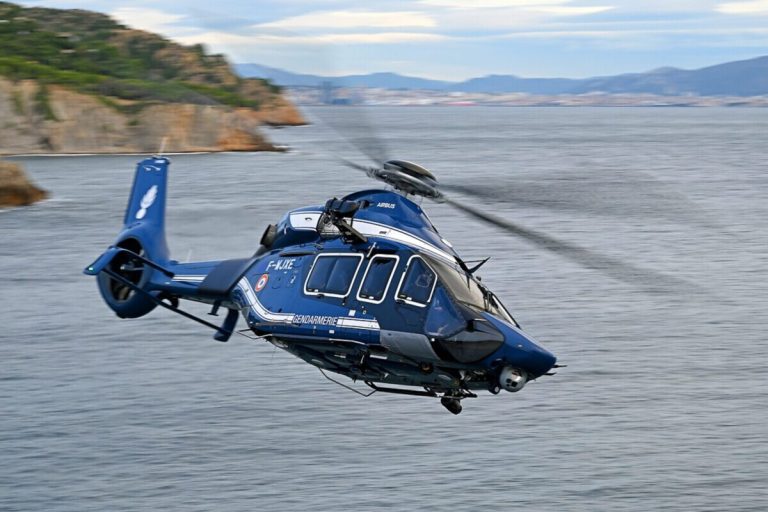
The H160M’s modular architecture allows the helicopter to be adapted for a variety of combat missions—from transport and reconnaissance to fire support. It can be equipped with:
- 12.7-mm machine guns in suspended containers;
- 7.62-mm small arms;
- light, easily controlled missiles and rocket-propelled projectiles;
- the HForce system, which supports a wide range of weapons.
This set allows you to flexibly reconfigure the machine for:
- combat sorties and fire support;
- search and rescue operations;
- naval missions to protect ships;
- conducting special operations.
Why the H160M Is Important

Modern armed forces require platforms capable of operating effectively in a wide variety of environments—from mountainous regions to coastal areas. The H160M has risen to this challenge with a combination of:
- high versatility;
- digital avionics;
- modular weapon systems;
- integration into network operations.
This makes it not just a transport or attack helicopter, but a new-generation, multi-purpose combat aircraft.
Test Phases and the Future
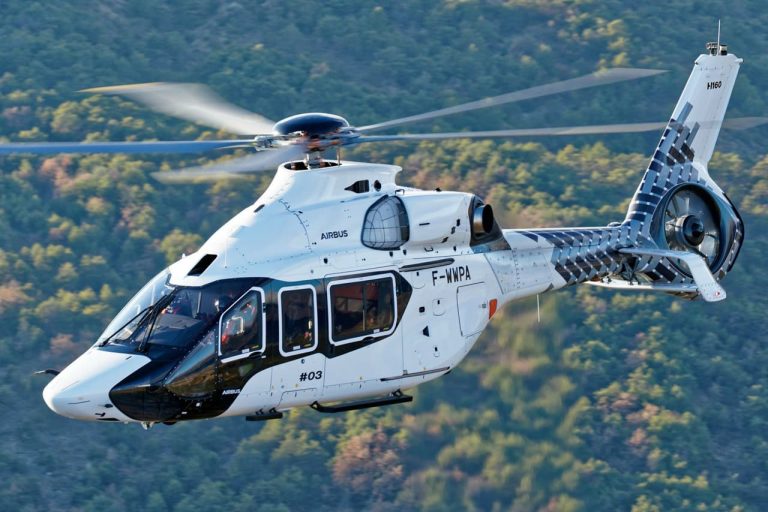
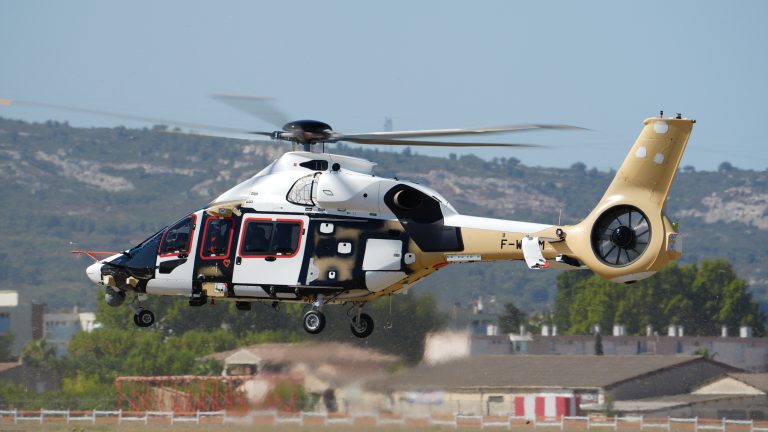
The H160M’s maiden flight took place on July 24, 2025, at the Airbus plant in Marignane, France, and marked a key milestone in the program’s development. The next steps will be flight tests in 2026 and preparations for series production.
The first deliveries of helicopters to the French armed forces are expected by the end of 2028, and the program calls for the production of more than 160 helicopters for the Army, Navy, and Air Force.
Conclusion
The H160M Guépard embodies the modern philosophy of military aviation: a lightweight and versatile platform capable of performing a wide range of missions thanks to its modularity, digital systems, and integrated weapon capabilities. It combines the best features of the civilian H160 platform and adapts them to the combat realities of the 21st century.