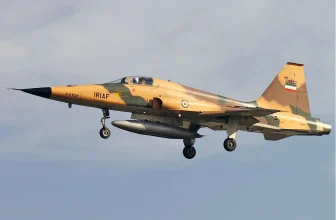
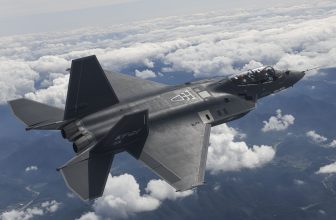
F-16s in the Middle East Equipped with "Angry Kitten": How Electronic Warfare Is Taking Center Stage

When we talk about modern conflicts, we often picture airplanes, missiles, and artillery. But in the 21st century, the electronic domain may be just as important—if not more so. This is confirmed by recent reports of the deployment of F-16 Fighting Falcon fighter jets to the Middle East, equipped with advanced electronic warfare pods codenamed “Angry Kitten,” appear to mark a technological milestone in the evolution of air operations.
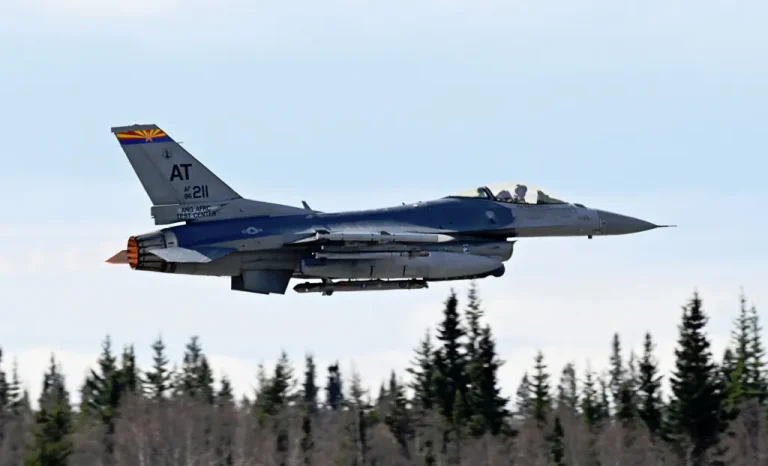
What Is “Angry Kitten”—and Why Is It Generating Interest?
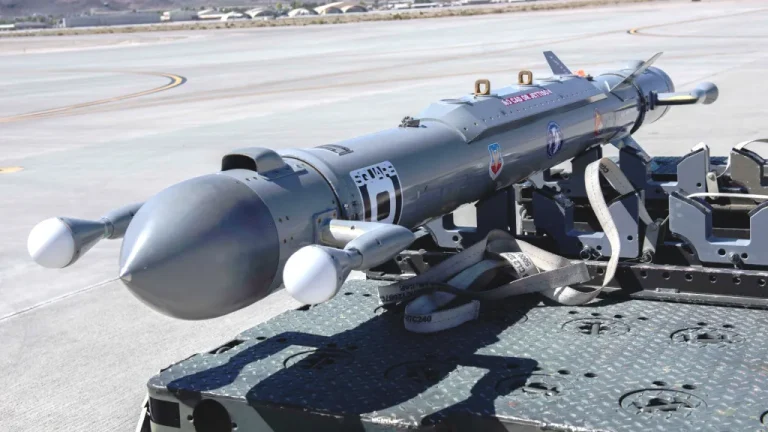
“Angry Kitten” is not a children’s toy, but a modern electronic countermeasures pod (ECM-pod) designed to protect aircraft and disrupt enemy systems.
In conventional warfare, a fighter jet takes to the front lines, spots the enemy, and takes it down. In electronic warfare, a fighter jet enters the radio spectrum and inflicts such heavy damage on the enemy that the enemy doesn’t even realize it’s under attack.
Here’s what an “Angry Kitten” container can do:
- to jam and deceive enemy radars and air defense systems;
- interfere with radio communications and guidance systems;
- interfere with GPS systems and other sensors;
- to ensure the protection of the medium itself.
And all of this is not just “noise” in the night, but a well-planned, controlled action that can change the outcome of an air battle or an operation.
Why the F-16? And why now?
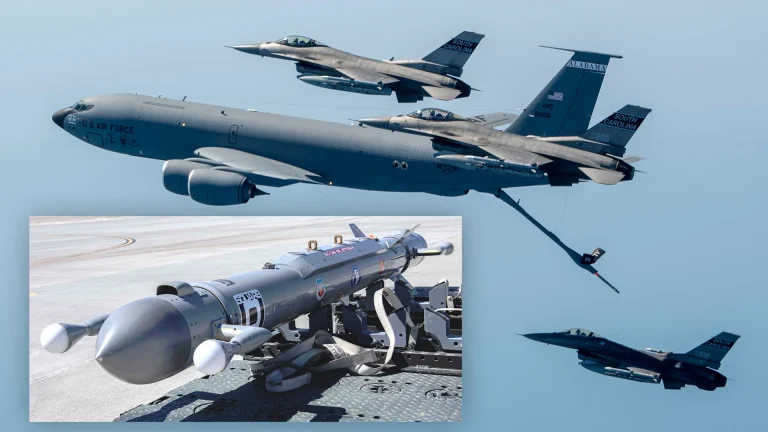
The F-16 is one of the most widely used multi-role fighter jets in the world. It remains in high demand in the armed forces of many countries—from the United States to allies in the Middle East. This aircraft has been tested in dozens of conflicts and remains a key component of the air power of NATO and its partner nations.
However, with the advancement of air defense and electronic warfare (EW) systems, speed and maneuverability alone no longer guarantee survival. Conflicts in recent years have shown that:
- Modern air defense systems are becoming increasingly sensitive;
- The enemy may use passive and active detection systems;
- Radar sensors are increasingly determining the outcome of battles.
In such conditions, it is necessary not only to “see,” but also to “remain unseen” and to **blind the enemy**. This is precisely the task that modules like “Angry Kitten” help to accomplish.
The Middle East—A Testing Ground for Electronic Warfare
The region in question has long been the scene of campaigns involving the intensive use of electronic warfare systems by various forces. Air defense systems, radar systems, and electronic sensors in the conflict zone are deployed for both defensive and offensive purposes.
The U.S. military and its allies have clearly taken this into account: the deployment of F-16s equipped with ECM pods signifies not merely a numerical reinforcement, but preparation for operations in a complex electronic environment, where:
- Classic wrestling techniques are becoming more complex;
- Air defense systems are active and multi-layered;
- Threats can come from unexpected sources (radio interference, drones, radar networks).
Under such conditions, an aircraft equipped with an advanced “electronic warfare suite” is not a luxury, but a necessity.
What exactly is the advantage of “Angry Kitten”?
Compared to earlier ECM systems, the new module offers several key advantages:
Improved adaptability
“Angry Kitten” can automatically monitor activity in the radio spectrum and adapt to specific signals—from radar to guidance systems—by selecting the optimal jamming signals.
Versatility
Jamming can be narrowly targeted (against a specific system) or broad-spectrum (to suppress multiple targets at once), making the system useful for both defense and offense.
Integration with the network architecture
The system can be integrated with other onboard equipment, ranging from sensors to avionics. This makes it possible to create a coordinated electronic warfare environment on the platform—not just “random interference,” but strategic control.
What does this mean for U.S. and allied operations?
The presence of such ECM pods on fighter jets means that:
- Pilots will be able to fly into areas with active air defense systems with greater confidence in their protection,
- the risks of unexpected detection and attacks by air defense systems may be reduced,
- Strategic operations include elements of “invisibility” and “camouflage” at the radio level,
- Air campaigns can be based on more flexible principles for engaging the electronic spectrum.
This is particularly important in the Middle East, where the enemy’s radar and electronic warfare systems are advanced, diversified, and actively deployed.
Practical impact
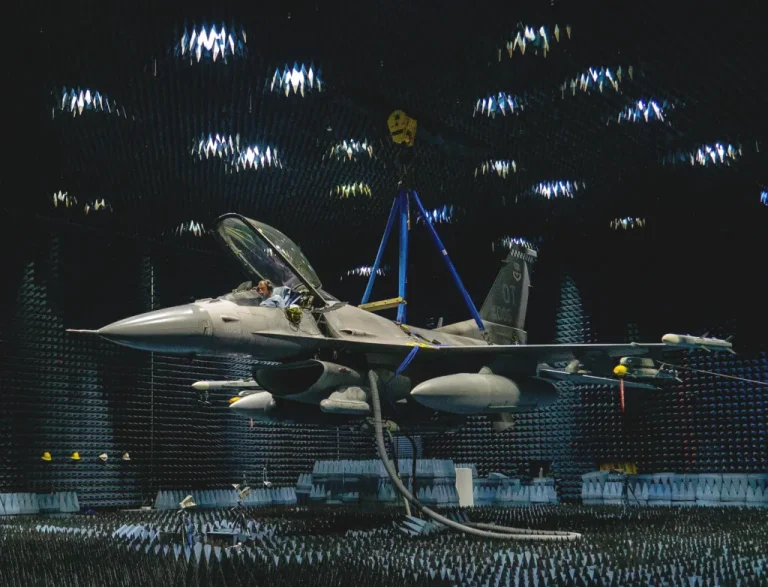
Instead of relying solely on maneuverability and firepower, an F-16 pilot equipped with the “Angry Kitten” pod:
- gains an additional protective “shield” on the air;
- may impair the enemy’s field of view;
- is equipped with means for actively countering reconnaissance and navigation radio signals;
- is effective against a wider range of threats.
This changes not only combat tactics and survivability, but also the structure of coordination between air forces and air defense systems in modern conflicts.
Conclusion
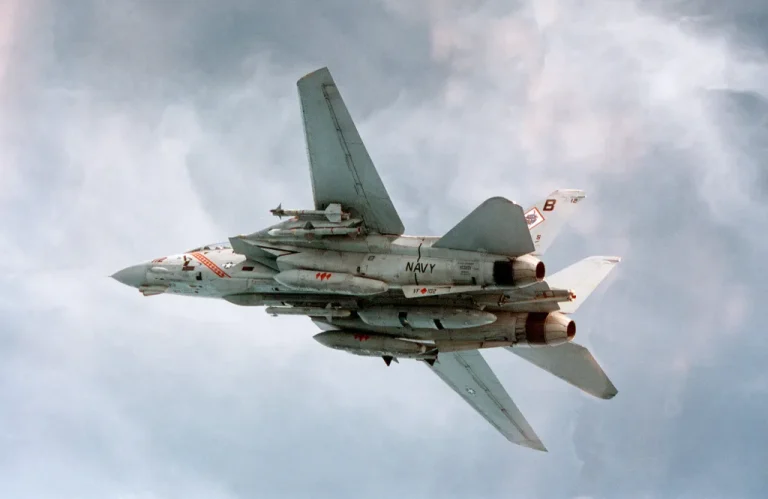
The deployment of F-16s to the Middle East equipped with “Angry Kitten” electronic warfare pods is more than just a shift in the balance of power. It is—
- recognition of the importance of electronic warfare as a key element of modern air warfare,
- an emphasis on the protection and concealment of radio signals,
- a shift toward more intelligent and adaptive autonomous defense systems,
- preparation for encounters with advanced radar and reconnaissance systems.
Modern conflict isn’t just about “bombs and missiles”; it’s also a battle for airwaves and control over information, and it is solutions like “Angry Kitten” on the F-16 that are setting a new standard in this arena.