The Plane That Sought the Enemy
Military aviation features huge, famous aircraft—bombers, fighters, and strategic giants. But sometimes the outcome of a battle is decided by a completely different kind of aircraft: one that is small, slow, and almost invisible.
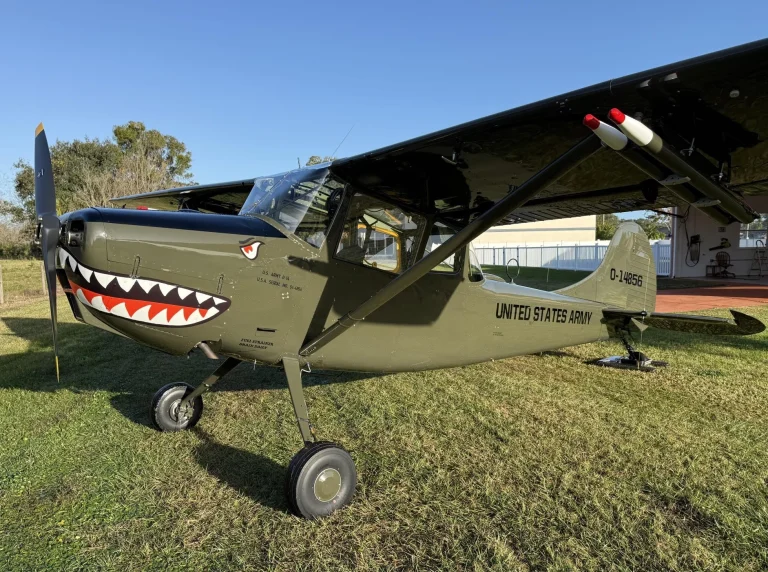
That aircraft was the Cessna O-1 Bird Dog—a light reconnaissance aircraft that for decades helped the army locate targets, direct artillery fire, and guide air strikes.
It didn’t carry heavy bombs or fly at supersonic speeds. Its job was different—to find the enemy and keep track of it.
The Birth of the “Flying Observer”
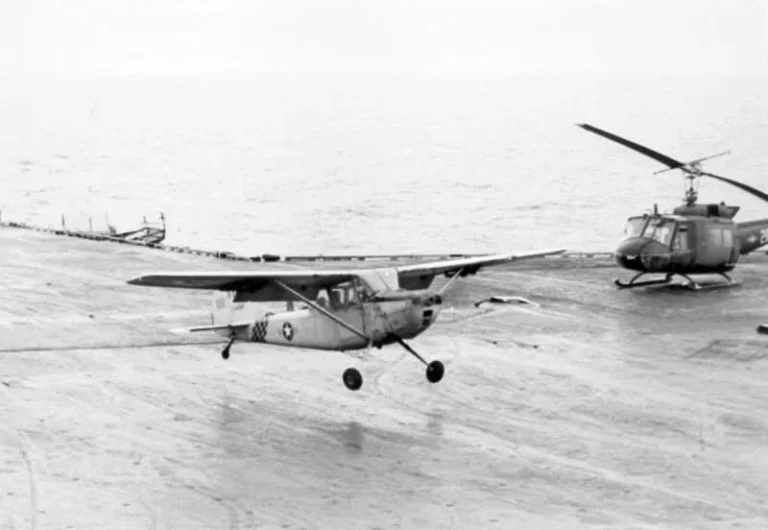
After World War II, the U.S. Army faced a problem: the light reconnaissance aircraft used on the front lines were quickly becoming obsolete. Many of them had wooden structural components and fabric covering, which limited their service life.
The military needed a new aircraft:
- all-metal
- light and simple
- capable of taking off from short runways
- with an excellent view for observing the ground
Cessna proposed the Model 305 project, based on the Cessna 170 civilian aircraft. The first prototype took to the skies in December 1949.
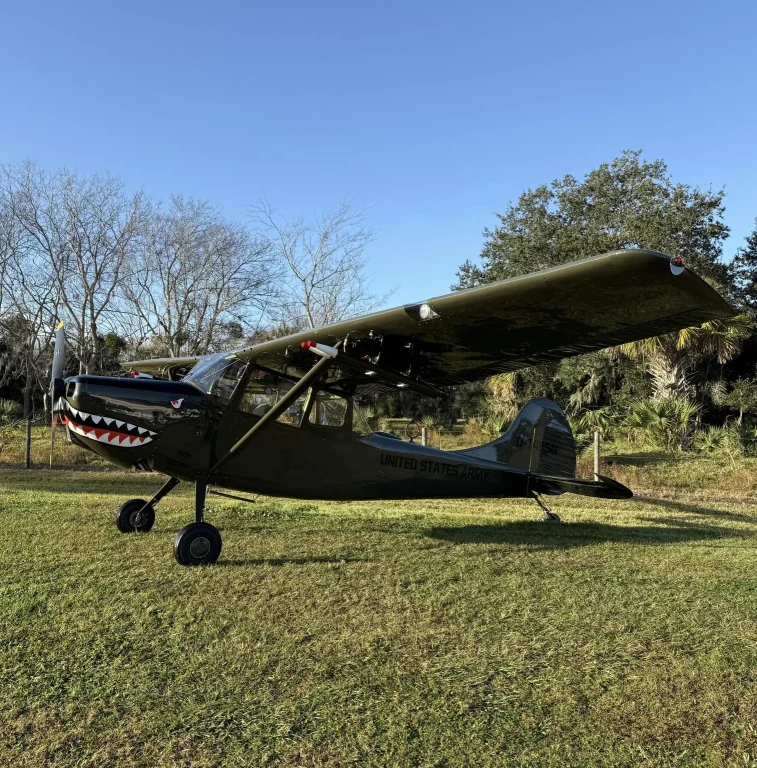
The aircraft won the Army competition and entered mass production in 1950 under the designation L-19 Bird Dog.
Why Was It Named “Bird Dog”?
The name “Bird Dog” wasn’t chosen by chance.
In English, this is the term used for a hunting dog that locates a bird and stays by its side until the hunter fires a shot.
The aircraft played exactly the same role on the battlefield: it located a target and circled above it until the artillery or air force struck.
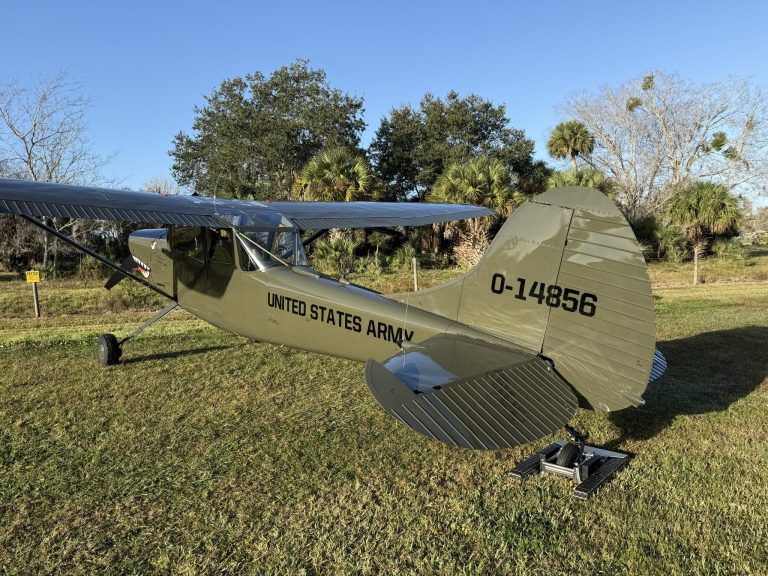
It was such an apt comparison that the name instantly stuck to the plane.
The plane with the best view
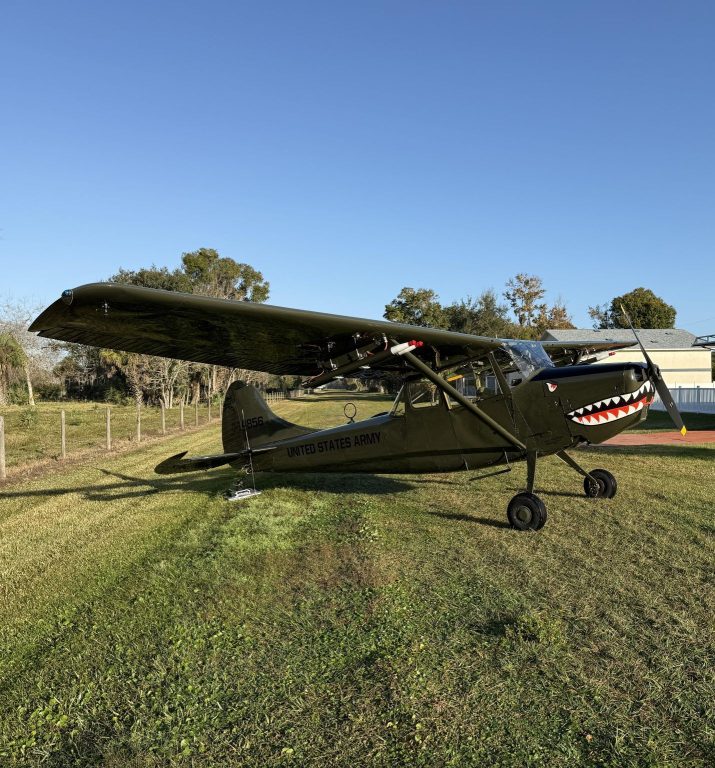
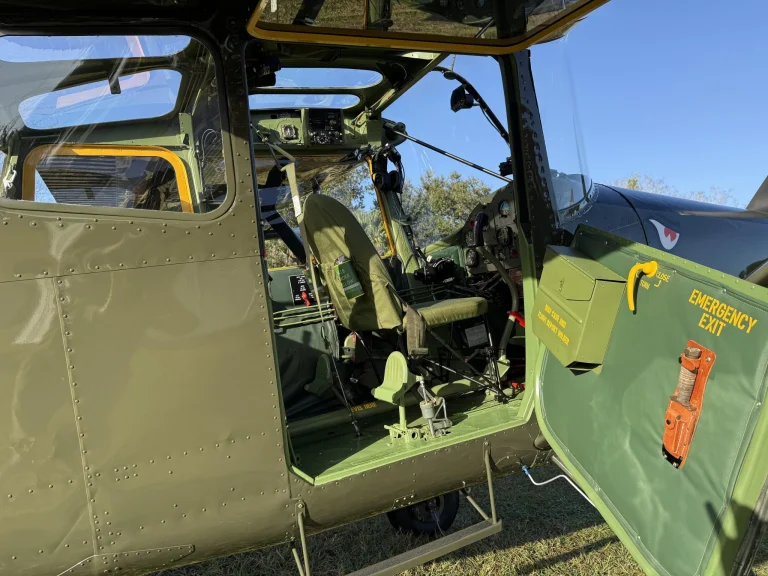
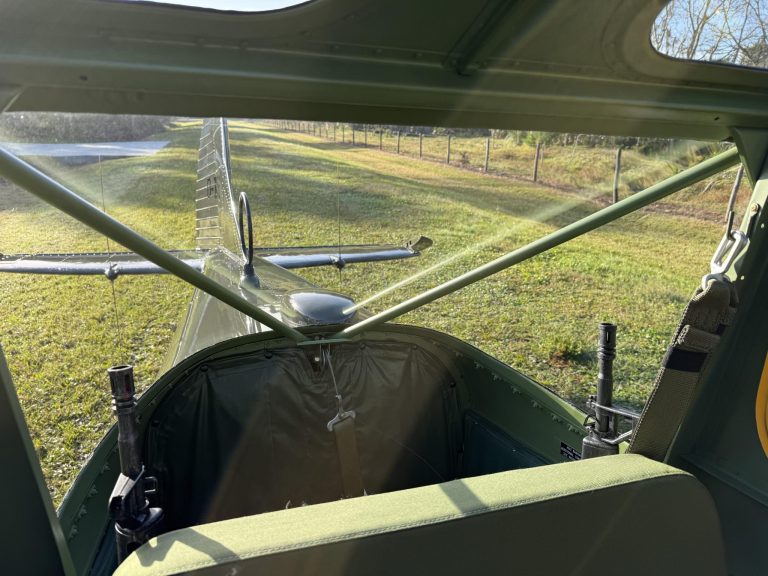
One of the Bird Dog’s main features was its cockpit.
The designers created an almost panoramic view:
- large side windows
- transparent roof panels
- sloping cab sides
This gave the pilot and observer virtually 360-degree visibility, which was ideal for reconnaissance and fire control.
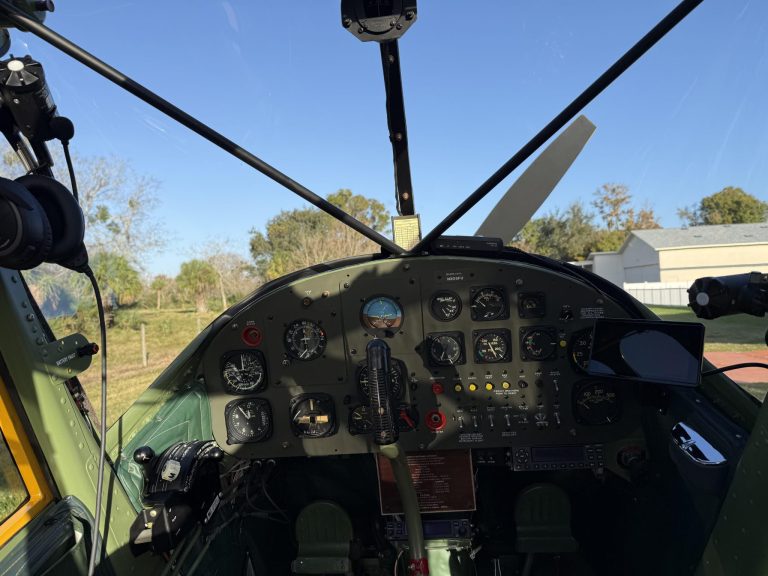
In fact, the crew was sitting in a glass “aquarium”—perfect for spotting targets.
Slow, but incredibly useful
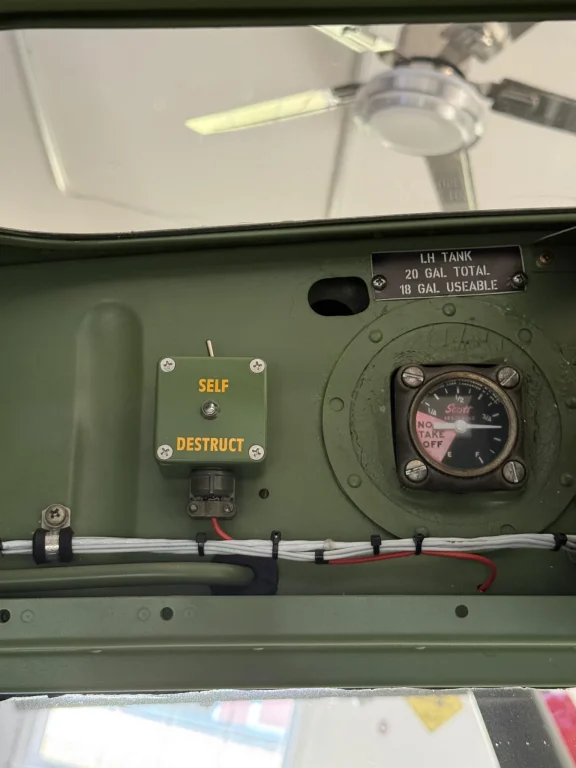
The Bird Dog had fairly modest specifications:
- two-seater airplane
- an engine with about 200 l.s.
- maximum speed of approximately 150 miles per hour (about 240 km/h)
But the car’s greatest strength wasn’t its speed.
The aircraft had excellent short takeoff and landing (STOL) capabilities. It could take off from very short runways and fly at low speeds while keeping a close watch on the ground.
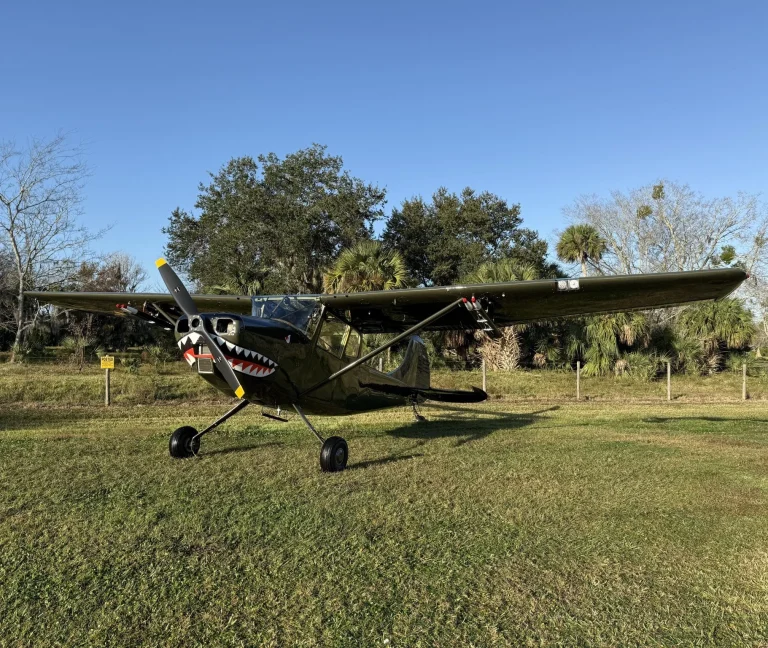
Sometimes the Bird Dog would land right on the dirt runways next to the troops.
“The Flying Jeep”
During the Korean War, the Bird Dog quickly became one of the most effective close-support aircraft.
The soldiers even gave it a nickname—“the jeep with wings.”
He performed a variety of tasks:
- artillery fire correction
- communication between departments
- reconnaissance
- medical evacuation
- pilot training
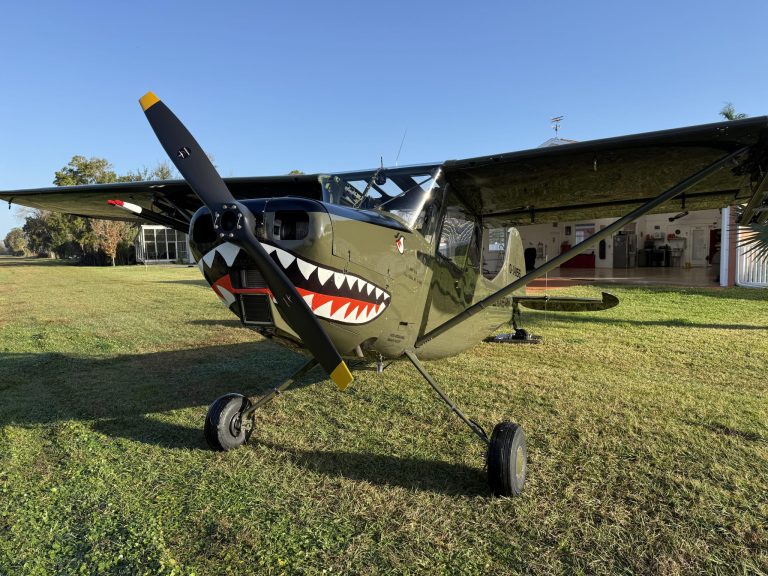
In fact, it was the army’s all-purpose aerial support aircraft.
Vietnam — A Real Bird Dog Assignment
The Bird Dog gained widespread fame during the Vietnam War.
There, he served as a forward air controller.
The process went something like this:
- Bird Dog was tracking a target in the jungle.
- The pilot marked it with a smoke flare.
- Strike aircraft were then guided to the coordinates.
The fighters and bombers flew high, while the little Bird Dog circled over the jungle, literally pointing out the target to them.
Despite its slow speed, the plane proved to be surprisingly effective.
Cessna Bird Dog Technical Specifications
Type:
Light reconnaissance aircraft
Crew:
2
Engine
- Continental O-470
- power output of approximately 213 l.s.
Dimensions
- wingspan: ~11 m
- Length: ~7.8 m
- Maximum weight: ~1,080 kg
Flight Characteristics
- maximum speed: ~240 km/h
- cruising speed: ~170 km/h
- flight range: about 850 km
- ceiling: more than 6 km
Long Service
In total, more than 3,400 Bird Dog aircraft were built, and they served in the U.S. military and with its allies for decades.
The following vehicles participated:
- in the Korean War
- in Vietnam
- in numerous local conflicts
The last American Bird Dogs were officially decommissioned in the 1970s.
However, many of these aircraft continued to fly in civilian service.
A Small Plane from a Great War
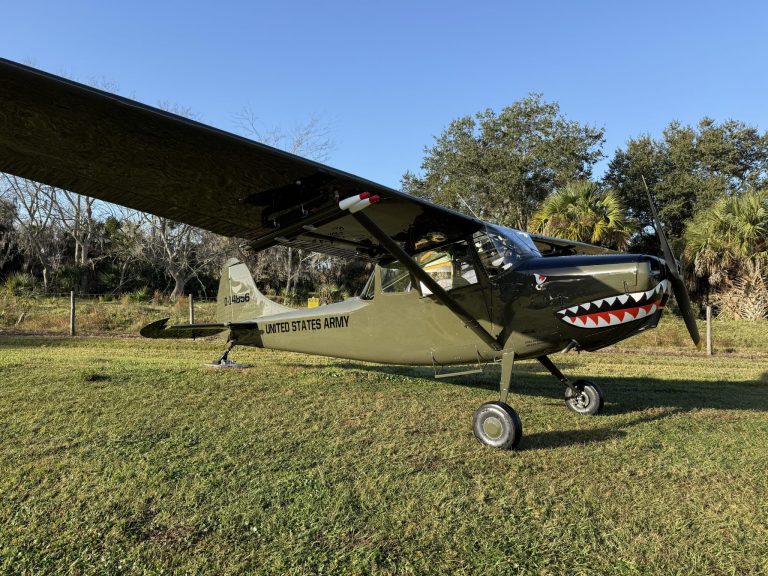
Today, the Bird Dog seems like a modest aircraft. It doesn’t look intimidating and isn’t associated with the power of modern aviation.
But back in the day, it was precisely these kinds of aircraft that helped locate the enemy, rescue crews, and direct strikes.
Sometimes, it’s not the fastest plane that decides the outcome of a battle.
Sometimes all you need is a small vehicle that can locate a target and keep it in sight.
Based on material from https://silodrome.com/cessna-bird-dog/