Steel Veterans to Get New Teeth: How the Belgians Plan to Bring Ukrainian Leopards Back to Life 1

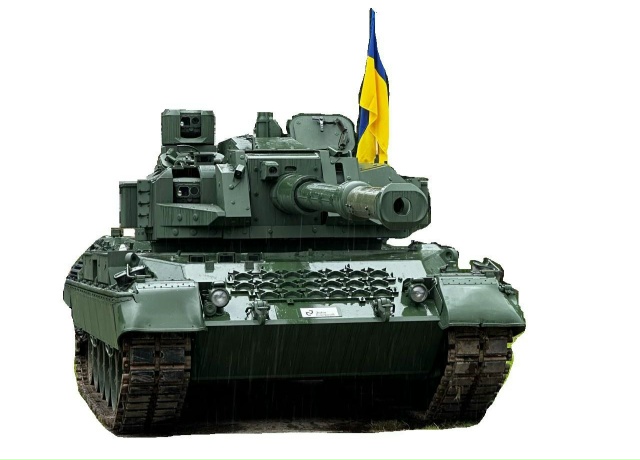
War strangely changes people’s attitudes toward technology. Machines that just yesterday were considered obsolete and fit only for museums or storage facilities suddenly return to service. But they return as something different—not what engineers envisioned them to be half a century ago.
That’s exactly what happened with the German Leopard 1—a tank that was born in an era when speed, not armor, was the top priority. In the 21st century, this design choice proved to be a weakness—it was too vulnerable, too “thin” for modern warfare. And yet, no one is in a hurry to write it off completely.
Because old cars have one important quality—there are a lot of them.
Contents:
The Tower That Changes Everything
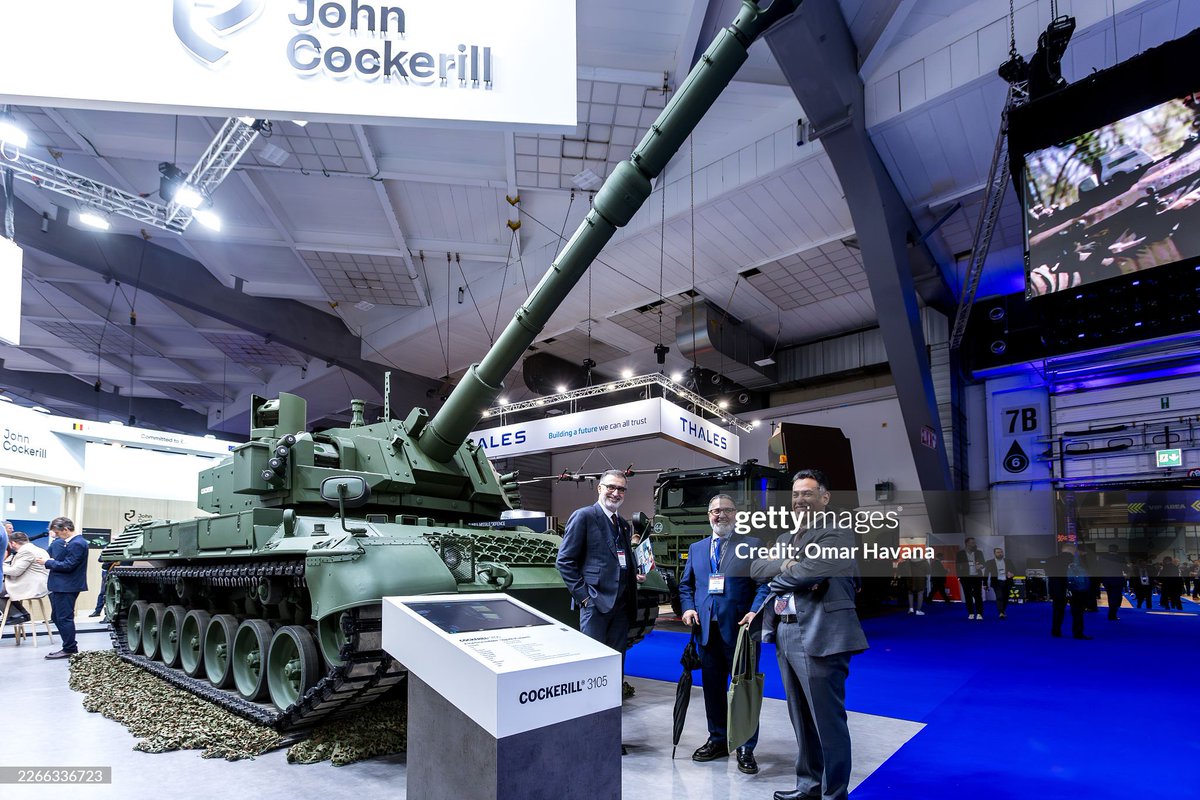
We’re talking about the Cockerill 3105 turret. But behind that dry designation lies not just a gun mount, but an entire complex that literally transports the vehicle to another era.
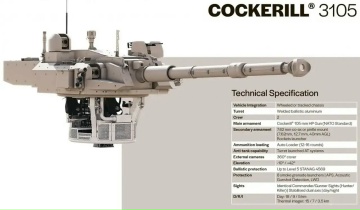
A modern fire control system, thermal imagers, and digital stabilization—all the features that turn firing into a precise operation rather than a matter of guesswork. Add to that an automatic loading system and the ability to use guided munitions—and what we have is no longer just an “old tank with a new gun,” but an entirely different combat unit.
In a way, it’s almost a philosophy: leaving the body in the past, but giving it the eyes and brain of the present.
Not a breakthrough tank, but a hunter
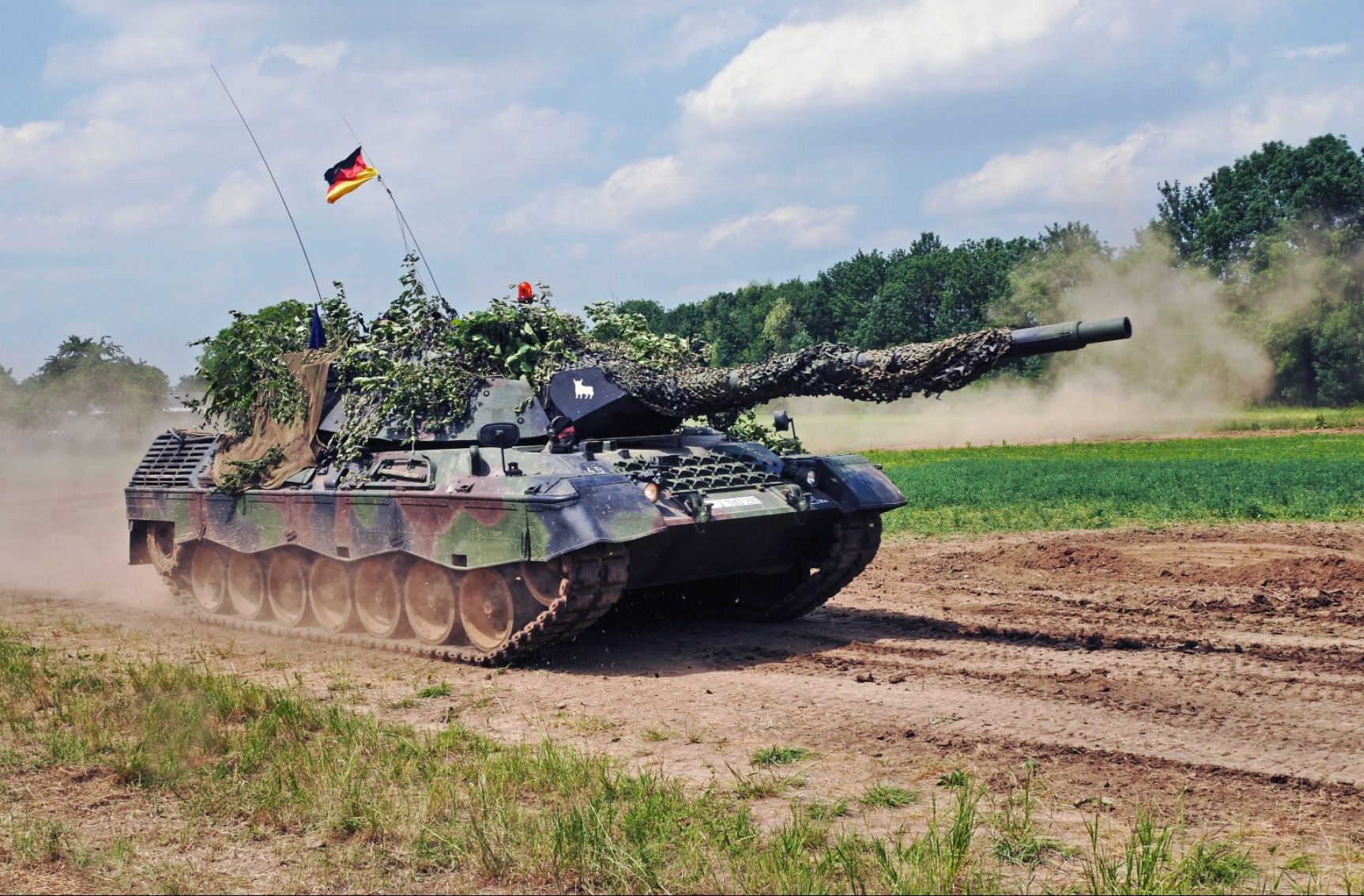
Its armor remains weak. Any modern anti-tank system—from a man-portable weapon to a drone carrying munitions—poses a deadly threat to it.
But war today is not just about head-on clashes between tank armies.
It’s a maneuver. Ambushes. Quick strikes followed by equally quick retreats.
And this is where the upgraded Leopard 1 unexpectedly comes into its own. Lightweight, agile, equipped with modern optics and a precise gun—it becomes more of a hunter than a heavy assault tank. A vehicle that doesn’t charge head-on, but waits for the right moment.
Price vs. Effectiveness
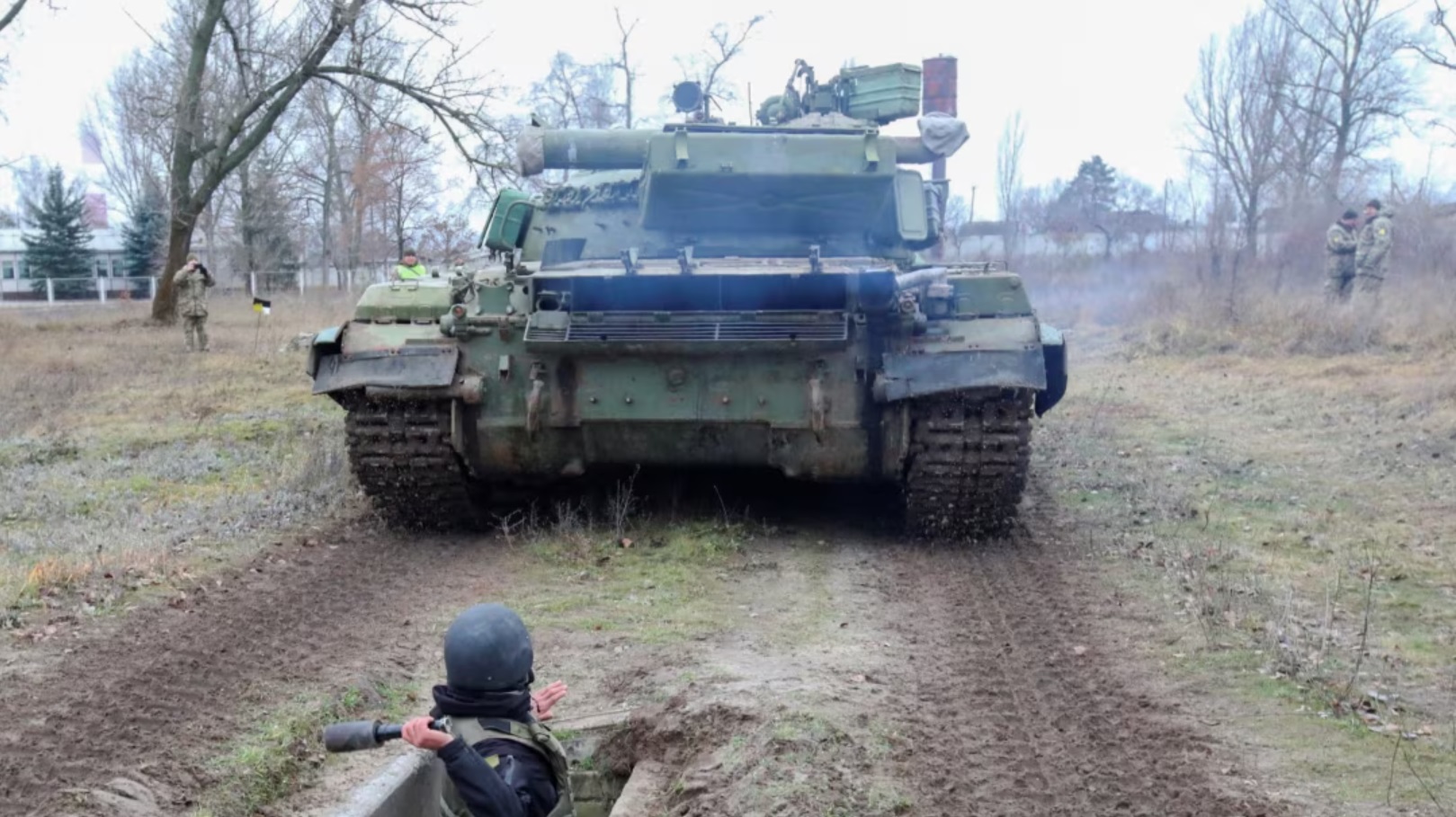
Given that new Leopard 2 tanks are expensive and their availability is limited, the idea of upgrading older vehicles is beginning to look less like a compromise and more like a strategy.
Refurbishing is less expensive. It’s done faster. And, most importantly, it lets you use what you already have—without waiting and without complicated logistics.
Of course, a tank like this wouldn’t stand a chance in a duel against a modern main battle tank. But that’s not what it’s designed for.
Its purpose is to strengthen areas where speed, accuracy, and scale are important.
War as a Driver of Evolution
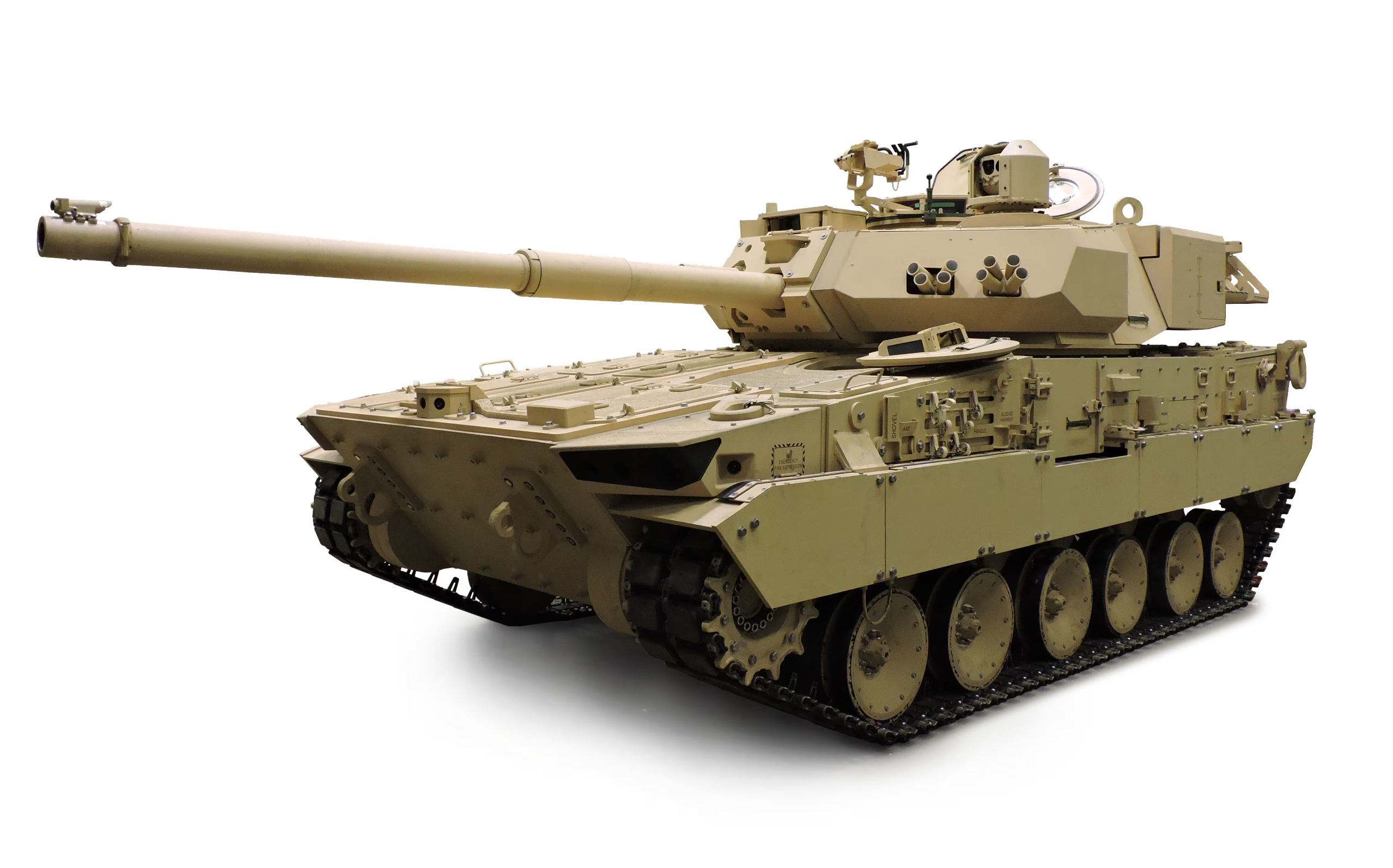
This whole story is a good example of how the very logic of military technology is changing.
In the past, a tank was a symbol of power: the heavier and better-armored it was, the better. Today, it’s becoming increasingly clear that it’s more important to spot the enemy first and shoot more accurately.
This is precisely the idea that John Cockerill Defense has long been promoting: there’s no need to add more armor if you can give the vehicle “vision” and “intelligence.”
The Leopard 1 in its new configuration is no longer a relic of the Cold War. It is an attempt to answer the question: What should a tank look like in the age of drones, thermal imaging, and a constant threat from above?
And perhaps the answer won’t be as obvious as it used to be.