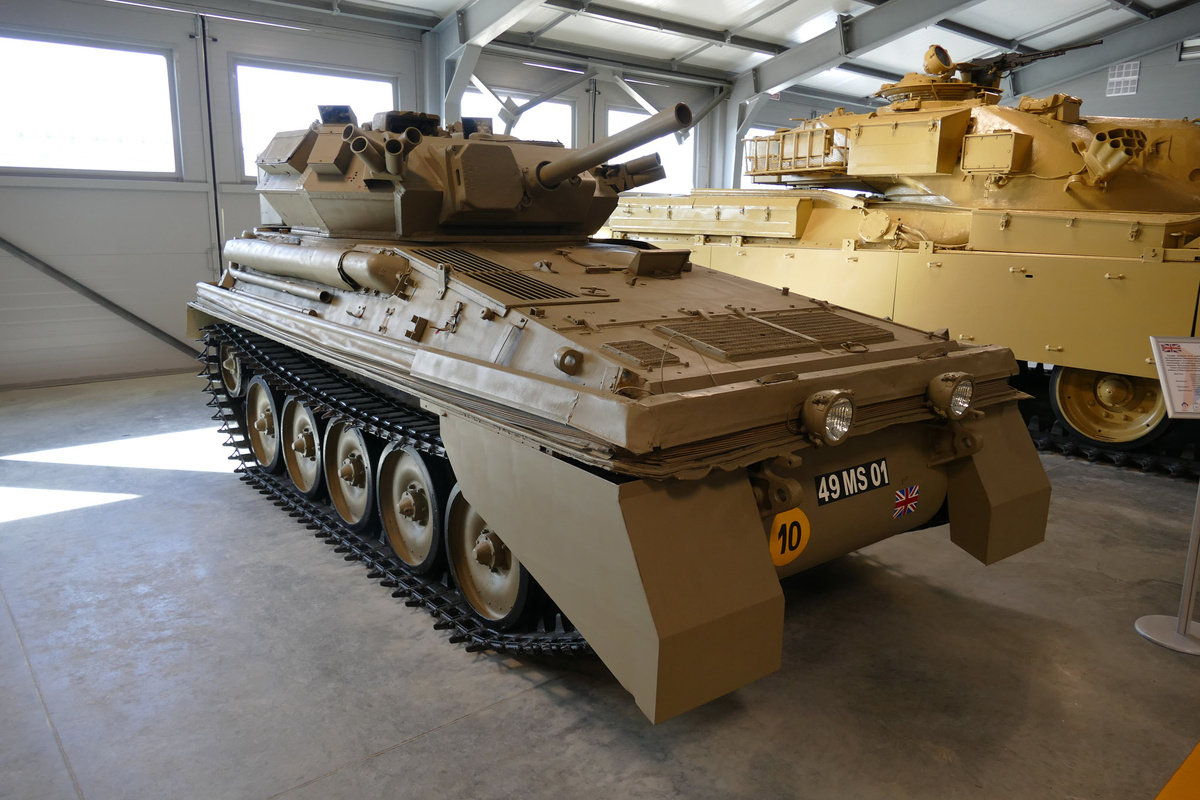
A story about the FV 101 Scorpion airborne reconnaissance tank from the collection of the Patriot Park Technical Center
The fact that some of the exhibits in a number of military museums—especially those from abroad—ended up there against their will is a perfectly normal situation. All kinds of trophies have long been part of museum collections, and often they are the very reason people come to visit. Tank museums are by no means an exception in this regard. Both here and abroad, captured vehicles make up a significant portion of armored vehicle collections, and these are by no means always from the World War II era.
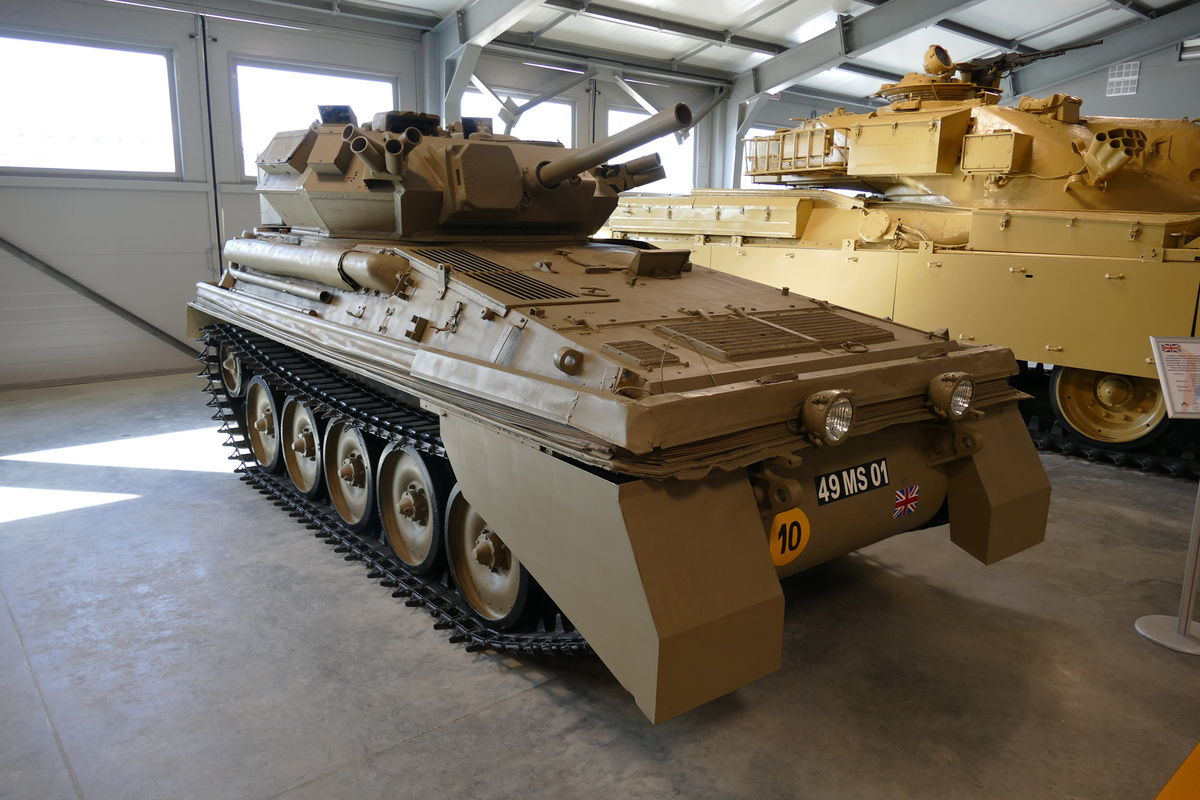
The Captured «Scorpion» in Kubinka
The “Patriot” Park collection, which is based on exhibits from the former tank museum in Kubinka (now the “Patriot” Park Technical Center), is best known for its military vehicles from the Great Patriotic War. This also applies to captured equipment. In fact, from an exhibition perspective, the time period covered is much broader. The second half of the 20th century was quite diverse in terms of conflicts. This is especially true of the Middle East, from where the British FV 101 Scorpion airborne reconnaissance tank originated.
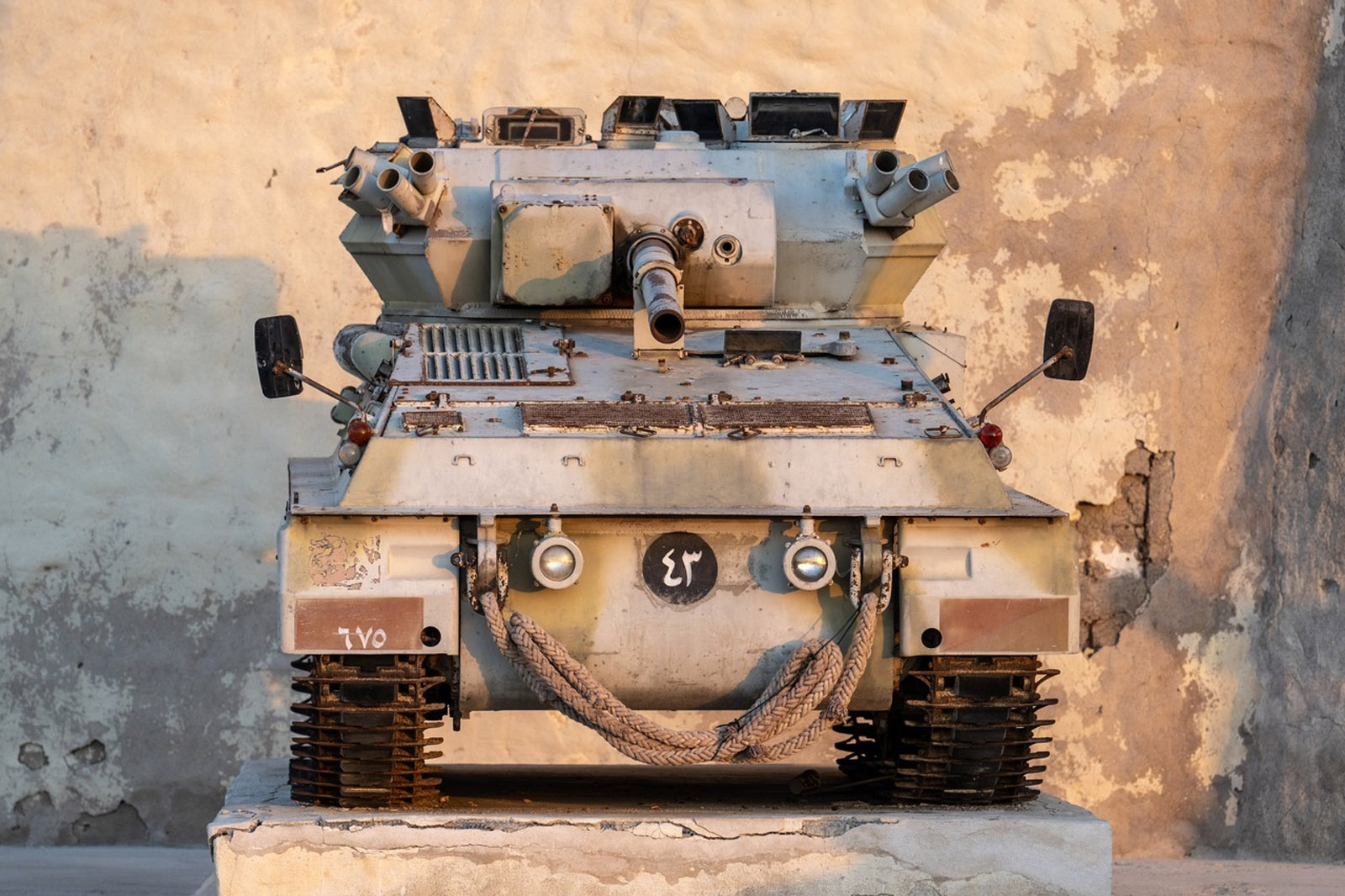
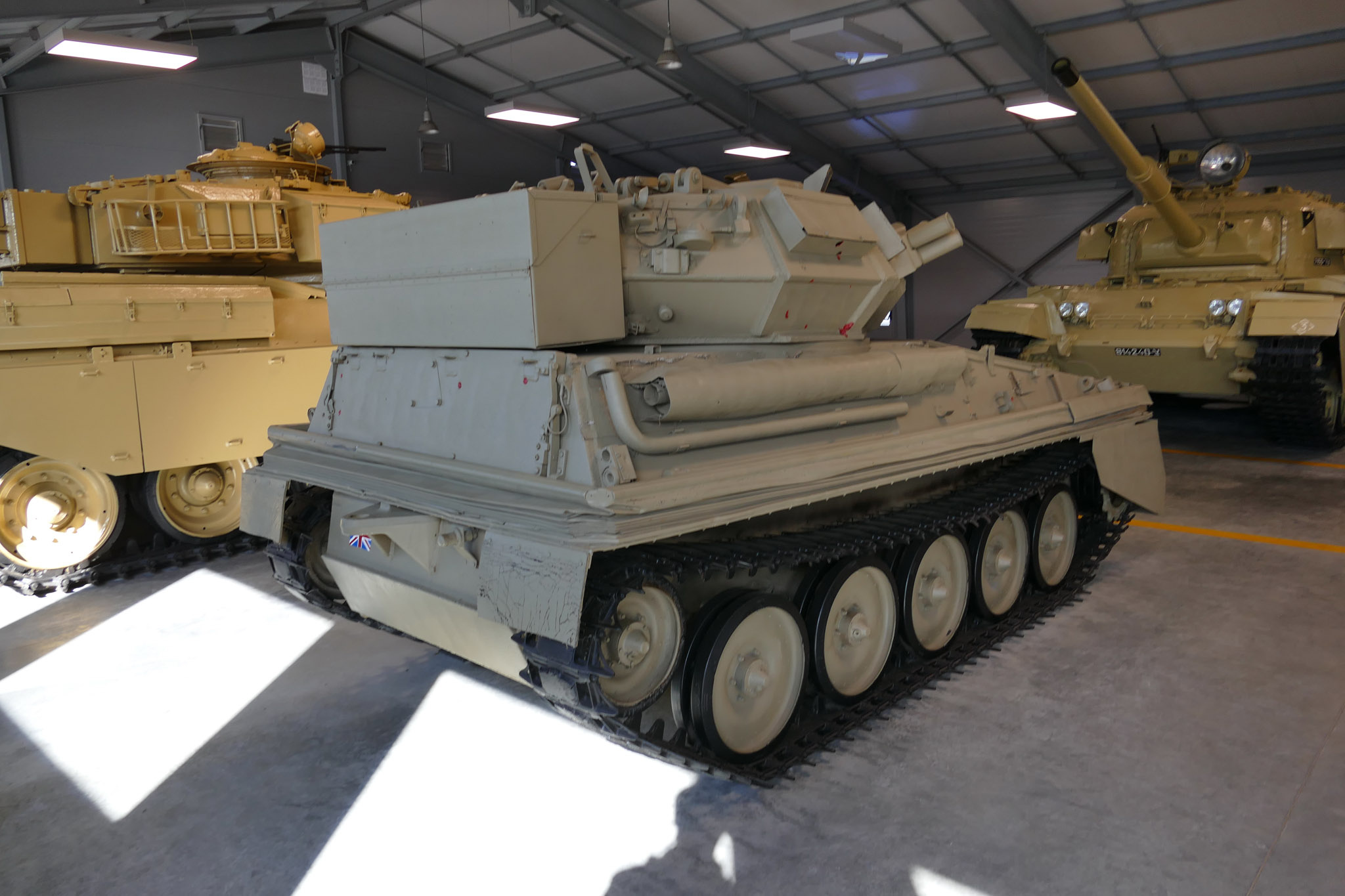
A configuration similar to the Iranian one can also be seen on the FV 101s that served in the UAE
World War II, it would seem, was supposed to reveal the future direction of armored vehicle development. The irony of the situation is that each country interpreted this path in its own way. This also applied to the question of what the postwar light tank would look like. In the Soviet Union, they persistently tried to build a 25-metric-ton tank, which, from an ideological standpoint, echoed the old concept of a “smaller medium tank.” In other countries, such as the United States, the light tank replaced the armored personnel carrier. Meanwhile, some countries decided that both light tanks and armored personnel carriers should be retained for reconnaissance purposes.
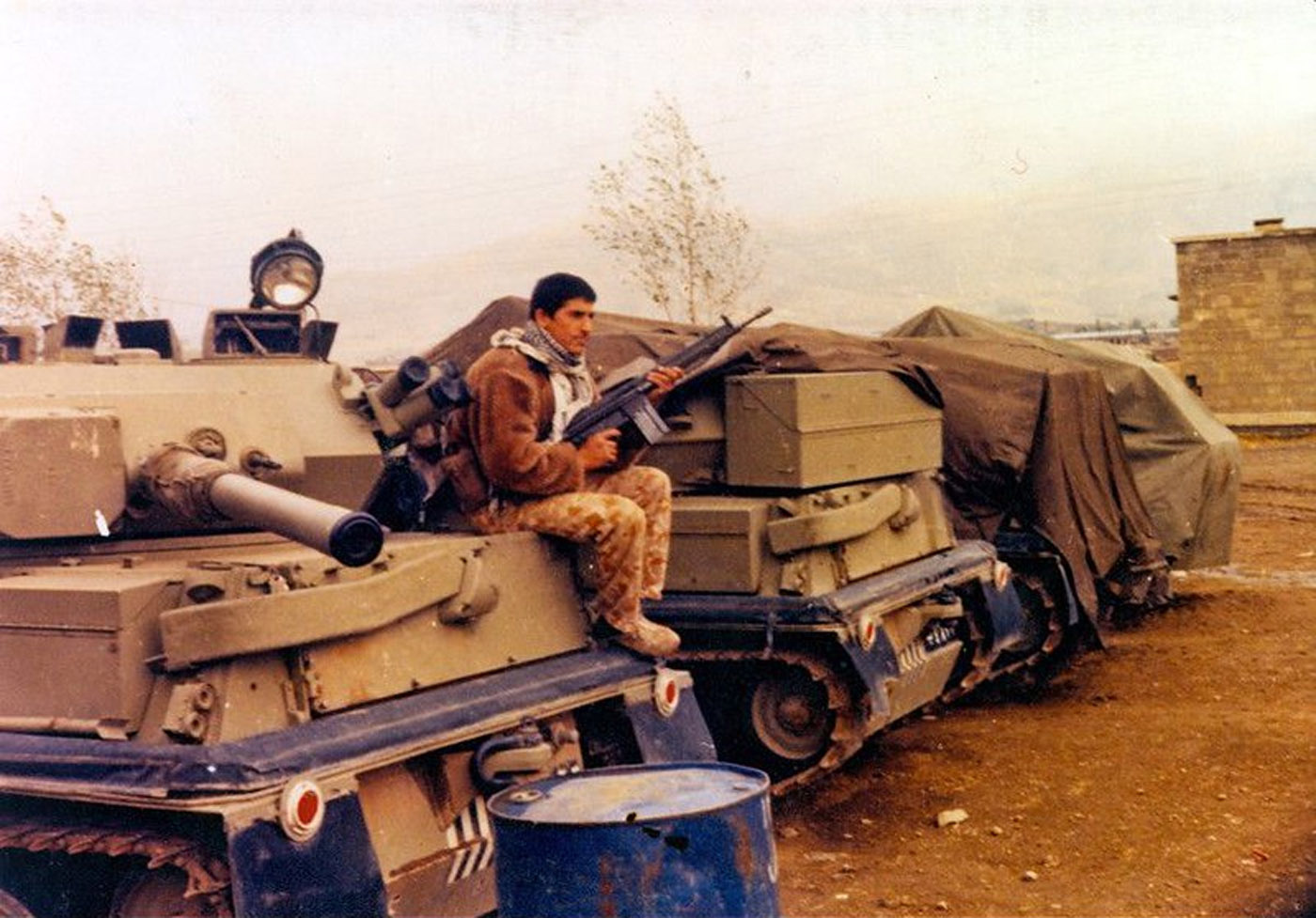
In total, Iran received 250 such tanks
That’s exactly what happened with the British Army. It must be said that, at first, its approach closely resembled the Soviet one. The FV 301 light tank looked very much like a scaled-down Centurion, which clearly worked against it. To a large extent, the FV 301’s demise at the wooden-model stage was due precisely to this. Nevertheless, light tanks did not disappear from the British arsenal. On the contrary, it was only the beginning, and the British took a very unique approach with their most widely produced postwar reconnaissance tank.
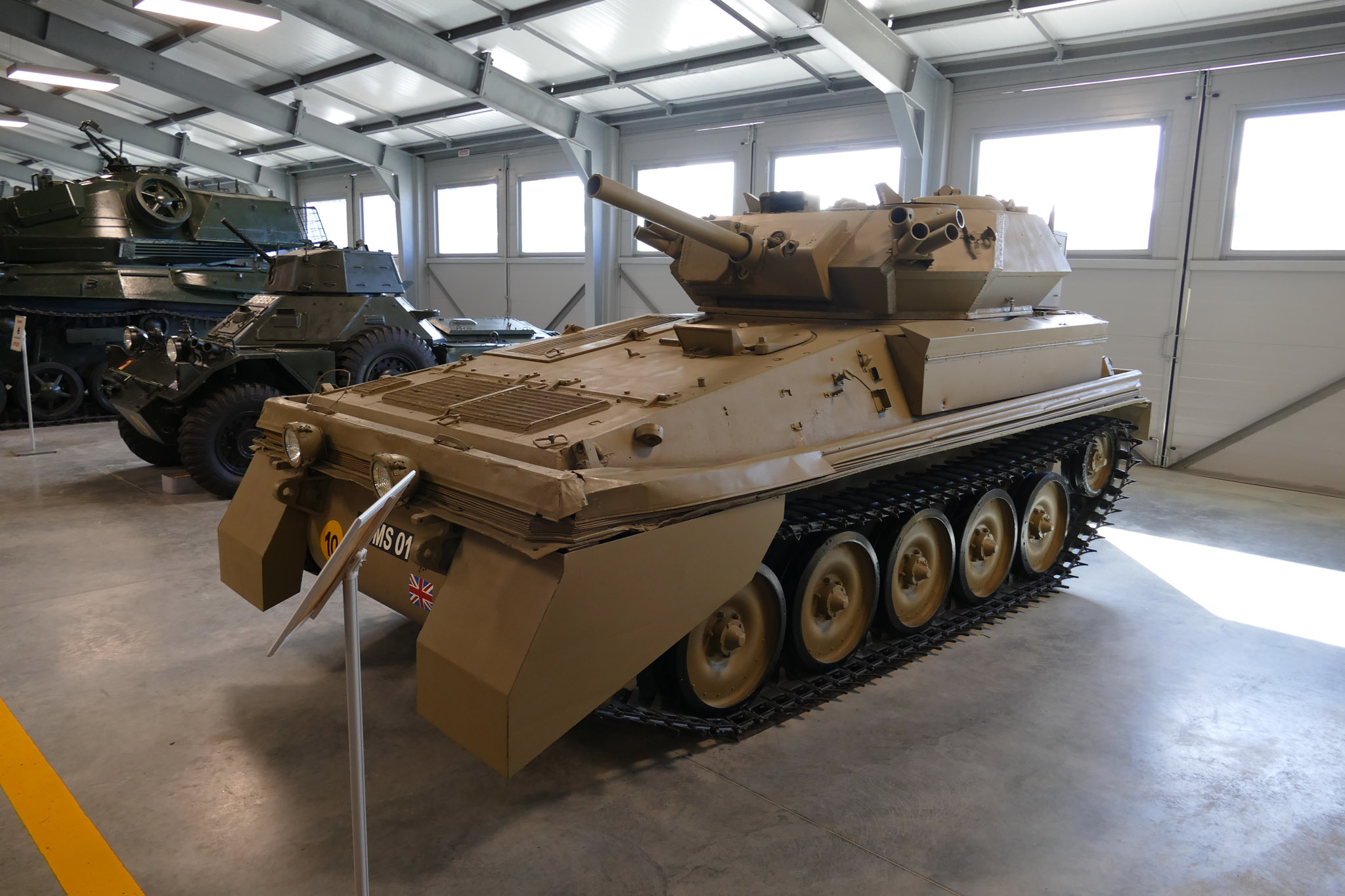
Of these, the vast majority were lost during the Iran-Iraq War
After the war, armored vehicles remained the British military’s primary means of reconnaissance. There were two classes: two-seater armored reconnaissance vehicles and wheeled tanks. In the 1950s, the aging World War II-era armored vehicles began to be replaced with similar models. The first to appear was the FV701 Ferret reconnaissance vehicle, which replaced the Daimler Scout Car. Next came the FV601 Saladin, a wheeled tank armed with a 76-mm L5A1 gun. Both vehicles enjoyed long service lives, and the Saladin was used to test parachute deployment.
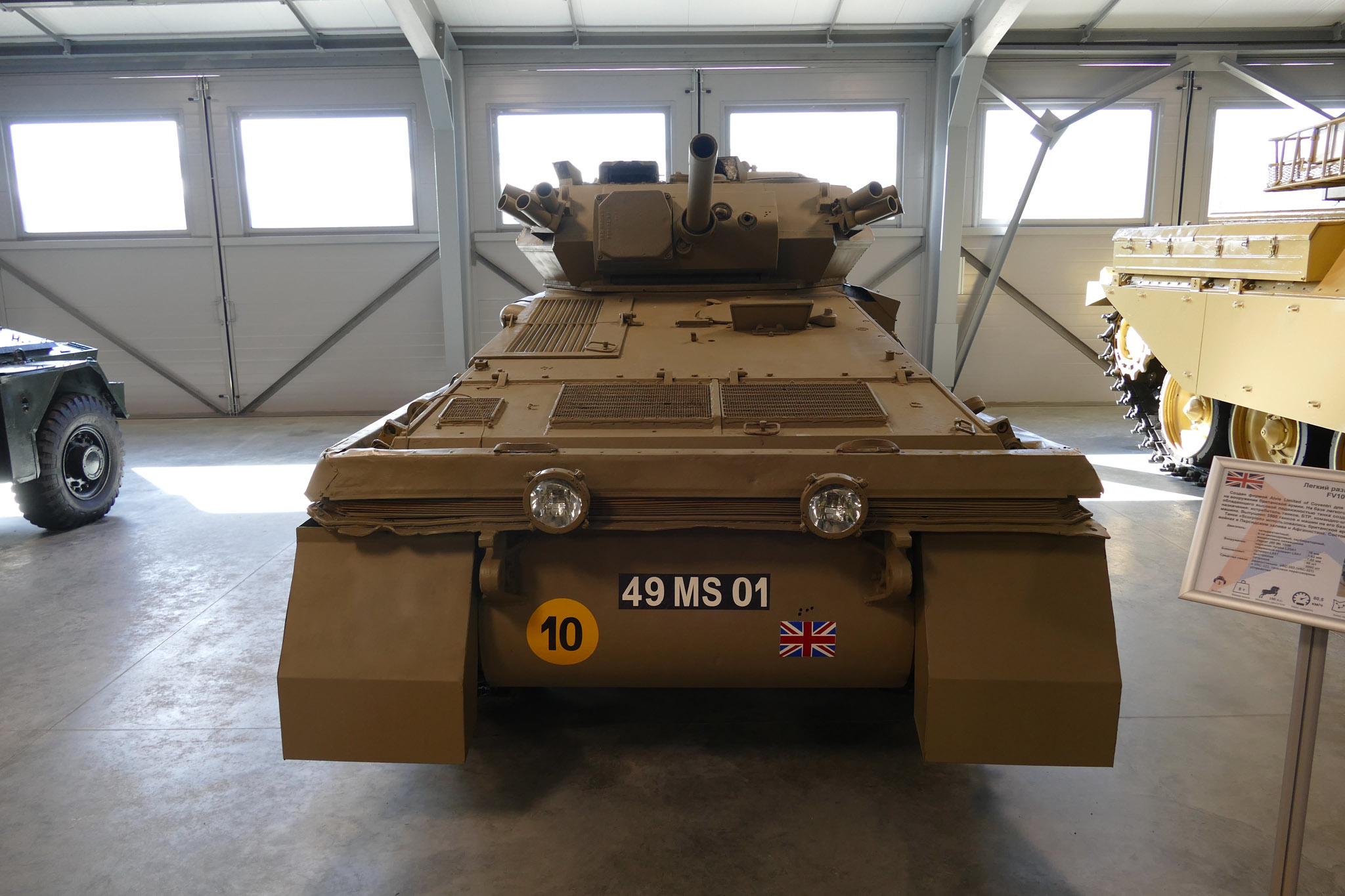
The license plate number is original, but the car itself is a former Iranian vehicle.
In any case, toward the end of the 1950s, the topic of a light reconnaissance tank came back into focus. There were reasons for this. The fact is that an armored vehicle outperforms a reconnaissance tank only in terms of top speed, but that’s where things get interesting. On dirt roads, their speeds are at least equal, and in terms of cross-country mobility, the tank clearly outperforms the armored vehicle. At the same time, an armored vehicle in the same class offers less protection and has larger dimensions. Most interestingly, the combat weight of an armored vehicle was often higher as well.
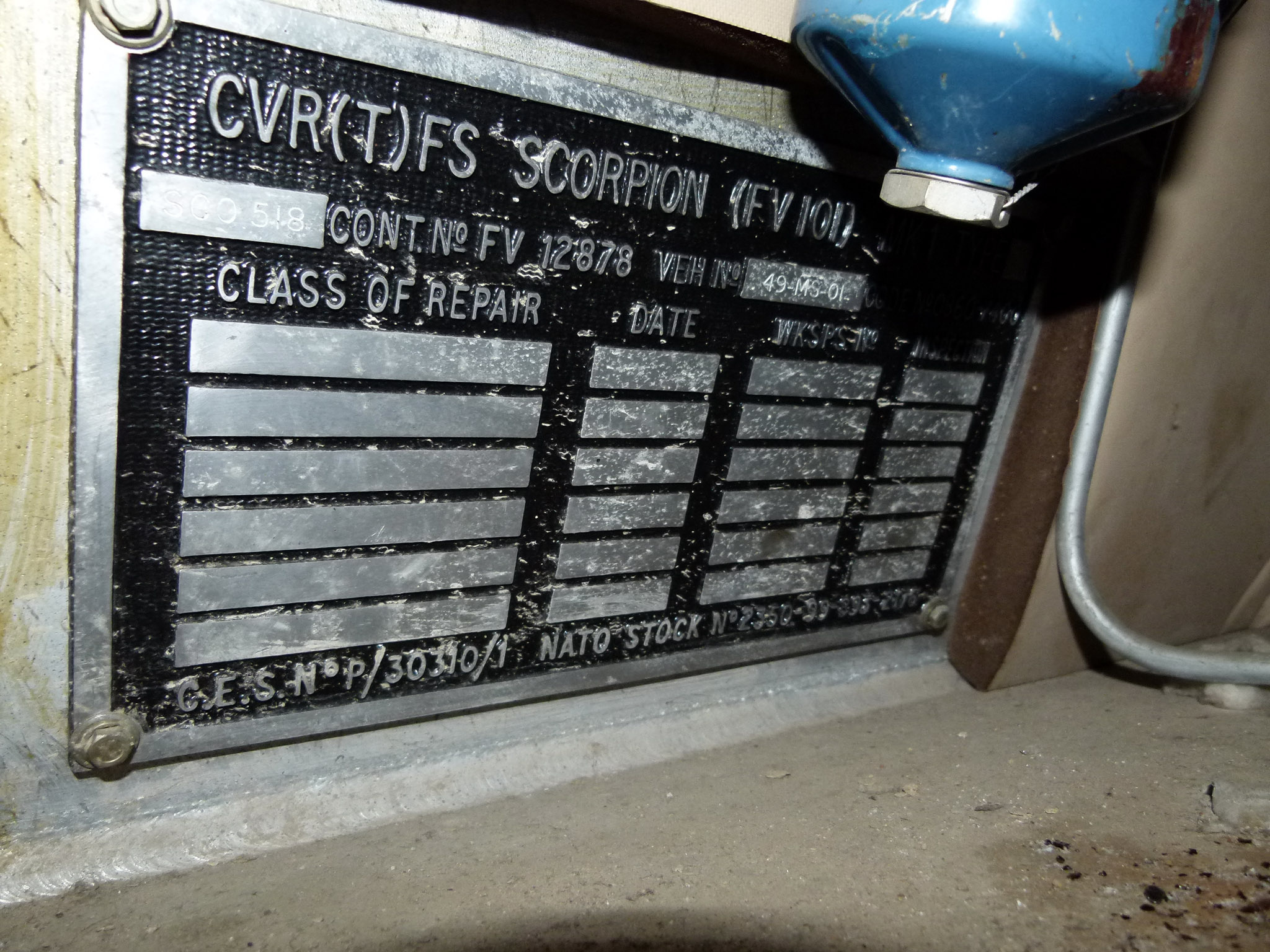
It’s also on the registration plate
British designs were influenced by the French ELC (Engin Léger de Combat) program. In the 1950s, two-seat combat vehicles were first developed by Hotchkiss, then by AMX and EVEN, but in 1961, the ELC airborne vehicle program was shelved. In that same year, 1961, the British General Staff issued the GSOR 1106 and GSOR 1010 tactical and technical requirements. According to these requirements, the goal was to develop airborne armored vehicles, both wheeled and tracked. It was subsequently decided to consolidate the work into a single specification designated G.S.O.R. (General Staff Operational Requirements) 3301, also known as A.V.R. (Armored Vehicle Reconnaissance).
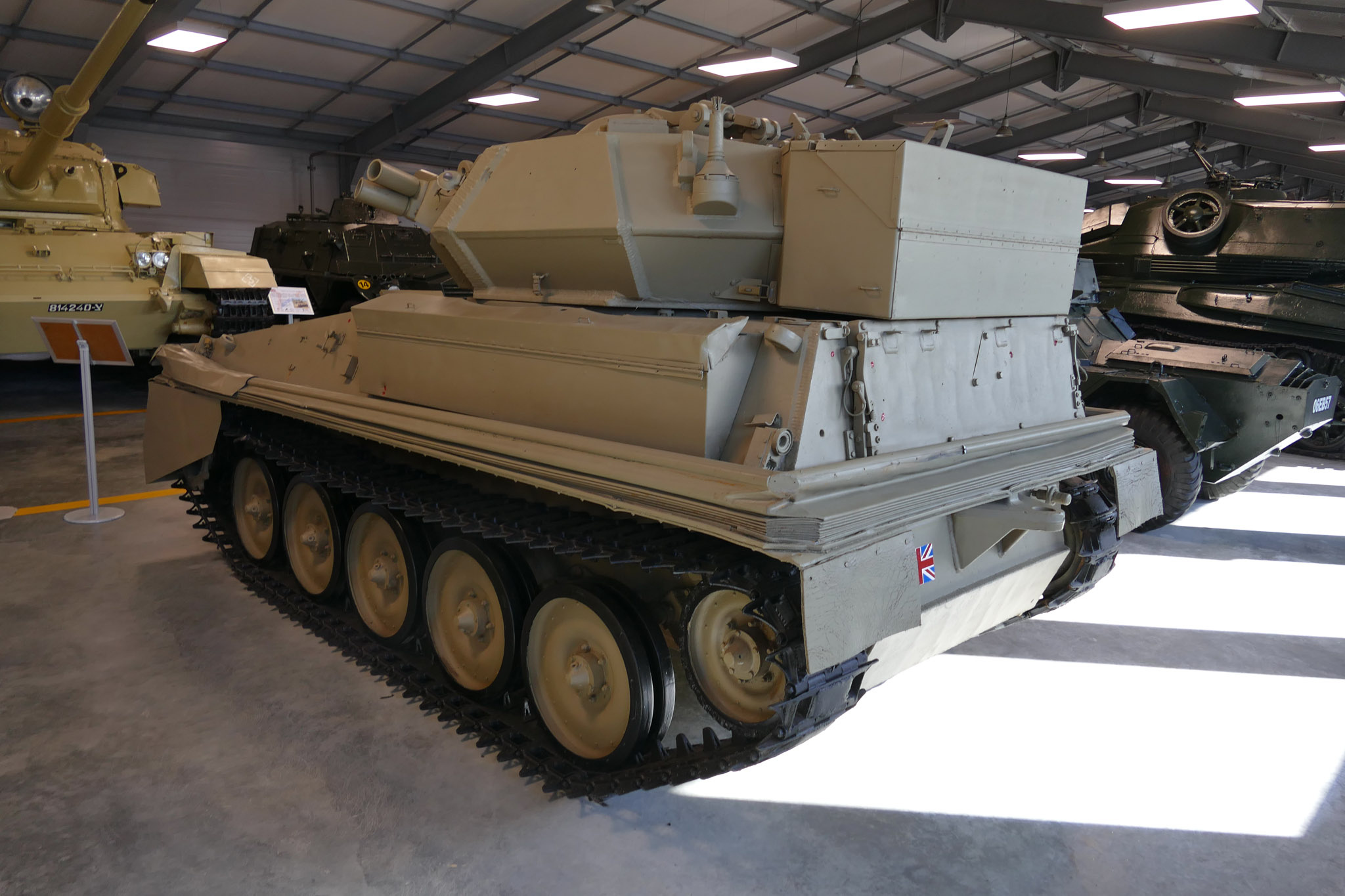
These days, «Scorpions» in this configuration are a rarity
As before, GSOR 3301 called for the development of an entire family of wheeled and tracked vehicles, totaling 7 types. In addition to replacing armored vehicles, the plan was to produce an armored personnel carrier, a medical evacuation vehicle, a command vehicle, and so on. The development was comprehensive: the vehicles were designed with the intention of being transported inside the prospective Hawker Siddeley HS.681 military transport aircraft, which had a short takeoff and landing capability and a payload capacity of just under 16 metric tons. This imposed a limitation on the combat weight of the GSOR 3301, since the plan was to carry two vehicles in a single aircraft. To ensure a payload margin, the combat weight of the GSOR 3301 was set at 6,250 kg with 50% fuel and ammunition.
All the more so for those who fought
Since the Lockheed C-130 subsequently became the carrier aircraft, the combat weight was increased to 7,711 kg. In any case, the limit was low, and the GSOR 3301 was required to provide protection against a 14.5-mm armor-piercing round at a distance of 400 meters and all-around protection against fragments from a 105-mm shell at a distance of 30 meters. Work on the GSOR 3301 chassis was assigned to the FVRDE (Fighting Vehicles Research and Development Establishment, Chertsey, Surrey), which was already working on the development of the turret and internal equipment. Later, the FVRDE also undertook the construction of a full-scale tank mock-up. In total, eight different agencies were involved in the vehicle’s development.
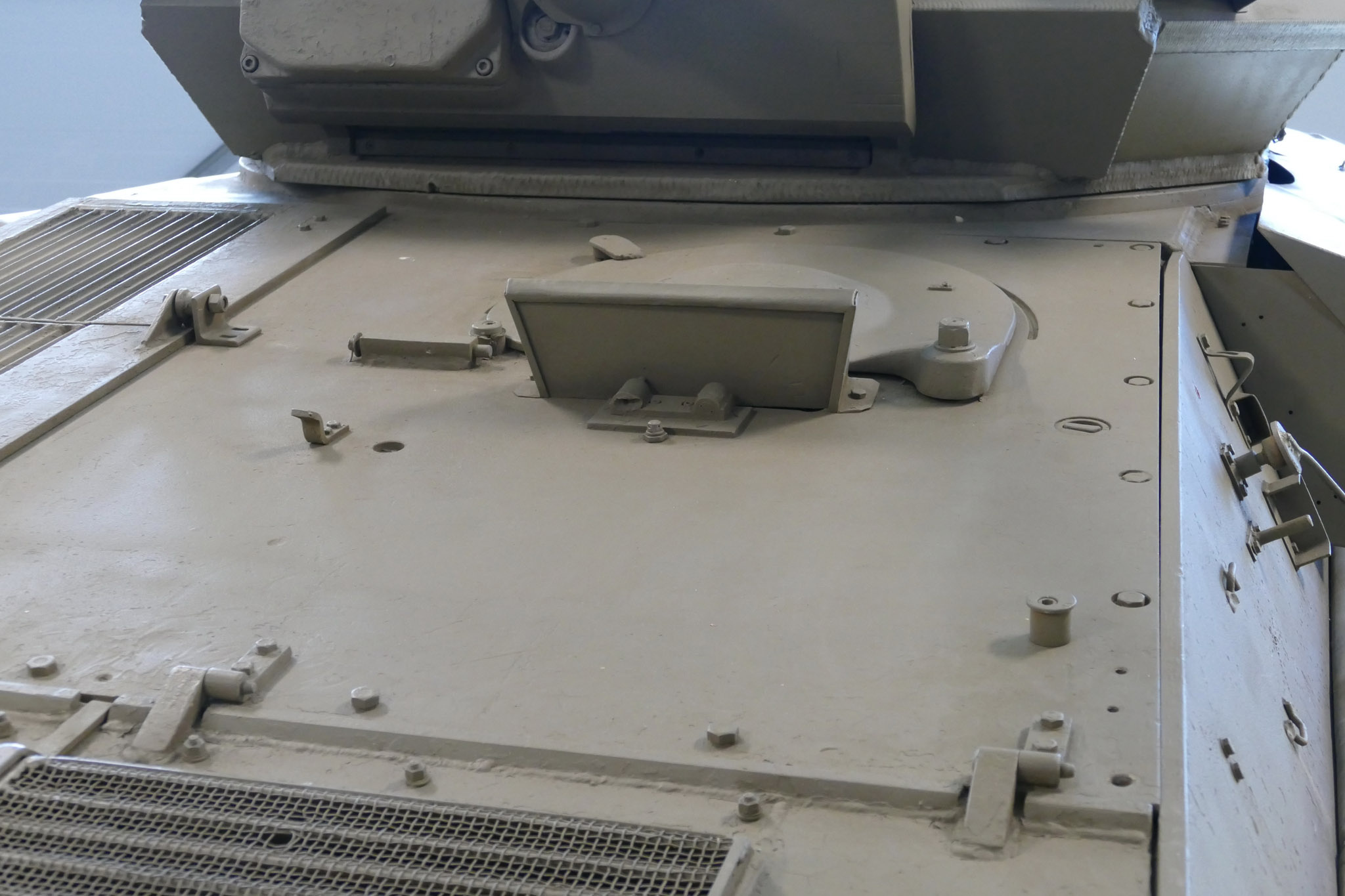
Mechanic-Driver Position
Ultimately, the GSOR 3301 program evolved into the G.S.R. 3301 C.V.R.(T). This marked the birth of the “100th” series, with the FV 101 Scorpion reconnaissance tank serving as the lead vehicle. The primary armament was the 76-mm L23A1 gun, developed jointly by RARDE (Royal Armament Research and Development Establishment) and RSAF Enfield. The FV 101 Scorpion became the first British mass-produced combat vehicle to incorporate aluminum in its design. This significantly reduced its combat weight. The actual combat weight was 8 metric tons, which, however, was not a problem, as aircraft payload capacity continued to increase.
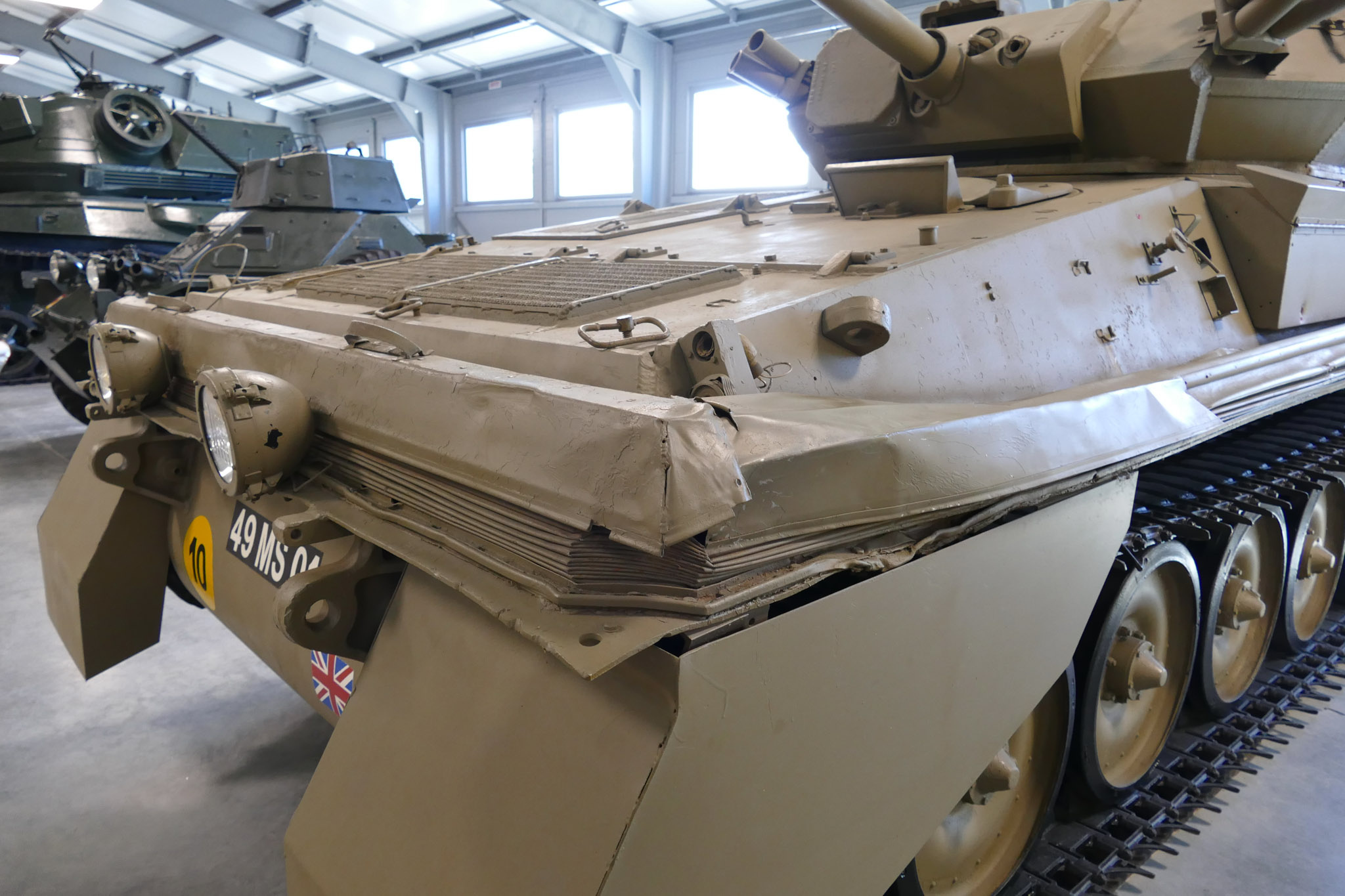
Duplex Drive Skirt
The specifications for the G.S.R. 3301 C.V.R.(T) called for a maximum speed of 80 km/h, but it turned out to be slightly less—about 75 km/h. However, that was quite sufficient for a reconnaissance tank. The vehicle was very well received, and not just by the British Army. Of the more than 3,500 FV 101 Scorpions produced, about 1,500 were delivered to the British Army. The remaining vehicles were exported. It turned out that such combat vehicles were needed by far more than just the Airborne Forces. They were perfectly suited for the role of reconnaissance vehicles, so even the British deployed them in their armored divisions.
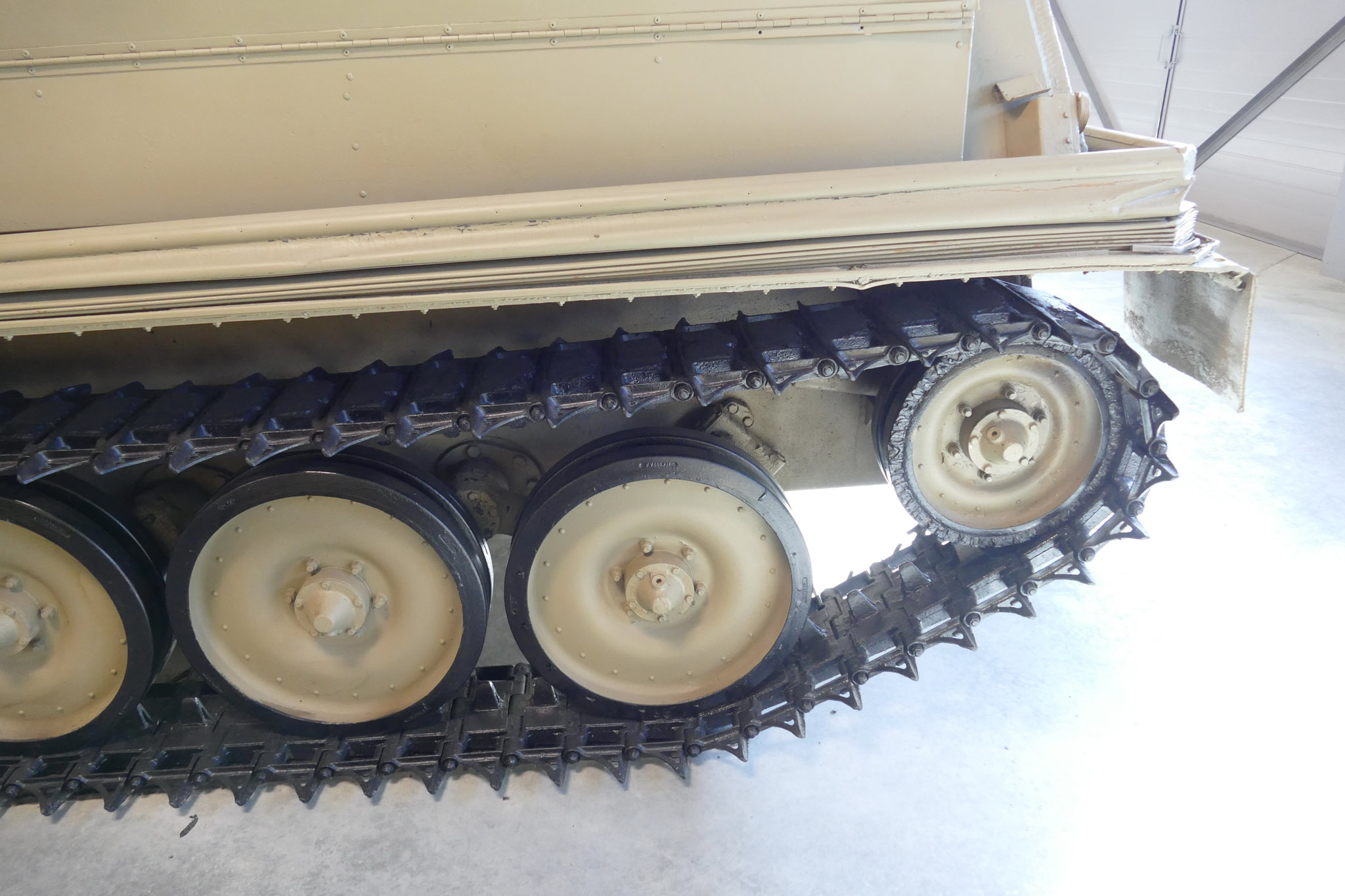
The chassis of the 100 Series is similar to that of the FV430 Series. It’s quite well-designed.
The most interesting thing is that, in the case of the FV 101 Scorpion, the history of British tank design took a spiral turn. The fact is that, in terms of layout, the reconnaissance tank resembles the most widely produced British pre-war tank—the Light Tank Mk. VI. The only difference is that the driver sits to the left of the engine rather than to the right. Furthermore, their fates turned out to be similar in some respects. In the summer of 1940, the Light Tank Mk. VI was often forced to take on the role of a conventional tank, which ended very badly. In the early 1980s, something similar happened to the “Scorpion.”
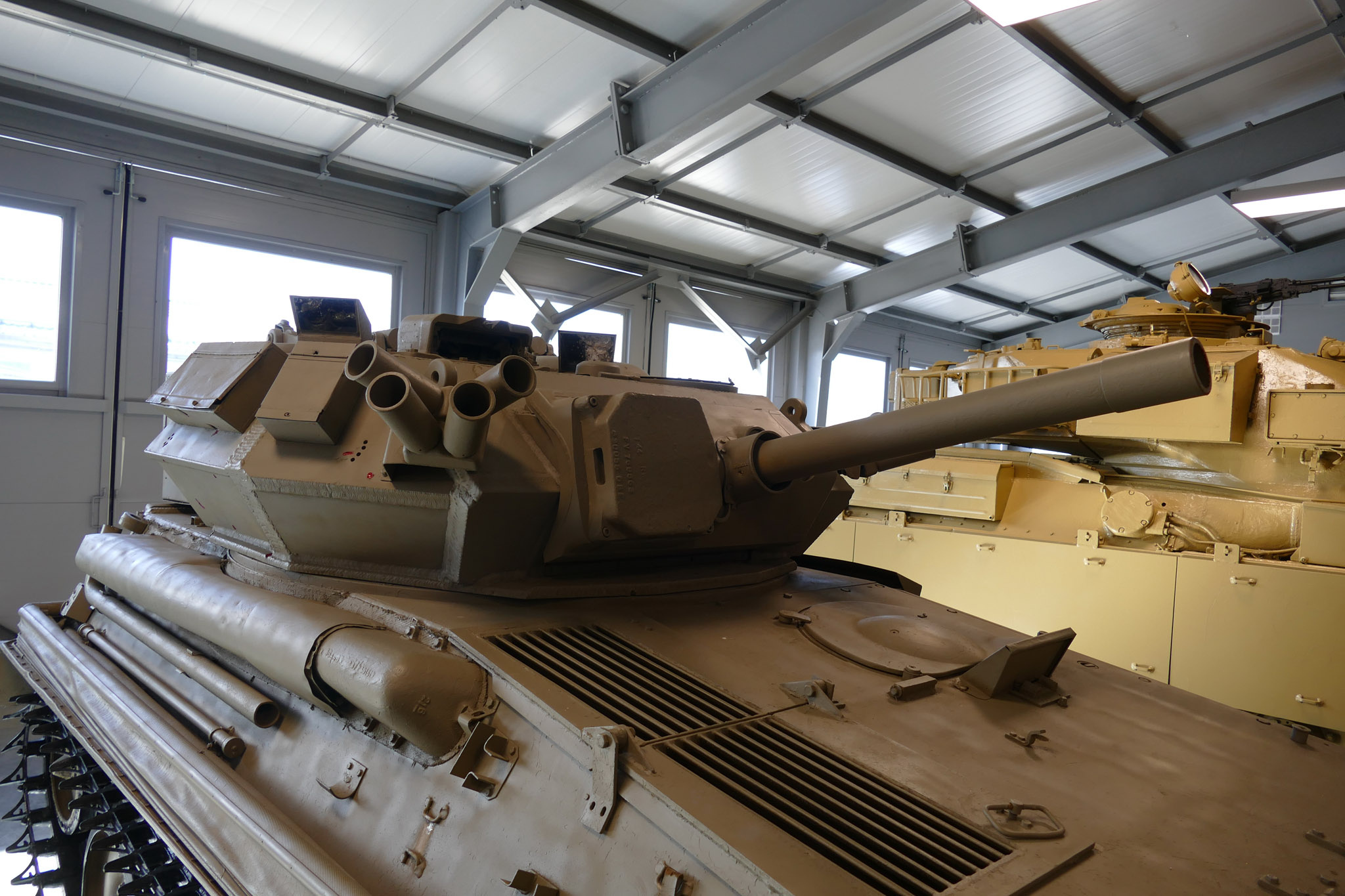
Experts from Wikipedia found a 90-mm gun here
In the mid-1970s, Iran was one of the leading buyers of British armored vehicles. A total of 250 such tanks were purchased. Sometimes you hear claims that Iranian “Scorpions” are equipped with 90-mm guns, but people need to stop passing around all kinds of nonsense. They even “discovered” such a gun on a tank in Kubinka. In reality, it’s equipped with a perfectly standard 76-mm L23A1 gun. And overall, the tank is quite standard, although the Iranian configuration did differ slightly from the standard one.
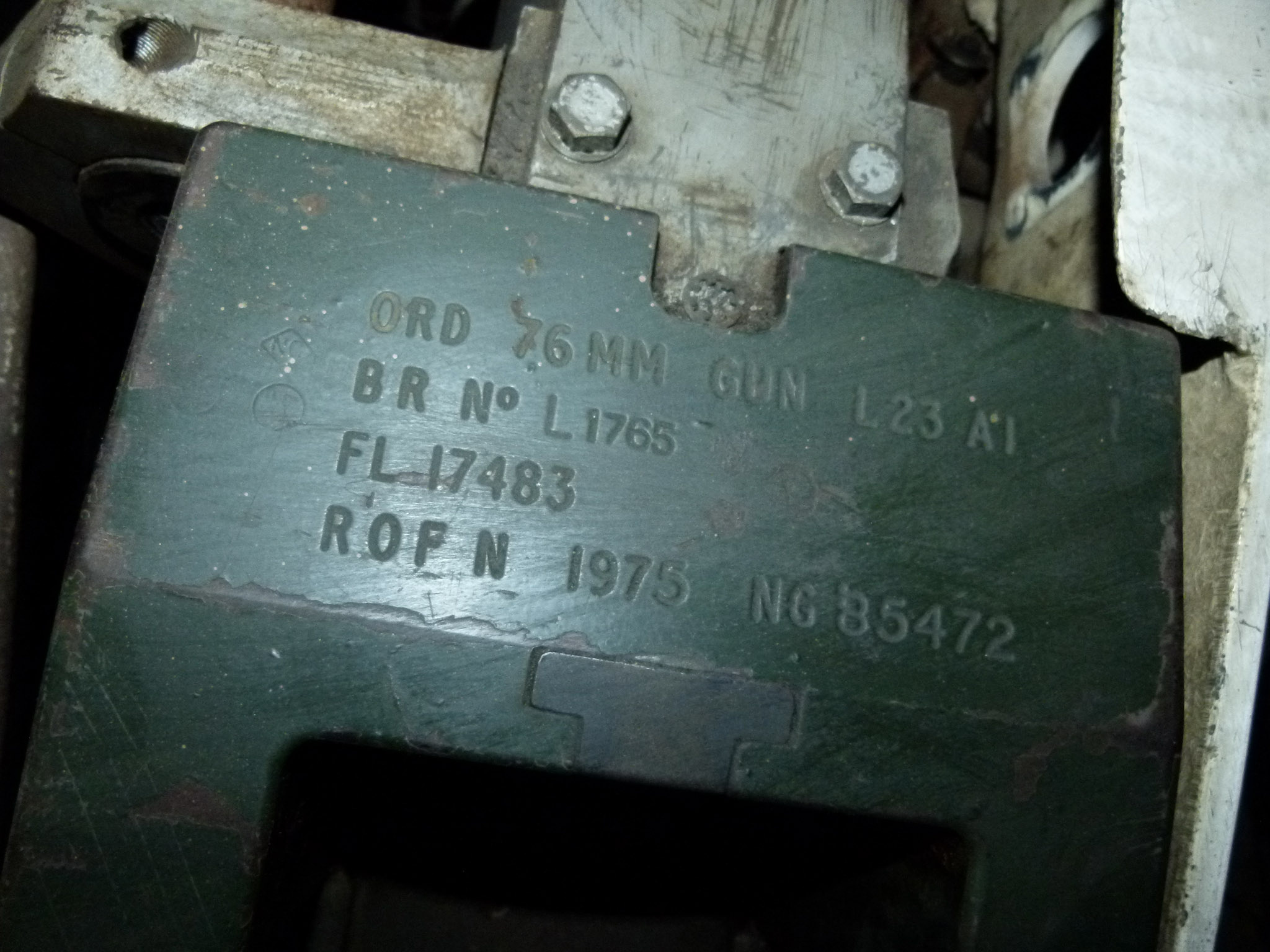
Surprise, surprise. No 90 mm was found in 3 inches.
This vehicle features very distinctive front fenders. While they are now locally manufactured, they are based on purely Iranian dust screens. The Iranian military has also retained the Duplex Drive system on its reconnaissance tanks. Thanks to this system, the FV 101 Scorpion was able to cross water obstacles. Initially, it was standard equipment for these tanks, but later on, the vast majority of operators abandoned the Duplex Drive system. The reason is simple—it “wasn’t useful.”
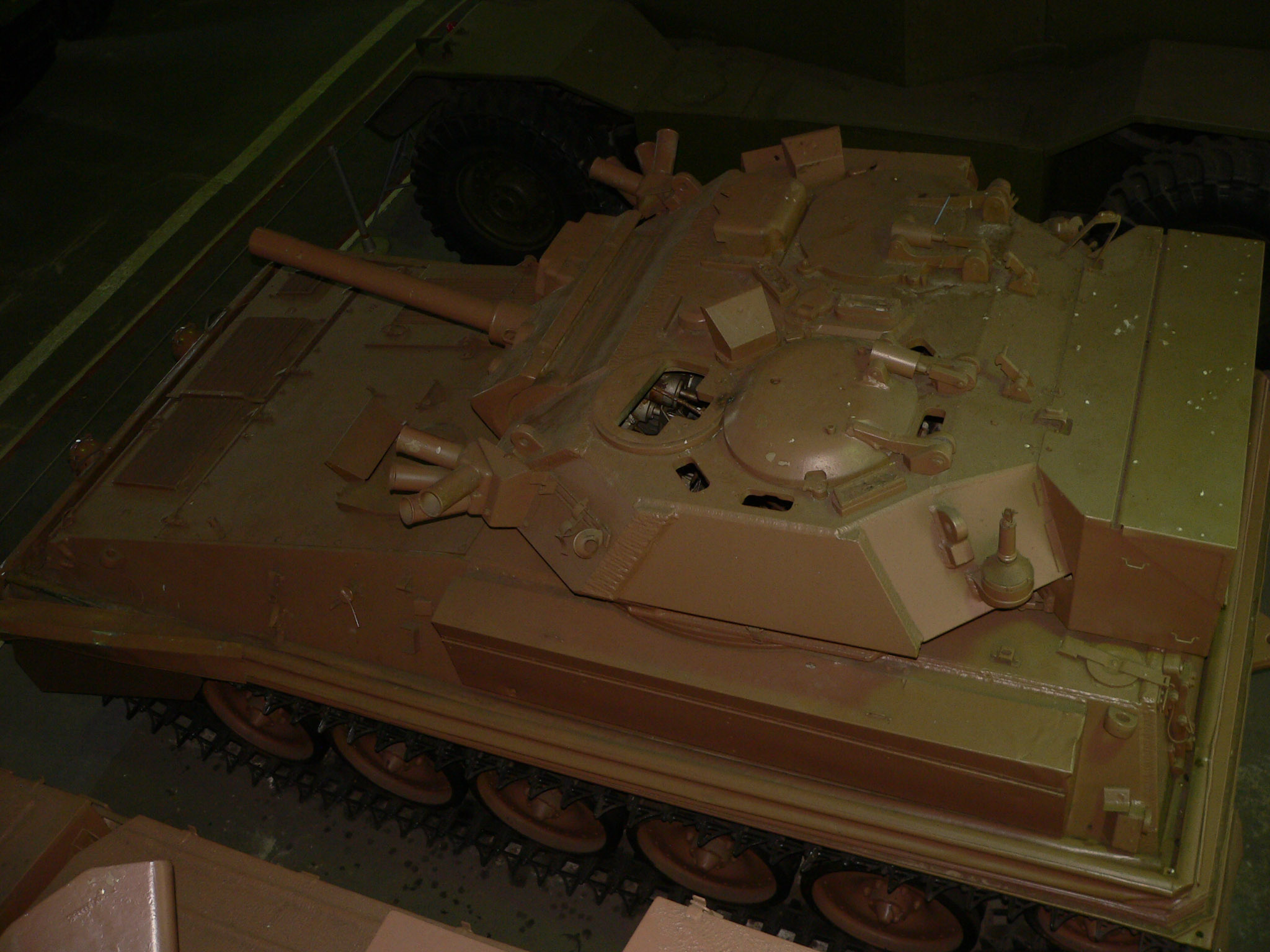
The turret on the FV101 is quite well-designed, especially for a tank of that size
Iranian «Scorpions» were the first to see combat; this happened in 1980. The main question is how this happened. Instead of carrying out their primary duties, Iranian reconnaissance units were forced to fight against Iraqi T-62 tanks. The outcome of such engagements was somewhat predictable. By the end of the Iran-Iraq War and other conflicts, the Iranian army had only about 40 tanks of this type remaining. Some of the Iranian “Scorpions” were captured in working condition. Of these, 19 were sold to Jordan, and one ended up in the Soviet Union, along with a Chieftain Mk.5.
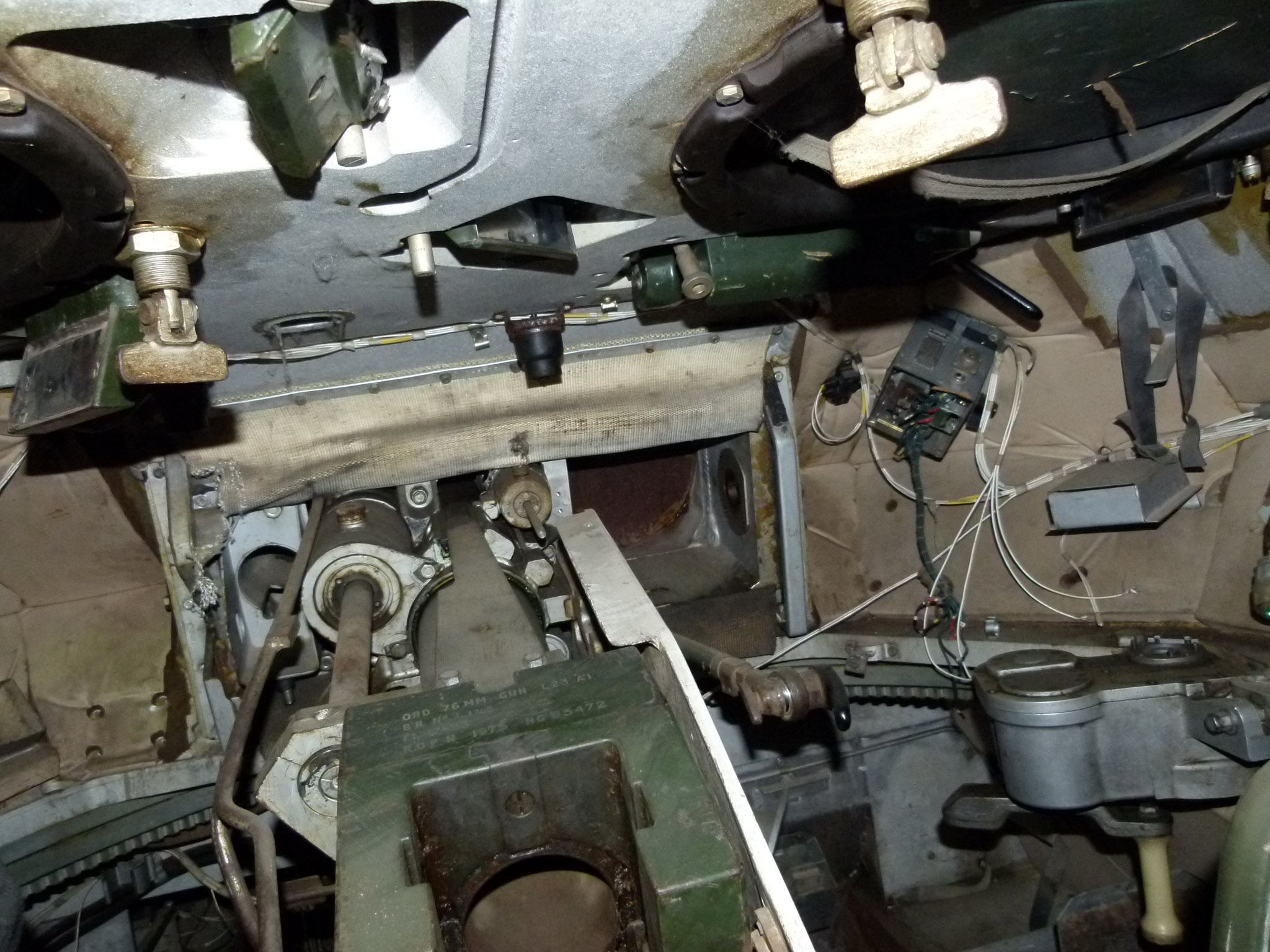
Inside the «Scorpion» combat compartment
The tank with registration number 49-MS-01 is now a great rarity. It is a fairly typical example of the “Scorpion” series in its original configuration. Equally valuable is the fact that it is one of the few tanks of this type to have seen combat; it bears combat damage. Some parts, of course, are not original, but it must be said that domestic armored vehicles abroad suffer a similar fate. The military approach to restoration is the same.