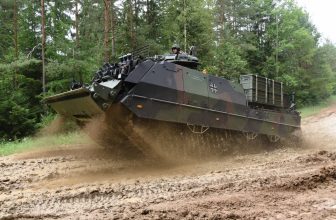
Air defense towers are making a comeback in Ukraine. What lies behind these new guardians of the sky?

The history of stationary air defense fortifications dates back to World War II, when unique engineering structures known as “Flaktürme” were built in the major cities of Nazi Germany—Berlin, Hamburg, and Vienna—unique engineering structures known as “Flaktürme” were erected. These massive reinforced concrete towers, whose construction began after the first British air raids on Berlin in August 1940, were multifunctional complexes that combined anti-aircraft artillery firing positions, command posts with radar equipment, and protected shelters for the civilian population.
The design of the flak towers was exceptionally sturdy: the walls were up to 2.5 meters thick, and the floors were 3.5 meters thick, making them virtually invulnerable to the aerial bombs of that era. The towers were armed with twin 128-mm FlaK 40 anti-aircraft guns, capable of firing at altitudes of up to 14.8 kilometers, as well as numerous smaller-caliber automatic cannons for engaging close-range targets. Each complex consisted of a combat turret housing the artillery and a command turret equipped with fire control systems and radar stations, ensuring highly effective coordination of operations.
Flaktürms played a crucial role in organizing urban air defense, providing a circular field of fire and continuous target tracking thanks to the placement of equipment at a height exceeding that of the city’s buildings. In addition to their military purpose, these structures served as shelters for tens of thousands of civilians during air raids, featuring autonomous power and water supply systems, hospitals, and storage facilities for museum artifacts. After the conflict ended, most of the towers were dismantled; however, a few structures have survived to this day and have been repurposed for civilian use.
Current Challenges in Aviation Security
Against the backdrop of the development of unmanned technologies and the changing nature of air threats, issues related to the organization of air defense are taking on new significance. The growing use of small unmanned aerial vehicles for various purposes requires the development of cost-effective and technically tailored solutions to protect infrastructure facilities. It is precisely in this context that the emergence of new initiatives in the field of air defense in Ukraine should be viewed.
A Pilot Project to Engage the Private Sector
A pilot project is currently underway in Ukraine to engage the private sector in developing components of the air defense system. The initiative, launched in coordination with government agencies, involves the creation of local defense perimeters for critical infrastructure facilities using innovative technical solutions. A key feature of the new system is its accessibility to commercial entities: companies interested in providing additional protection for their production sites and warehouse complexes can contract the services of private air defense units.
Technical Solutions: Remote Fire Control Modules
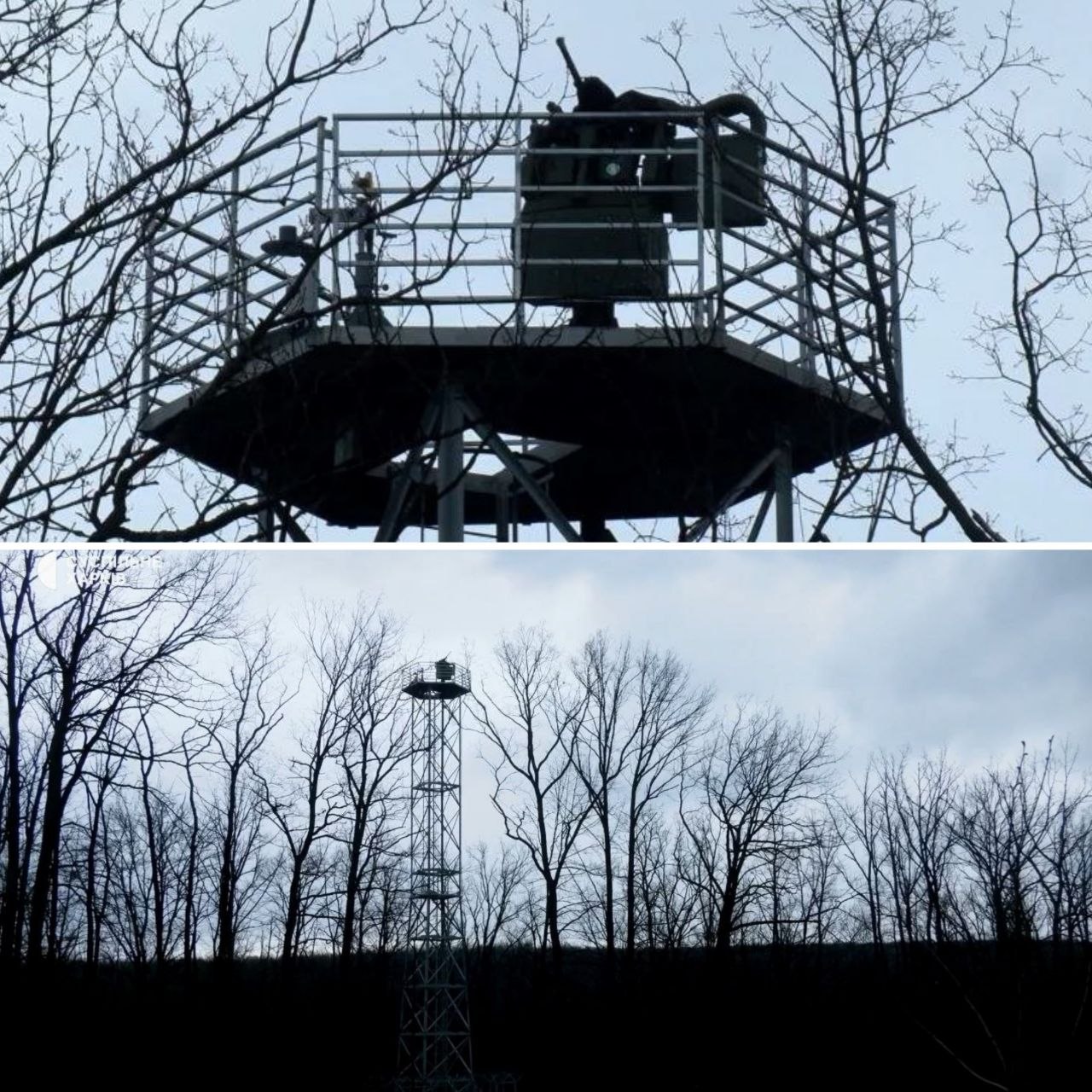
One of the project’s key areas has been the introduction of remotely controlled fire modules based on large-caliber machine guns. According to Sergey Beskrestnov, an advisor to the Ukrainian Minister of Defense, such systems are already in trial operation. Remote-controlled turrets equipped with 12.7-mm Browning machine guns are capable of effectively engaging aerial targets at ranges of up to two kilometers. The primary purpose of these systems is to protect stationary facilities in the energy, transportation, and communications sectors from attacks by unmanned aerial vehicles. The use of remotely controlled systems minimizes risks to personnel by enabling fire to be directed without operators being physically present in the potential strike zone.
Legal Framework and Coordination Mechanisms
The legal framework for implementing the initiative was established in November 2025, when the Cabinet of Ministers approved a pilot program for involving enterprises in the formation of air defense groups. Priority for participation in the project is given to critical infrastructure operators—organizations that ensure the functioning of energy, communications, water supply, and transportation systems. Weapons are provided through government programs, and operations are coordinated jointly with Air Force units, ensuring the integration of private groups into the overall air defense architecture.
Practical Results of the Experimental Phase
The results of the project’s experimental phase, as reported by Minister of Digital Transformation Mikhail Fedorov, demonstrate the practical effectiveness of this approach. In particular, in the Kharkiv region, private fire teams have successfully intercepted various types of reconnaissance and strike drones, including those classified as tactical air-attack assets. The technical characteristics of the systems in use—including effective firing range and the ability to integrate with target detection systems—continue to be refined through operational use.
Prospects for the Development of Combined Protection Systems
Experts view the development of individual air defense elements as a supplement to the existing air defense system, enabling an increase in the density of fire coverage in local areas and reducing the burden on regular units. Given the evolution of air attack capabilities—characterized by the increasing use of unmanned systems of various classes—combined approaches to organizing air defense are becoming particularly relevant. Combining traditional anti-aircraft systems with mobile and fixed short-range solutions makes it possible to create a multi-layered defense system capable of responding to threats across a wide range of altitudes and speeds.
Conclusion
The project to develop private air defense components is in its initial stages, and its long-term prospects will be determined by a combination of technical, organizational, and economic factors. At the same time, issues related to the standardization of equipment and procedures for cooperation between private groups and government agencies are being addressed, which is a necessary condition for scaling up the project. Nevertheless, the results already obtained indicate the potential of this approach to strengthen the protection of critical infrastructure in today’s environment, continuing the historical tradition of adapting air defense capabilities to the challenges of the times.
A Necessary Afterword: I would like to remind my colleagues that there is a moratorium on discussing the conflict in Ukraine on this website. Therefore, if any comments violate this rule, they will be deleted and the comment threads will be closed. Only the technical aspects of this project may be discussed.