Osprey's older brother that never took flight. Bell–Boeing Quad Tiltrotor (QTR) / V-44. United States

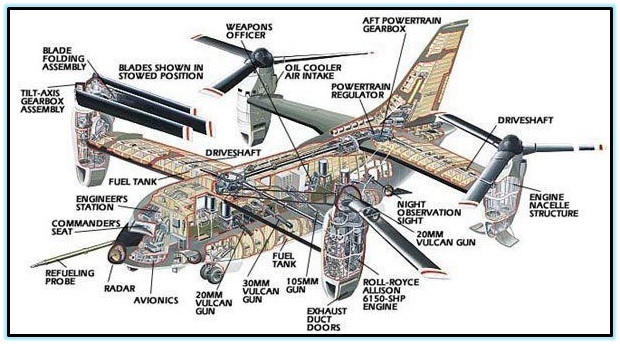
Although work on tiltrotors is underway in many places, the Bell V-22 Osprey remains the world’s only production aircraft of its kind. However, at the beginning of the century, there was a real chance that this aircraft would get a “big brother”—a cargo transport tiltrotor—which was being developed as part of the U.S. Department of Defense’s Future Transport Rotorcraft (FTR) program.
By the way, it’s possible that this program still exists and work is still being done on this machine. Although that’s highly doubtful, since there have been no reports of testing or other similar activities. But let’s get to the point.
In 2006, the developers released a video outlining the basic concept of a four-engine tiltrotor. The QTR is designed to perform tasks similar to those of military transport aircraft; however, thanks to its ability to take off and land vertically, its applications will be much broader, including use by the navy and on aircraft carriers.
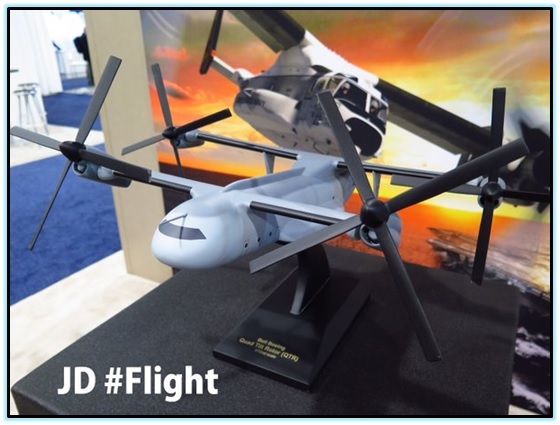
The QTR model presented here differs in certain ways from previously demonstrated concepts. According to its stated specifications, the aircraft was intended to be comparable in performance to the most widely used military transport aircraft, the Lockheed-Martin C-130, but thanks to its vertical takeoff and landing capability, it would be able to deliver cargo and troops to ships, as well as to any flat, hard-surfaced area.
The QTR was designed to be 30 meters long, with a payload capacity of approximately 20 metric tons. Its interior could accommodate up to 90 paratroopers, three HMMWV off-road vehicles, or eight 463L-type cargo pallets.
The QTR was developed along the lines of the Bell V-22 Osprey tiltrotor. Bell Helicopter was responsible for designing the wings, engines, and propellers, while Boeing was in charge of the fuselage and internal systems. The QTR was intended to be 50% compatible with the Osprey, including the use of the same rotary engines with folding propellers. The design called for the folding blades to allow the second pair of engines to be shut down during flight to reduce fuel consumption.
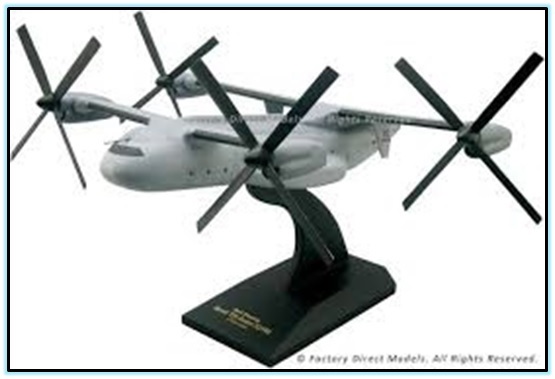
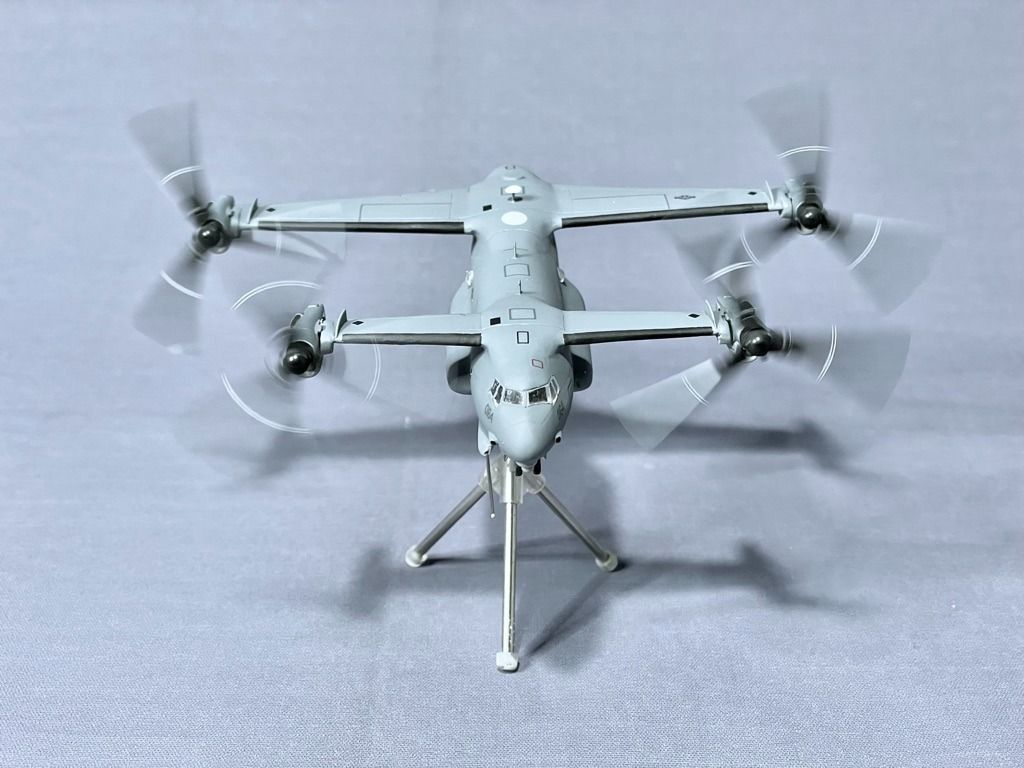
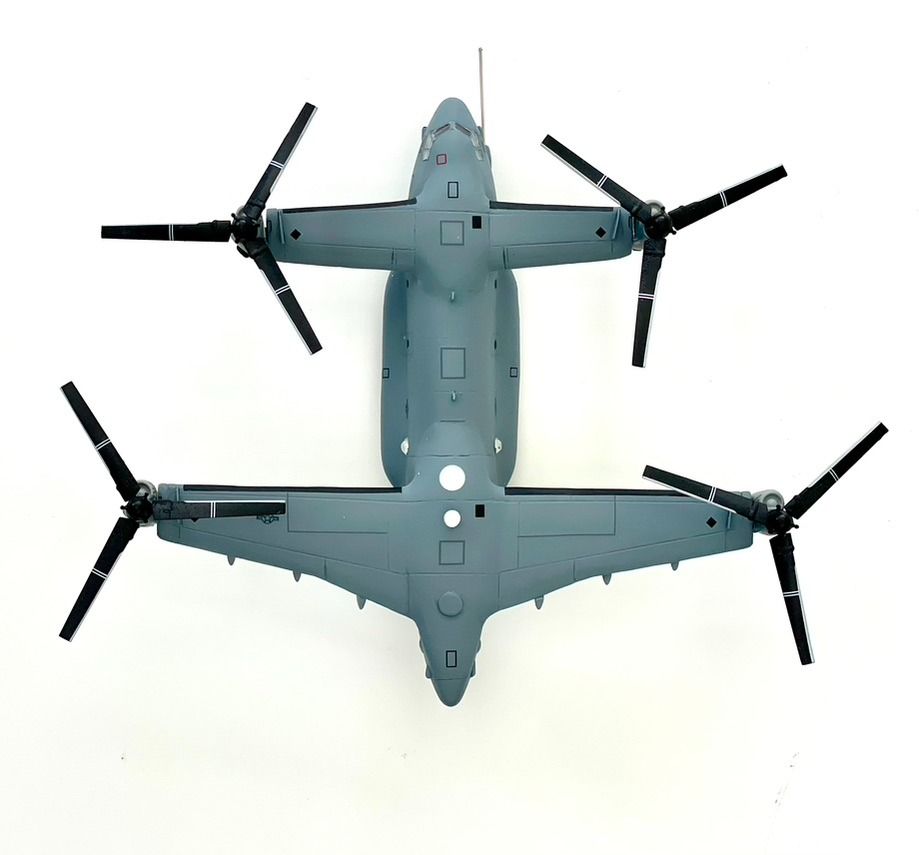
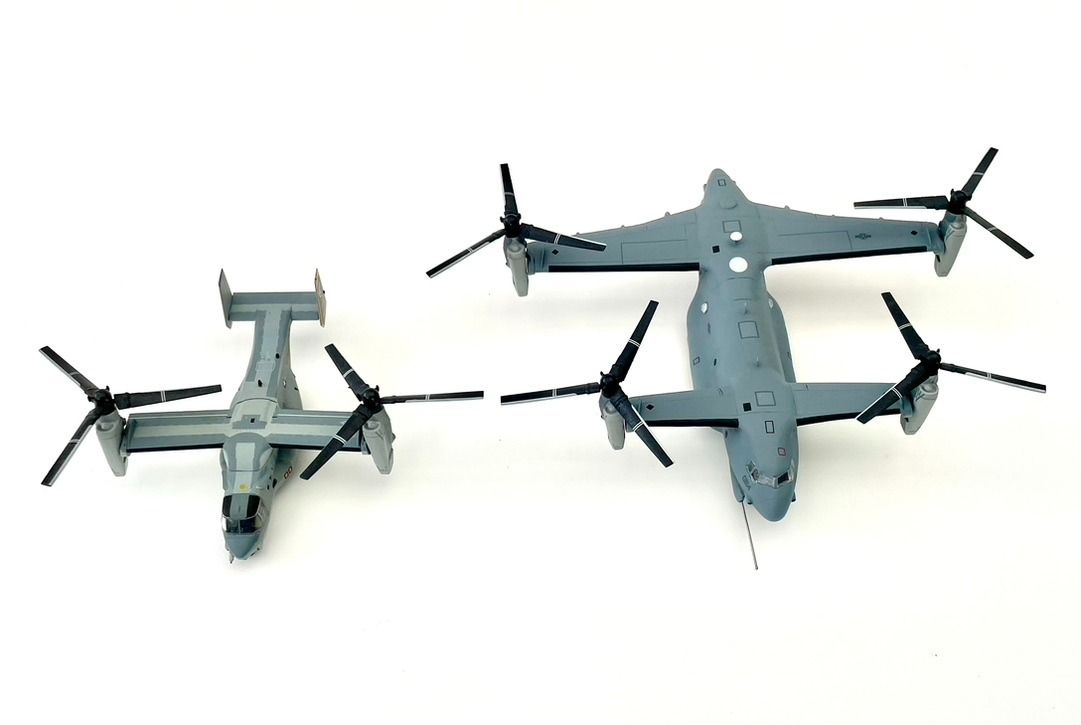
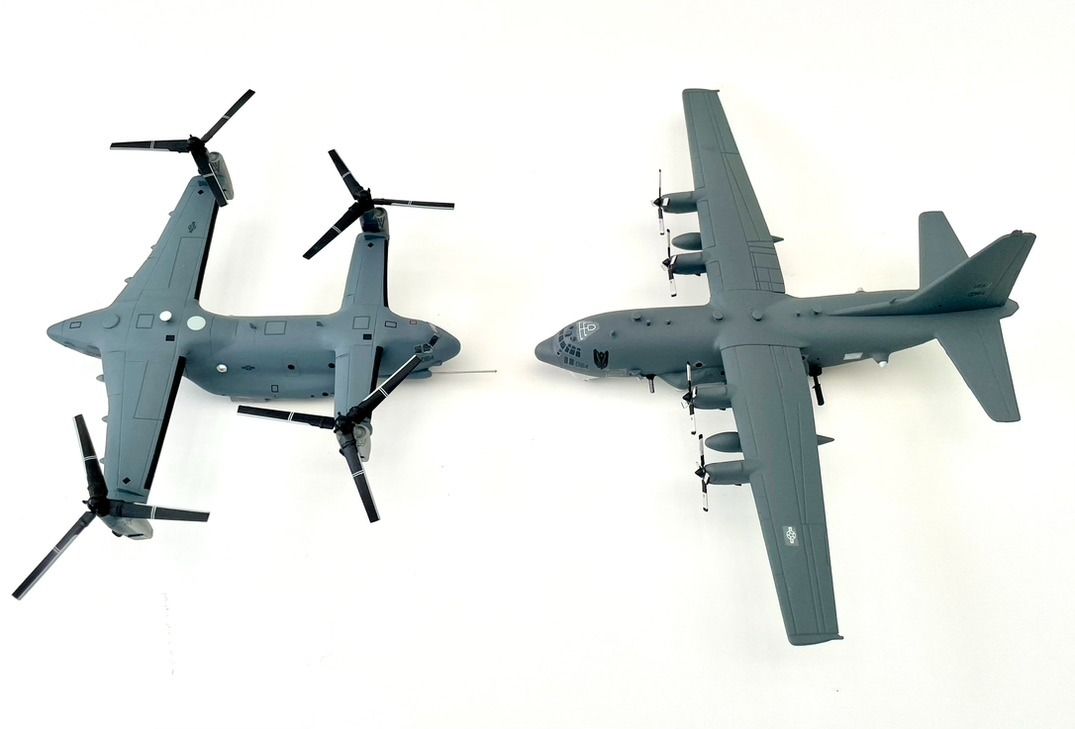
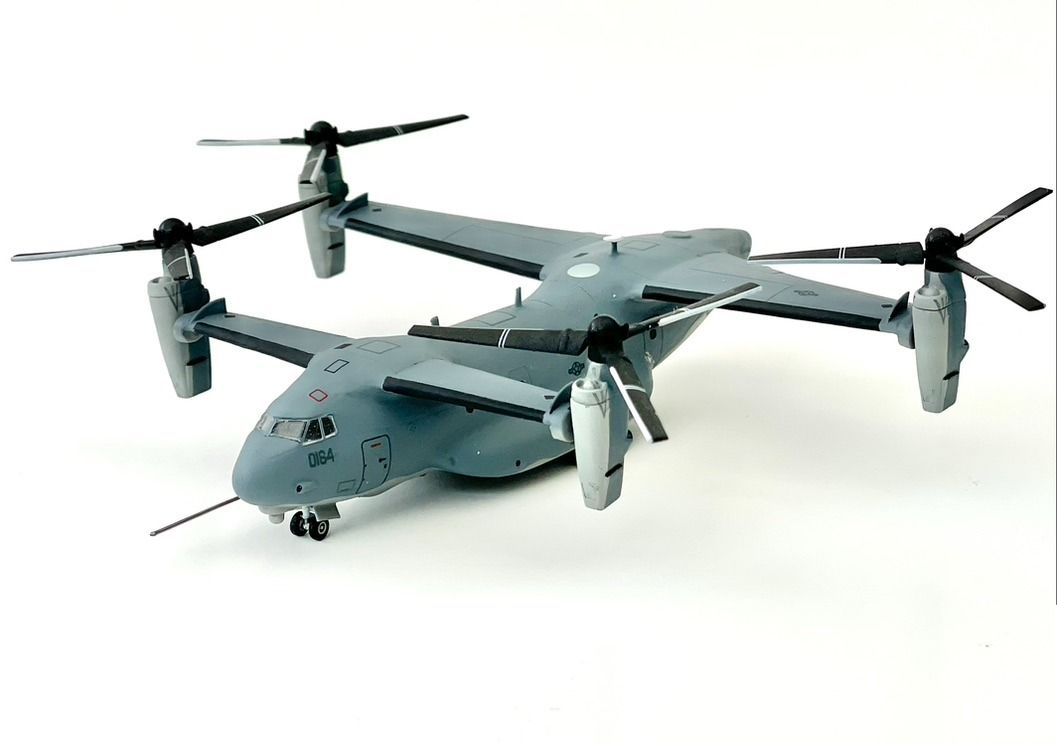
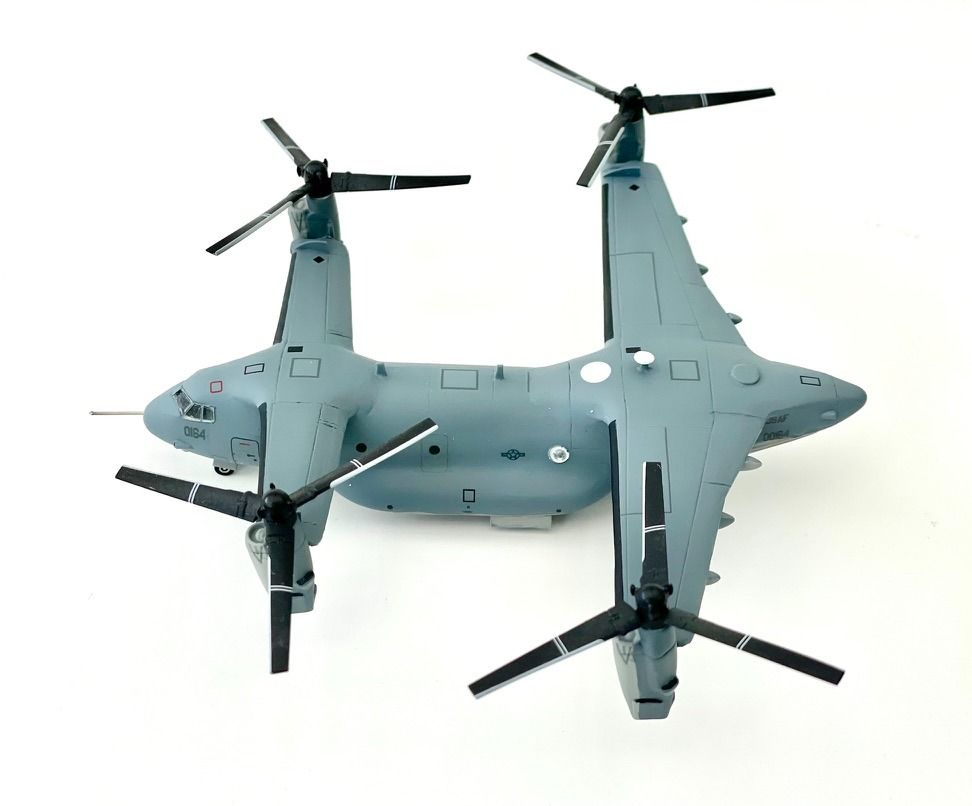




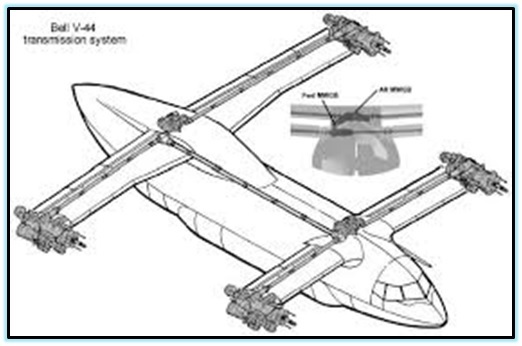
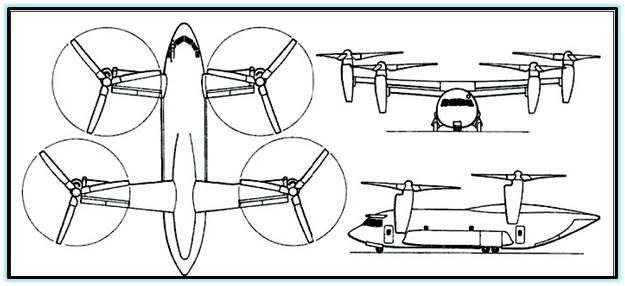
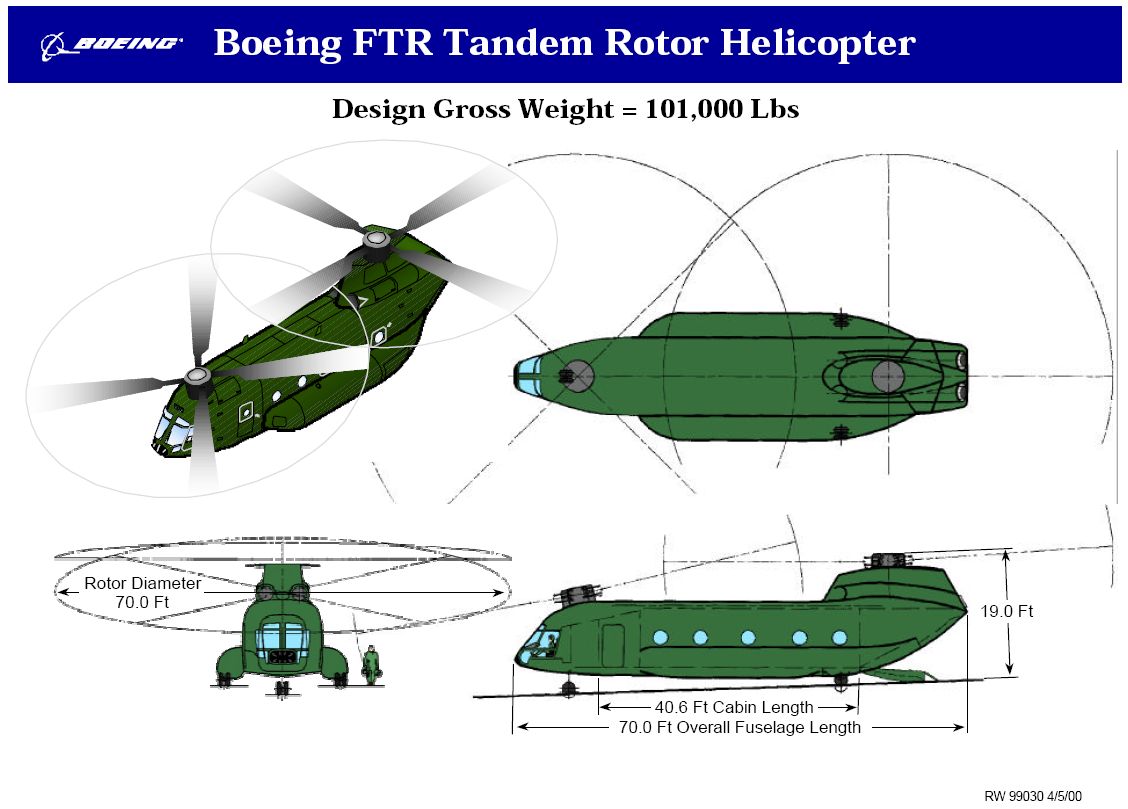
As part of the FTR program, not only was this aircraft being developed, but a large twin-rotor helicopter similar to the Chinook was also being considered. However, the fate of the FTR program as a whole—and of the aircraft developed under it—remains unknown. Perhaps some of them will still be developed at least to the prototype stage.
Based on material from — https://military-exotic.blogspot.com/2024/04/bell-boeing-quad-tiltrotor-qtr-v-44.html