The Latécoère 521, a giant six-engine flying boat designed for transatlantic flights. France

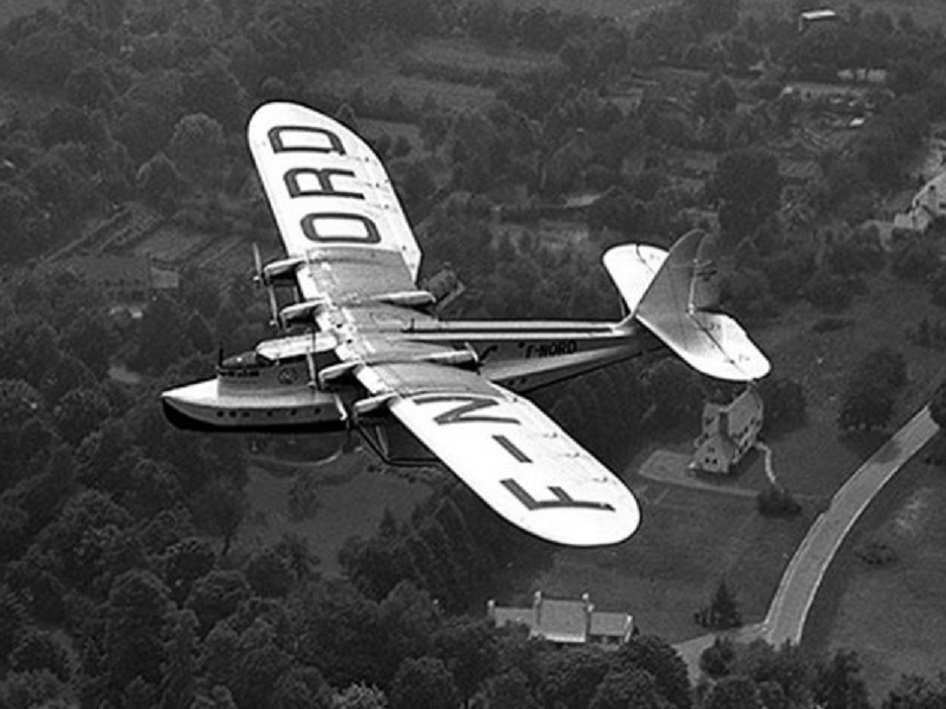
Editor’s Foreword: In 1935, this was the largest flying boat in the world. This aircraft, with its remarkable design, could have come straight from the pages of a Jules Verne novel. Thanks to its size, prestigious flights, and famous crews, the Latécoère 521 flying boat laid a solid foundation for commercial air travel.
In the first half of 1930, the seaplane department (“Hydraviation”) of the French Aeronautical Technical Service (Service technique de l’aéronautique – STAé) developed a program to create a “large-capacity seaplane” for use on routes crossing the Mediterranean Sea. On July 2, 1930, the specifications for the new aircraft were sent to all French aircraft manufacturers. However, as early as May 1930, the Société Industrielle Latécoère (SILAT) had developed a preliminary design for a large flying boat, which took into account the most important factors that formed the basis of the subsequent project.
Two years earlier, Pierre-Georges Latécoère had proposed to Albert Cac, head of the Main Technical Directorate of the French Ministry of Aviation, that they develop a family of flying boats for civil air transport. Cacou agreed to Latécoère’s proposal. At that time, three designs were under consideration: a two-, three-, or four-engine flying boat for flights in the Mediterranean region with a range of 1,000 kilometers, a four- or five-engine seaplane with a range of 3,400 kilometers for flights across the South Atlantic, and a four-to five engines and a range of 5,200 kilometers for flights in the North Atlantic. All three types of seaplanes were to be capable of carrying a cargo weighing at least one metric ton over the specified range at a speed of 180 km/h.
It wasn’t just French aircraft designers who were prone to gigantism: around the same time, work was underway in Germany on the development of the large Dornier Do X flying boat, which was also intended for regular long-range flights.
The flying boat, designated Type 520 and referred to simply as “52” in Latécoère’s internal documentation, was viewed by the company as
“a trans-Mediterranean flying boat for public and postal purposes.”
The basic design called for a one-and-a-half-deck aircraft with a takeoff weight of 28 metric tons and a powerplant consisting of four engines arranged in two tandem configurations.
The first aerodynamic tests of the Type 520 model in the Eiffel Laboratory wind tunnel began on October 18, 1930. The test results were evaluated as
“mostly wonderful.”
The State Commission for the Evaluation of New Aircraft met on November 5 and assessed Latécoère’s project as having the best chance of success. The remaining 15 projects, submitted by other companies, received significantly lower ratings and had no chance of receiving government funding. On December 6, 1930, the Minister of Aviation informed Pierre-Georges Latécoère that the ministry
“is very interested in this project.”
In early 1931, a dispute arose between SILAT and the ministry over the cost of the project, which dragged on for several months. The ministry considered the expenses claimed by SILAT to be,
“simply excessive.”
This infuriated Pierre-Georges Latécoère, and he wrote a scathing letter to the Ministry of Aviation’s state selection committee, which he concluded with two sentences:
“Either we build a fabric-covered seaplane under the terms set by the commission (at a cost of 14.7 million francs per unit), with performance 10 percent better than that of the Do X, or we will build an aircraft on our own terms (18.5 million francs per unit), which will be made of metal and will have performance at least 30 percent better than that of the Do X.”
The comparison with the Do X was far from trivial, because the German flying boat—which had taken to the air for the first time a year before this letter was written—had set the bar very high. The record-breaking flight on October 21, 1929, in which the Do X airship carried 169 people—albeit with very little fuel on board and flying at a low altitude—was accomplished first and foremost.
Much to SILAT’s disappointment, the Ministry of Aviation, due to budget constraints, selected a flying boat with a fabric-covered wing for the contract. Pierre-Georges Latécoère replied that the contract would be accepted on the condition that payment would be made even in the event of program delays of up to three months. This correspondence shows just how important this contract was to SILAT. Finally, on August 22, 1931, the French Ministry of Aviation transferred more than 18 million francs to SILAT for the construction of a 29.5-metric-ton seaplane equipped with four Hispano-Suiza 18 Sbr engines, each rated at 1,000 l.s.
This engine was derived from a 1,500-l.s. powerplant developed by Hispano Suiza specifically for the Schneider Trophy races. Engineers at Latécoère calculated that the cruising speed the flying boat could achieve with these engines was 180 km/h during flight
“near the water’s surface.”
The passenger cabin was designed to carry 22 people, 12 of whom were to be seated in folding chairs. With a wingspan of about 50 meters and a length of about 30 meters, the Latécoère 520 was one of the largest aircraft of its time.
While developing the flying boat, the Latécoère design bureau, led by Marcel Moine, faced enormous technical challenges. These problems had to be resolved under significant time constraints, as the contract for the construction of the first flying boat stipulated that the first flight could be delayed by no more than twelve months.
For example, one of the main challenges was fuel placement. Initially, the plan was to place the fuel tanks behind the cockpit and above the passenger compartment, but this proved impossible. Marcel Moin came up with the idea of using the short lower wing consoles as fuel tanks. The design changes were so significant that the car was given a new designation: “520 bis.”
Marcel Moin planned to use the space that had become available on the upper deck as a lounge for second-class passengers. This would have increased the empty aircraft’s weight by 4.5 metric tons, reducing the estimated range to 850 kilometers. This meant that a flight from Marseille to Algiers (760 kilometers) would be practically feasible with 64 passengers and six crew members, even with a headwind.
In September 1931, despite strong objections from Pierre-Georges Latécoère, the Ministry of Aviation halted work on the aircraft. It was not until December 8 that SILAT received permission to resume work on the Latécoère 520 flying boat, but this did not happen until April 1933. This was not the project’s only setback; there were also problems with the engines. Hispano-Suiza was unable to supply the required engines. Therefore, in January 1934, SILAT’s designers proposed using six less powerful 760-sily Hispano-Suiza 12Ybrg engines instead of four 1,000-sily Hispano-Suiza 18 Sbr engines.
The supercharged engines were slightly heavier, but together they produced significantly more power, especially at high altitudes. It was not until March 1934 that the aircraft’s final configuration was determined: in addition to the four engines mounted in two tandem pairs, two more single engines were installed in the upper wing. This also changed the aircraft’s designation, and the Latécoère 520 became the Latécoère 521. When it came to naming the flying boat, “Lieutenant-de-Vaisseau-Paris” was chosen in honor of Lieutenant Paulin Paris (Paulin Paris), a naval officer and seaplane enthusiast who died of illness at the age of 35.
As soon as the data on the Latécoère 521 flying boat was submitted to the Ministry of Aviation, the ministry required SILAT to modify the aircraft so that it could cross the North Atlantic without making any stopovers. The airmail route to the United States seemed very promising, and France wanted to secure its share of this business.
The SILAT design bureau calculated that the Latécoère 521 “Lieutnant-de-Vaisseau-Paris” should have been capable of flying from Biscarrosse to New York with a two-hour stopover in the Azores. Without a headwind, it would have taken 30 hours to complete the journey.
In October 1934, production of the fuselage for the Latécoère 521 seaplane began at the SILAT factory in Montaudran, a suburb of Toulouse. All the parts were painstakingly transported by truck over a distance of 500 kilometers to Biscarrosse, where the final assembly of the seaplane took place. Around the same time, the engines were delivered by rail.
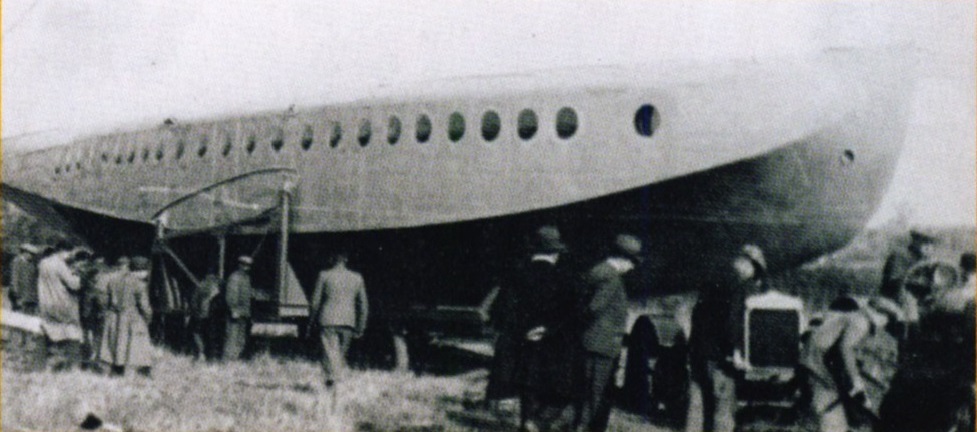
The massive fuselage of the Latécoère 521 flying boat was manufactured at the SILAT plant in Montaudran, a suburb of Toulouse, and its two sections were transported by truck to Biscarrosse
In November 1934, the Ministry of the Navy appointed Captain 3rd Rank Roger Bonno to lead the program. By that time, he had logged more than 2,900 flight hours and was one of France’s most experienced naval aviators.
In just one month—December 1934—the aircraft was fully assembled. The final inspection by the STAé technical commission took place on January 3, 1935. On January 10 and 11, 1935, two SILAT test pilots, Jean Gonord and Pierre Crespy, tested the Latécoère 521 seaplane on the water. On January 15, 1935, they accelerated the seaplane to takeoff speed and made the first flight in the Latécoère 521. One hour and 35 minutes later, they landed on the surface of Lake Biscarros. The long history of the Latécoère 521 flying boat’s development was crowned with success.
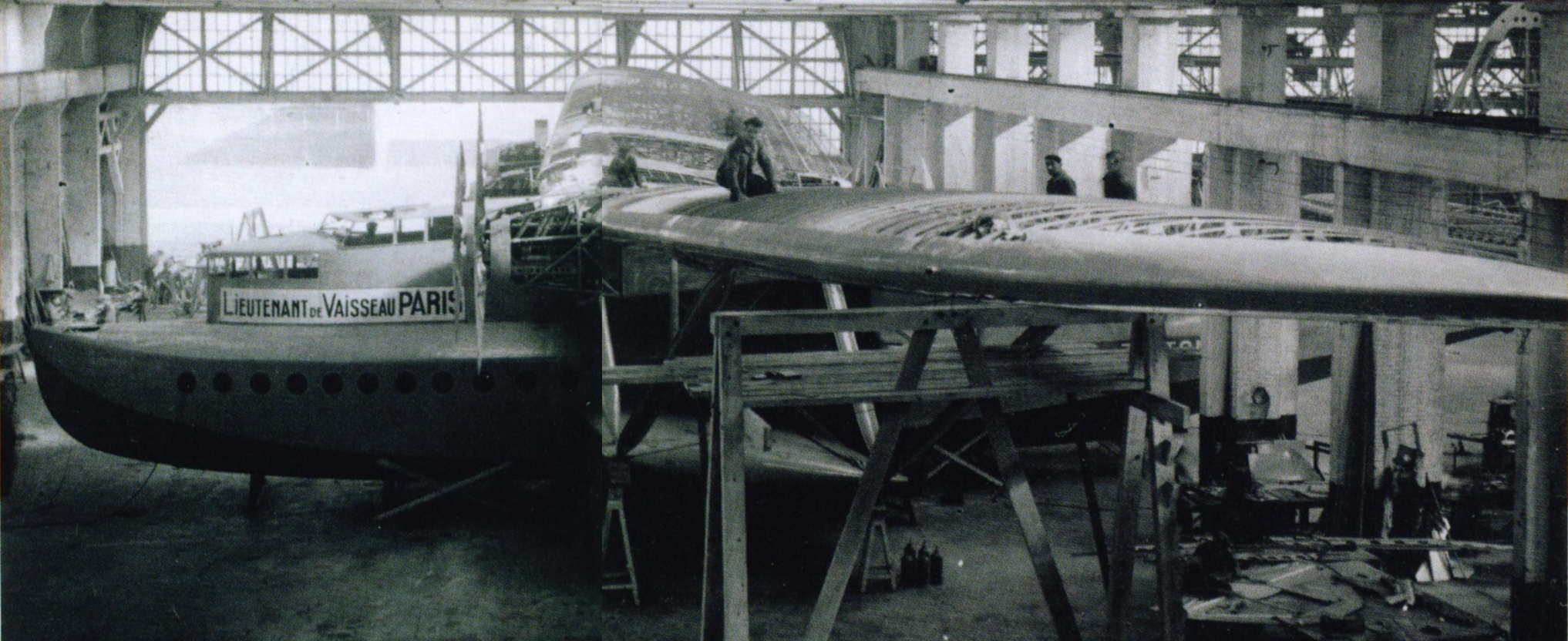
Final assembly took place at the plant in Biscarrosse
The next test flights took place on February 4, after some modifications had been made to the aileron design. The aircraft was thus ready for its public debut. On February 9, 1935, the Latécoère 521 flying boat was rolled out of the assembly hall in Biscarrosse, and the seaplane was greeted by a huge crowd. The aircraft bore the inscription
“Hydravion Transatlantique Latécoère 521 37 Tonnes” (Latécoère 521 transatlantic seaplane weighing 37 metric tons)
The six-engine giant was launched and set off on its first public flight, which lasted 20 minutes. On May 10, flight tests had to be suspended following a crash landing on the water. While the flying boat was being repaired in the hangar, it sustained additional damage from a fire. During a test of the radio equipment, a short circuit occurred in the antenna mount located on the wing, which caused a fire.
By June 4, the damage had been repaired, and flight tests could resume. Over the course of several days, the Latécoère 521 flying boat broke several world records that had previously been held by the German giant, the Dornier Do X. For example, on June 6, the French seaplane climbed to an altitude of 6,100 meters in 57 minutes. However, these records were not officially recognized, as one of the witnesses claimed that the reports had been compiled incorrectly.
On June 11, 1935, the hydroplane “Lieutnant-de-Vaisseau-Paris” made its maiden voyage, carrying 25 passengers to Le Havre. In Le Havre, the seaplane met the passenger liner “Normandy,” which, during its first transatlantic voyage, had won the Blue Riband for the fastest crossing of the Atlantic Ocean. The meeting became a major media event: the world’s largest flying boat meets the world’s largest passenger ship!
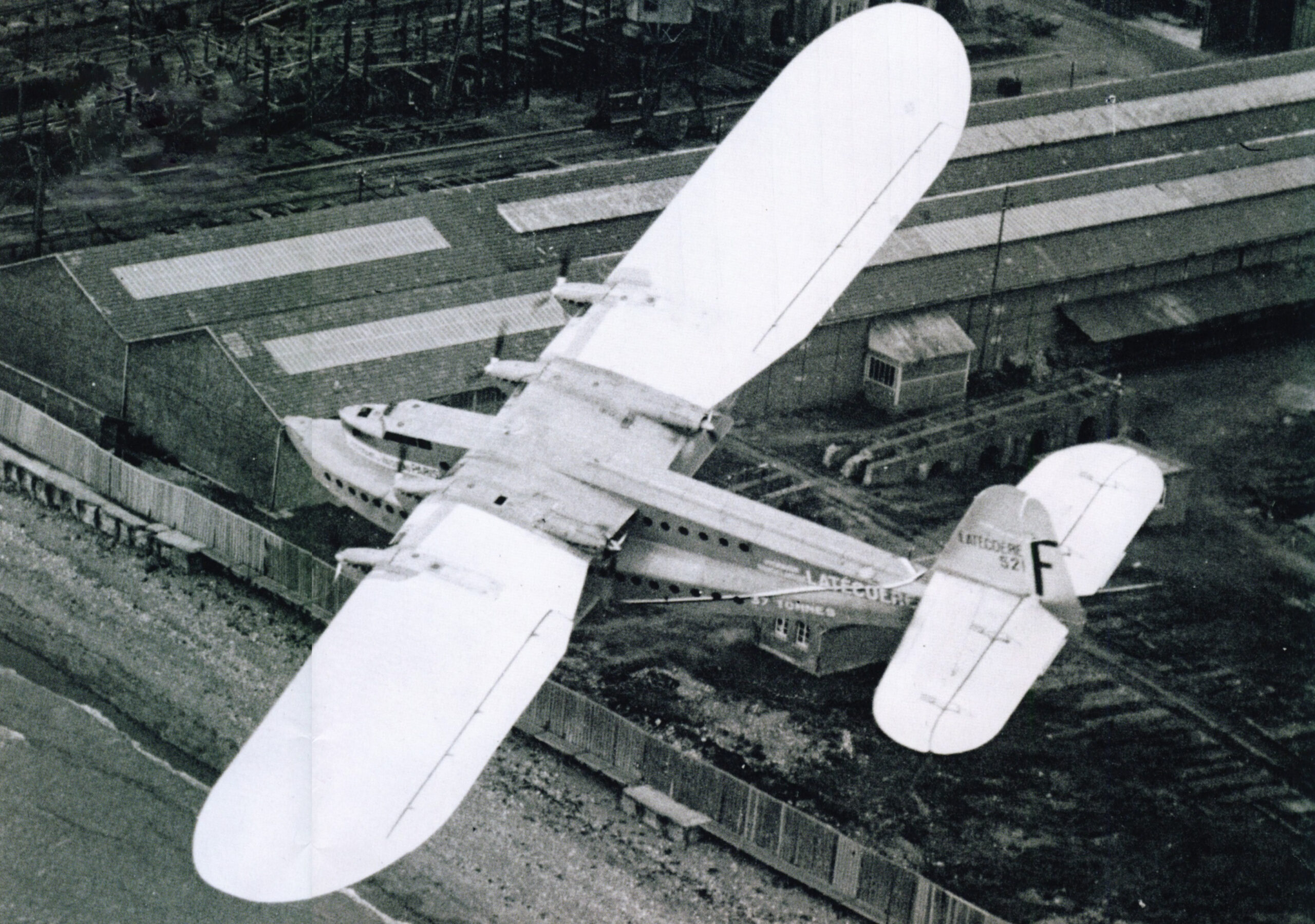
The Latécoère 521 flying boat made its first scheduled flight on June 11, 1935, carrying 25 passengers to Le Havre. In Le Havre, the flying boat met the passenger liner *Normandy*, which had just won the Blue Riband for the fastest transatlantic crossing.
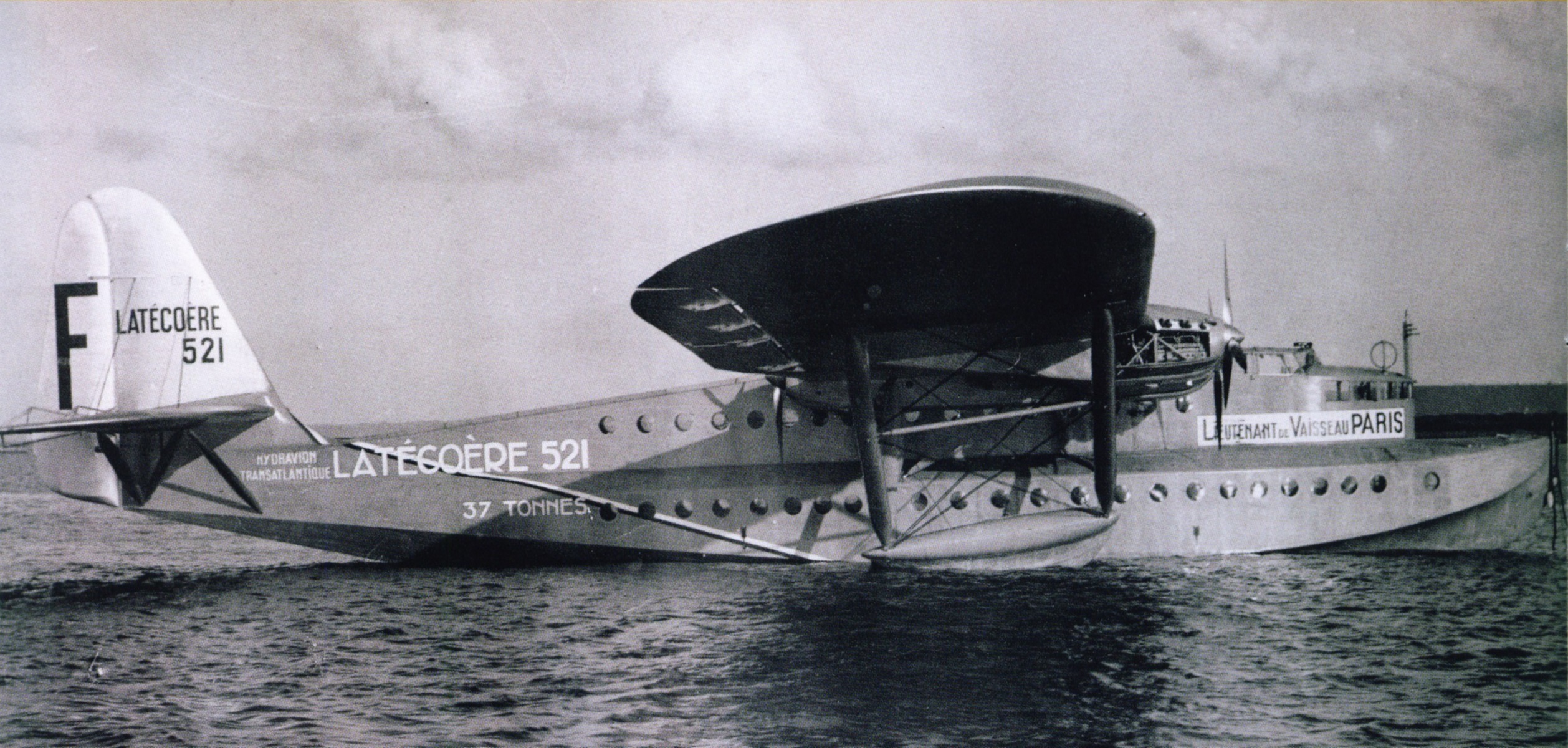
The “Lieutnant-de-Vaisseau-Paris” flying boat dropped anchor in Le Havre on June 13, 1935. The fuselage is painted olive green, while the wings and tail are gray. During the flying boat’s service, its paint scheme changed several times.
However, the return flight from Le Havre to Biscarrosse nearly ended in disaster. During takeoff, the Latécoère 521 flying boat struck the masts of four fishing boats and sank a fifth. The seaplane sustained damage during takeoff and had to be towed ashore for repairs. On August 7, the repaired Latécoère 521 flew back to Biscarrosse. Among the passengers was the Minister of Aviation, General Victor Denain, who did not miss the opportunity to pilot the aircraft himself.
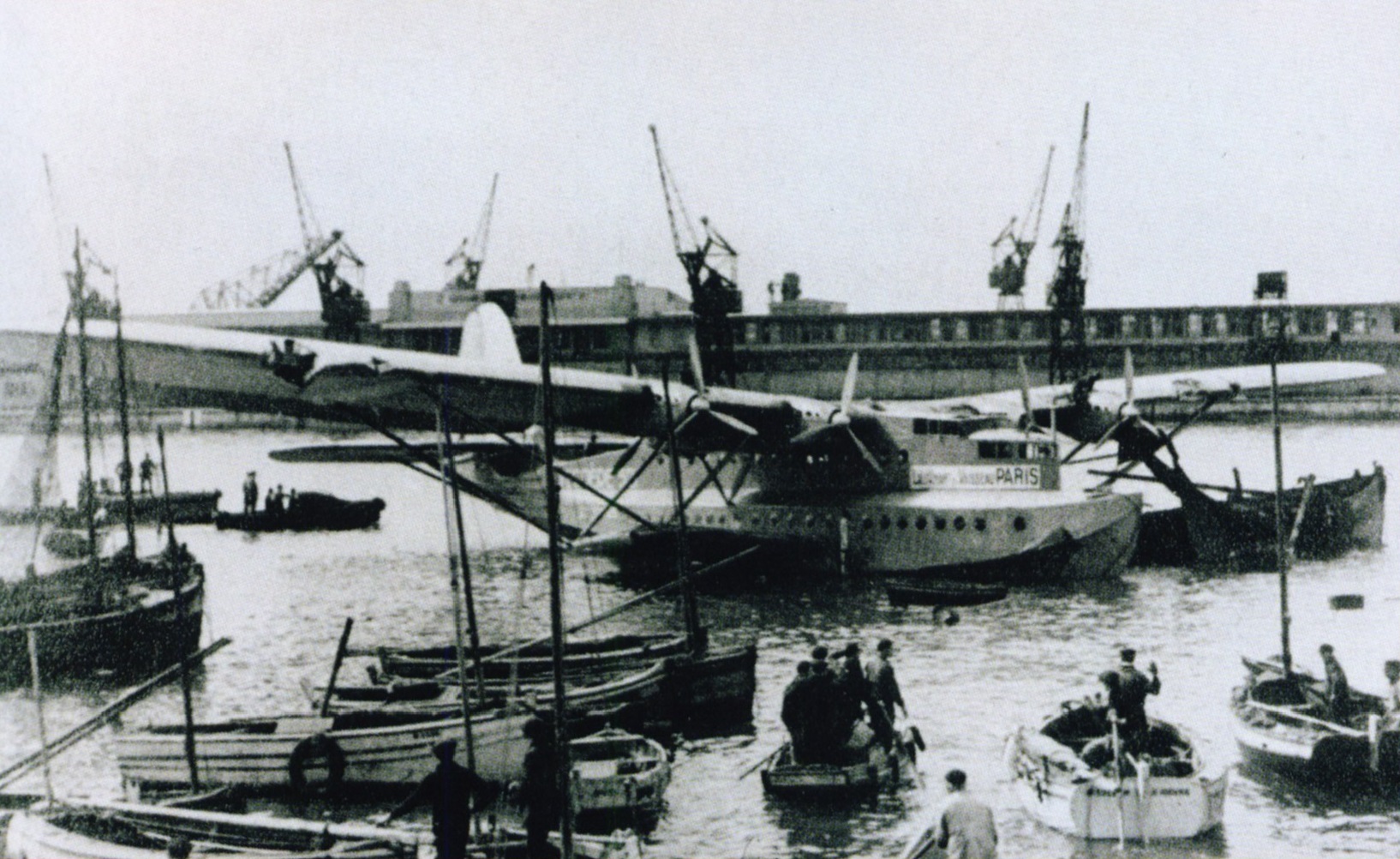
During takeoff from Le Havre on June 13, 1935, the flying boat collided with several fishing boats and sustained severe damage to its right wing spar and fuselage. Repairs took nearly eight weeks, and only then did the Latécoère 521 fly back to its base in Biscarrosse.
The first test flights were conducted in September, confirming the aircraft’s reliability. On September 19, the Latécoère 521 flying boat remained airborne for 9 hours and 45 minutes. In October 1935, off the coast of Biskarosse in the Atlantic Ocean, the company conducted tests of the seaplane’s seaworthiness under challenging sea conditions. The “Lieutnant-de-Vaisseau-Paris” flying boat passed these tests with flying colors.
In November 1935, the manufacturer took the opportunity to improve several structural elements of the seaplane. For example, the Latécoère 521 flying boat received a reinforced hull at the rear, reinforced struts, and an upgraded powerplant by replacing the engines with Hispano-Suiza 12Ybrs engines, each producing 880 l.s. and driving variable-pitch propellers. Now the flying boat was ready for a thrilling journey along a 40,000-kilometer route.
On December 8, 1935, the seaplane “Lieutnant-de-Vaisseau-Paris,” carrying a large fuel supply and with a takeoff weight of 39 metric tons, departed from Biscarrosse for Dakar. Since the seaplane was overloaded, it required a takeoff run of seven kilometers to lift off the water! After taking off from Dakar, the aircraft made its first nonstop flight across the South Atlantic to Natal, Brazil. With this flight, the Latécoère 521 proved that it was a fully-fledged transatlantic flying boat. From Natal, the aircraft continued on to Martinique, where it made several local flights, and it was not until January 13, 1936, that it departed for Florida. During this flight, the six-engine aircraft, overloaded to 40.3 metric tons, skidded several kilometers before it was able to lift off the water. Before landing in Pensacola, the seaplane had to circle for several hours due to fog, and shortly after sunrise, it ran aground near the U.S. Navy base. Because of its size, the seaplane could not be housed in a hangar. The flying boat “Lieutnant-de-Vaisseau-Paris” was loaded with 7,700 liters of fuel and was anchored in the harbor. This proved to be its undoing, because a hurricane suddenly struck that evening, and the flying boat capsized.
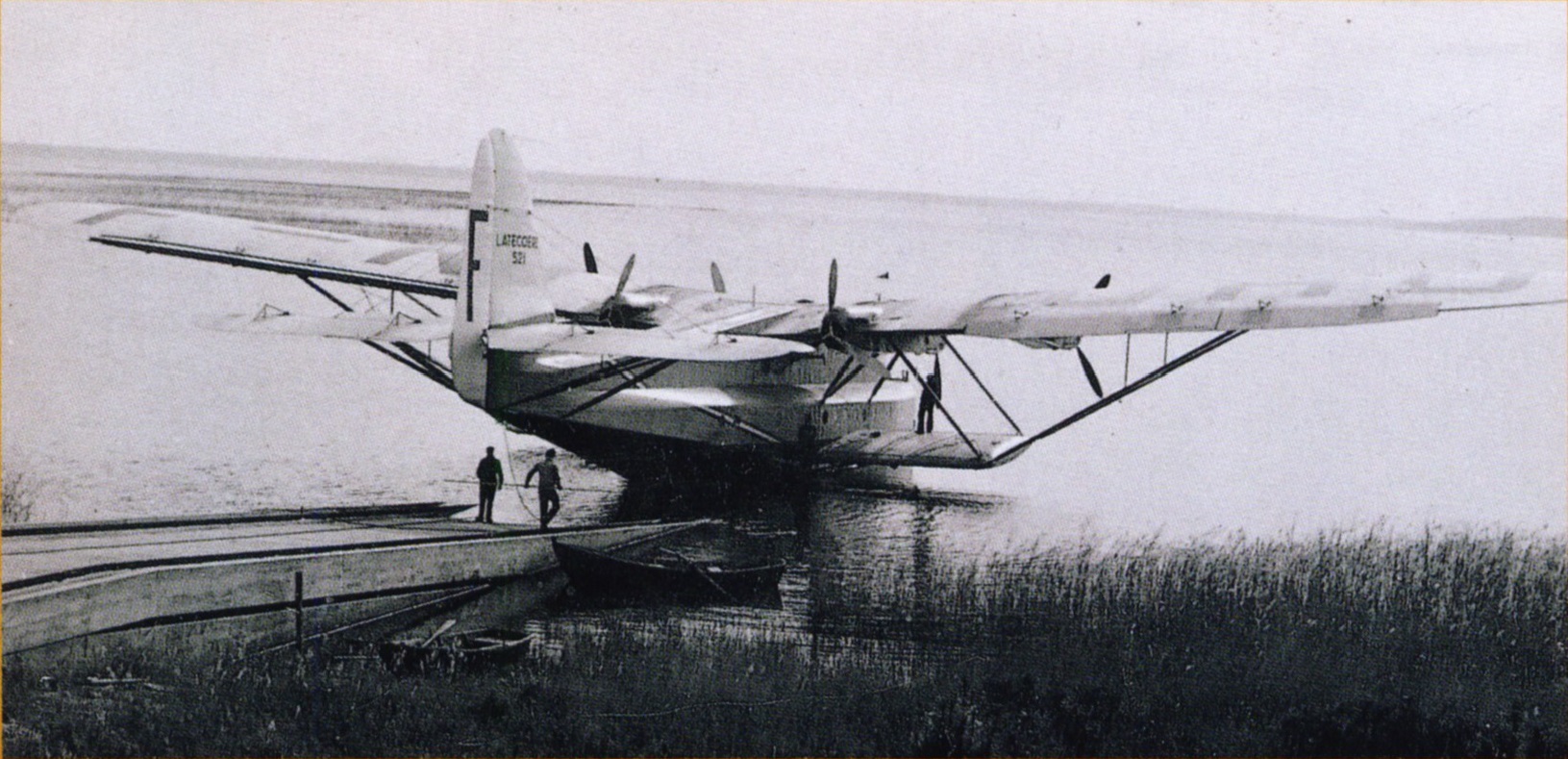
In Dakar, the Latécoère 521 flying boat is being launched from the slipway for a flight across the South Atlantic to Brazil, and from there to Martinique and Florida
A U.S. Navy crane hoisted the heavily damaged aircraft ashore. Repairing it on site was out of the question, so the French Ministry of Aviation decided to transport the flying boat “Lieutnant-de-Vaisseau-Paris” home by ship and repair it there. In late January 1936, the dismantled wreckage was loaded onto the Norwegian cargo ship *President Herrenshmid*, which arrived in France on February 15. As part of the aircraft’s restoration, the engines were replaced once again. This time, Hispano-Suiza 17Y-37 engines, each rated at 960 l.s., were used. On August 2, 1936, the flying boat, which had been assigned the civil registration number F-NORD, took to the air to operate a flight for Air France Transatlantique, a subsidiary of Air France.
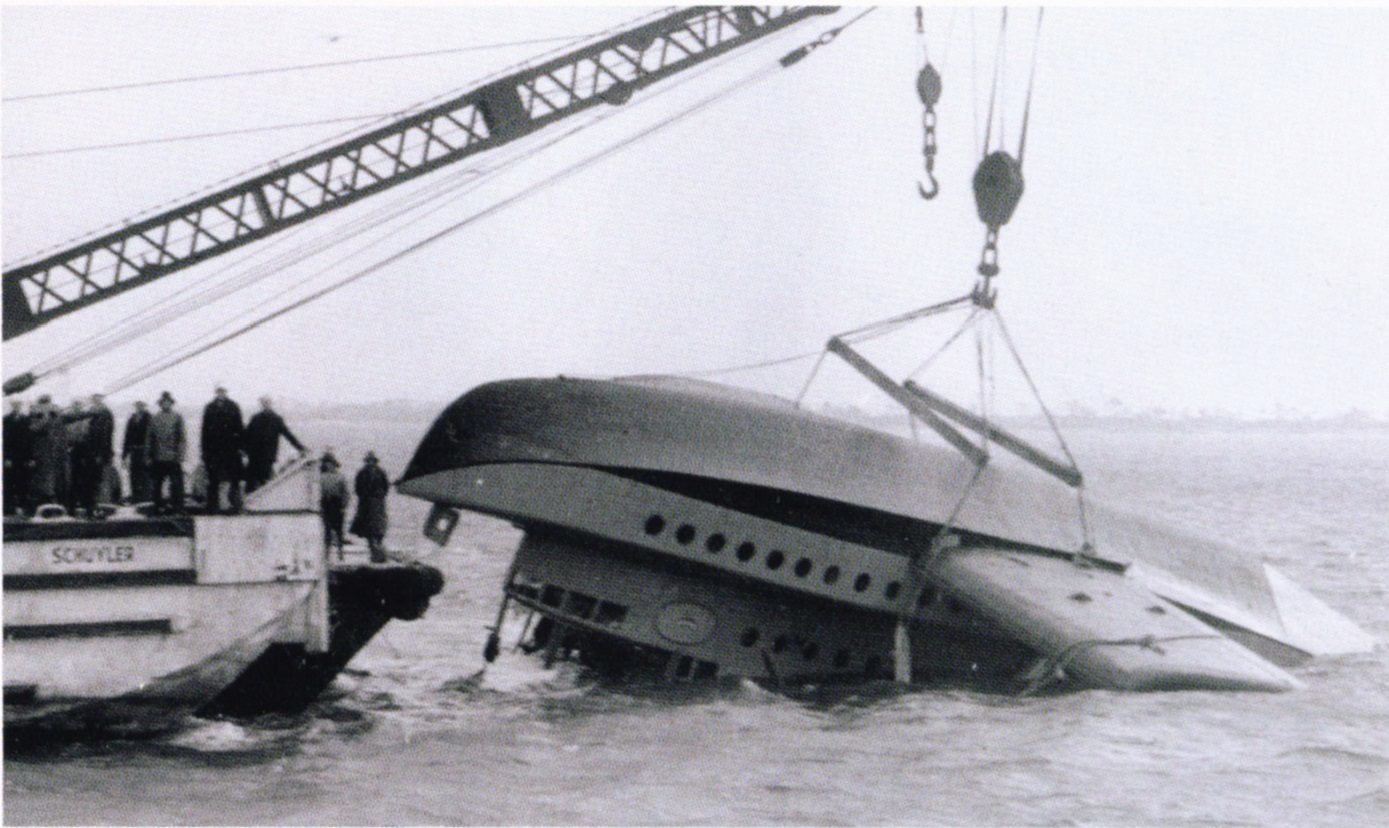
In Florida, the Latécoère 521 flying boat was caught in a hurricane and capsized. The aircraft was recovered and transported to France by a Norwegian vessel.
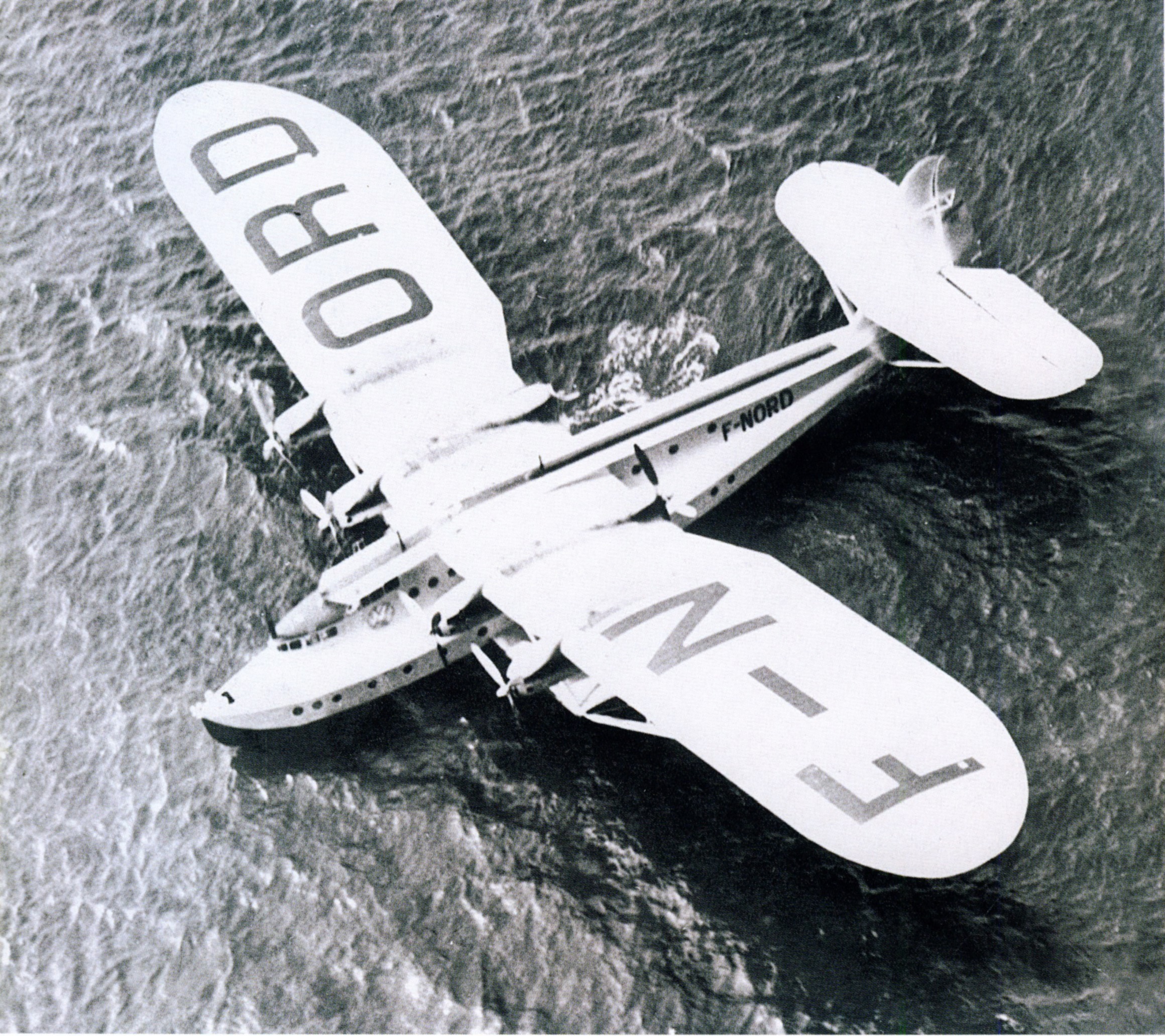
The Latécoère 521 flying boat was assigned the civil registration number F-NORD and operated flights for Air France Transatlantique
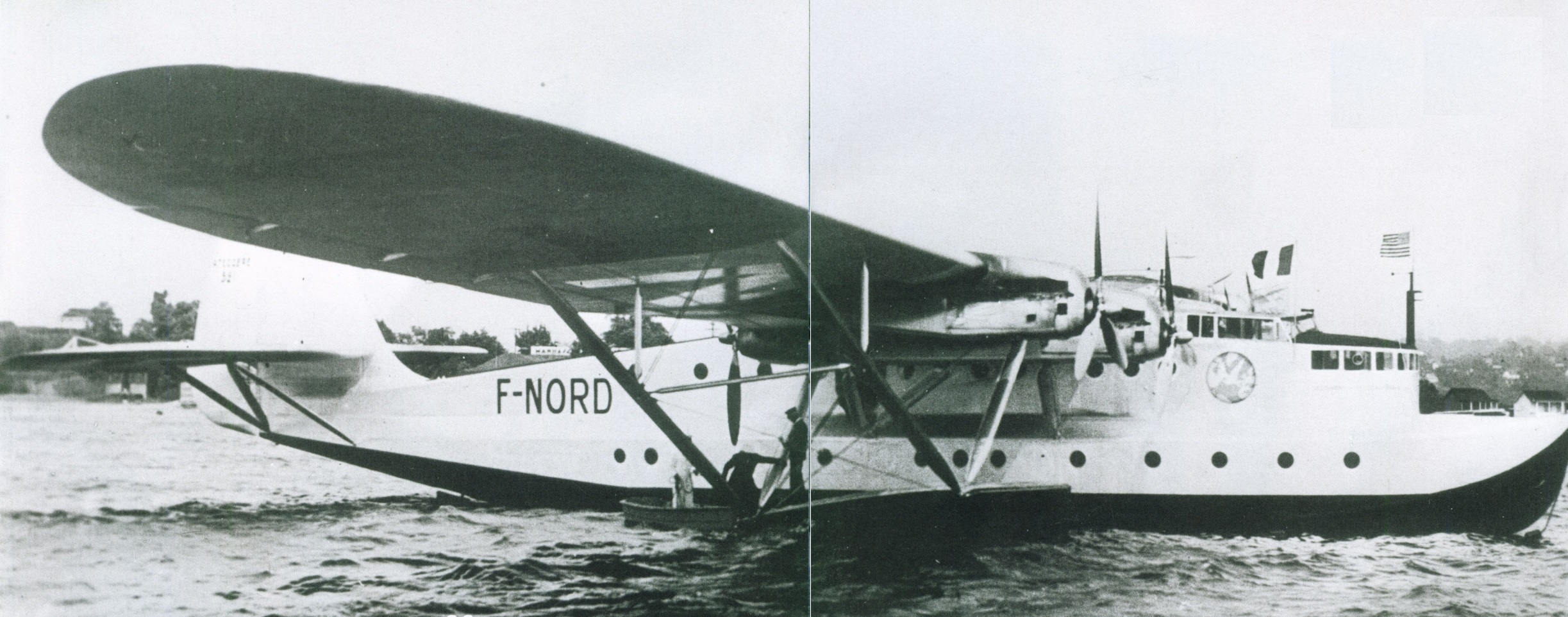
The Latécoère 521 flying boat, painted in the colors of Air France Transatlantique, is cruising through the waters of Port Washington Harbor, east of New York City, after its first crossing of the North Atlantic. Photo from the Benichou collection
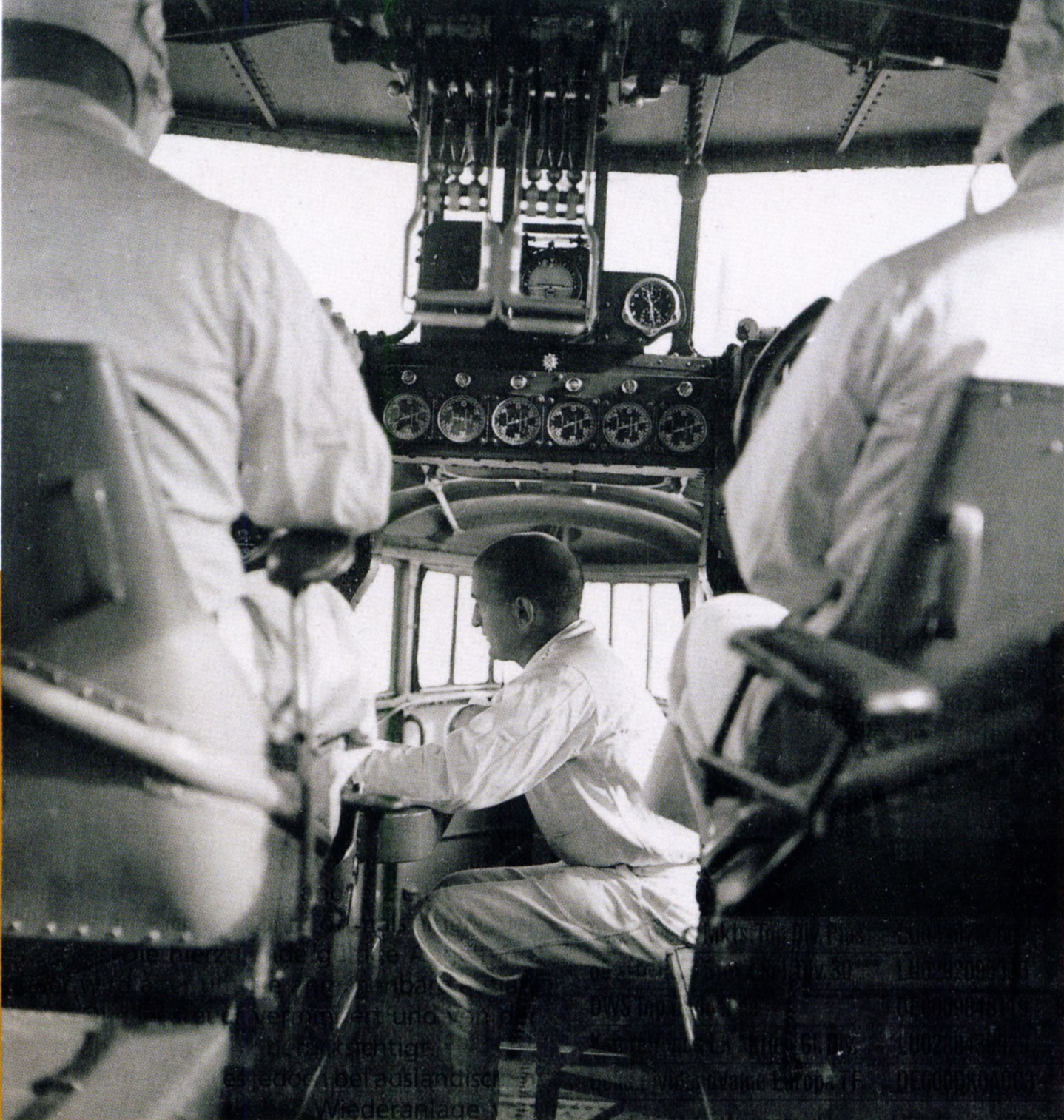
The flight crews of Air France Transatlantique wore white jumpsuits. The aircraft’s six engine control levers were mounted on the cockpit ceiling. The navigator sat in front of the pilots at the front of the cockpit.
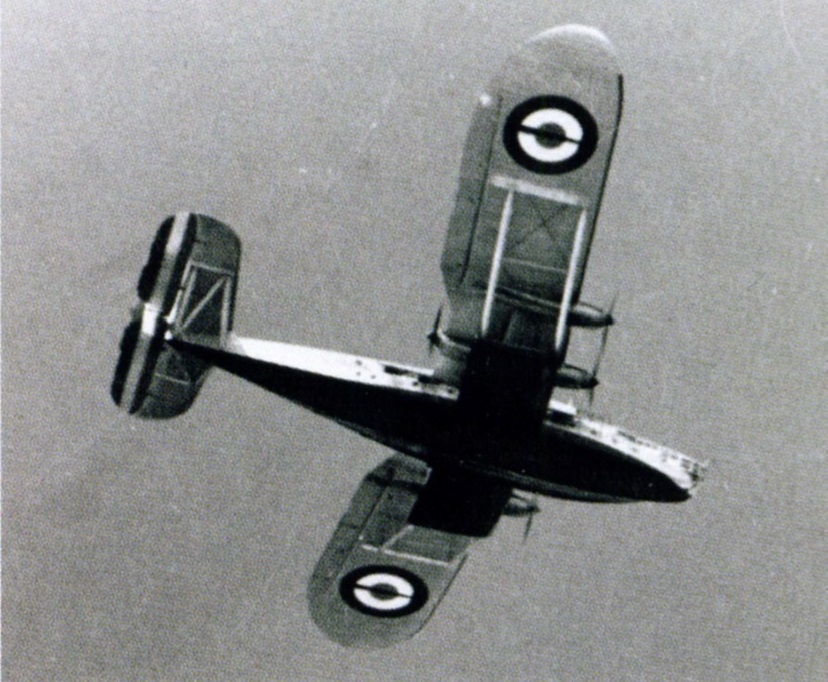
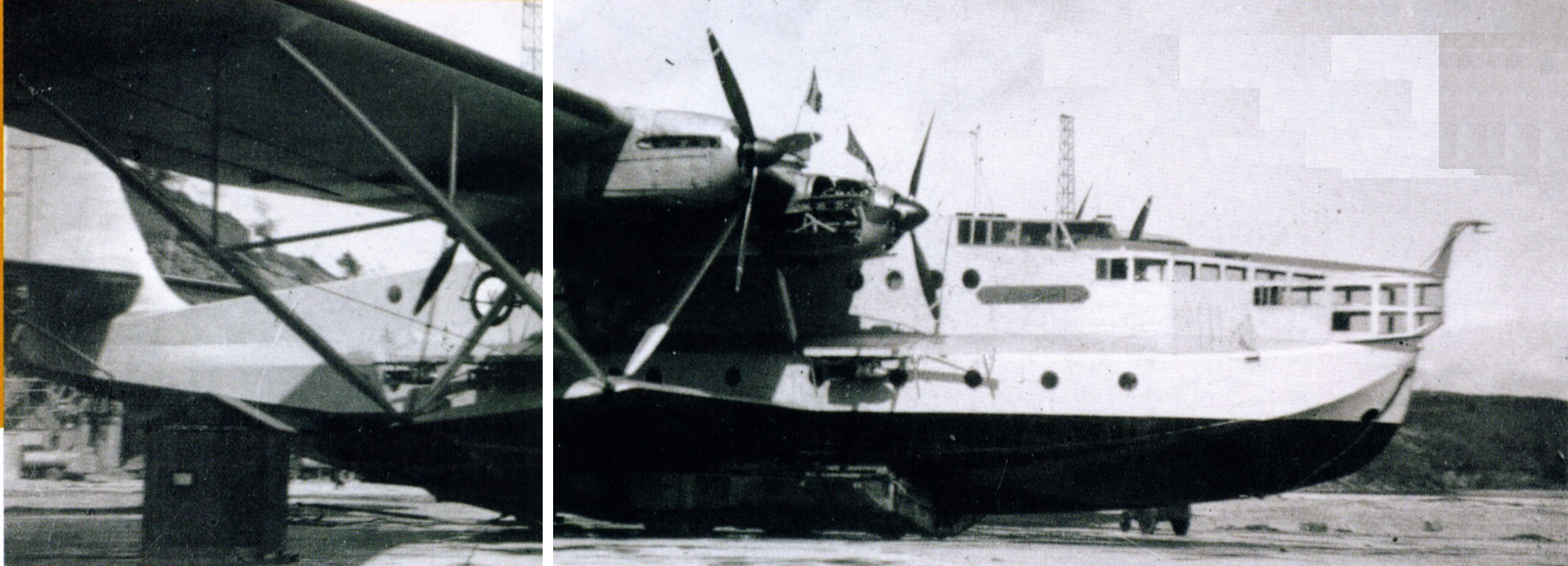
The flying boat crossed the Atlantic Ocean twelve times, but after World War II broke out, the French Navy confiscated the Latécoère 521. By 1940, the seaplane had been equipped with bomb racks mounted diagonally to the right and left of the fuselage beneath the cockpit and was fitted with defensive armament. The aircraft carried various cargoes and once completed a 33-hour patrol flight over the open sea. However, from a military standpoint, the Latécoère 521 was of little use.
When the Latécoère 521 flying boat was requisitioned by the French Navy, it was fitted with a more robust glass-enclosed nose section, as well as bomb racks
The conversion was of no benefit to the French Navy. The Latécoère 521 flying boat made only 20 flights in military service, although it logged 230 flight hours
On October 7, 1940, following the armistice with Germany, the seaplane landed near the naval base on Lake Berr, northwest of Marseille. Under the Vichy regime and even after the German occupation of southern France (Operation Anton; Unternehmen Anton), the new authorities permitted the continuation of maintenance on the seaplane, as well as several test flights. However, the aircraft was never put back into service. In 1944, when German troops were forced to retreat from the Mediterranean coast, they destroyed and sank the Latécoère 521 in Lake Berre.
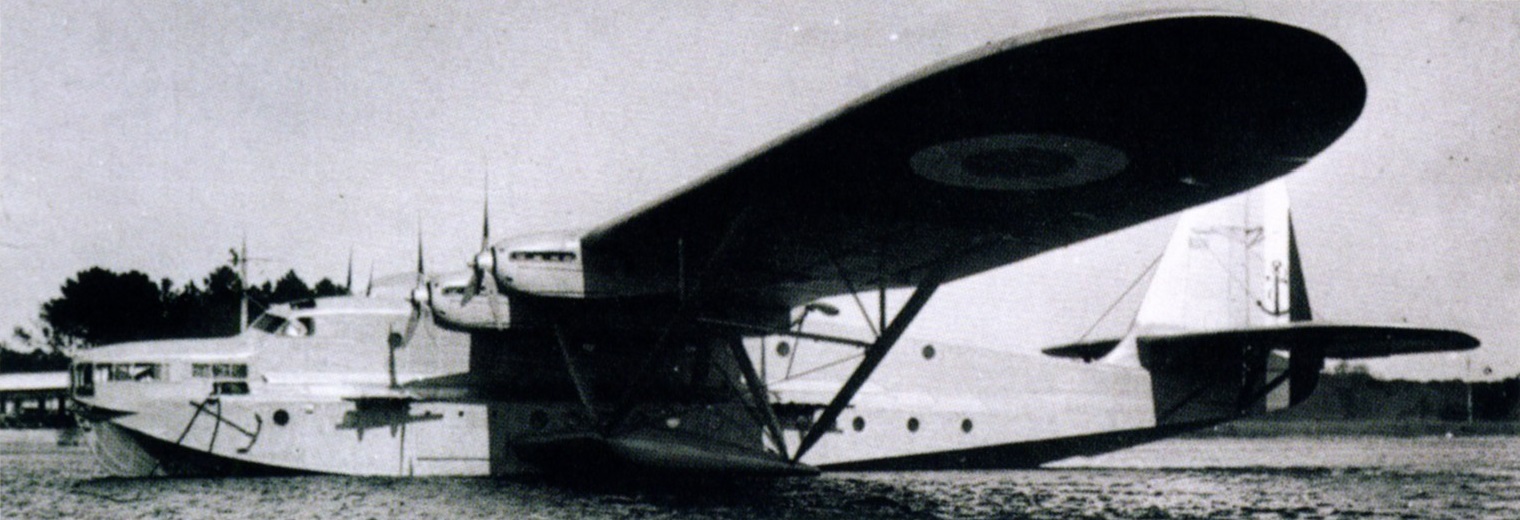
At the start of World War II, the French Navy requisitioned it; after refitting, they used the seaplane to transport cargo and on a single patrol flight. In 1944, German troops destroyed the Latécoère 521 while retreating from the Mediterranean coast.
FLIGHT AND TECHNICAL SPECIFICATIONS
Type: Latécoère 521
Purpose: passenger flying boat
Status: One-off production
Crew: 14 people
Powerplant: six liquid-cooled Hispano-Suiza 12Ybrs 12-cylinder inline engines, each producing 860 л.с. (570 кВт)
Dimensions:
Wingspan: 49.31 m
; Length: 31.62 m
; Height: 9.07 m
; Wing area: 330 m²
Weight:
Empty: 20,493 kg
; Takeoff: 37,933 kg
Number of passengers: 30–72 people
Flight characteristics:
Maximum speed: 247 km/h
; cruising speed: 210 km/h
; range: 3,900 km
; service ceiling: 6,300 m
Source: Gérard Bousquet/VKT, “Nonstop Across the Atlantic: The Giant Latécoère 521 ‘Lieutnant-de-Vaisseau-Paris’ Flying Boat,” *Klassiker der Luftfahrt*, January 2012, pp. 10–17
Translation first published at — https://vk.com/@710541705-latecoere-521