Part drone, part missile. Russia has developed a new munition, the S-71K “Kover,” for the Su-57 and the S-70 “Okhotnik.”

In late 2025, a new Russian aviation munition, designated S-71K and codenamed “Kovor,” was recorded for the first time in the combat zone in Ukraine. Information about its development became publicly available thanks to a publication by the Main Intelligence Directorate of the Ukrainian Ministry of Defense on April 27, 2026. This weapon occupies an intermediate position between a conventional cruise missile and a strike unmanned aerial vehicle, making it an interesting subject for analysis in terms of current trends in the development of precision-guided weapons.
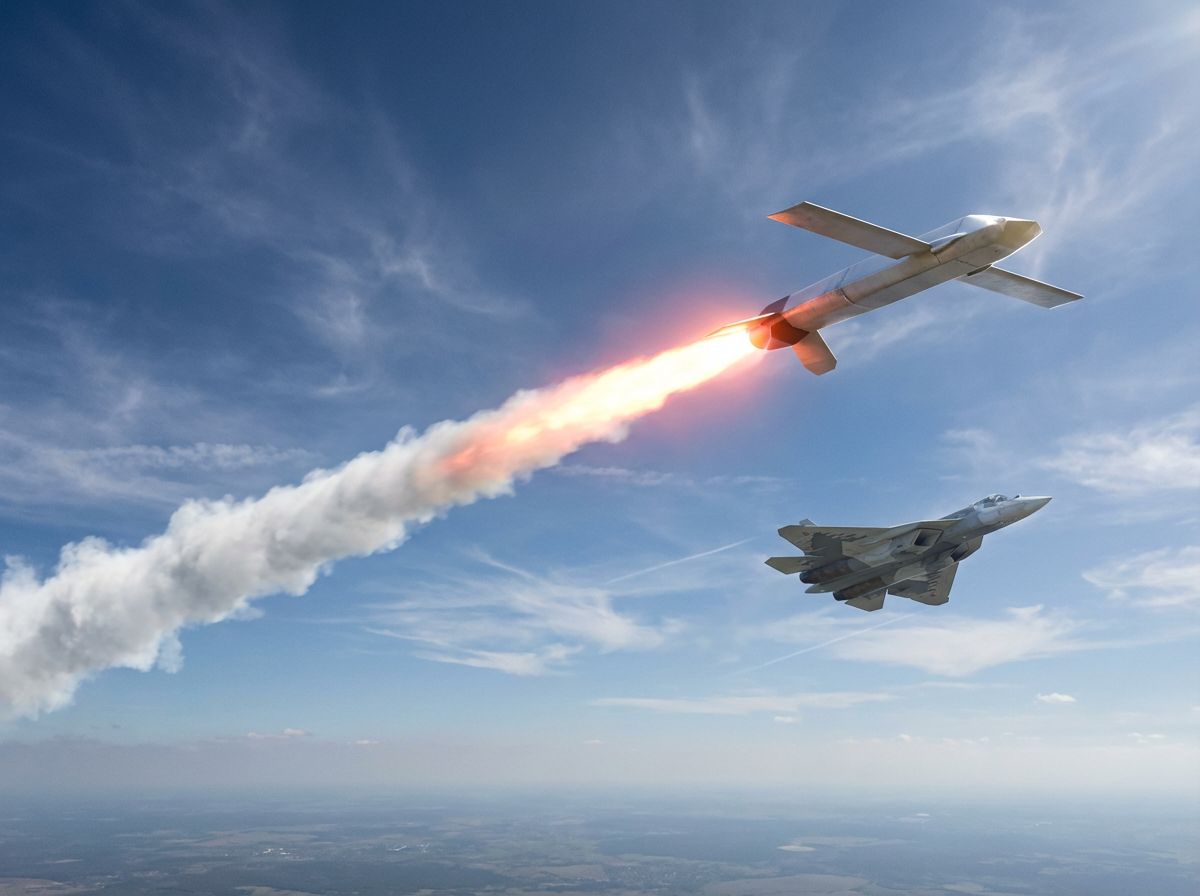
The ammunition is being developed by the Sukhoi Design Bureau, which is part of PJSC United Aircraft Corporation. The project for the S-71 family of long-range, high-precision aviation munitions—sometimes referred to as “strike UAVs”—was launched no later than 2019. The concept called for the creation of two variants, each designed to fulfill its own tactical mission. The first—the S-71K “Kover”—is a guided, low-observable weapon module designed to engage targets with pre-known coordinates. The second—the S-71M “Monochrom”—is a loitering munition equipped with an intelligent search system based on neural networks, capable of autonomously detecting and classifying targets within a specified area.

The fuselage of the S-71K missile is designed to meet low-observability requirements. The primary material of the fuselage is a multilayer composite based on glass-fiber-reinforced plastic with additional reinforcement, which reduces radar and infrared signature. The internal structural elements of the frame are made of aluminum alloys, providing a balance between strength and weight. The aerodynamic configuration includes a forward-mounted folding wing and fixed stabilizers; the design lacks a keel, which also helps reduce the RCS. This design allows the missile to be stored in the internal weapon bays of next-generation aircraft systems.
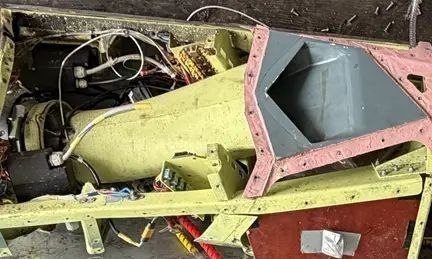
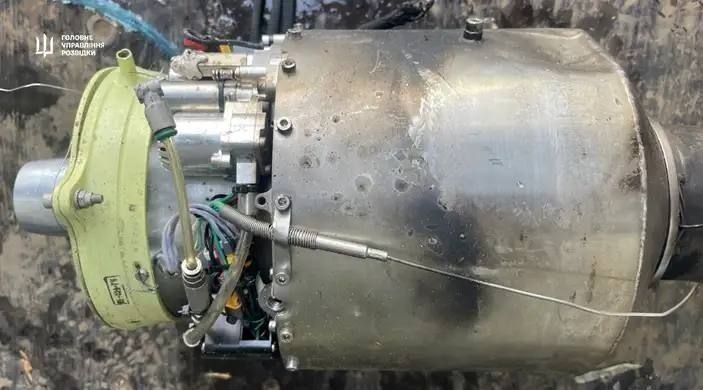
The standard OFAB-250-270 250-kg high-explosive fragmentation aerial bomb is used as the warhead, mounted in a mounting frame at the front of the fuselage. This design standardizes the munition with the existing weapons logistics of the Russian Aerospace Forces and reduces production costs. The powerplant is based on the compact R500 turbojet engine with a thrust of 70 kgf, developed and manufactured by the Moscow-based LLC “Reynolds,” which has been part of the JSC “United Engine Corporation” since 2024. The fuel system design incorporates a main tank and two side tanks, providing a calculated flight range of up to 300 km.
The S-71K is equipped with a combined inertial and satellite guidance system. According to available data, the onboard equipment includes a flight controller, an inertial navigation system based on available sensors, and a power supply system. It is noted that a significant portion of the electronic components is of foreign origin—publications mention supplies from the United States, China, Switzerland, Japan, Germany, Taiwan, and Ireland. This fact indicates that the developers have adapted to the conditions of sanctions pressure and are using commercially available solutions for military purposes.
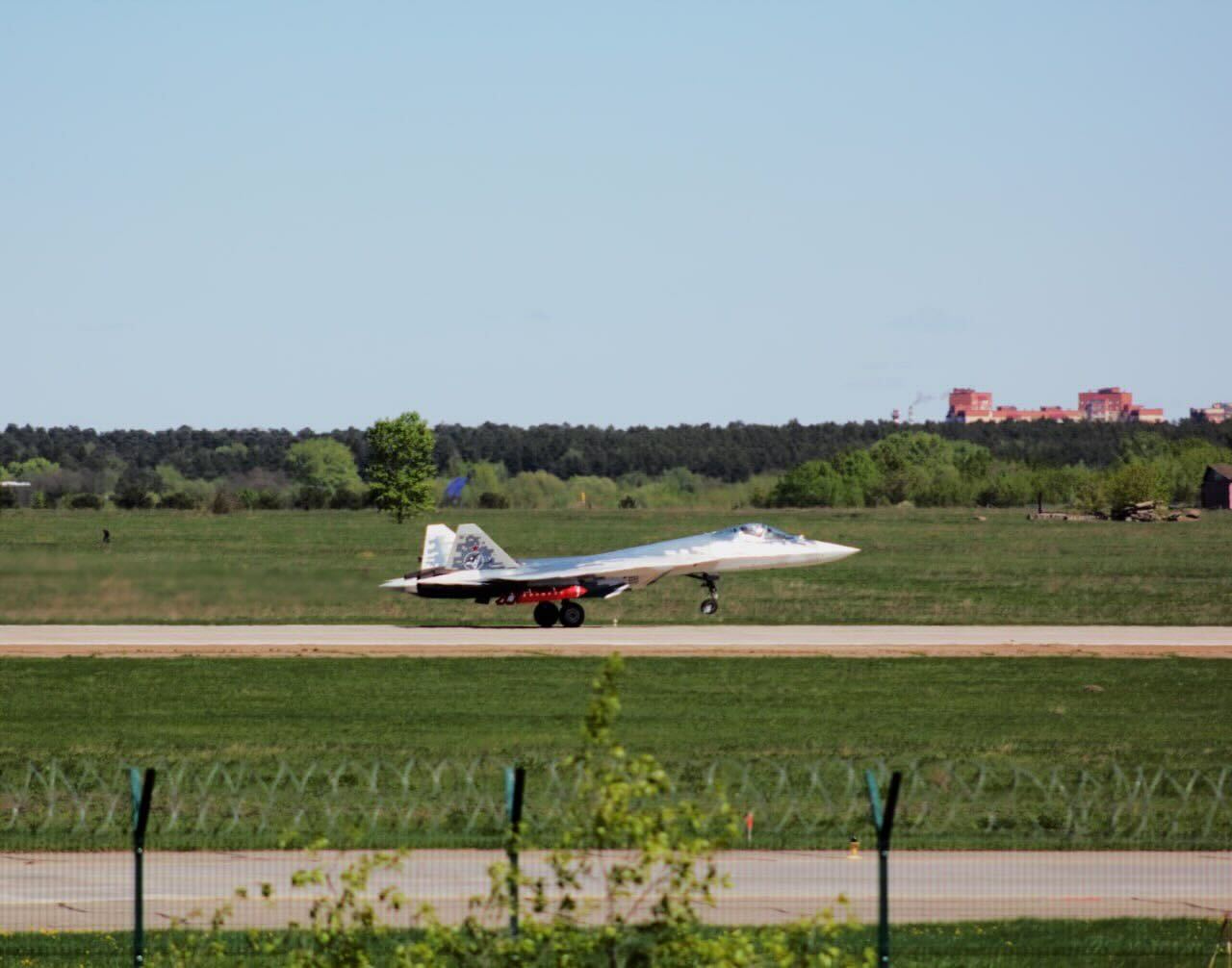
The primary carrier for the S-71K “Kovyr” is the fifth-generation Su-57 fighter jet. The munition is designed to be housed in internal weapon bays, which preserves the carrier aircraft’s stealth capabilities during combat missions. In the future, there are plans to integrate this munition into the weapon system of the S-70 “Okhotnik,” which will enable the implementation of the “swarm” concept—or the echeloned deployment of high-precision weapons deep within the enemy’s operational structure.
Technical Specifications of the S-71K “Kovor”:
- Designation: S-71K
- Code Name: “Carpet”
- Type: guided low-observable aviation munition / cruise missile
- Developer: Sukhoi Design Bureau (UAC PJSC)
- Platforms: Su-57; in the future, the S-70 “Okhotnik”
- Warhead: OFAB-250-270, 250 kg
- Engine: R500 turbojet, thrust 70 kgf (Reynolds LLC / UEC)
- Flight range: up to 300 km
- Guidance system: inertial-satellite
- Fuselage construction: reinforced multilayer fiberglass-reinforced plastic, aluminum structural members
- Aerodynamic configuration: folding front wing, fixed stabilizers, no keel
- Features: low radar and infrared signature.

The introduction of the S-71K “Kover” demonstrates Russian developers’ commitment to creating a relatively inexpensive yet effective long-range munition compatible with next-generation platforms. The combination of modularity, low observability, and the use of readily available components allows the system to be flexibly adapted to various tactical scenarios. At the same time, concerns regarding the reliability of foreign electronics under electronic countermeasures and actual accuracy performance remain subjects of further observation and analysis by open-source analysts.