The Return of the Weapon of the Future: Why the U.S. Navy Is Firing the Railgun Again

Just a few years ago, it seemed that the U.S. program to develop this weapon had been permanently shut down. However, recent reports have shown that testing is underway again: the U.S. Navy is once again conducting test firings of an experimental railgun at the White Sands Missile Range in New Mexico.

This unexpected comeback has prompted many analysts to ask once again: Can a technology that has long been considered the “weapon of the future” ultimately find its place on the battlefield?
What is a railtron?
A railgun is a weapon that fires using electromagnetic force rather than gunpowder.
The principle behind it is quite simple. Two metal conductors (rails) are connected to a powerful energy source. When an electric current flows through them, a magnetic field is created that accelerates the metal projectile to tremendous speeds.
As a result, the projectile leaves the barrel at a speed of up to 7 times the speed of sound.
At that speed, even an ordinary metal projectile becomes a powerful kinetic weapon. It doesn’t need any explosives—the impact energy itself generates the destructive force.
Why the military once dreamed of the railgun
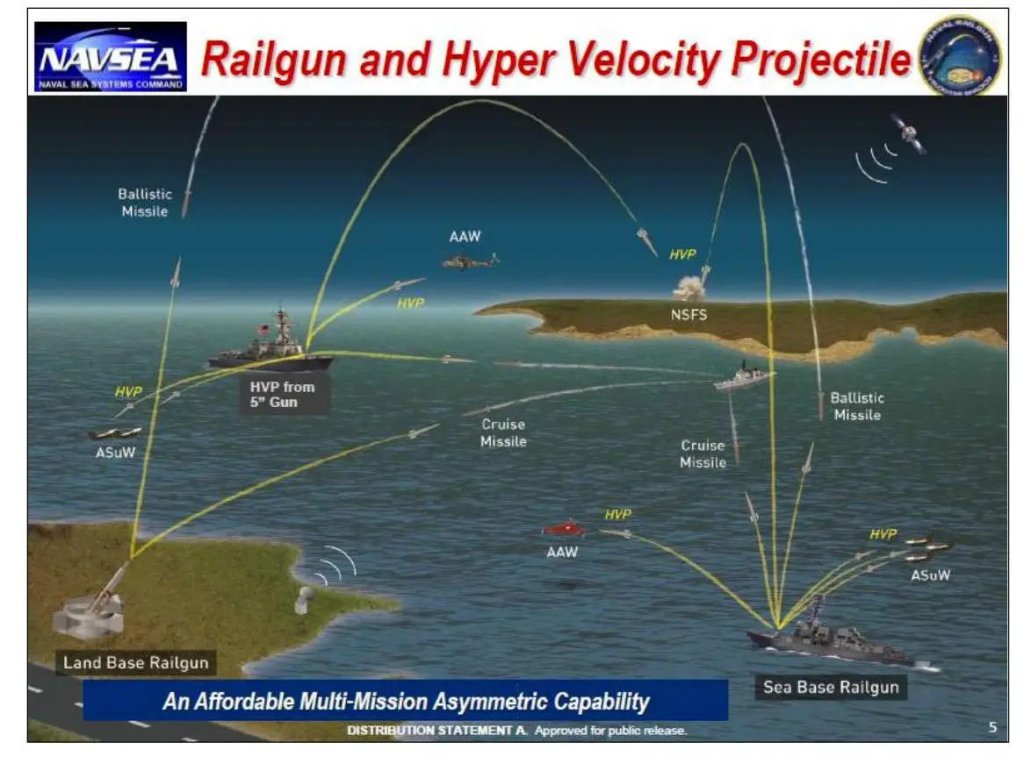
In the early 2000s, the railgun seemed like the nearly perfect weapon for the navy.
It promised several benefits at once:
Hypersonic speed
. The projectiles could travel at speeds exceeding Mach 7.
Long Range
The theoretical firing range was estimated at up to 160 kilometers.
Low cost per shot
A standard projectile costs tens of thousands of dollars—many times cheaper than cruise missiles.
Large Ammunition Supply
: A ship can carry hundreds of shells instead of a limited number of missiles.
In theory, the railgun could become a universal weapon:
- for strikes against the coast;
- for anti-ship operations;
- even for intercepting missiles and aircraft.
Why was the program shut down?
![DVIDS - Images - Electromagnetic railgun prototype launcher tested in Dahlgren [Image 1 of 2]](https://d1ldvf68ux039x.cloudfront.net/thumbs/photos/1202/532174/1000w_q95.jpg)
Despite the impressive test results, the project ran into serious problems.
By 2021, the U.S. Navy had spent more than $500 million on development but had still not been able to bring the system into operational service.
The main obstacles were the physical limitations of the technology.
Rapid deterioration of the trunk
Enormous currents and temperatures were destroying the metal rails.
After several dozen shots, the barrel needed to be replaced.
This was unacceptable for a combat weapon.
Enormous energy demands
To fire a shot with a power of 32 megajoules, the spacecraft required about 25 megawatts of electrical power.
Not all ships have this kind of power capacity.
Shifting Military Priorities
At the same time, the United States began to actively develop:
- hypersonic missiles
- laser weapon
- new air defense systems
Against this backdrop, the railtron began to seem less promising.
Why Did the Trials Start Again?
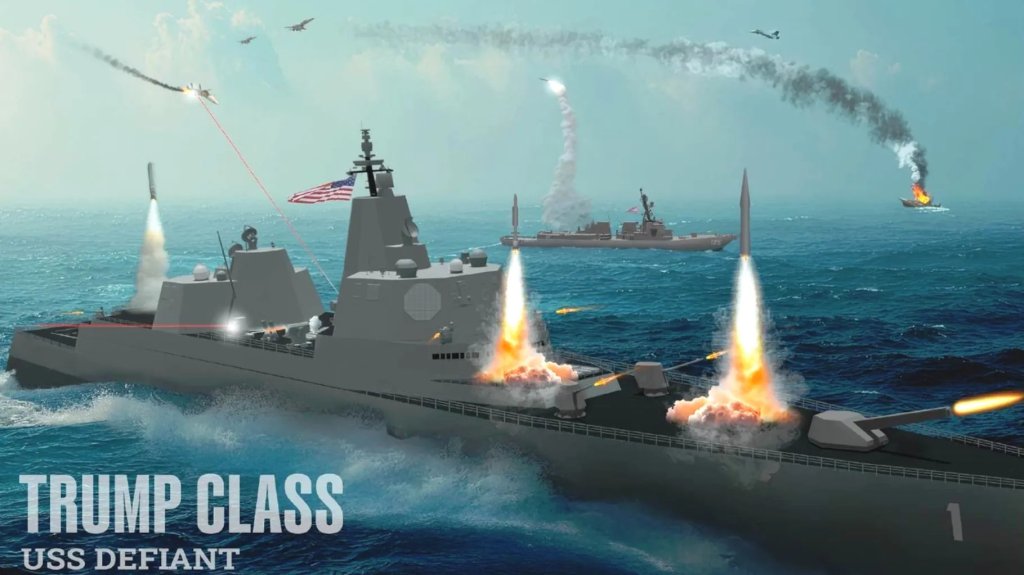
Recent tests have shown that the U.S. Navy is once again conducting firings from an experimental railgun as it continues to explore the system’s capabilities.
There are several reasons why interest in this technology is resurging.
Advances in Electronics and Materials
Modern materials and energy storage systems can solve some of the long-standing problems—primarily barrel wear.
New Air Defense Tasks
Railgun hypersonic projectiles can be used to intercept:
- cruise missiles
- drones
- hypersonic targets
Possible New Ships
Some promising projects for large warships are exploring the possibility of installing railguns as their primary artillery weapons.
The Railtron and the Future of Naval Warfare

The history of the railgun illustrates just how challenging the journey from a scientific idea to an actual weapon can be.
This technology holds great promise:
- hypersonic projectiles
- enormous range
- cheap shots
But it faces fundamental physical limitations.
Nevertheless, interest in railguns remains strong. China and Japan are also conducting their own research in an effort to develop a new generation of naval electromagnetic cannons.
Perhaps the future of naval artillery really will be electric.
And then weapons that for decades were considered the stuff of science fiction will finally take their place on the decks of warships.
по материалам https://www.twz.com/sea/navy-is-firing-its-railgun-again-after-abandoning-it-for-years