The world's first 100% electric cruise ship, Project Vision, with a capacity of 1,856 passengers, has been unveiled

The Project Vision cruise ship concept, unveiled at the Seatrade Cruise Global exhibition, is set to revolutionize the standards of sustainable tourism. Its main selling point is the complete elimination of harmful emissions.
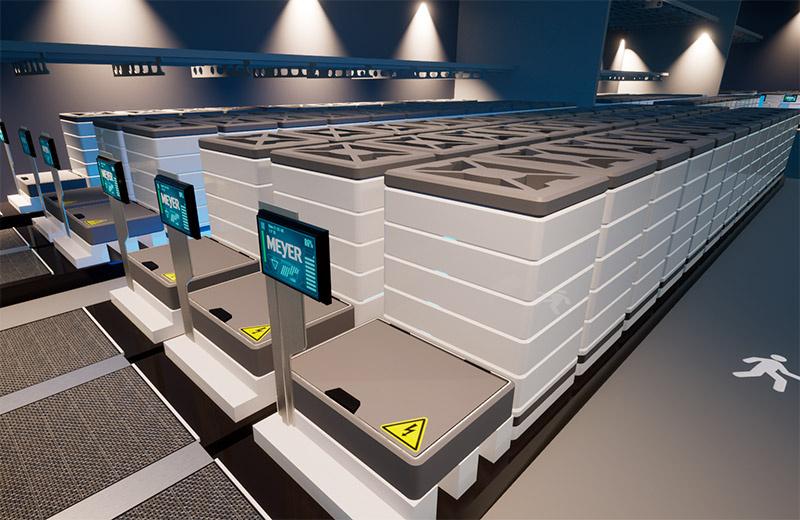
The dimensions are impressive: the planned vessel will be 275 meters long, with a gross tonnage of up to 82,000 metric tons. It will comfortably accommodate 1,856 passengers on board. The Norwegian company Corvus Energy is responsible for the power system. The engineers have opted not for a vague future but for proven technologies.
This approach is expected to reduce emissions by 95%. Representatives from Meyer Werft say the first cruise ship could begin commercial service as early as 2031.
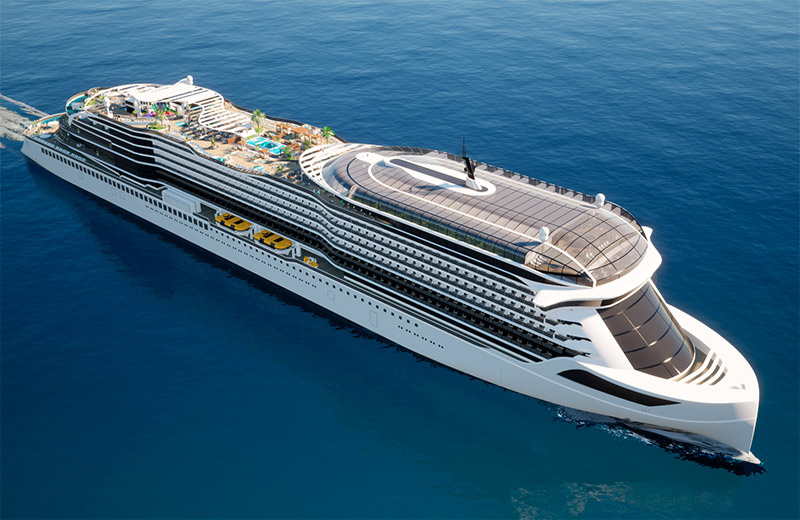
The Vision Airliner Concept
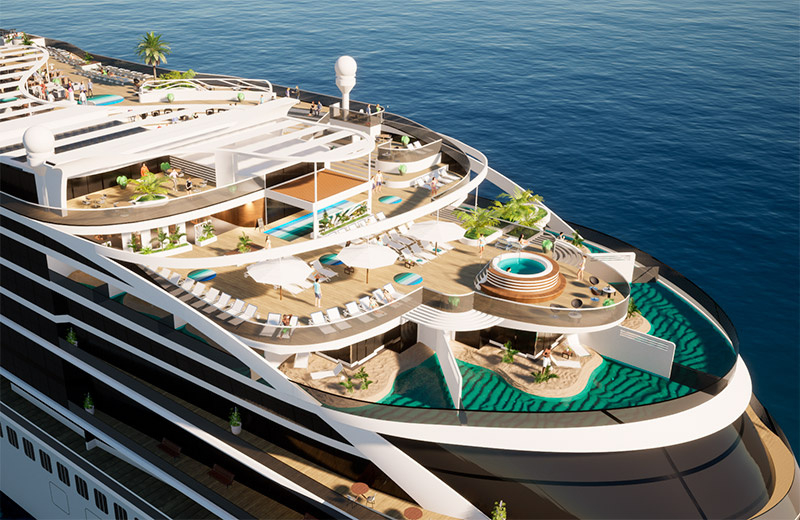
Project Vision was originally designed for classic European routes.
The plan is to charge the batteries using high-capacity shore-based charging stations at major home ports. Industry analysts predict that by 2030, the necessary infrastructure will be in place at about 100 European ports.
Meyer Werft also notes that the ship can be designed as a hybrid. If compact generators are added, the vessel will be able to handle longer routes—including transatlantic crossings.
The developers are keeping the exact battery capacity and range per charge under wraps for now. They are emphasizing scalability and reliable industrial components, deliberately avoiding unproven experimental technologies.
The shipyard summarizes the situation as follows: if cruise line operators place orders by the end of this year, the first completed cruise ship will be delivered to the buyer by 2031.
Cruise Shipping and CO2 Emissions
Today, the global cruise industry is facing increased pressure from regulators: shipowners are under strict requirements to reduce their carbon footprint.
Traditional giant ships run on fuel oil or liquefied natural gas (LNG). They pollute the air both on the open sea and during long stays in ports. A fully electric ship solves this problem—direct emissions during normal operation are completely eliminated.
The Project Vision stands out first and foremost for its size. It is several times larger than other zero-emission concepts currently under development.
By comparison, the Norwegian Hurtigruten Sea Zero project is designed to carry only 500 passengers, and it combines batteries with rotary sails and solar panels. The plan is to launch it in 2030.
Fredrik Witte, CEO of Corvus Energy, is confident that scaling the technology up to massive cruise ships proves its safety and maturity. According to him, the market is already ready to change the rules.
The German shipyard Meyer Werft, based in Papenburg, consistently ranks among the world’s leading builders of giant passenger ships. The company’s many years of experience lend weight to its claims: electric propulsion is already being used on a massive scale today.
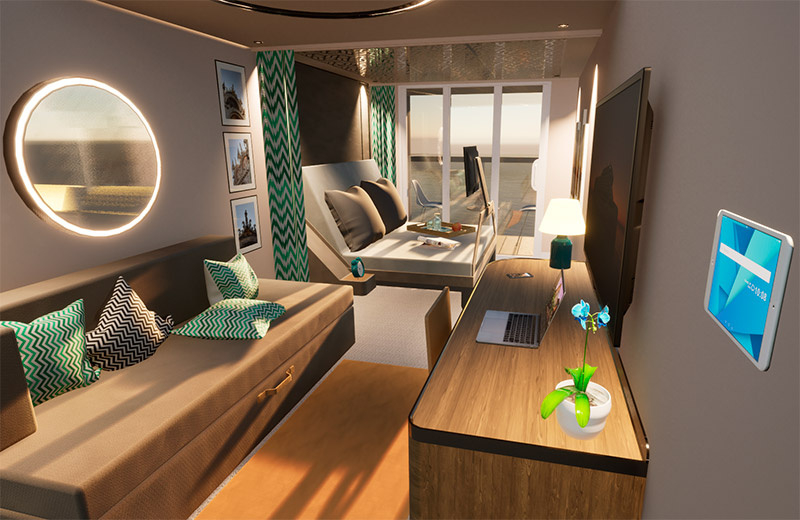
If Project Vision takes off commercially, it will significantly accelerate the inflow of investment into port infrastructure and reshape the entire portfolio of future orders for the global fleet.
Source — https://dzen.ru/a/ad9n__jY6WruR2m8