The Sentinel A4 Radar: A Next-Generation System Selected by the U.S. to Defend the Capital's Airspace

The U.S. Army is preparing for the full deployment of the new Sentinel A4 radar system, which will serve as a key component of the air defense system over the nation’s capital region. This marks the first time that the most advanced version of the AN/MPQ-64A4 radar will be used in U.S. airspace to protect a strategically important area.
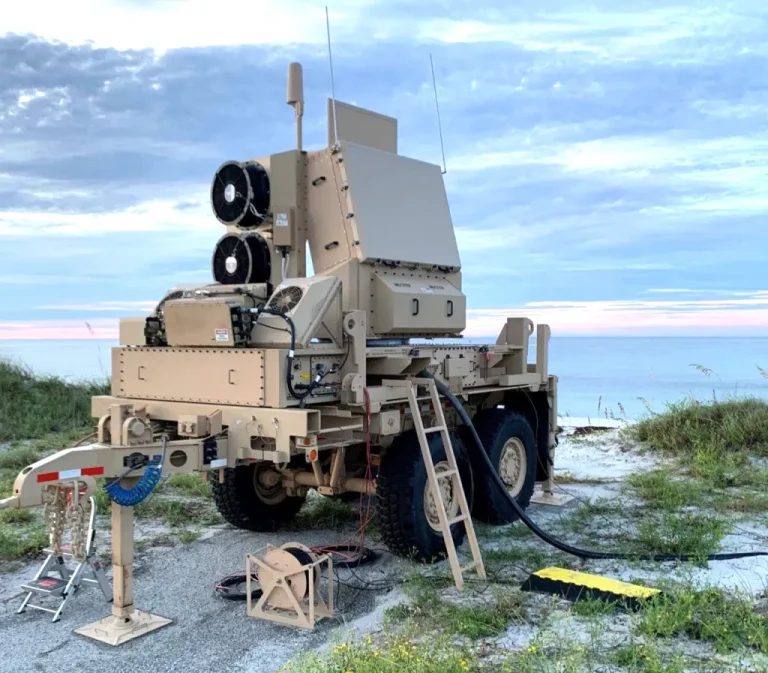
Sentinel A4 — a new generation of mobile air defense radars
In recent years, ground-based air defense radar stations have undergone a significant evolution. One striking example of this transition is the Sentinel A4—a modern mobile radar designed to detect and track a wide range of airborne threats. It reflects key trends in the development of next-generation tactical radars: digitization, increased sensitivity, and adaptation to low-observable targets.
From Classic Radar to Digital Sensors
The Sentinel A4 is a major overhaul of the well-known Sentinel series, but essentially represents a qualitatively different class of radar systems. The system is based on an active electronically scanned array (AESA), which has completely replaced mechanical scanning.
This offers several key advantages at once:
- electronic beam control with no moving parts;
- high data refresh rate;
- simultaneous operation in multiple modes;
- Enhanced survivability and resistance to interference.
Radar is no longer just a “rotating antenna”; it has become an intelligent sensor that constantly analyzes the air situation.
Focus on Modern Threats
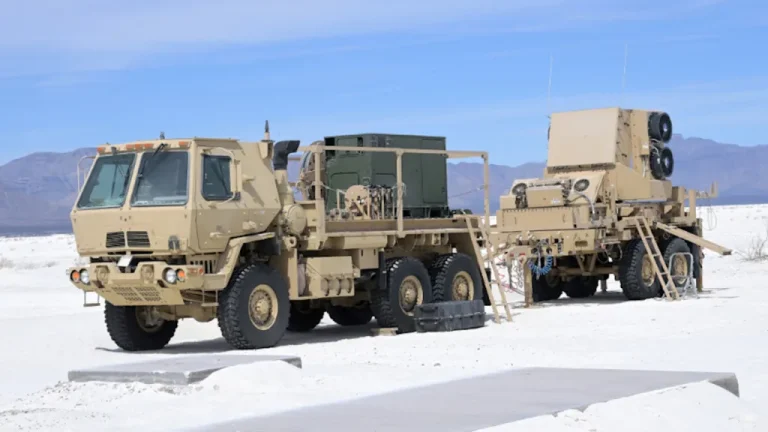
A key feature of the Sentinel A4 is its optimization for detecting new types of targets that are difficult to detect with traditional radars. First and foremost, these include:
- small and medium-sized unmanned aerial vehicles;
- winged missiles with a small effective cross-section;
- low-flying and slow-moving objects;
- ammunition launched from the ground or the air.
The radar is capable of reliably tracking such targets despite complex interference—such as terrain, built-up areas, and radio noise. This is particularly relevant in modern conflicts, where threats can be low-cost, widespread, and difficult to detect.
Multitasking as the Foundation of Architecture
The Sentinel A4 is not tied to any specific weapons system. It was designed as a versatile sensor capable of operating within various layers of air defense and missile defense systems. Its functions include:
- panoramic view of the airspace;
- automatic tracking of multiple targets;
- data transmission to fire control systems;
- integration into air defense network systems.
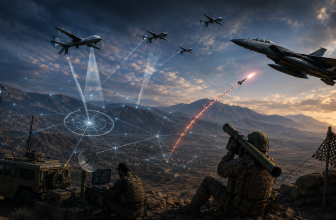
In effect, the radar becomes a node in a distributed system, where information from various sensors is combined to improve accuracy and response time.
Modularity and Growth Potential
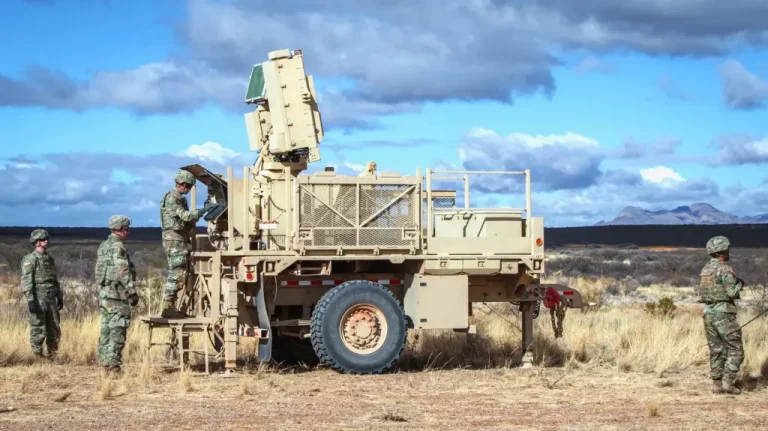
Another distinctive feature of the new generation of radar systems is their upgrade potential. In the Sentinel A4, the architecture is designed from the outset to allow for expanded capabilities without having to completely replace the system:
- increased power and sensitivity;
- software update;
- adaptation to new types of goals;
- Improvements to signal processing algorithms.
This reflects a modern approach in which not only the “hardware” but also the radar’s software plays a key role.
Mobility and Practical Applications
Despite its advanced technology, the Sentinel A4 remains a tactical mobile system. It is mounted on a vehicle chassis, can be rapidly deployed, and is capable of operating both autonomously and as part of a larger air defense system.
This combination of mobility and high sensitivity makes such radars highly sought after not only for the protection of strategic facilities, but also for providing cover for troops, bases, logistics hubs, and critical infrastructure.
The Sentinel A4 as a Reflection of a General Trend
When viewed in a broader context, the Sentinel A4 is not merely a specific radar model, but an example of a general trend in the development of ground-based radar systems:
- the transition to AESA as the standard;
- focus on low-profile targets;
- integration into networked control systems;
- a focus on software-defined capabilities.
It is precisely these systems that shape the landscape of modern air defense, where not only detection range but also the speed of information processing, resistance to jamming, and the ability to operate in a complex multi-domain environment are of critical importance.
Conclusion
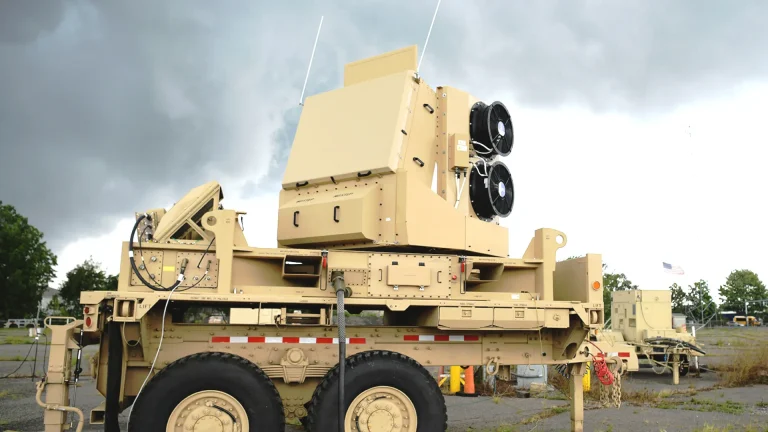
The Sentinel A4 demonstrates how a tactical radar is evolving into a next-generation high-tech sensor. It is no longer merely a detection tool, but an active component of a digital air defense system capable of adapting to rapidly changing threats and remaining relevant over the long term.