"Malvina-M": a new Russian ground-based robotic flamethrower system based on the TOS-1A "Solntsepok"

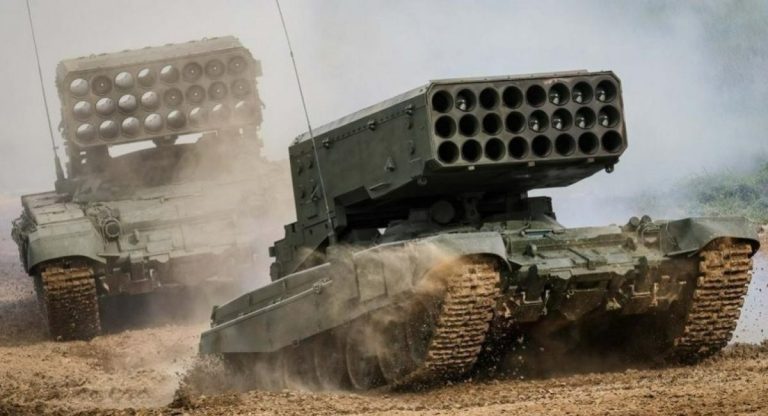
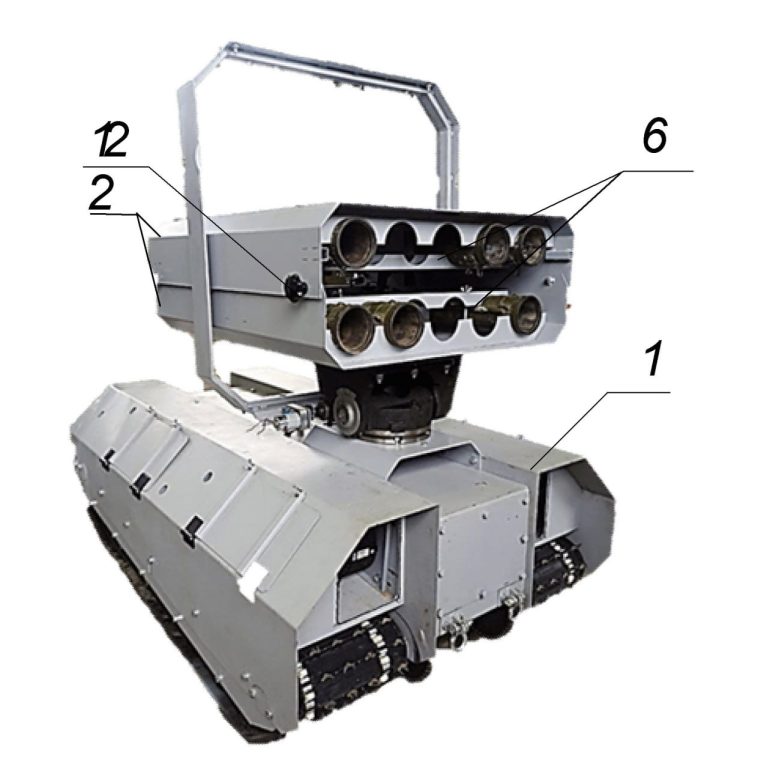
The Russian military unveiled an experimental ground-based robotic combat system designated “Malvina-M.” It is an autonomous or remotely controlled platform equipped with launch rails from the TOS-1/TOS-1A heavy flamethrower system “Solntsepok,“ capable of launching powerful 220-mm thermobaric rockets. This new development represents an attempt to create a lighter, more mobile, and potentially stealthier replacement for manned heavy flamethrower systems.
System Concept and Purpose
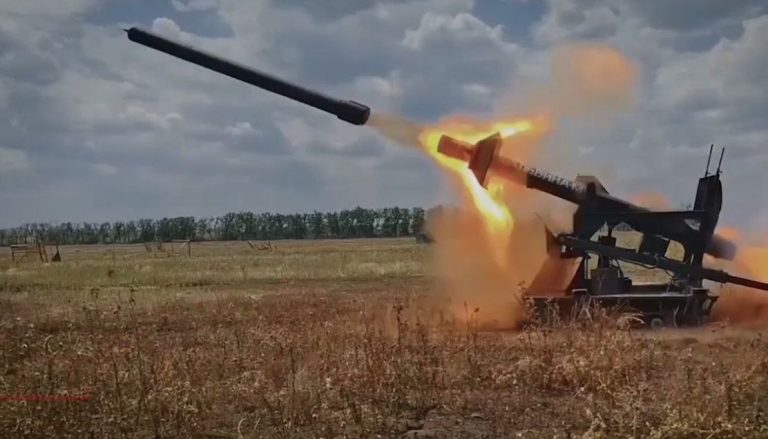
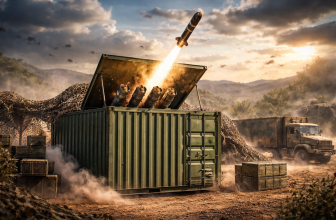
The Malvina-M system was developed to utilize the MO.1.01.04M thermobaric rockets, which are originally used on the TOS-1A “Solntsepok” heavy flamethrower systems. These munitions have a volume-detonating effect, enabling them to deliver devastating strikes against personnel, fortified positions, and shelters.
Unlike the classic “Solntsepek,” which is mounted on the heavy tracked chassis of a T-72 main battle tank to ensure stability during firing and protect the crew, the “Malvina-M” is a lightweight robotic platform with two tracks mounted on the base frame of an unmanned ground vehicle. This makes it potentially easier to transport and deploy, and also reduces the risk of personnel casualties.
Design and Armament
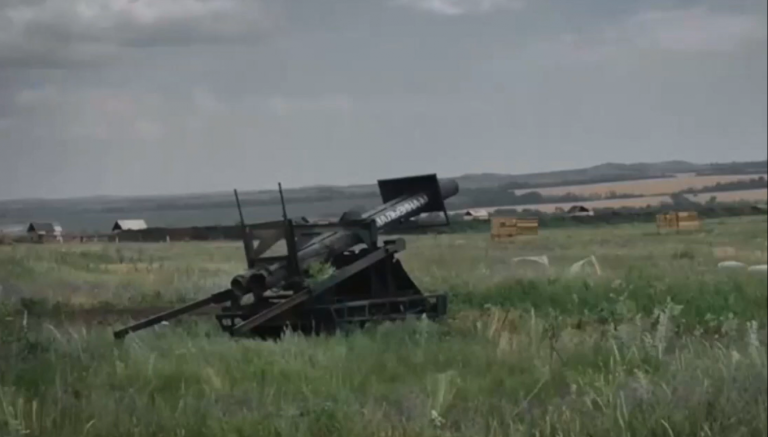
“Malvina-M” received:
- two launch rails from the TOS-1/TOS-1A heavy flamethrower system;
- standard MO.1.01.04M thermobaric charges weighing approximately 213 kg each;
- metal screens and shields around the guide rails, designed to protect against combustion gases and flames during startup;
- a robotic chassis to which the entire system is mounted.
Such guidance systems with thermobaric munitions have been used as part of the heavy flamethrower weapons concept for many years, but their adaptation for use on a lightweight robot underscores the goal of creating a mobile and relatively inexpensive combat module for operations in areas where there is a high risk of crew casualties.
Flight and Firing: What We Know from Tests
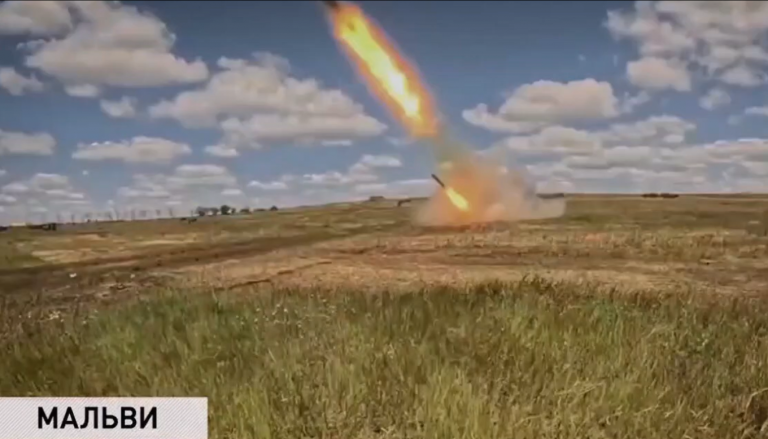
Footage published in open sources shows that the system is capable of launching two missiles in succession. However, after the first launch, the robot experiences significant jolts and even spins in place due to the recoil, indicating stability issues with the platform during firing.
It is interesting to note that the experimental configuration makes no mention of a specialized ballistic calculation system or a laser rangefinder—equipment used on standard flamethrower systems to adjust fire. This raises questions about the guidance accuracy and effectiveness of munitions fired from a lightweight robotic platform.
Strengths and Weaknesses
Potential benefits:
- The absence of a crew reduces the risk to personnel;
- is easy to transport and set up;
- retains the destructive power of the “Solntsepeka” thermobaric munitions, which are effective against concealed and fortified targets;
- It can be used in covert operations thanks to its low profile.
Key Issues and Limitations:
- poor stability when firing, which can negatively affect accuracy;
- the lack of a fully functional guidance system and ballistic corrections;
- only two rails, whereas the standard heavy system has 24, which significantly reduces its firepower;
- Thermobaric missiles themselves are known for their relatively low accuracy, and without course correction, hitting the target remains a matter of chance.
Tactical Role and Prospects
“Malvina-M” demonstrates a concept for the cost-effective deployment of heavy thermobaric systems without compromising the crew’s safety. The idea is to preserve the destructive potential of heavy rocket-propelled incendiary projectiles while reducing logistical and tactical risks by eliminating the need for manned heavy armored vehicles.
Nevertheless, the effectiveness of such a robot on the actual battlefield remains questionable. Low firing accuracy and launch stability issues could limit its success when deployed against an active enemy defense or in a conflict zone with intense fire. It may turn out that, despite its innovative nature, such a system will remain an experimental solution requiring further development and significant improvements.
Conclusion
The new Russian robotic combat system, the “Malvina-M,” represents an interesting experiment in integrating heavy munitions from the TOS-1A flamethrower systems onto a lightweight robotic platform. Although the thermobaric rockets retain their high destructive potential, problems with stability and accuracy, as well as the limited number of launch tubes, cast doubt on the system’s practical value on the battlefield. In its current form, the system serves more as a demonstration of concepts for future development than as a combat asset ready for widespread use.