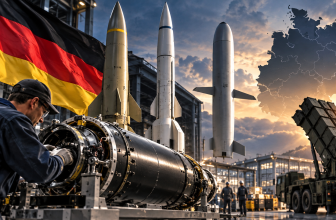
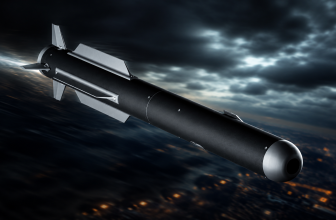
Missiles Run Out Faster Than the War: Why the U.S. Started "Burning Through" Tomahawks Too Quickly

At first glance, the story of Tomahawk cruise missile usage in recent U.S. operations appears to be just routine war statistics. But if you look deeper, it becomes clear that this points to a far more serious problem—the limited availability of precision-guided weapons in the context of intense conflict.
And, judging by the latest data, the rate at which these missiles are being used has begun to raise very real concerns even within the Pentagon.
Contents:
When “precision strikes” turn into a barrage
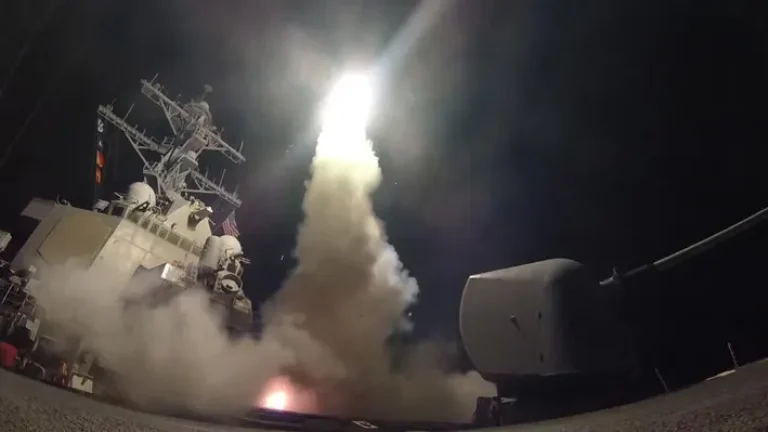
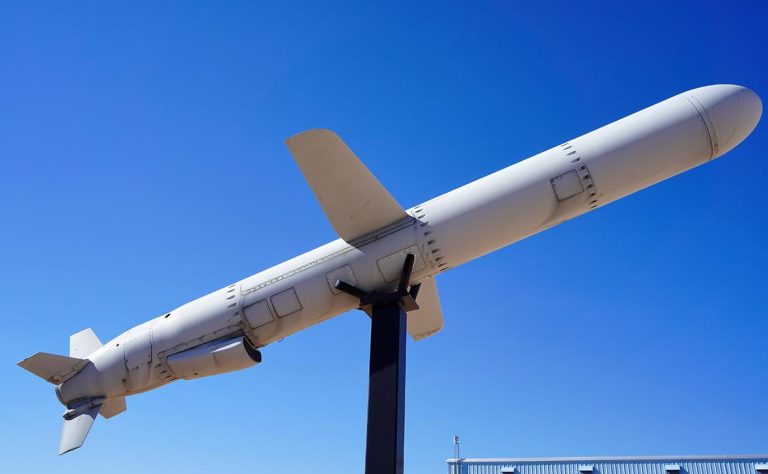
For a long time, the Tomahawk was considered the ideal weapon. Its range, accuracy, and ability to be launched from ships and submarines all made it a versatile tool for first strikes.
But the problem is that such missiles are rarely used individually.
This usually refers to large-scale launches:
- dozens of missiles at a single target
- hundreds — for the campaign
And that is precisely what is now beginning to work against the U.S.
For example, hundreds of missiles were used in recent operations against Iran and related targets alone, and the rate of consumption turned out to be higher than expected.
According to some estimates, up to 10% of the total stockpile may have been used up during the brief period of hostilities.
A limited supply that is not infinite
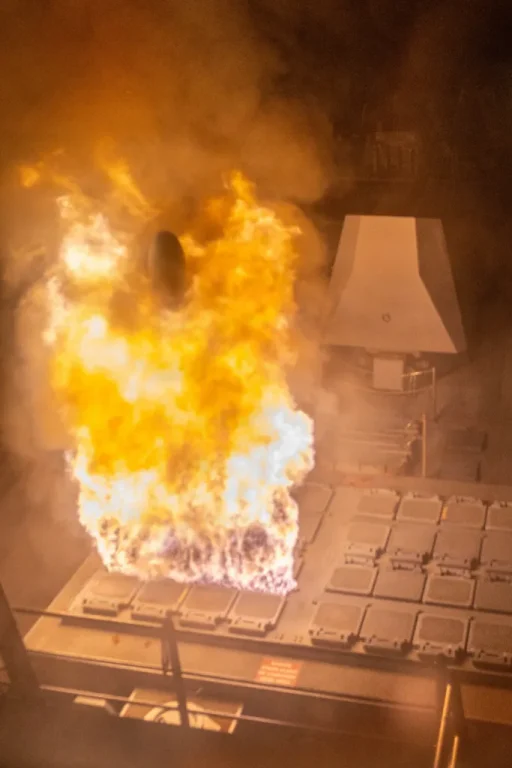
There is a widespread perception that the U.S. has “endless warehouses.” In reality, this is not the case.
Estimates indicate that the total stockpile of Tomahawk missiles is approximately 3,000 to 4,000 units.
And this is where the key point comes in.
Even a large-scale operation can “use up” a significant portion of this reserve in a matter of days. For example:
- About 300 missiles—that’s already a significant reduction in the arsenal
- A few of these operations in a row—and the supply starts to dwindle
However, ships cannot replenish their ammunition at sea. Once you’ve fired all your rounds, return to base.
Production Can’t Keep Up with the War
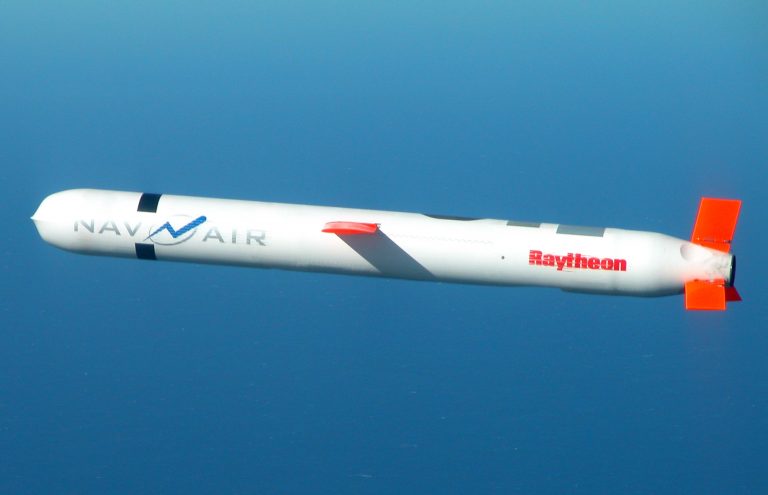
The biggest problem isn’t consumption, but recovery.
Over the past few years, Tomahawk production has remained relatively low:
- about 60–100 missiles per year
- In the 2026 budget—a total of 57 new units
Now compare that to your actual fuel consumption.
A single operation may require more than the annual output.
Yes, the U.S. is currently trying to sharply increase production—up to 1,000 missiles a year—but this is a long-term measure, not an “immediate” solution.
Why This Issue Isn’t About Iran
The most interesting thing isn’t even the Middle East.
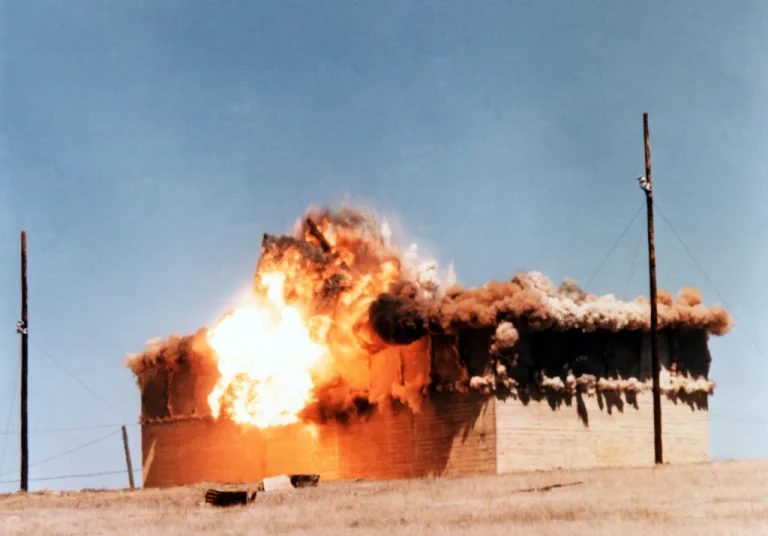
The Tomahawk is one of the key weapons in a potential war with China. It is precisely these missiles that must:
- strike bases
- disrupt infrastructure
- strike first
And if a significant portion of the reserves is being used up in local conflicts, the question arises:
But will they be enough for a major war?
Experts are saying outright that the current rate of consumption could lead to a shortage in the event of a conflict in the Indo-Pacific region.
The Logic of Modern Warfare: Numbers Are Key
All of this fits into a broader trend.
Modern warfare is once again becoming a “war of supplies.” Even the most precise and expensive systems are subject to a simple logic:
- how many there are
- How much can be produced?
- how quickly they run out
And in that sense, Tomahawk is a perfect example.
It’s not a cheap weapon.
It’s not quick to produce.
And it’s not an endless supply.
The Final
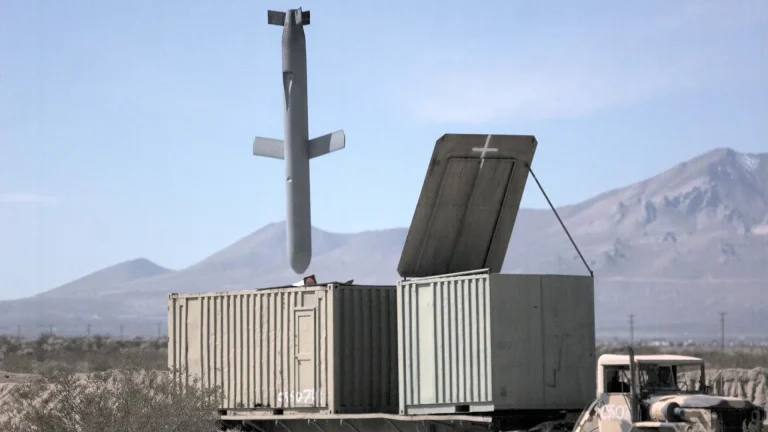
The story about the “burning” of the Tomahawk illustrates an important point.
Even the world’s most technologically advanced army faces limitations.
You can have precision-guided missiles.
You can have the best delivery systems.
You can have a global presence.
But if consumption exceeds production, sooner or later it becomes a problem.
And, judging by the current pace, the U.S. is already beginning to approach that threshold.
по материалам https://www.twz.com/news-features/u-s-is-burning-through-tomahawk-cruise-missile-stockpile-at-a-alarming-rate-report