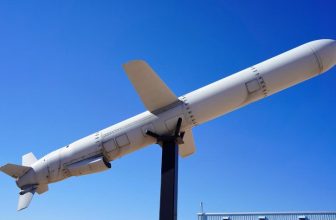
In the world of modern air combat, there are weapons that do more than simply complement a fighter jet—they change the very logic of combat. One such weapon is the Meteor missile, developed by the European consortium MBDA. It has long been considered one of the most advanced beyond-visual-range missiles—designed for combat beyond the range of direct visibility.
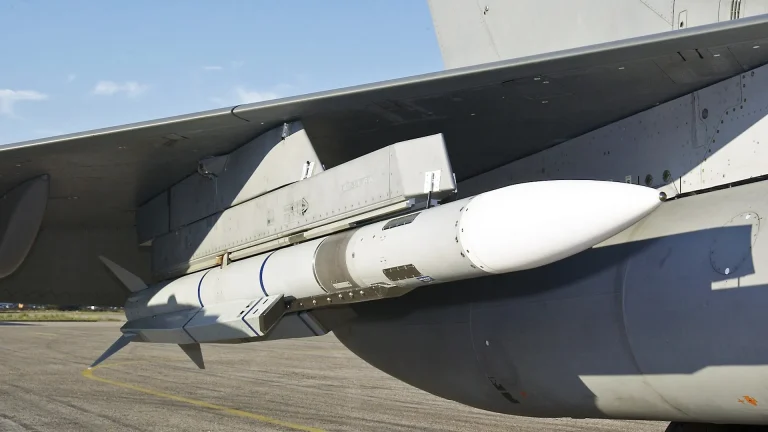
Interest in the Meteor has surged in recent years, as it is capable of competing with the world’s best long-range missiles. However, behind its impressive performance lies an important limitation: the missile alone cannot solve the problem.
What Makes Meteor Special
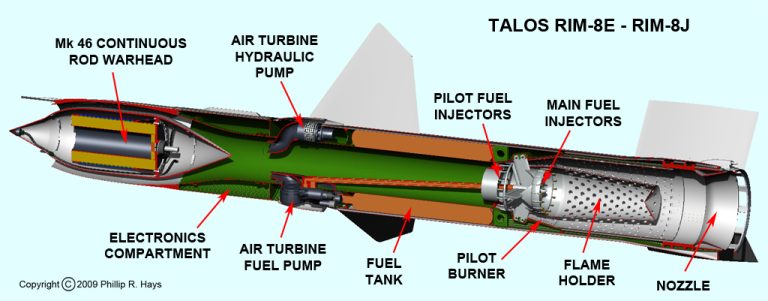
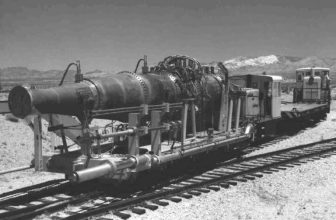
The Meteor’s key technological feature is its direct-flow air-breathing engine. Unlike conventional solid-fuel rockets, which accelerate rapidly and then lose energy, the Meteor maintains thrust throughout nearly the entire flight.
This offers several critical advantages:
- It maintains high speed right up until it hits the target;
- The missile remains maneuverable even at long ranges;
- The so-called “no-escape zone“—an area from which it is virtually impossible for targets to escape—increases sharply.
In essence, the Meteor is dangerous not so much because of its maximum range as because of how “active” it remains at the end of its trajectory.
Why Range Isn’t Everything

In air-to-air combat, launch range is only part of the equation. What matters far more is how much energy the missile retains by the time it closes in on its target. Many missiles can be launched from a long distance, but they become vulnerable during the final phase: the target has time to maneuver or escape.
Meteor solves this problem with an engine that allows the rocket to:
- accelerate rapidly after startup;
- adjust the flight profile;
- effectively track a target even while it is actively maneuvering.
That is precisely why it is often referred to not simply as a long-range missile, but as an energy-dominant missile.
Where the difficulty arises
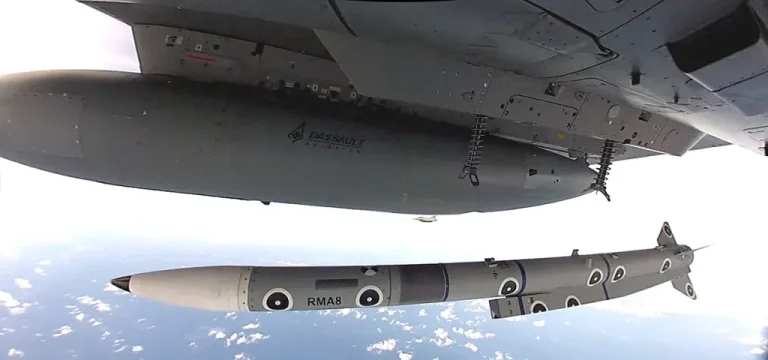
Despite its strengths, Meteor is not a one-size-fits-all solution. It requires:
- a carrier aircraft with an integrated fire control system;
- high-powered radars and data transmission channels;
- network integration with other platforms.
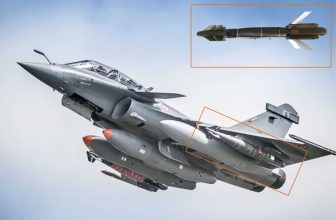
Without this, the missile loses a significant portion of its advantages. Installing the Meteor on an aircraft means deeply integrating it into the aircraft’s avionics and tactical architecture, which is a complex and time-consuming process.
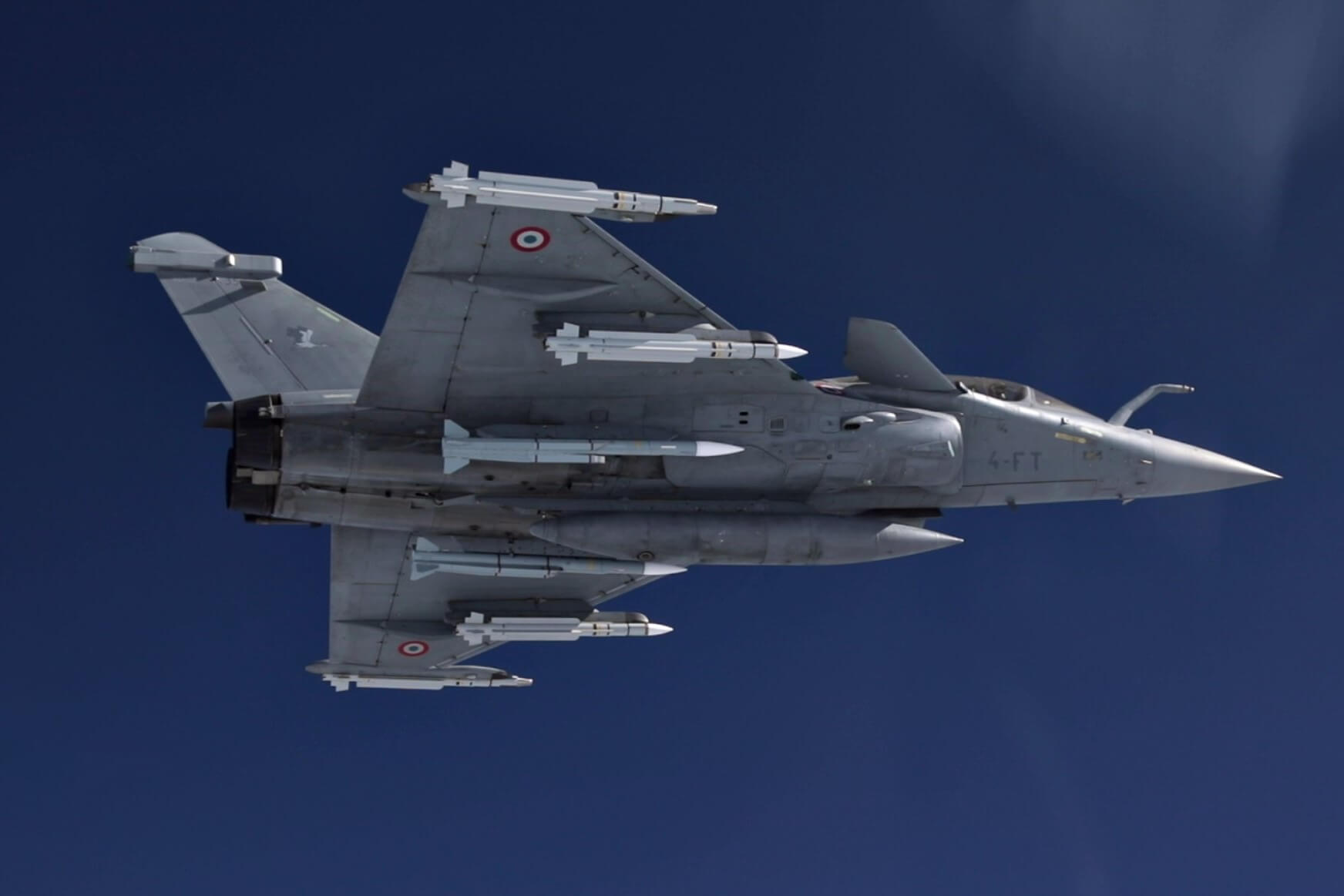
A missile as part of a system, not a “wonder weapon”
This is where the key point lies. Meteor is a component of a comprehensive air combat system, not a magic wand. Its true effectiveness is only realized when:
- The aircraft has greater visibility than the enemy;
- Target data is updated in real time;
- The pilot and the control system work as a single unit.
Without this, even the most advanced missile becomes nothing more than an expensive piece of ammunition with untapped potential.
In Conclusion: Weapons That Require an Environment
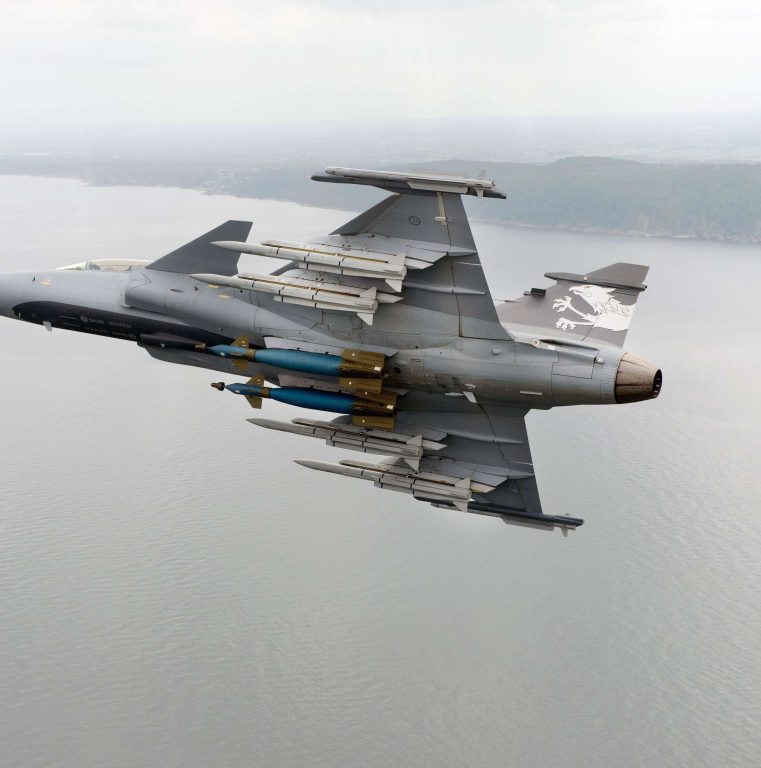
Meteor is an example of how modern weapons are becoming increasingly dependent on infrastructure. Today, victory goes not to whoever has the “best missile,” but to whoever has the best-integrated chain of sensors, launch vehicles, weapons, and command and control systems.
That is precisely why a discussion of Meteor is not so much about the missile itself as it is about the future of aerial combat, where data, networks, and energy—not just launch range—play a key role.
based on https://www.twz.com/air/meteor-long-range-air-to-air-missile-in-the-works-for-ukraine-but-theres-a-catch