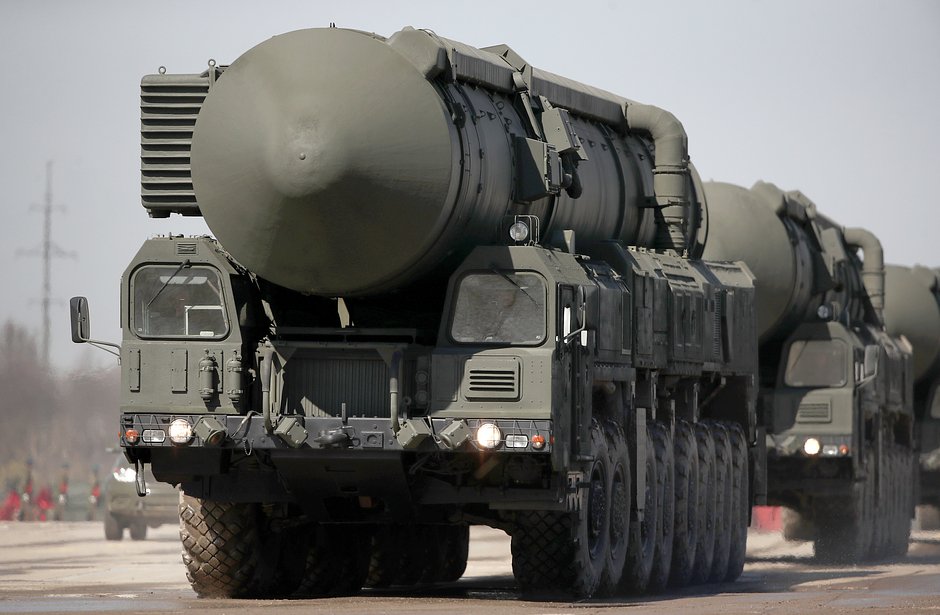
Since the start of the conflict in Ukraine, the Oreshnik missile system has become a real threat to Ukraine. Hypersonic and impossible to intercept, it is capable of destroying any target it is aimed at. However, on February 12, another menacing development emerged—though this time, it was aimed less at the Ukrainian military and more at their Western counterparts. Its name is unknown; for now, the media are referring to it as either Oreshnik-2 or Granit. What is known about it?
Contents:
Oreshnik and His Legacy
The Oreshnik missile system, like its predecessor, quickly earned a reputation as a highly effective and deadly weapon. Capable of reaching speeds several times the speed of sound, it has become a real headache for enemy air defense systems. Its ability to strike maritime and ground targets at long ranges makes it highly sought after.
Oreshnik-2: A New Level of Threat
Information about the new Oreshnik-2 or Granit missile system is still limited, but several key characteristics are already known that make it an even more powerful weapon on the battlefield. Based on leaks and statements, the system has improved aerodynamic characteristics, allowing it to strike targets not only at greater ranges but also with greater precision.
Reasons for Concern in the West
The new missile system is causing concern not only among Ukrainian military personnel but also among their Western allies. Amid the ongoing escalation of the conflict in the region, this new threat requires Western countries to rethink their military strategies and air defense systems. At present, Western experts note that the Oreshnik-2 system could pose a real challenge to existing air defense technologies, increasing the risks to NATO’s land and naval forces.
Geopolitical Implications
The West’s concerns are not limited solely to military aspects. Against the backdrop of an escalating situation, such a system could affect the negotiation processes between Russia and Western countries. Russia’s increased military power could pose a threat to diplomatic efforts to resolve the conflict, which in turn would lead to even greater military confrontation.
Where Did Granite Come From?
The use of the name “Granit” deserves special mention. The fact is that a missile with that name has existed for a very long time—since the 1980s.
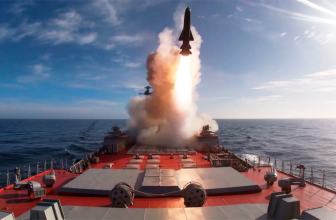
The “Granit” (P-700) is a Soviet anti-ship cruise missile that entered service in 1983. It is designed to engage ships, has a range of approximately 550–625 km, and bears no relation to modern ground-based missile systems or the “Oreshnik.” What might the use of its name signify today?
Either Russia has developed a land-based launcher for the “Granit” (the original P-700 missile was deployed exclusively from ships or submarines), or the old missile has been modernized. In any case, this is yet another mystery, the answer to which we will learn in the future.
Conclusion
Against the backdrop of ongoing conflicts and military tensions in Eastern Europe, the new Oreshnik-2 (or Granit) missile system is not only a symbol of Russian military might but also a factor capable of shifting the balance of power in the region. While the Ukrainian Armed Forces continue to adapt to new threats, Western countries must closely monitor developments and prepare for possible changes in their military policy.
The situation calls for constant analysis and the exploration of new technologies in order to effectively counter potential threats and maintain peace in the region. Oreshnik-2 may turn out to be not just a new weapons system, but a catalyst for further changes in international politics and security.