New components for the MOP superbomb are based on ATACMS ballistic missile technology—what does this mean?

Military technology sometimes resembles a giant workshop: components and solutions “migrate” from one project to another when doing so helps make the system better, more reliable, or more capable. A prime example of this is the recent reports that components for the GBU-57 Massive Ordnance Penetrator (MOP) heavy deep-penetrating bomb (MOP) were developed using technologies originally applied in ATACMS ballistic missiles.
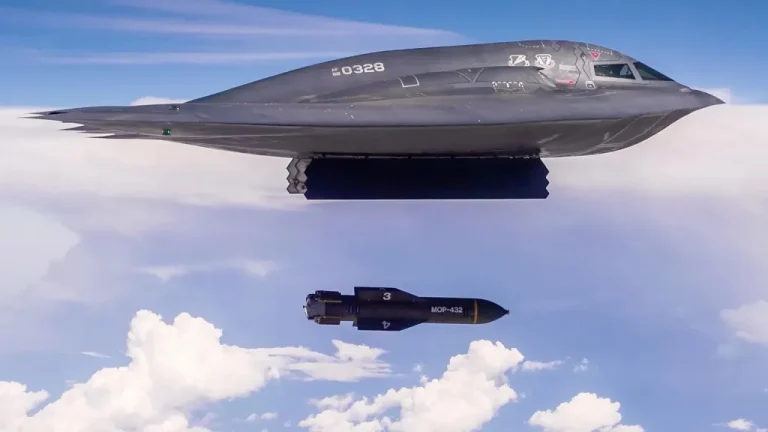
This news may sound technical, but it reflects an interesting shift in how cutting-edge weapons systems are developed—one that brings together ideas from different fields to achieve maximum effectiveness.
Contents:
A little background: What is MOP?
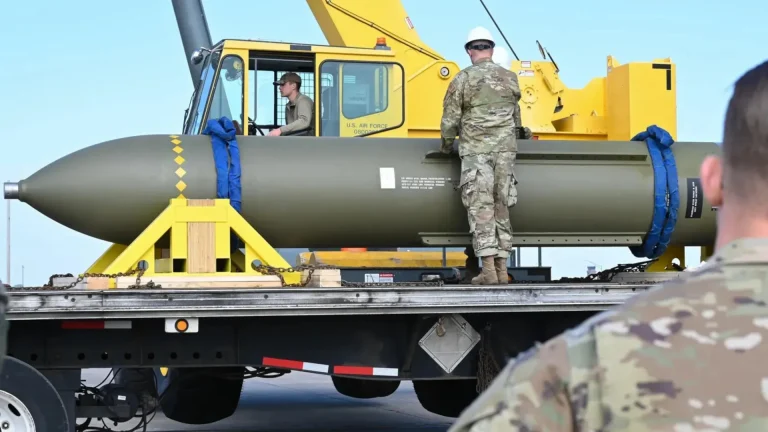
The GBU-57 Massive Ordnance Penetrator is no ordinary aerial bomb. It is a massive, heavy (over 13 metric tons), and specially designed munition intended to destroy deeply buried and heavily defended targets: underground command bunkers, fortified structures, and facilities “hidden” beneath dozens of meters of soil or concrete.
It is about 6 meters long, and its ability alone to penetrate the earth and layered fortifications makes it a subject of intense interest among both military officials and analysts around the world.
ATACMS: From Missile to Superbomb Components
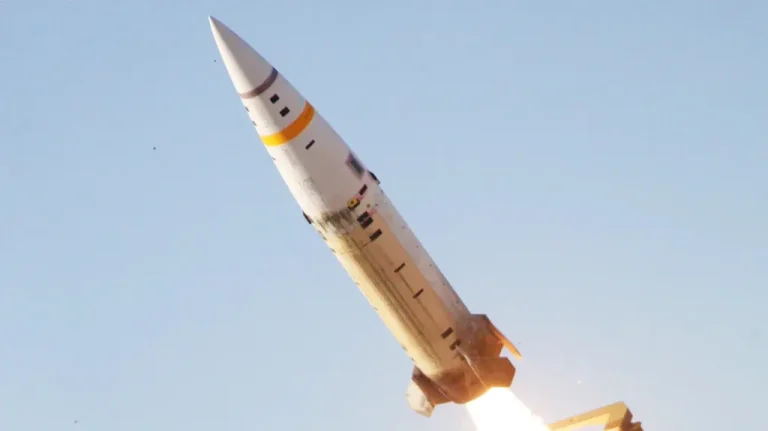
Originally, the technologies mentioned in the context of MOP were those used in the ATACMS (Army Tactical Missile System) ballistic missile. These missiles were a mobile tactical weapon capable of striking targets hundreds of kilometers away and were characterized by high reliability, accuracy, and advanced components for flight control and stability.
What exactly was transferred to MOP?
- Housing components—durable, heat-resistant, and capable of withstanding pressure when penetrating the ground;
- sensor and navigation components that allow for more accurate determination of altitude, speed, and angle of descent;
- ballistic control mechanisms derived from experience in the development of ballistic missiles.
In other words, certain technologies that were originally designed to ensure stable and precise missile flight are now being used within another system—a super-heavy, deep-penetrating air-launched warhead.
Why Does This Matter?
At first glance, it might seem that we’re talking about “internal technical details.” But there are several key points behind this:
🛠 1. Development Optimization
Using proven technological solutions is not only faster but also more reliable. This helps reduce risks when developing complex products such as MOP.
🎯 2. Improved accuracy and efficiency
Components based on advanced ballistic technology improve trajectory stability and sensor performance, which is important when penetrating dense layers of soil and concrete.
🔄 3. Platform Universalization
This is an example of how the boundaries between “different types of weapons” are becoming increasingly blurred: ballistics meets aviation, electronics meets mechanical loads…
How It Works in Practice
When a MOP is dropped from an aircraft (such as a B-2 or B-52 strategic bomber), it follows a ballistic trajectory—but the objective isn’t simply to “land where it’s supposed to.” It must:
- Maintain a steady heading when entering dense layers;
- To penetrate layers of soil, concrete, rebar, and possibly rock;
- Deliver the charge effectively to the depth of the target.
This requires not only power but also precision—qualities that standardized aerial bombs often lack.
The same principles that guided the design of the ATACMS to maintain its course for hundreds of kilometers help ensure that the MOP does not veer off course upon impact with the surface, but instead strikes exactly where it is supposed to.
Where can this be used?
The MOP was originally marketed as a weapon for the wars of the future—those in which enemies take cover in deep fortifications, underground, in mountain engineering structures, and so on. These targets are typically inaccessible to:
- standard aircraft bombs;
- medium-range missiles;
- conventional artillery.
Combining technologies that ensure the accuracy of ballistic weapons and the structural strength of the systems makes it possible to increase the probability of hitting such fortified targets.
Tact vs. Power: What You Need to Know
It is important to emphasize:
🔹 MOP is not a weapon of mass destruction;
🔹 it is a tool for specific, strategically important tasks;
🔹 it is used in situations where eliminating the target by any other means is too risky or impossible.
No single aerial bomb of this type can replace multi-purpose munitions. The MOP is specifically designed to target a fortified position, not a widespread threat.
What does this say about weapons development?
The very fact that technologies from ballistic systems are being used in an aviation superbomb reflects an important trend:
Engineering solutions are no longer tied to a specific “weapon type”—
they are being applied wherever they are most useful.
It’s like adopting best practices: as if Formula 1 engineers had started incorporating their technologies into street-legal sports cars—not because racing is the goal, but because it works.
This is exactly what is happening right now in defense technology: the exchange of technical know-how between different types of weapons is becoming increasingly common.
Conclusion
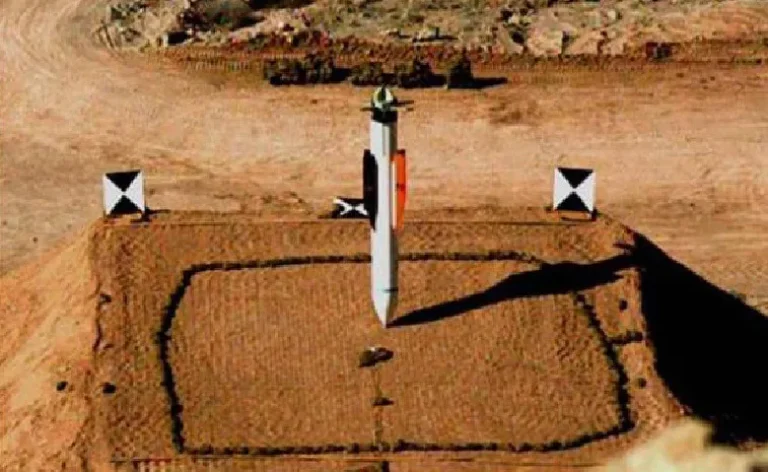
The key findings are as follows:
🔸 The components and assemblies for the MOP were developed using technologies from the ATACMS;
🔸 This enhances the stability, accuracy, and effectiveness of the superbomb;
🔸 It demonstrates a mechanism for optimizing defense development;
🔸 and reflects a trend toward the “standardization” of solutions in high-tech weaponry.
The GBU-57 MOP remains a niche but extremely powerful weapon—and it is now incorporating engineering advancements borrowed from other types of weapons. This is an example of how technology flows through the defense ecosystem, helping to create more reliable, flexible, and effective weapons of the future.
https://www.twz.com/air/new-gbu-57-massive-ordnance-penetrator-parts-reverse-engineered-from-atacms-ballistic-missile-tech