Why Support from U.S. Air-to-Air Refueling Aircraft Significantly Strengthens the Israeli Air Force in a War with Iran

Against the backdrop of the armed conflict that has broken out between Israel and Iran, the deployment of U.S. aerial refueling aircraft to the region has taken on particular significance. According to open-source reports, at least a dozen U.S. Air Force aircraft capable of providing in-flight refueling for both U.S. and Israeli aircraft have been deployed to the Middle East theater of operations.
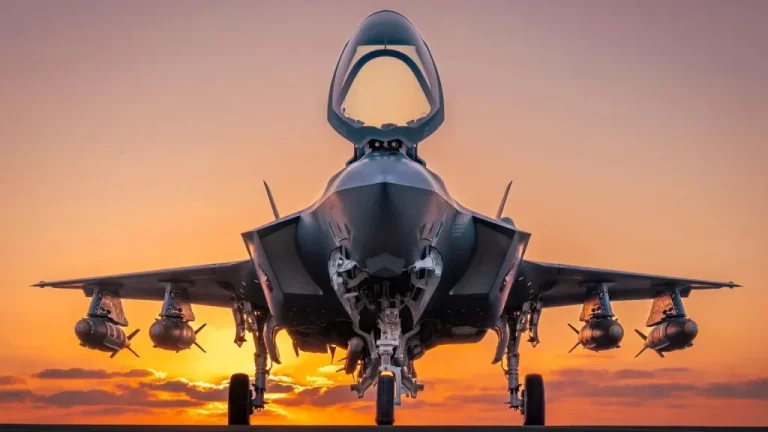
For the Israeli Air Force, this represents a significant expansion of capabilities: increased range, patrol duration, and payload capacity when striking targets deep within Iranian territory.
Why Airborne Refueling Aircraft Are Critical in a Conflict with Iran
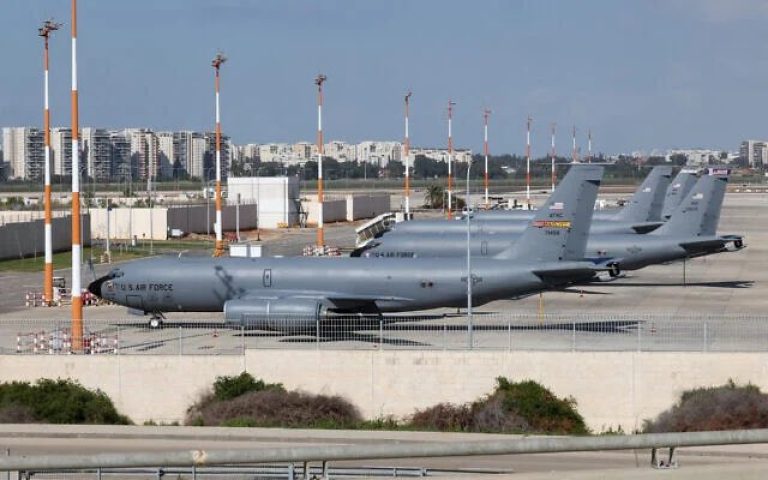
Geography plays a key role. The distance from Israeli air bases to strategic targets in Iran is thousands of kilometers. Even modern F-15I and F-35I aircraft, when fully loaded with combat payloads, face range limitations.
In-flight refueling allows for:
- perform strikes without landing in between;
- increase the time spent in the target area;
- Do not sacrifice combat load for the sake of fuel reserves;
- flexibly adjust routes to bypass air defense systems.
Until recently, Israel had a limited fleet of its own Boeing 707-based aerial refueling aircraft, which significantly limited its ability to conduct large-scale operations. Support from the U.S. Air Force is dramatically expanding this capability.
What refueling aircraft are being used?
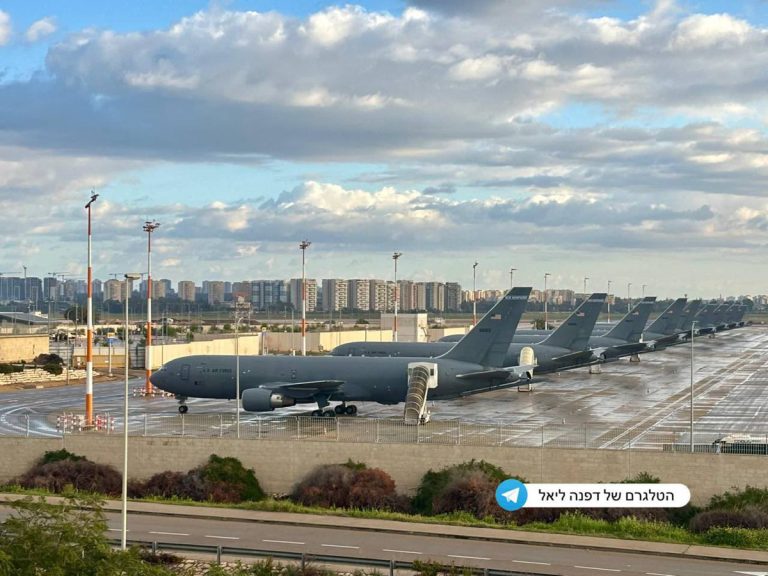
Two platforms play a key role:
- KC-135 Stratotanker
- KC-46A Pegasus
Both aircraft are capable of refueling via a rigid boom compatible with most Israeli aircraft, and the KC-46 is additionally equipped with a “hose-and-dome” system.
Performance Specifications of U.S. Airborne Refueling Aircraft
KC-135 Stratotanker
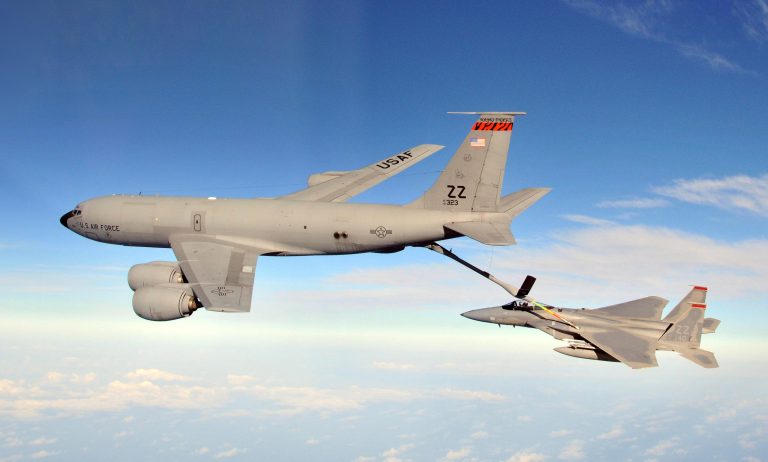
- Type: strategic aerial refueling aircraft
- Maximum fuel capacity: ~90 metric tons
- Range: over 12,000 km (unloaded)
- Cruising speed: ~850 km/h
- Crew: 3 people
- Simultaneous refueling capability: 1 aircraft (boom)
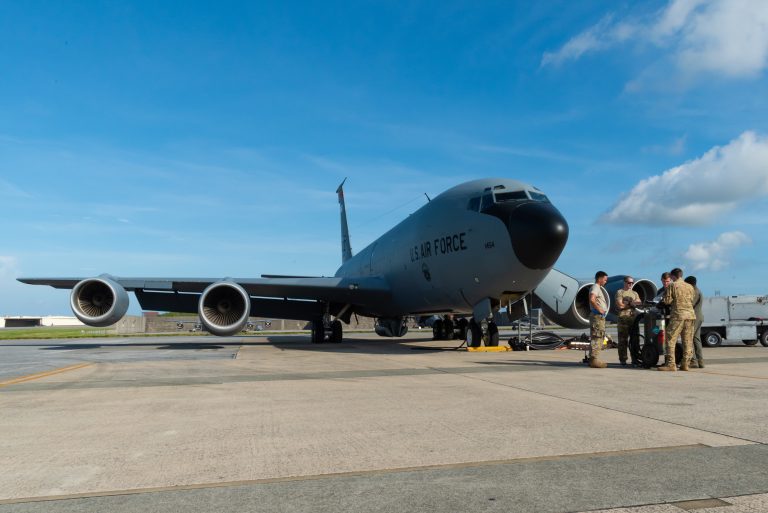
The KC-135 remains the U.S. Air Force’s “workhorse.” Despite the age of the design, the aircraft has proven to be highly reliable and is actively used in global operations.
KC-46A Pegasus
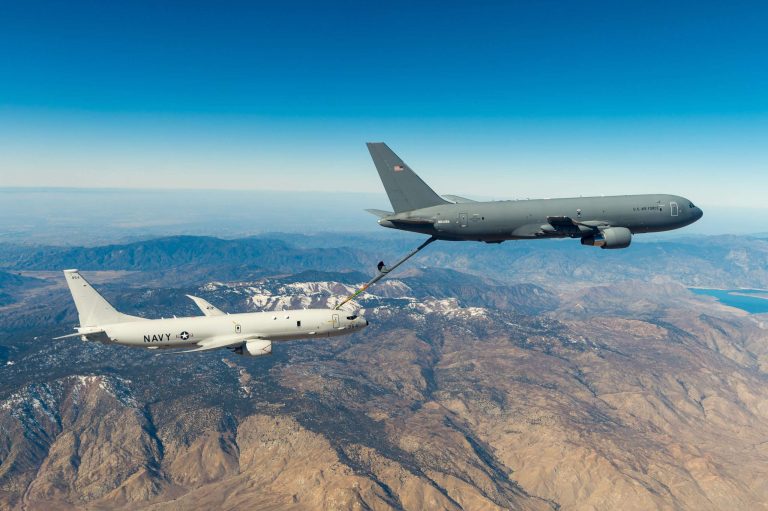
- Type: New-generation multi-purpose refueling aircraft
- Maximum fuel capacity: ~96 metric tons
- Range: more than 11,800 km
- Crew: 3 people
- Refueling systems: boom + cone hose
- Additional features: state-of-the-art avionics, secure communication channels
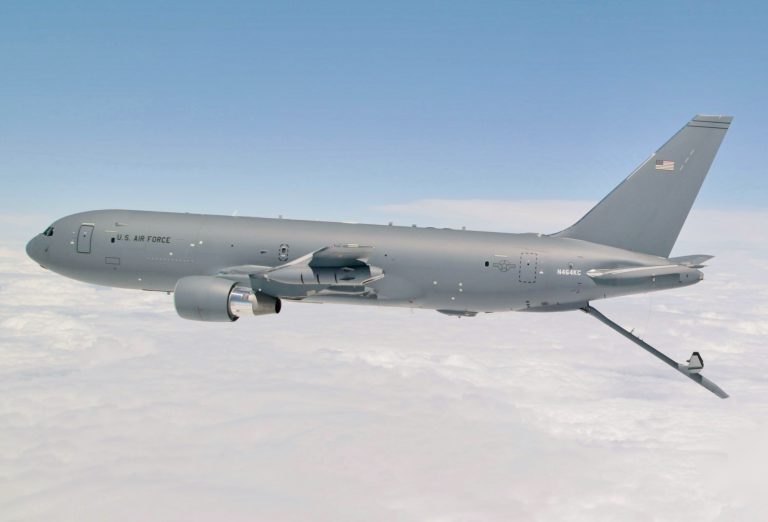
The KC-46 features enhanced protection, a digital refueling probe control system, and is capable of operating in more challenging combat environments.
How does this change the strategic landscape?
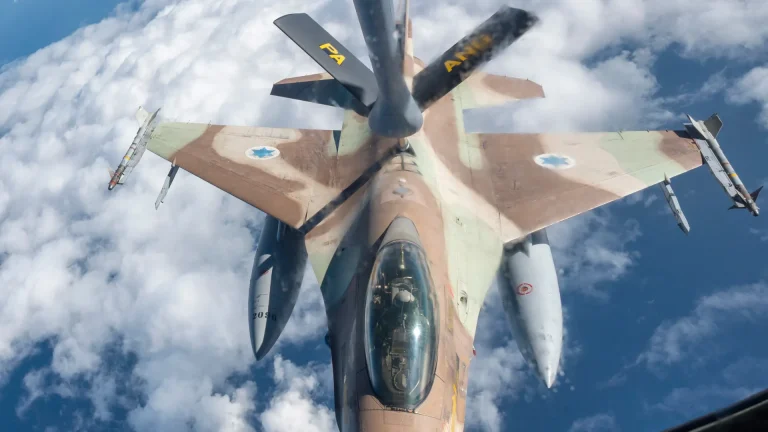
The support provided by American refueling aircraft means that Israeli fighter jets:
- can deliver deeper and more frequent blows;
- gain greater flexibility in route planning;
- are capable of staying airborne longer in standby mode;
- reduce the workload on their own fleet of refueling crews.
In effect, this transforms the Israeli Air Force from a regional power into a force with an extended operational range, approaching an intercontinental level of capability within the theater of operations.
Conclusion
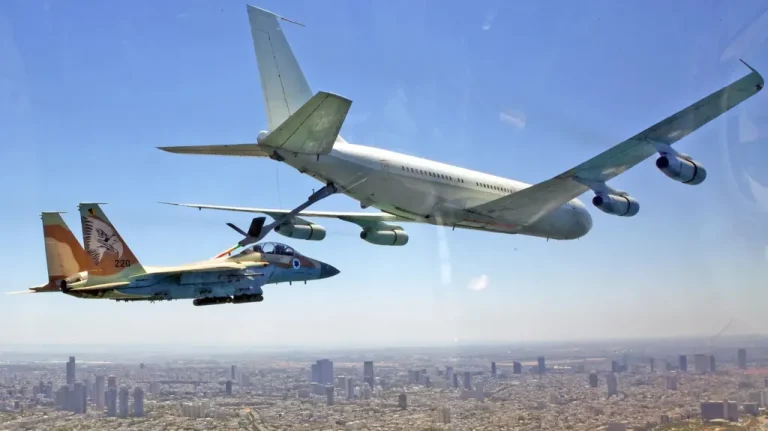
With the war between Israel and Iran already underway, the presence of U.S. aerial refueling aircraft in the region has become a key factor. This is not merely a matter of technical support—it enhances the strategic depth and sustainability of air operations.
If needed, I can include a section with calculations of the operational range of the F-15I and F-35I with one or two refuelings, or provide a separate technical analysis of air logistics in a similar conflict.