Why Missiles Still Get Through: What a Former Patriot Commander Says About a War with Iran

When people start talking about air defense, they usually expect a simple answer.
It either works or it doesn’t.
But in reality, things are more complicated than that. And, as recent conflicts in the Middle East have shown, the question is often phrased differently:
Why can’t even the most advanced systems stop everything?
The answer is surprisingly straightforward—and, in a way, uncomfortable.
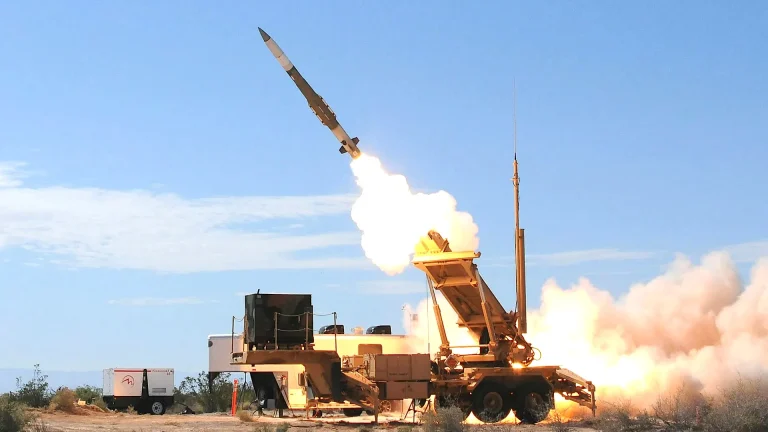
“I’m not surprised”

David Shank, the former commander of the Patriot Battalion—a man who has spent decades working on precisely these kinds of tasks—puts it bluntly.
“I’m not surprised… given Iran’s superiority in terms of the number of ballistic missiles, cruise missiles, long-range rocket systems, and drones.”
That is, perhaps, the key idea of the entire story.
The problem isn’t that the air defense system “doesn’t work.”
The problem is that too many things are being thrown at her all at once.
War by Numbers
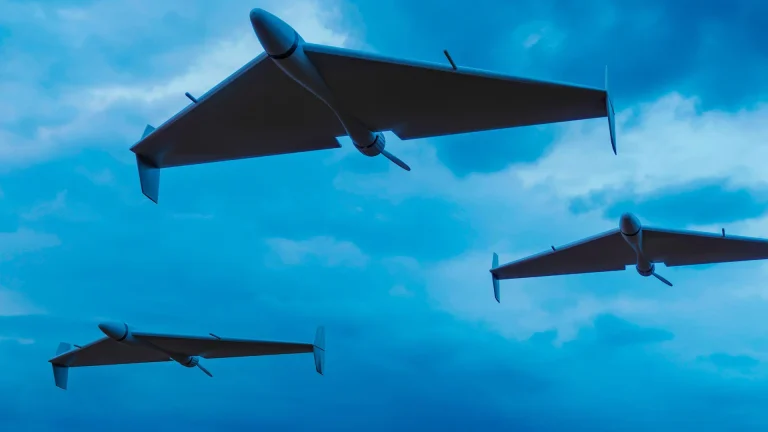
- First come the drones
- then—cruise missiles
- then — ballistic
And all of that—in one fell swoop.
And we’re not talking about just a few dozen.
And what about hundreds or even thousands of goals?
Shenk himself states plainly:
“They have thousands of long-range ballistic missiles… and now they also have unmanned systems.”
And this is where the main effect comes into play.
Air defense systems are simply overloaded.
Why There Is No “Absolute Protection”
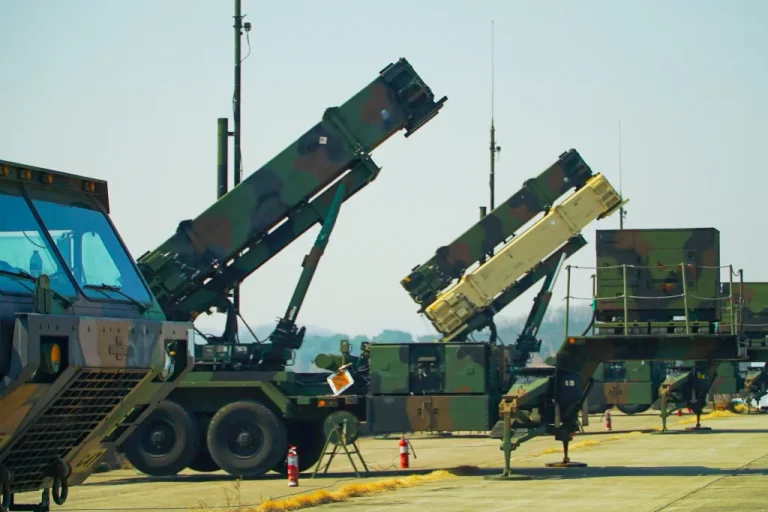
In the popular imagination, an air defense system is a shield.
But in practice, it’s a network:
- radars
- command posts
- interceptors
And every element has its limits.
Shenk puts it as plainly as possible:
“There is no system that guarantees 100% protection.”
And this is not a weakness specific to any one country.
That’s physics.
Predefined Goals

There’s one more point that’s often overlooked.
Military bases, airfields, and infrastructure—that’s no secret.
They are well-known.
And Shank points this out explicitly:
The reason is that these are “well-known targets for Iran”
If you know the coordinates, if you can plan your moves in advance, if you have time—the task becomes easier.
It’s not any easier.
But more predictable.
A system that works… but isn’t perfect
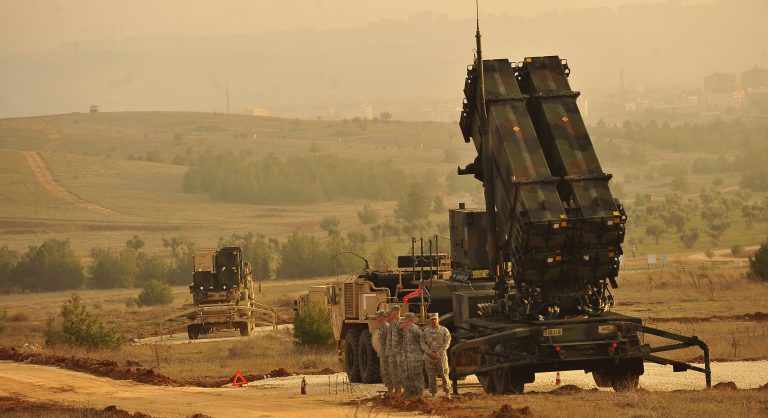
Amid all the news about “breakthroughs,” one might get the impression that the system is failing.
But Schenk says the opposite.
He emphasizes that:
- These calculations have been refined over decades
- These scenarios have long been worked out
- The threat itself is not unexpected
In other words, the system works.
It simply operates in conditions where there is no such thing as a perfect result.
The Cost of Mobility

There’s another aspect that’s rarely discussed—logistics.
Deploying air defense systems is not just a matter of “setting up a battery.”
Shenk provides a very telling figure:
“One Patriot battery is equivalent to 8–10 C-17 aircraft”
And speaking of the battalion:
“about 70–75 aircraft”
This is no longer just technology.
It’s quite an operation.
What Has Changed as a Result
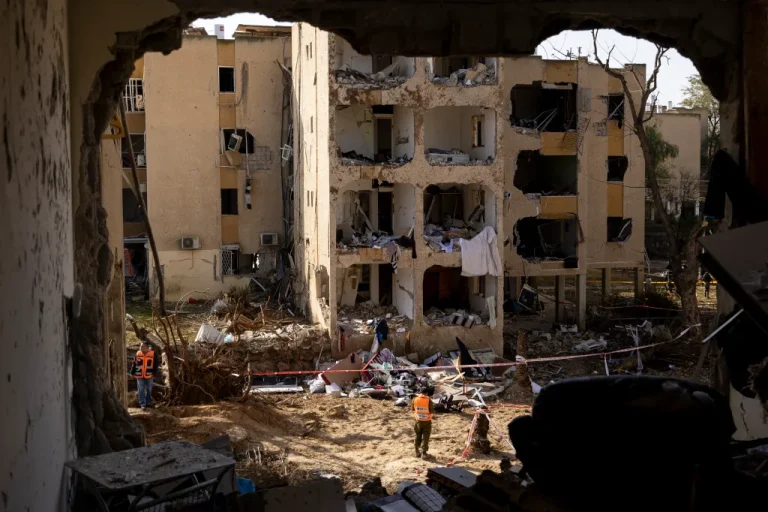
If you set aside the emotions and headlines, what remains is a rather harsh conclusion.
Modern warfare has changed.
Now it’s not just the quality of the weapons that matters.
Quantity is important.
And the ability to run:
- drones
- rockets
- all at once
The Final
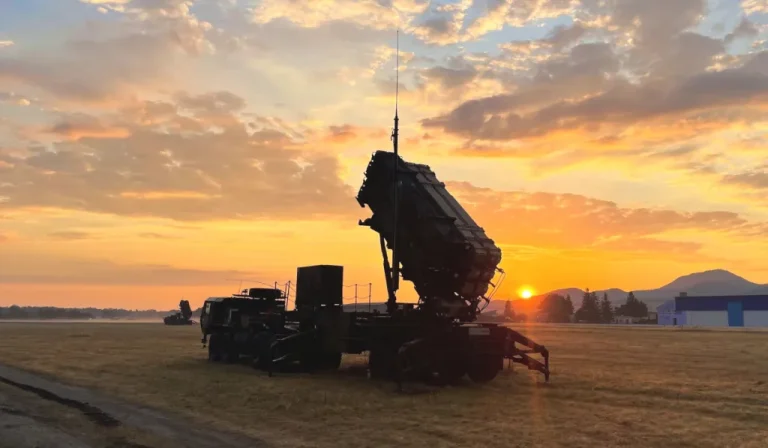
The story about the Iranian strikes isn’t about a “breakthrough in air defense.”
This is about the limits of any system.
You can upgrade the radars.
You can increase the number of interceptors.
You can build more complex networks.
But there is one rule that will always hold true against a massive attack.
Something will get through anyway.
And, by all accounts, this is something we’ll just have to live with from now on.
по материалам https://www.twz.com/news-features/retired-patriot-battalion-commander-on-the-challenges-of-defeating-irans-barrages