How Strong Is Iran's Air Defense System: An Analysis of Its Capabilities and Vulnerabilities

Iran’s military air defense system has long been considered one of the key components of its defense capabilities. Against the backdrop of an escalating conflict with Israel and the United States, questions regarding the effectiveness of this system have become the focus of intense scrutiny by military analysts.
Iran’s air defense network is not a unified system but a layered structure that combines various missile systems, radars, command centers, and domestically developed systems. The main purpose of this structure is to “lull” the enemy into a false sense of security as it approaches, intercept aircraft, drones, and missiles, and create obstacles to airstrikes.
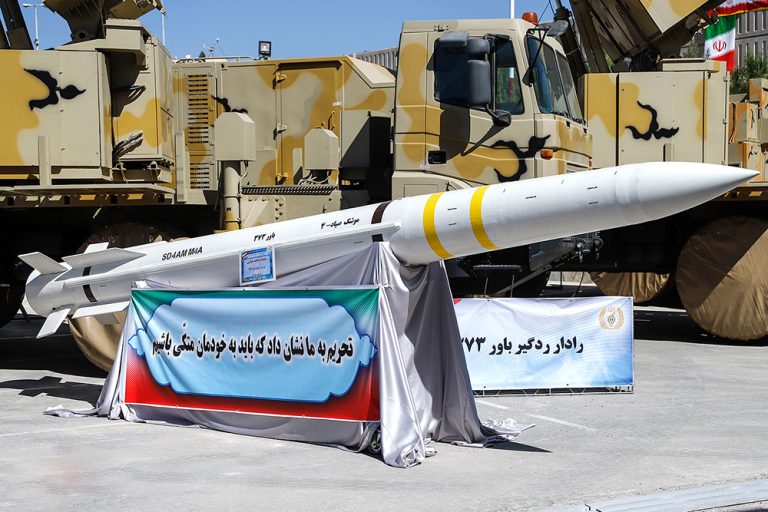
A “Sayyad-4” anti-aircraft missile next to the “Bavar-373” anti-aircraft missile system / Photo: Wikipedia
Historical Background and Design Principles
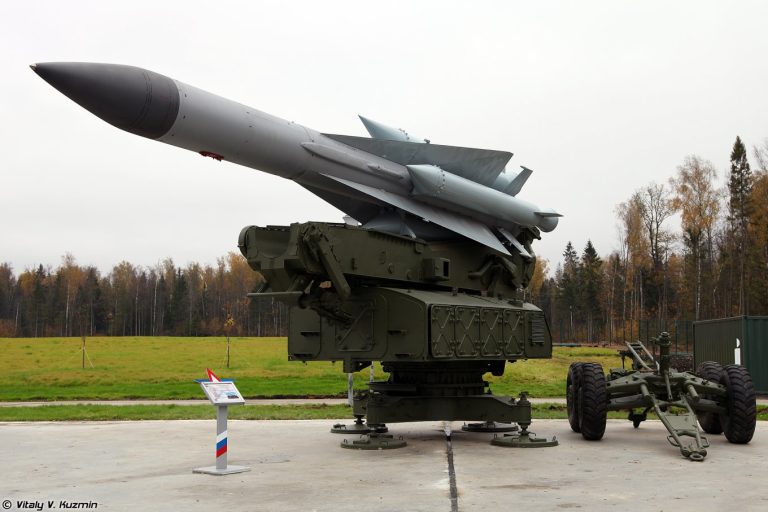
Soviet S-200 (SA-5 Hammon) surface-to-air missile system / Photo: Wikipedia
The history of Iran’s air defense began with the procurement of Soviet systems in the 20th century, including many S-200s—long-range anti-aircraft missiles capable of engaging targets at distances of up to several hundred kilometers. Building on this experience, Tehran began developing its own systems and modernizing older ones, striving to become independent of foreign supplies.
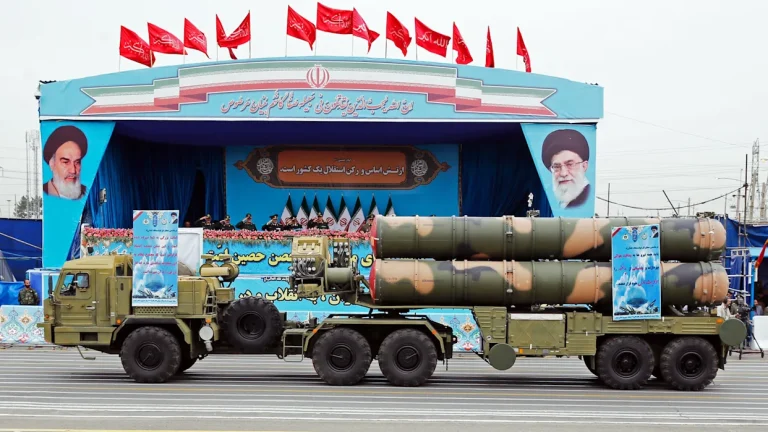
An Iranian S-300PMU-2 air defense system, supplied by Russia, at an Iranian Army parade in 2017 / Photo: Deutsche Welle
Today, Iran’s air defense system consists of a multi-layered network that includes:
- distributed radar networks;
- mobile and stationary missile defense systems with varying ranges;
- control and communications centers;
- electronic warfare components and local surveillance systems.
Layers of the Air Defense System and Key Components
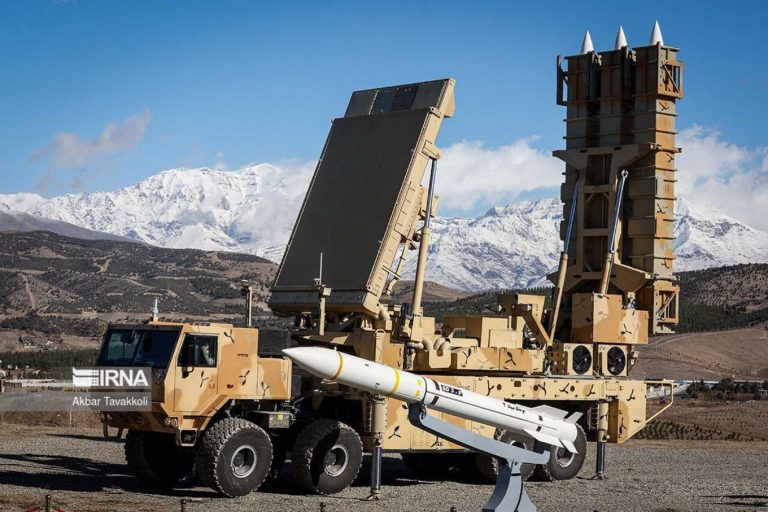
“Arman,” Iran’s newest air defense system / Photo: Army Recognition
Iran’s air defense system includes both domestically developed systems and foreign models that have been adapted to meet national requirements.
Long-Range Systems
- The S-300 is a Russian long-range export system capable of engaging aircraft, missiles, and high-speed targets at long ranges. It is considered the “backbone” of the long-range air defense tier.
- The Bavar-373 is an Iranian system designed as an analog to the S-300, featuring its own control architecture and Sayyad-4 series missiles, which are officially capable of engaging targets at ranges of up to ~300 km.
Medium- and Nearby Systems
- Khordad-15 is a mobile medium-range air defense system capable of simultaneously detecting and destroying multiple targets, including drones, cruise missiles, and aircraft, at ranges of up to ~150 km.
- Tabas is another Iranian medium-range system, similar in performance to the Soviet Buk-M1 system and capable of tracking targets at a detection range of up to ~350 km using large radars.
Short-range and low-altitude systems
- Ya Zahra is a lightweight, mobile, short-range system capable of engaging air targets at close range and is frequently used in networked air defense systems in conjunction with larger systems.
- Azarakhsh and Majid are similar short-range systems designed to counter drones and low-flying threats at ranges of up to several tens of kilometers.
Command, Control, and Radar
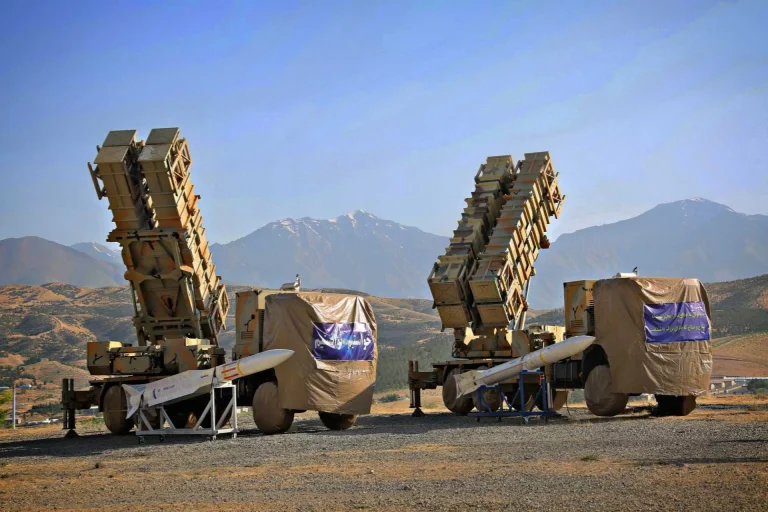
The 15th “Khorad” (or “Khorad-15”) anti-aircraft system with “Sayyad-2” anti-aircraft missiles positioned nearby / Photo: Army Recognition
Iran’s air defense system includes an extensive network of radar stations and command centers, enabling it to monitor airspace over vast territories and coordinate between different echelons. These centers receive information from numerous radar posts and assign interception tasks to the appropriate brigades.
The concept behind the network’s design is based on the principle of information accumulation and continuous data exchange: large-range radars “detect” approaching targets and then transmit the data to medium- and short-range systems for precision destruction.
Strengths of Iran’s Air Defense System
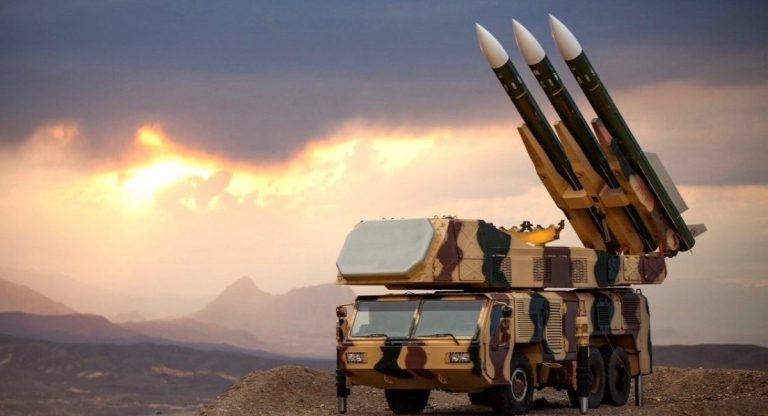
“Raad” (3rd Khordad) Air Defense System / Photo: Military Watch magazine
- Layered architecture. The presence of long-range, medium-range, and short-range echelons theoretically makes it possible to counter various types of threats, from high-altitude aircraft to low-flying drones.
- A mix of systems. The combination of Russian/Soviet systems and in-house developments provides a certain degree of flexibility and independence.
- Domestically developed systems, such as the Bavar-373 and others, demonstrate Iran’s desire to reduce its dependence on foreign supplies.
Limitations and Vulnerabilities
Despite the relatively extensive air defense network, analysts point out a number of problems:
Integration of different systems: The variety of system types and manufacturers complicates the process of integrating them into a single, effectively coordinated system.
Age of the fleet: A number of older components, including some Russian systems, are outdated and may be vulnerable to modern electronic warfare and airstrikes.
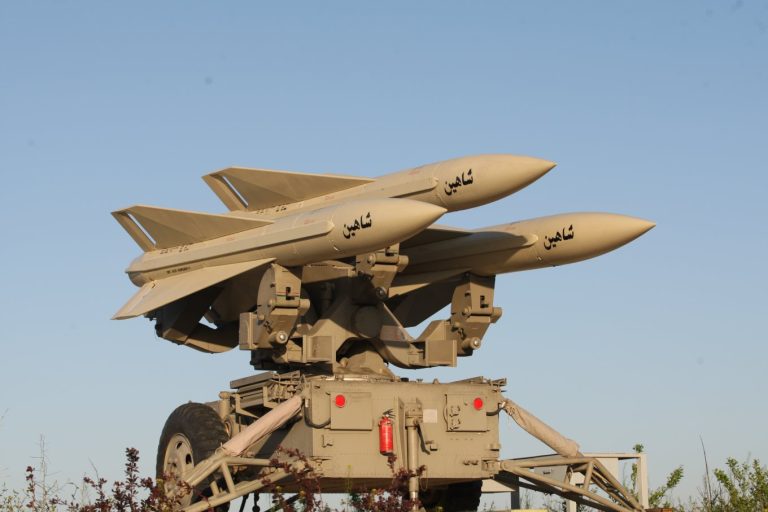
“Mersad” Air Defense System (upgraded MIM-23 Hawk) / Photo: Wikipedia
Practical effectiveness under fire: An analysis of past conflicts has shown that even numerous batteries do not guarantee effectiveness against coordinated, massive strikes by a high-tech adversary and can be quickly put out of action.
Iran’s Response to Criticism
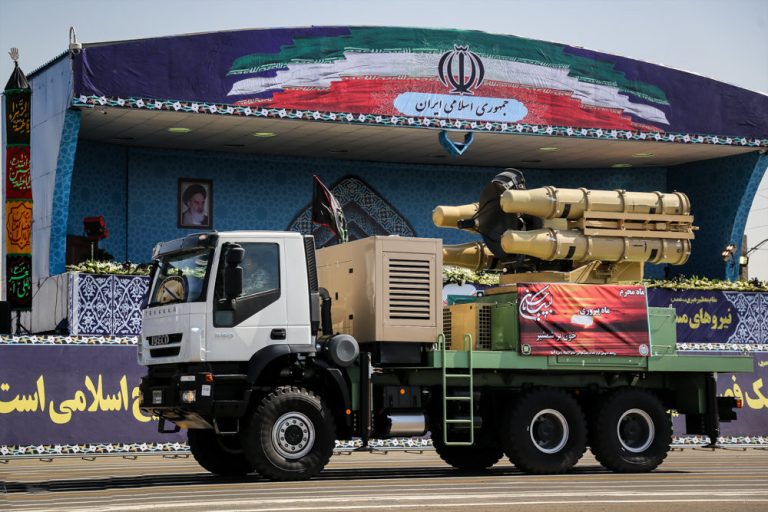
“Hertz-9” Air Defense System / Photo: Wikipedia
Iranian generals are trying to portray their system as capable of responding quickly to threats. Official statements highlight achievements in the development of new radar systems, missiles, and command-and-control systems, as well as plans to integrate electronic warfare and new types of drones into the air defense system.
Conclusion
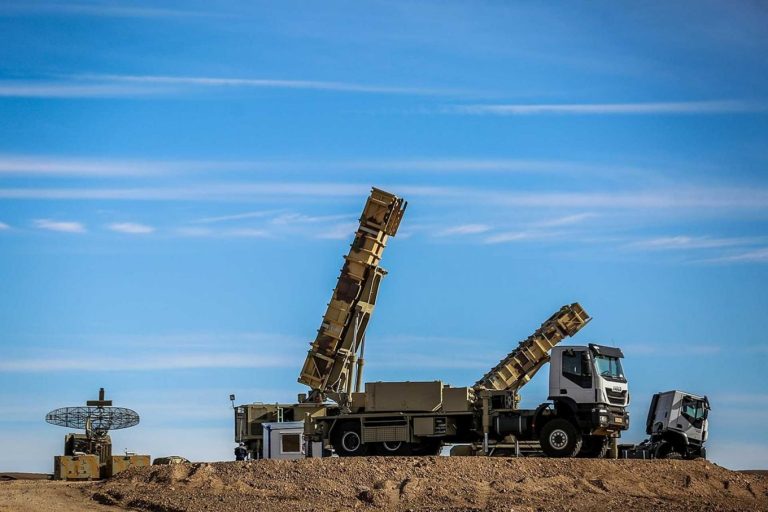
Система ПВО «Талаш» / Фото: Army Recognition
Iran’s air defense network is a complex, multi-layered system that combines foreign and domestic technologies. In theory, it is capable of detecting, tracking, and engaging a wide range of threats at various ranges. However, in practice—based on the results of actual operations and assessments by independent experts—the effectiveness of such a system may be limited when faced with intense, high-tech enemy strikes.
In the current climate of war, Iran’s air defense remains a key element of its defense, but it serves more as a delaying factor than as an absolute barrier to aircraft and precision-guided weapons.
Based on material from https://en.defence-ua.com/analysis/how_strong_is_iranian_air_defense_network-17663.html