Everyday Life in World War III. An American destroyer is ablaze, an Iranian corvette is sinking, and all hell has broken loose in the Persian Gulf. A Chronicle of March 5, 2026

During World War II, the loss and sinking of various ships became a grim routine. New figures appeared daily in the admirals’ reports: sunk destroyers, cruisers, and—even more so—transport ships were often viewed as mere statistics not worthy of the front pages of newspapers. Only the losses of battleships or aircraft carriers—symbols of a nation’s naval power—had any real strategic or moral significance.
Today, the world is entering a similar state of affairs. Attacks on civilian vessels occur every day, and no one pays them any attention anymore. Humanitarian convoys, trade caravans, and private charterers have become a familiar backdrop to the global conflict. For now, only attacks on military ships and major incidents involving energy infrastructure are making headlines. However, yesterday, March 5, 2026, showed that the line between “background noise” and a “strategic strike” is blurring.
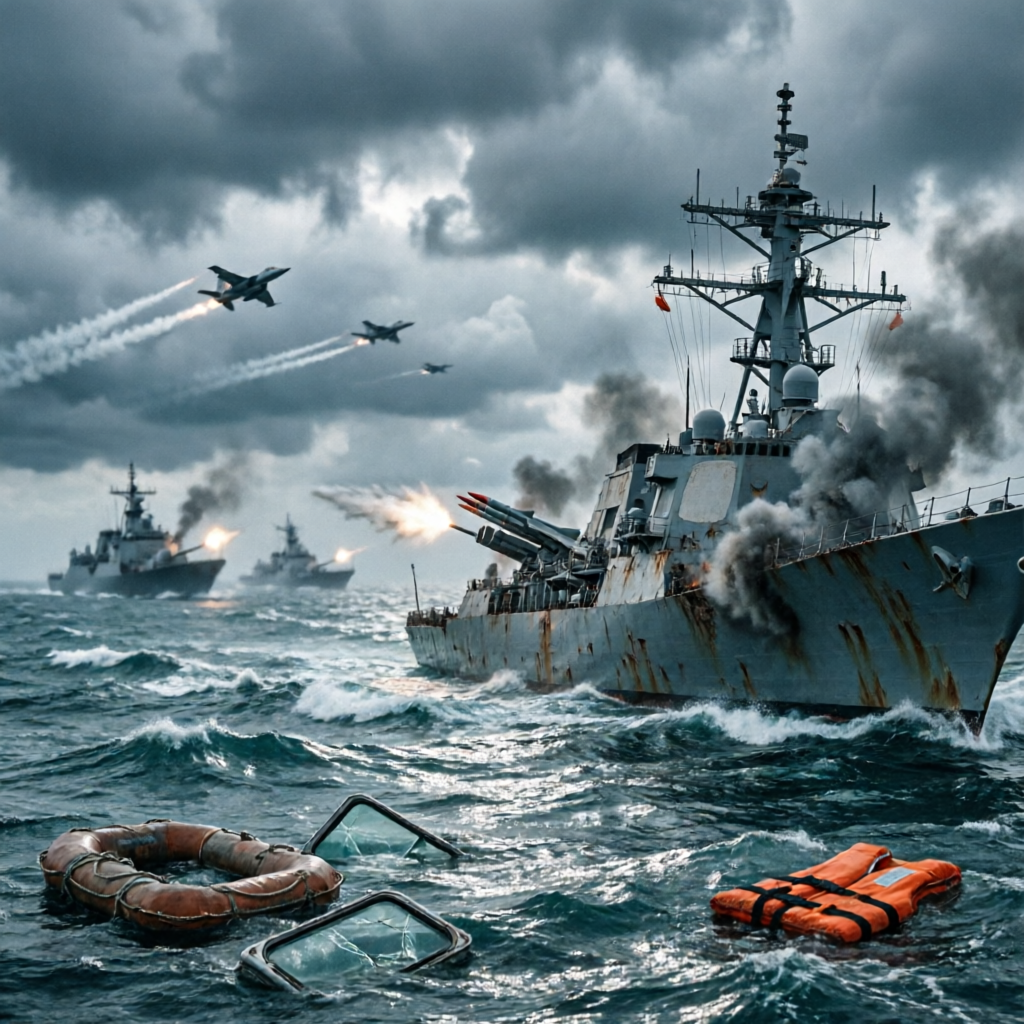
Attack on an Iranian Frigate Near Sri Lanka
The Iranian frigate IRIS Dena was torpedoed by a U.S. submarine in the Indian Ocean on March 4, 2026. The incident occurred approximately 40 nautical miles (74 km) south of Galle, Sri Lanka. At 5:08 a.m. Sri Lankan time (UTC+5:30), the frigate sent out a distress signal reporting an explosion and soon sank.
IRIS Dena is a Moudge-class frigate that entered service in 2021. The ship was returning from the 2026 International Naval Parade and the MILAN joint exercises held in Visakhapatnam, India. At the time of the incident, there were approximately 180 people on board. As of March 5, at least 87 people had died as a result of the attack. Thirty-two survivors were rescued and taken to Karapitiya University Hospital in Galle. Another 61 people are listed as missing.
This is the first confirmed instance of a submarine sinking an enemy surface vessel since the Falklands War (1982) and the first time a U.S. submarine has torpedoed a ship since World War II. U.S. Secretary of Defense Pete Hegset called this engagement a “silent death.”

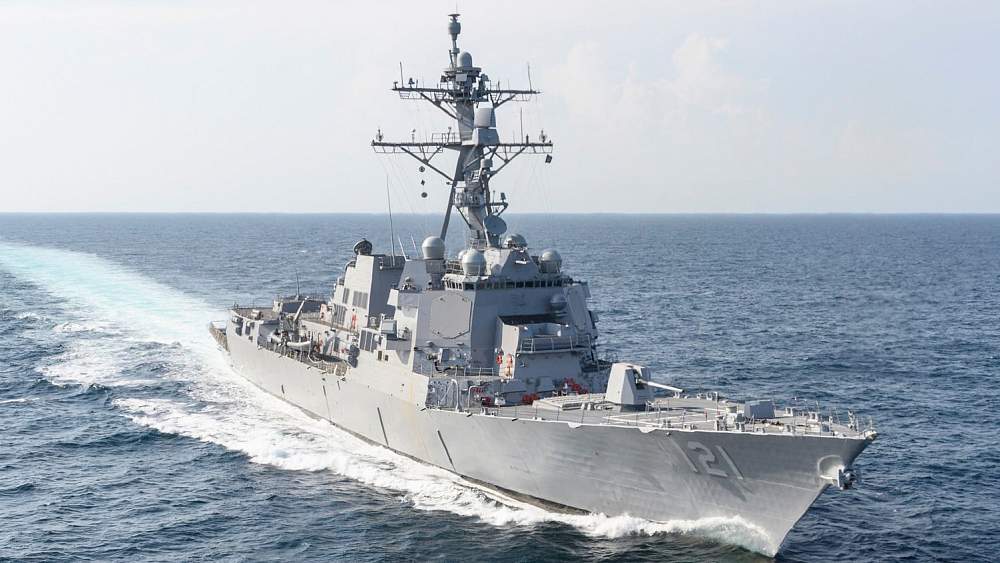
Attack on an Arleigh Burke-class destroyer in the Indian Ocean
According to the Tasnim News Agency, on March 4, the Islamic Revolutionary Guard Corps (IRGC) Navy launched a missile strike against a U.S. destroyer in the Indian Ocean. Qadr 380 and Talaiyeh missiles were fired at the destroyer. The incident occurred more than 600 kilometers off the coast of Iran. At the time of the strike, the ship was refueling from a tanker approximately 650 kilometers off the coast of Iran.
After the strike, a fire broke out on the ship’s deck that was visible even from a satellite. There are unconfirmed reports that a U.S. military tanker was damaged during the same attack. Iranian authorities stated that the attacks on U.S. targets are being viewed as a response to U.S. actions.
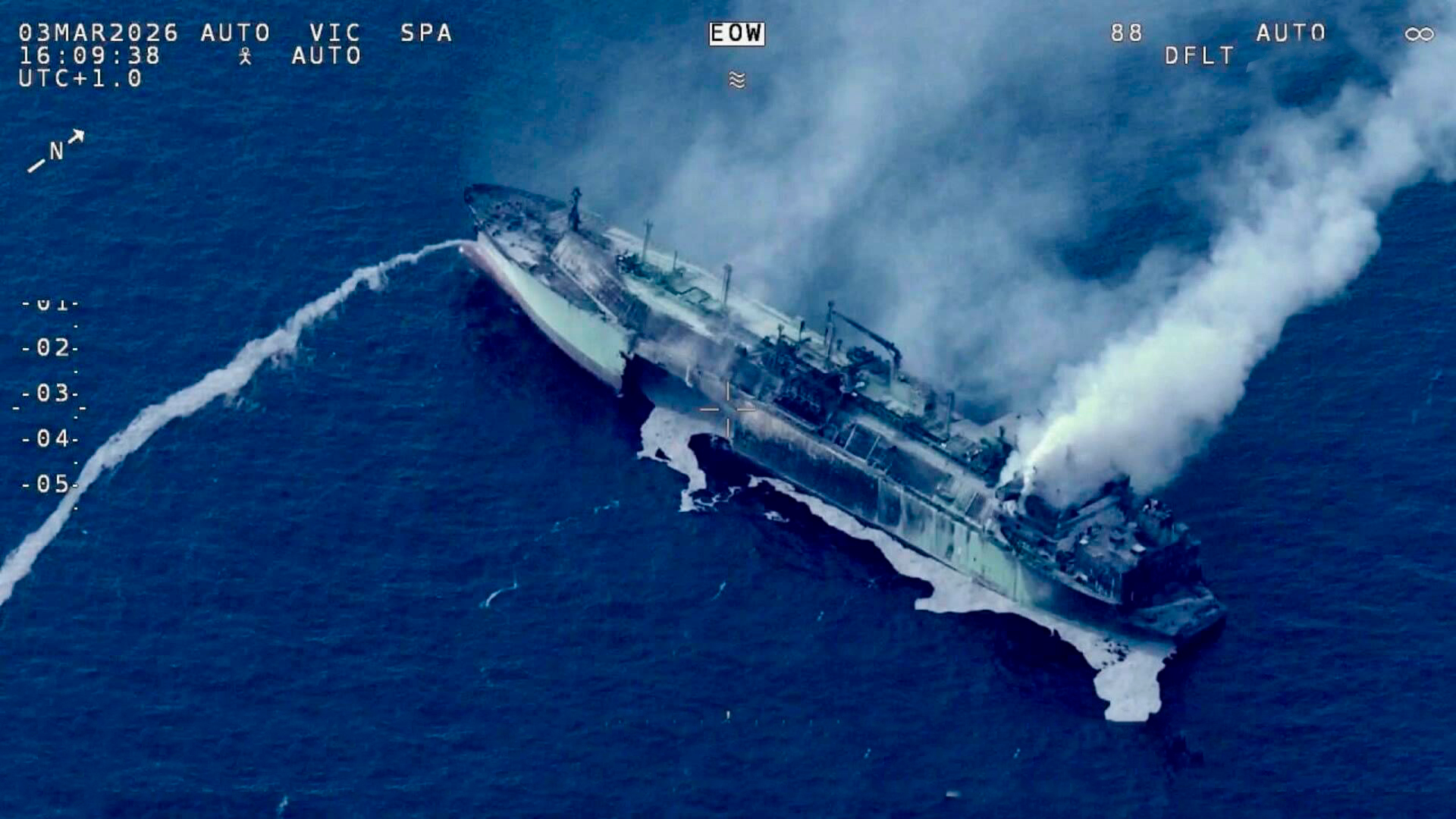
Attack on a Russian Gas Tanker in the Mediterranean Sea
On March 3, the Russian gas carrier *Arctic Metagaz* came under attack near Malta’s territorial waters in the Mediterranean Sea. According to the Russian Ministry of Transport, the vessel, which was sailing from the port of Murmansk, was attacked by unmanned boats of the Ukrainian Armed Forces launched from the Libyan coast. As a result of the attack, the vessel caught fire.
There were 30 people on board, all of whom were Russian citizens. The crew was rescued thanks to the coordinated efforts of Maltese and Russian rescue services. The Russian Ministry of Transport called the incident an act of international terrorism and maritime piracy, as well as a gross violation of international law.
The gas carrier was built in 2003 in South Korea and was owned by the Norwegian company Bergesen. After being registered under the Russian flag in 2025, it was renamed the “Arctic Metagaz.” The vessel was subject to sanctions imposed by the United States, the United Kingdom, and the European Union.
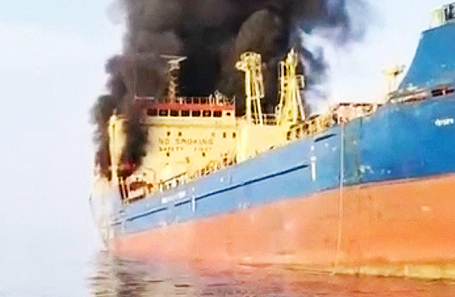
Attack on a ship carrying corn in the Black Sea
On the evening of March 4, a Russian drone struck a Panamanian-flagged civilian vessel in the Black Sea. The vessel was carrying corn and was leaving the port of Chornomorsk (Odesa Oblast).
According to Oleg Kipper, head of Ukraine’s Odesa Regional Military Administration, crew members were injured as a result of the attack. Measures were taken to provide assistance and evacuate the people. He did not specify how many people were injured or what damage was caused to the vessel, nor did he provide the vessel’s name.
Attacks in the Strait of Hormuz
Since the conflict escalated on February 28 (when the U.S. and Israel began bombing Iran), the IRGC has destroyed more than 10 tankers that were passing through the Strait of Hormuz. Iran has repeatedly denied blocking the maritime corridor and has asserted that it regulates shipping in the strait in accordance with international protocols.
Traffic of oil tankers through the Strait of Hormuz came to a virtual standstill on March 1 after two vessels were attacked in the strait and another near the port of Muscat, the capital of Oman. A queue of more than 150 tankers has built up at the entrance to the strait.
These incidents demonstrate an escalation of maritime conflicts that could have serious consequences for global security and the economy.
Destruction of Iranian Navy Ships at Their Home Ports
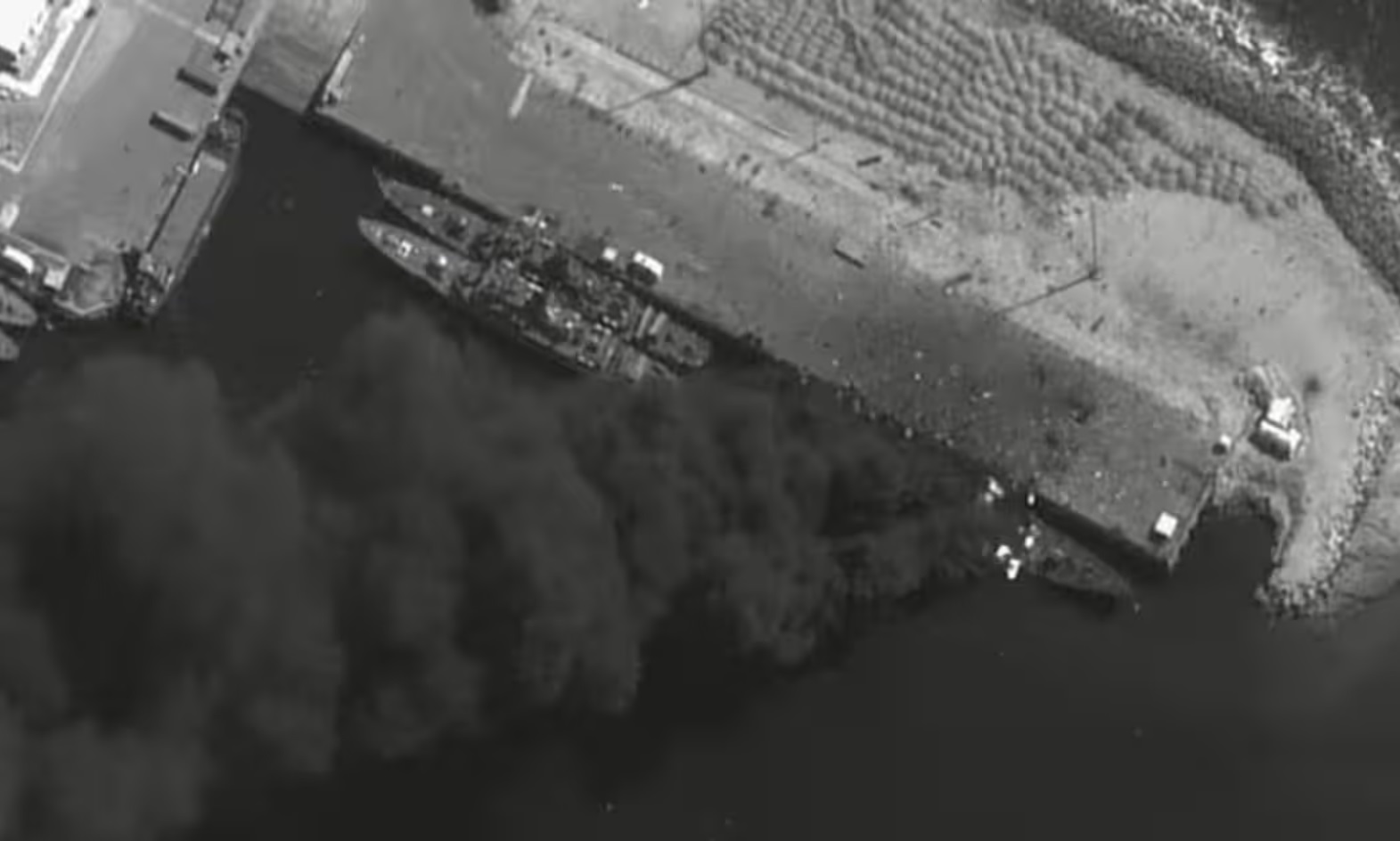
While the world’s attention was focused on the open ocean, critical changes were taking place on the home front. On the night of March 5, a series of powerful explosions rocked Iranian naval bases. Satellite images released by independent analytical groups this morning show burned-out piers and the hulls of at least three Zolfaghar-class missile boats and one Alvand-class frigate.
Conclusion
March 5, 2026, will go down in history as the day when naval warfare ceased to be limited to isolated incidents. The sinking of a U.S. Navy destroyer, attacks on energy tankers in the Mediterranean, and the blockade of the Strait of Hormuz all point to one thing: the ocean is no longer a safe artery for trade. Just as in World War II, we are beginning to get used to reports of sunken ships. The only difference is that today it is not just shipping tonnage that is at risk, but humanity’s entire global logistics system.