The Soviet Response to American “Tomahawks” in Europe: The RK-55 “Relief” Missile System

When it comes to missile systems that were decommissioned and scrapped while still brand-new, the “Oka” strategic missile system is the one most often mentioned.
But there was another striking example in our history. This complex was built in record time at the height of the arms race with the United States, and it faded into obscurity just as quickly.
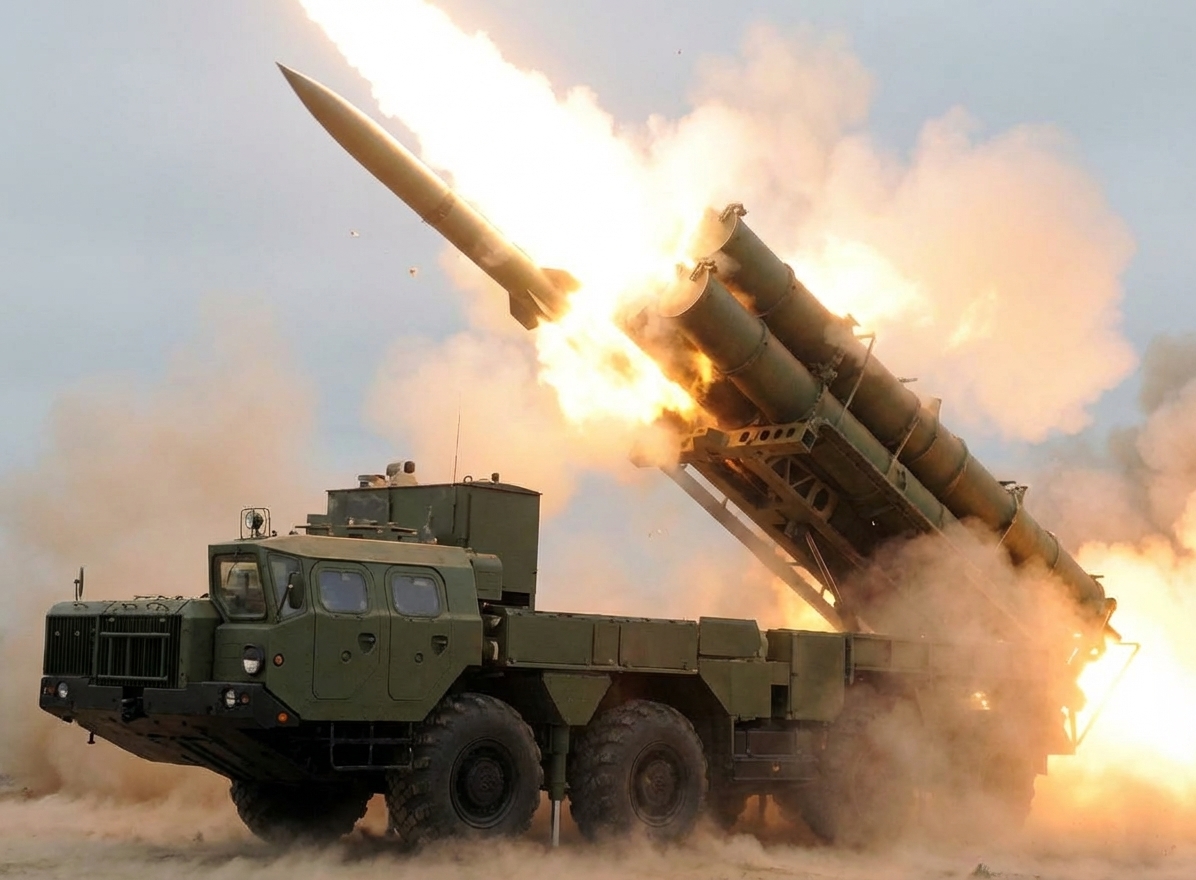
Today we’ll be discussing the RK-55 “Relief” mobile missile system equipped with long-range cruise missiles.
Contents:
A Child of the Arms Race
The 1980s are often remembered as a time marked by the end of the Cold War and a sharp thaw in relations between the USSR and Western countries. However, this is true to a greater extent of the second half of the decade.
The first Five-Year Plan, however, marked the very height of the Cold War and the arms race. Tensions in international relations were escalating, and more and more short- and medium-range missiles were being deployed in Europe and throughout the USSR—missiles capable of reaching enemy territory in a very short time.
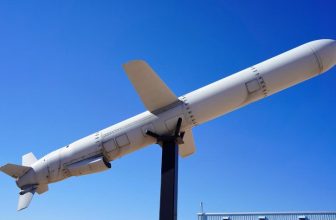
In 1983, the United States began deploying its latest strategic system in Europe, the BGM-109G Gryphon (GLCM) cruise missile—a variant of the BGM-109 Tomahawk naval cruise missile. They were launched from a mobile semi-trailer launcher, each of which could carry four missiles.
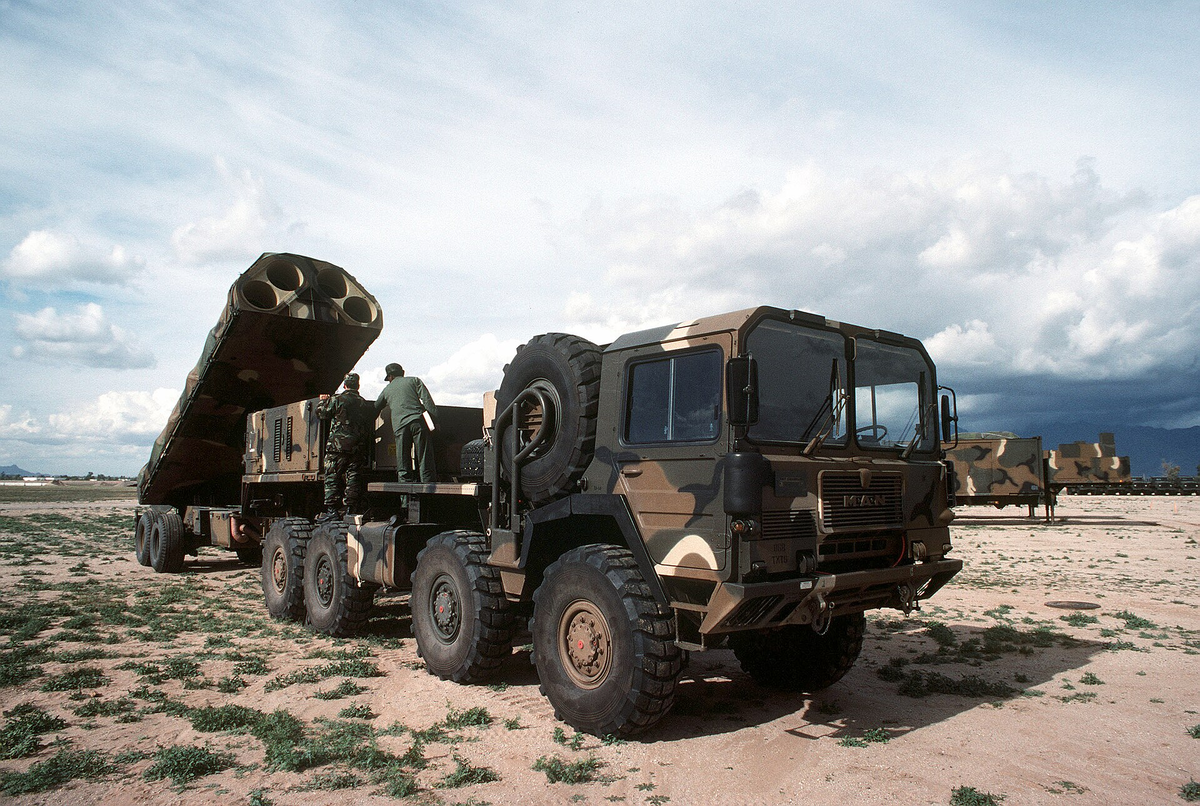
The TEL (Transporter, Erector, Launcher) of the BGM-109G Gryphon (GLCM) system. TEL is an acronym that stands for Transporter, Erector, Launcher. I tried to come up with an adequate Russian translation based on the words, but it’s simply impossible. The closest equivalent in Russian is “SPU,” which stands for “self-propelled launcher.”
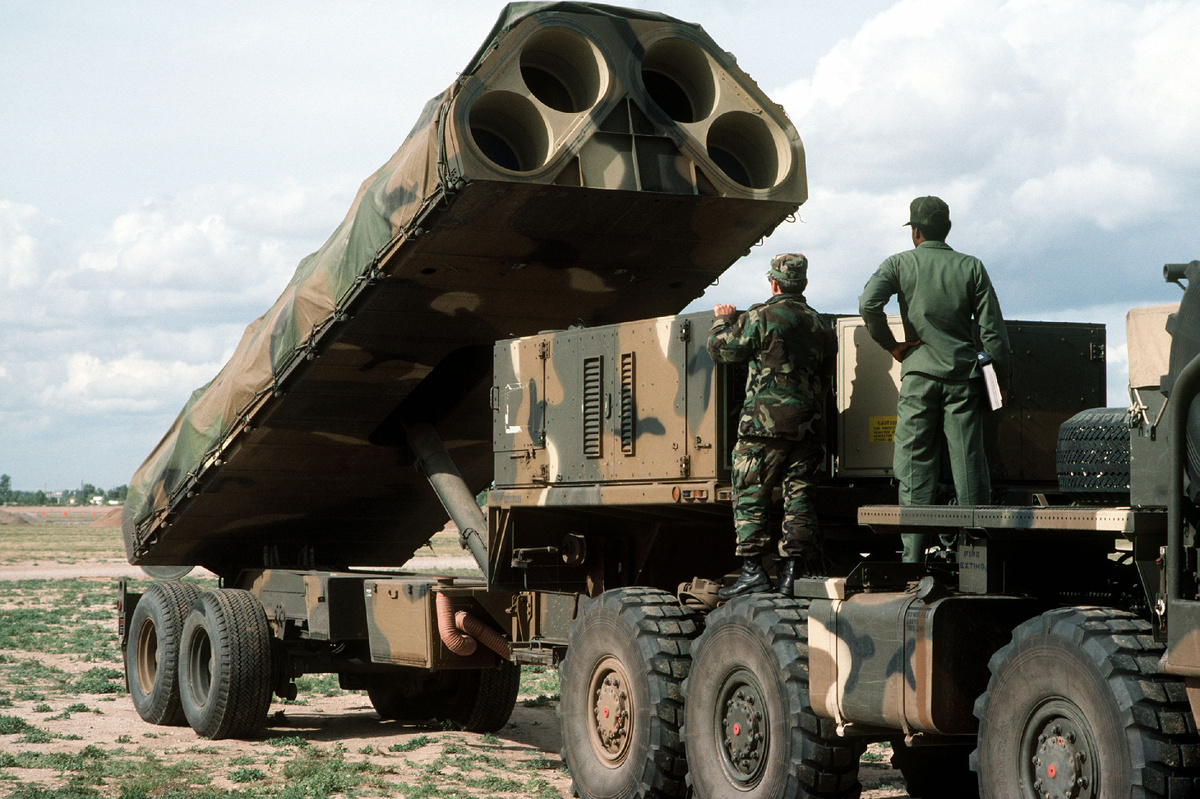
A closer view
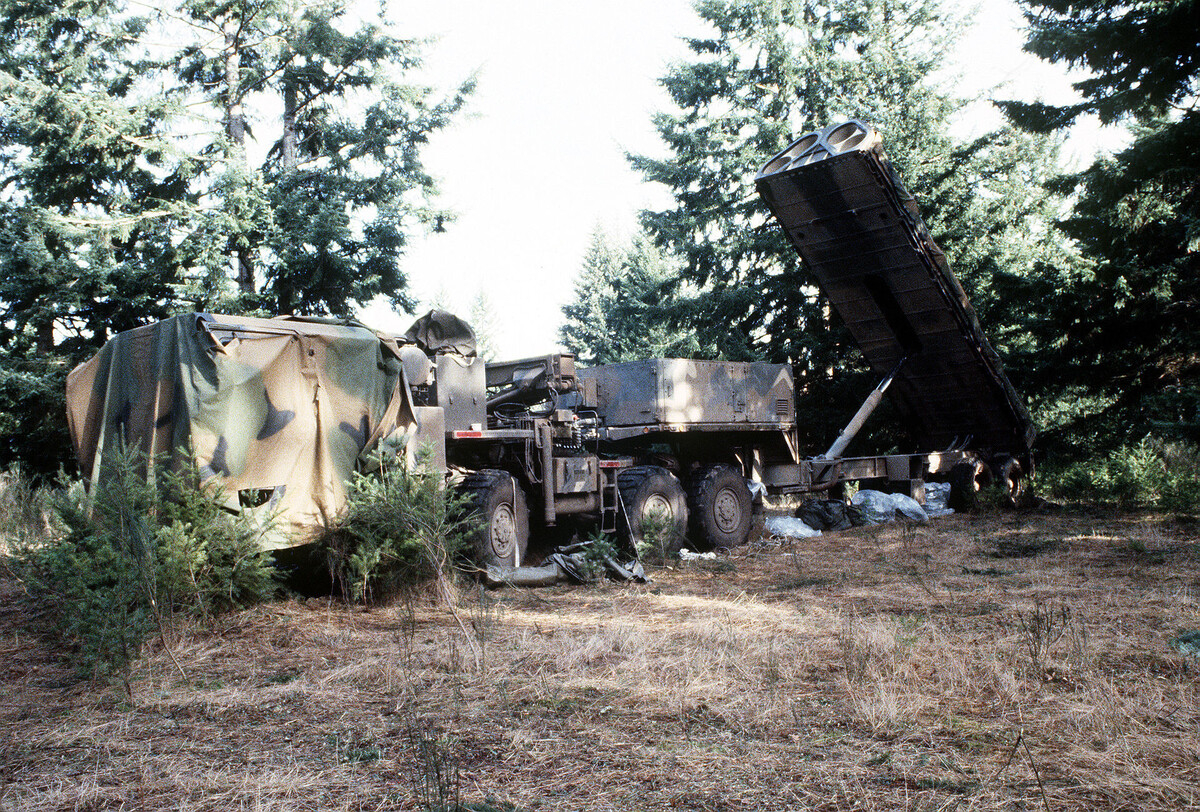
TEL is pretending to be a Christmas tree. Not very successfully.
The “Griffins” were deployed at six bases: two in the United Kingdom and one each in Belgium, the Netherlands, West Germany, and Italy. Each base housed four launchers, which were kept on combat alert in special, protected GAMA shelters. All in all, it was a challenging mission.
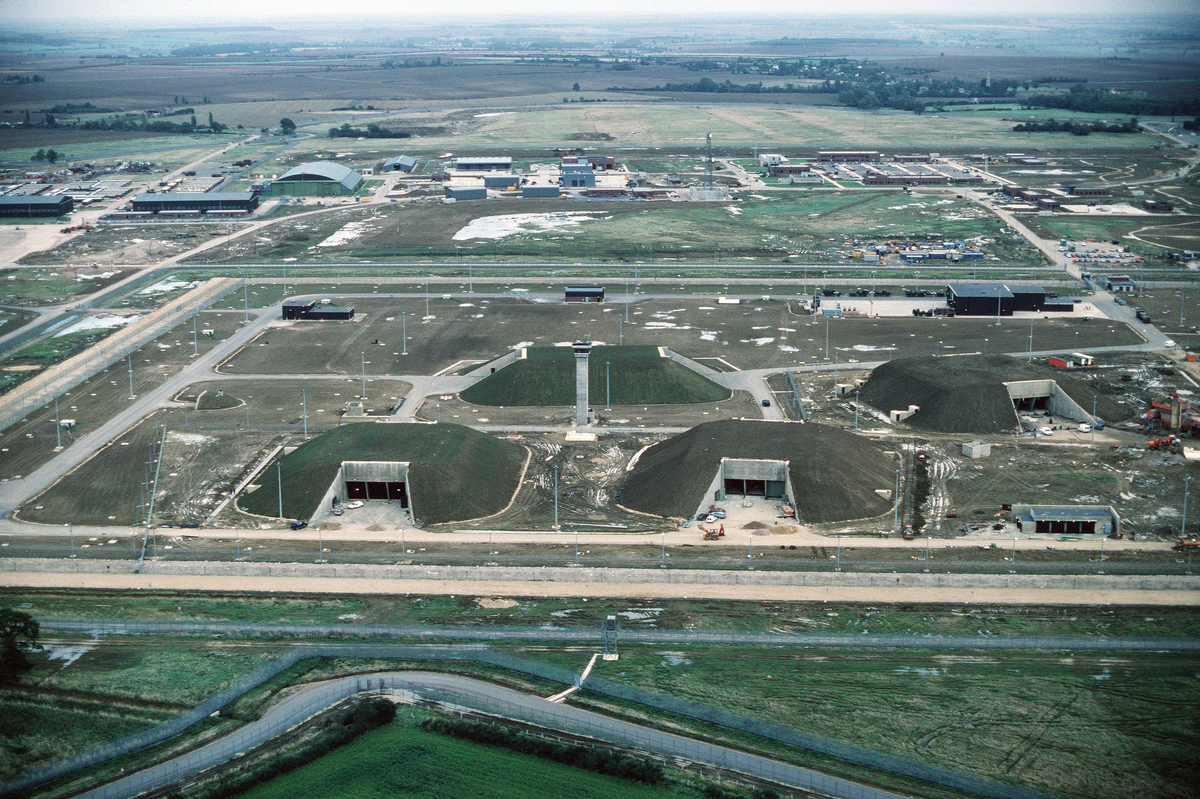
Thus, a total of 24 launchers, each capable of carrying 4 missiles, were on duty at just six bases—meaning a total of 96 cruise missiles in a single salvo. That might not seem like very many. But each one carried a nuclear warhead with a yield of up to 150 kilotons, had a maximum range of 2,650 km, and a circular error probability of just 30 meters.
Another important factor is the missiles’ flight profile. The BGM-109G missiles flew toward their targets at extremely low altitudes, hugging the terrain, which made it very difficult for air defense systems to detect and engage them.
In theory, the “Griffins” could have been used to launch an initial “disabling” strike against decision-making centers and the deployment sites of Soviet missile systems. Of course, 96 missiles were not enough to completely destroy the Soviet nuclear arsenal, especially since a significant portion of it was located outside the European territory of the USSR. However, even a few missiles getting through could have caused serious damage. Moreover, the cruise missile strike could have been carried out in conjunction with Pershing II medium-range ballistic missiles.
Why am I telling you all this? The point is that in 1983, the Soviet military leadership decided that we needed a similar system as well. Given the tensions in international relations, it was necessary to complete the design work and begin production as quickly as possible—within two years.
From the Sea to the Shore
There was nothing impossible about creating a mobile complex equipped with long-range cruise missiles (KBRD). At that time, the USSR was already preparing for mass production of the Kh-55 missile for strategic bombers and the S-10 “Granat” for launch from submarine torpedo tubes. Both missiles had a sufficient range of 2,500 km.
The complex, which included ground-based KBRDs, was assigned to the Air Force’s area of responsibility. Therefore, it was initially planned to designate the Raduga Design Bureau—which operated on behalf of the Air Force—as the lead contractor. However, Defense Minister Marshal Dmitry Ustinov intervened.
He instructed that the project be handed over to the “Novator” Design Bureau, which had been working on the “Granat.” Of course, it would have been more convenient for Air Force leadership to work with “their own” company, but Ustinov came to the logical conclusion that a missile designed for sea-based launch could be adapted for a land-based system much more quickly. This was especially true given that, as part of the S-10’s testing, it had already been launched from a ground-based launcher.
The project was given the code name “Relief.” The internal designation of the product at the “Novator” Design Bureau is KS-122.
Creation
Work proceeded at an unprecedented pace: as early as 1984, prototype vehicles that were part of the complex had been assembled and tested autonomously (without rockets) at the Start National Production Enterprise.
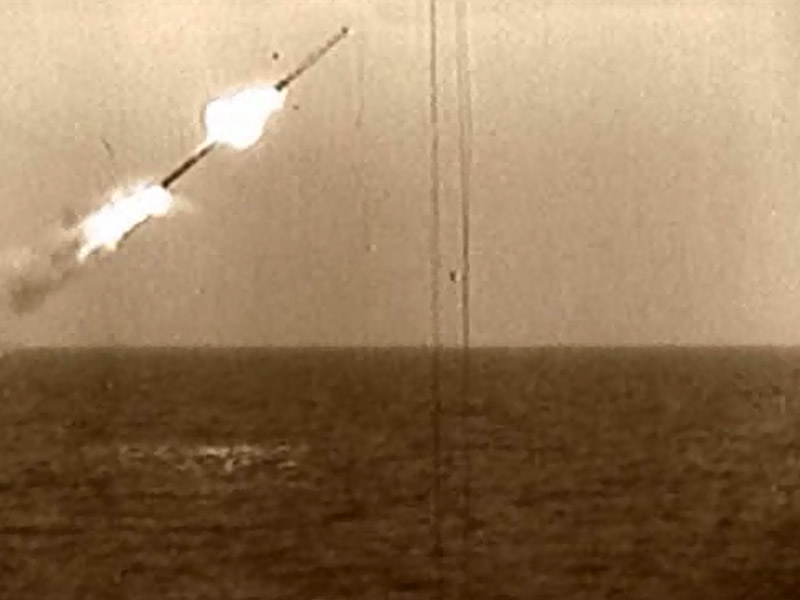
Test launches of the missiles also began shortly thereafter. In total, between 1984 and 1986, four test launches of mock-up missiles and six launches of fully combat-equipped missiles (excluding the special warhead). There is no detailed information about them, but there is every reason to believe that there were no problems. This is logical, since by the time the “Relief” tests began, nearly 30 launches had already been conducted as part of the “Granat” tests.
A land-based launch was simpler than a sea-based one: for launch from a submarine’s torpedo tube, the S-10 missile was placed in a special casing, which it left once the entire assembly had emerged from the water. For launch from a land-based launcher, no such complications were involved.
They managed to meet the deadline: the system was adopted for service in 1986. The documentation for launching mass production was transferred to the Kalinin Machine-Building Plant in Sverdlovsk, and production of the first batch began shortly thereafter.
Features and Capabilities
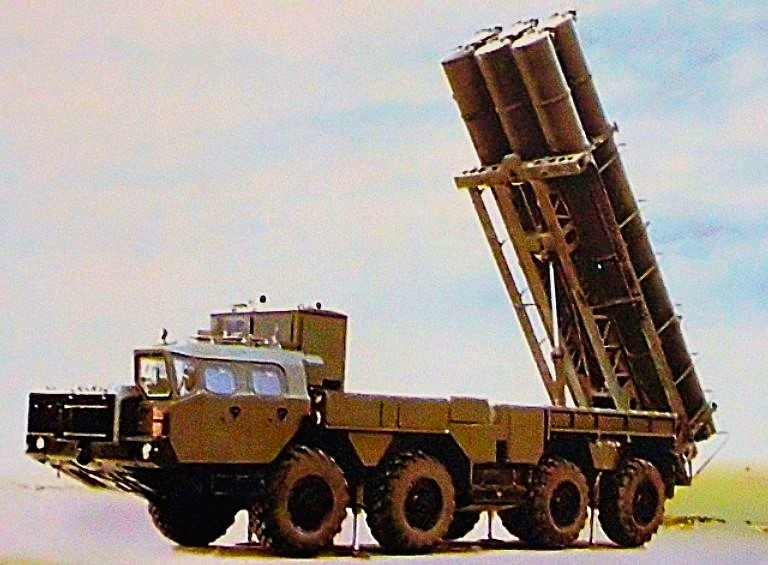
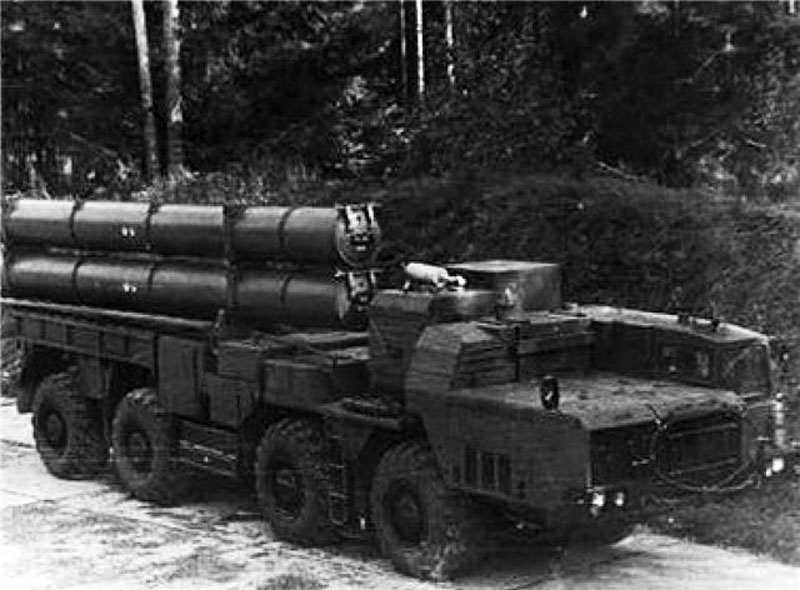
The “Relief” autonomous self-propelled launcher was based on the MAZ-543M chassis manufactured by MZKT. The swing-out section housed transport and launch containers holding up to six missiles.
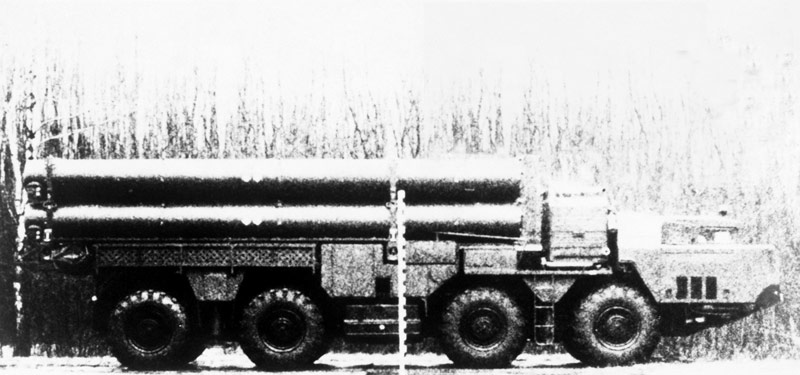
ASPU RK-22 “Relief.”
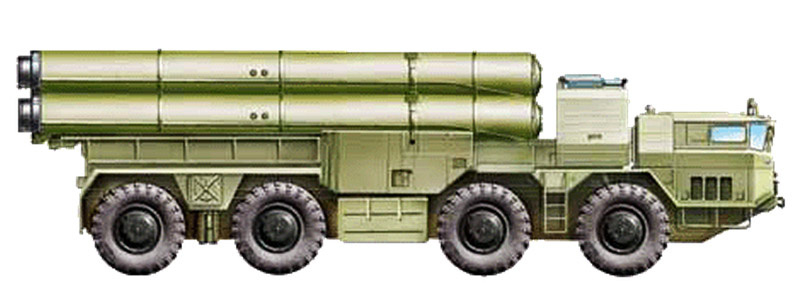
The KS-122RS rocket was launched from the launch complex using a solid-fuel booster; during the cruise phase, it was propelled by an R-95-300 turbojet engine. After launch, the wings extended from their compartments in the fuselage.
The missile was capable of engaging stationary targets with known coordinates at a range of up to 2,600 km.
The guidance system is an autonomous inertial system with corrections provided by a reliefometric correlation-extreme correction system. Simply put, the missile cross-referenced its flight path with pre-prepared digital terrain maps.
Cruising speed: up to 0.9 Mach (approximately 1,073.93 km/h); flight altitude: up to 200 meters.
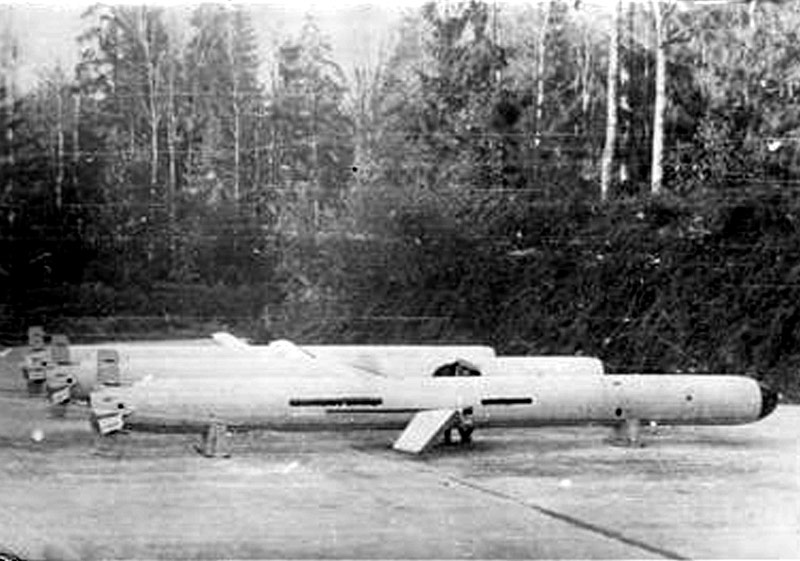
The warhead—a 20-kiloton nuclear warhead—is identical to the S-10 “Granat” warhead. There is no information regarding the existence of non-nuclear warheads for this system.
The Final
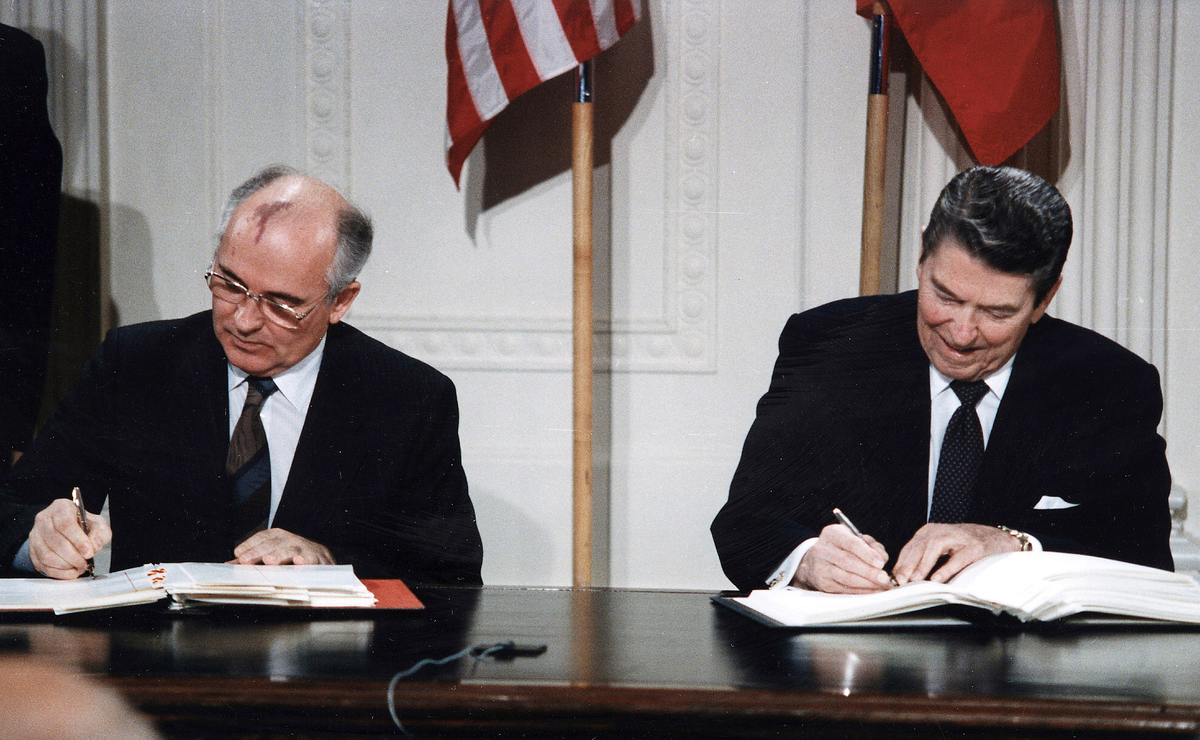
On December 8, 1987, the USSR and the United States signed a treaty under which the parties agreed to eliminate intermediate- and shorter-range missiles. According to the treaty, ground-based missile systems equipped with ballistic and cruise missiles with ranges from 500 to 5,500 km were to be dismantled.
By the time the treaty entered into force, only a pilot batch of the RK-55 “Relief” had been produced, consisting of at least six self-contained launchers and 80 missiles for them. They were in trial operation for some time.
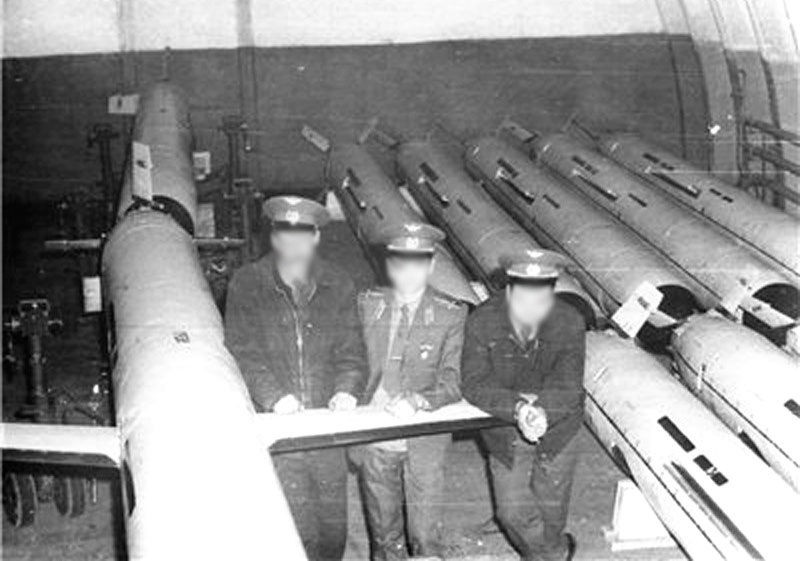
In the fall of 1988, all the missiles were destroyed by detonation at a Soviet Air Force base in Jelgava (Latvian SSR) under the supervision of U.S. observers. There is no detailed information regarding the ASPU. Most likely, the vehicles were stripped of their components, and the chassis themselves could have been reused for other systems or in the national economy.
Thus, the systems—which were still in the early stages of being fielded by the military—were destroyed along with all their ammunition.
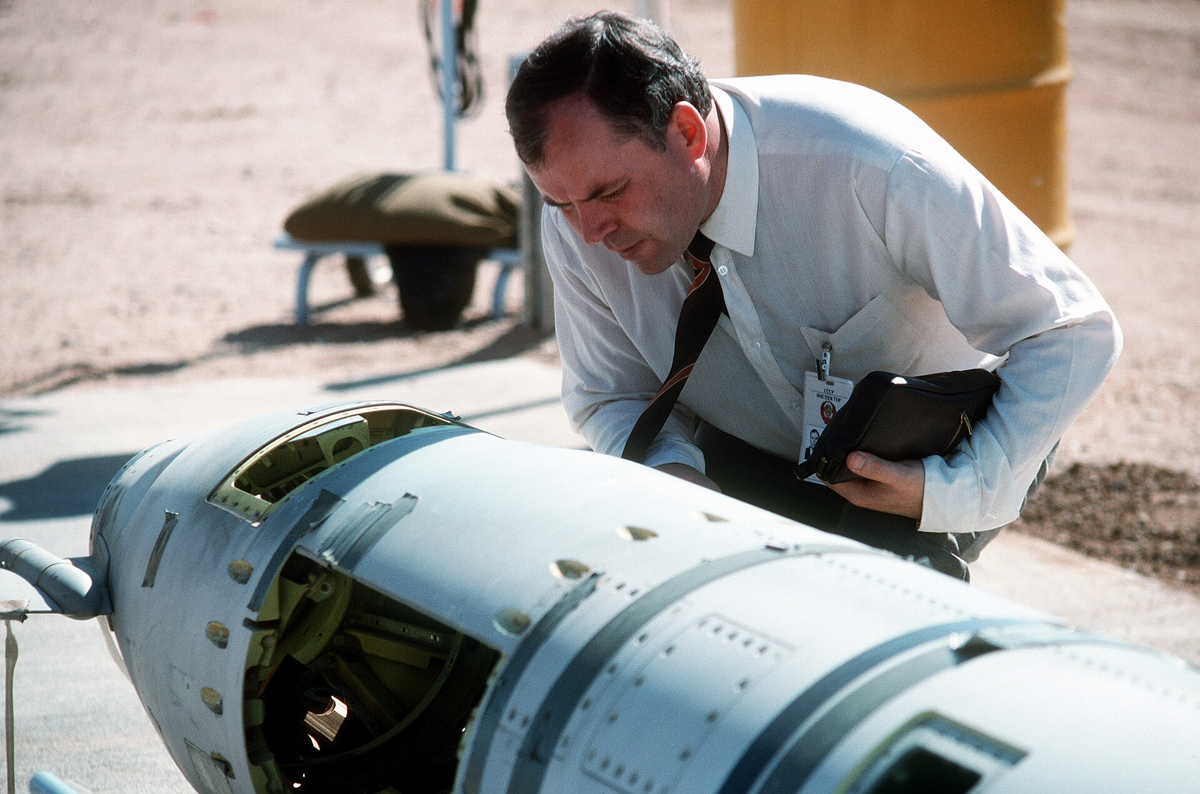
And what about the American “Griffons”? They were removed from Europe and destroyed through 1991. Contrary to a popular claim circulating online, the missiles were not disassembled and stored, but were cut into pieces using a reinforced cutting wheel under the supervision of Soviet observers. Only eight demilitarized missiles were preserved for display in museums.
Let’s start over
In 2019, the United States announced its withdrawal from the INF Treaty, accusing Russia of violating it. Russia, for its part, had maintained until very recently that it was unilaterally adhering to a moratorium on the deployment of intermediate- and shorter-range missiles. However, just a few days ago, it renounced that moratorium as well.
In 2023, the United States adopted the Typhon multi-purpose missile system, which is essentially a transporter equipped with a Mk 41 VLS (Vertical Launch System) capable of launching both Tomahawk cruise missiles as well as SM-6 anti-aircraft missiles. More precisely, they are no longer strictly anti-aircraft missiles, but rather multi-purpose missiles; for example, they can engage surface targets.
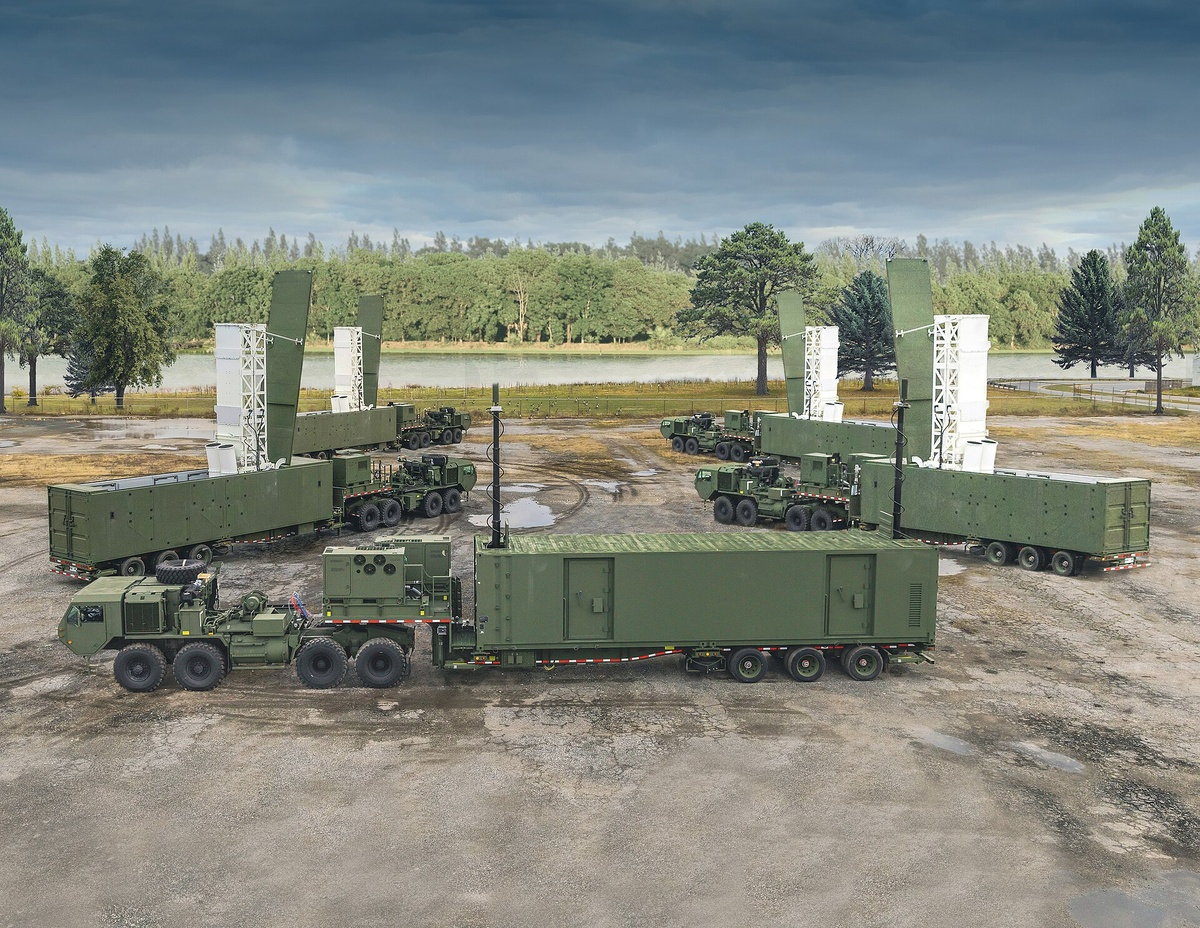
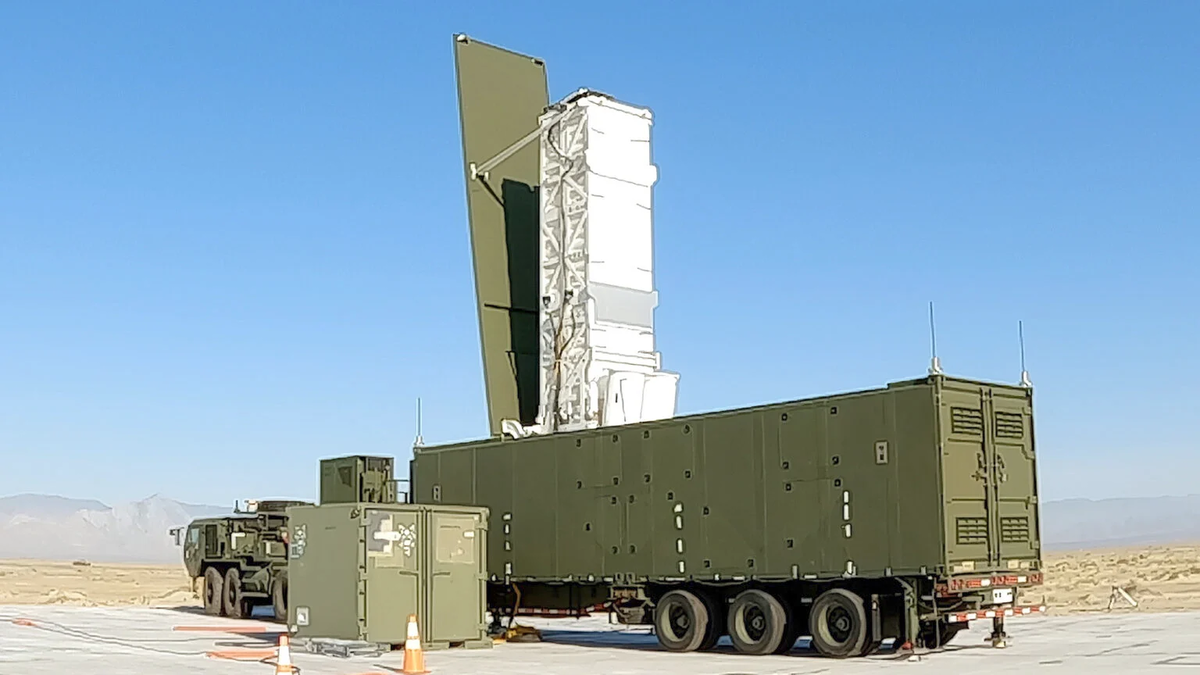
So far, the new systems have been deployed only in the Pacific region, but given the current circumstances, their arrival in Europe is only a matter of time. For example, Germany has already expressed its interest in purchasing “Typhoons.”
How will Russia respond? It would be no problem to implement something similar, using the long-established ZS-14 universal ship-based missile systems (UKSK) as a basis, from which everything from “Kalibr” missiles to hypersonic “Zircon” missiles can be launched.
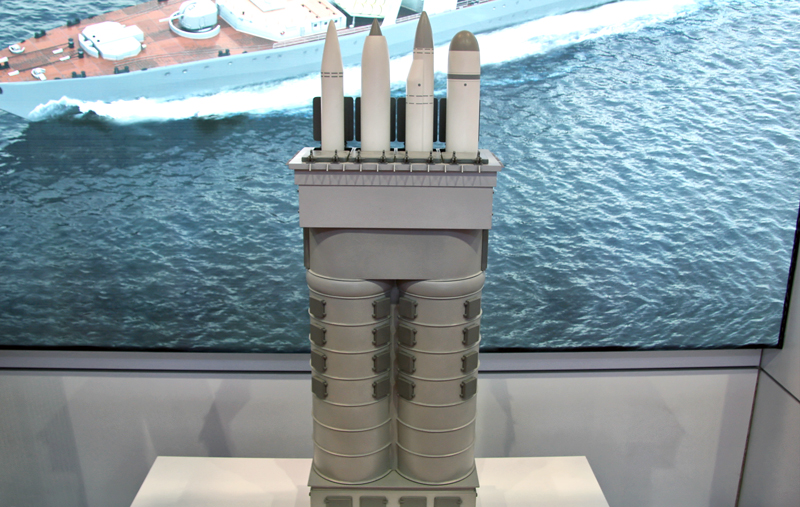
So that’s how the story turned out. It’s quite relevant in light of recent events.
Source — https://dzen.ru/a/aIpg4xW07EJjqcQ-