Sometimes the future doesn’t look like a sleek airplane.
It looks like a huge machine that isn’t even supposed to fly.
The Mi-6 is a perfect example.
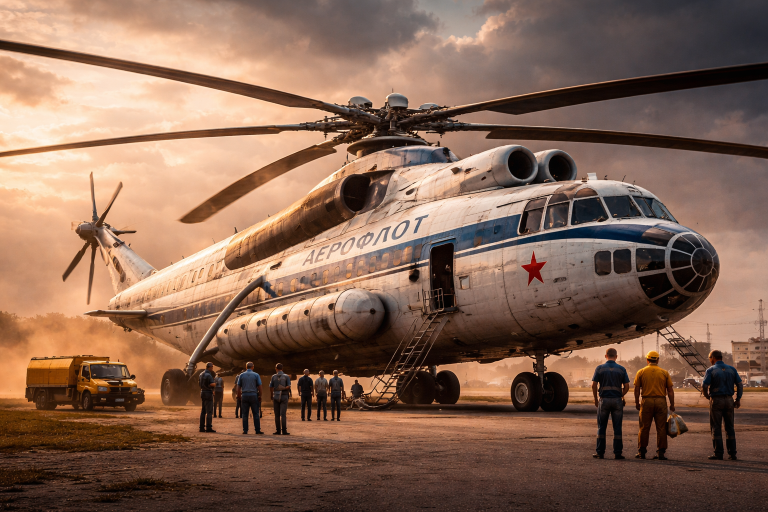
A gigantic helicopter, larger than some airplanes, more powerful than most aircraft of its time… and, strangely enough, there was once an attempt to turn it into a passenger airliner.
Yes, a helicopter.
It can carry dozens of people.
Contents:
The largest helicopter of its time
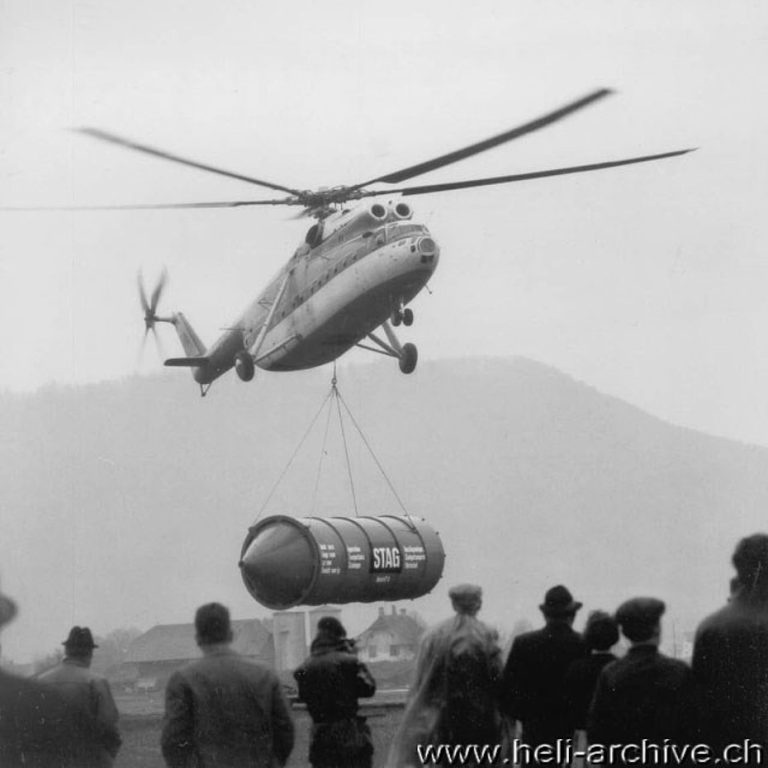
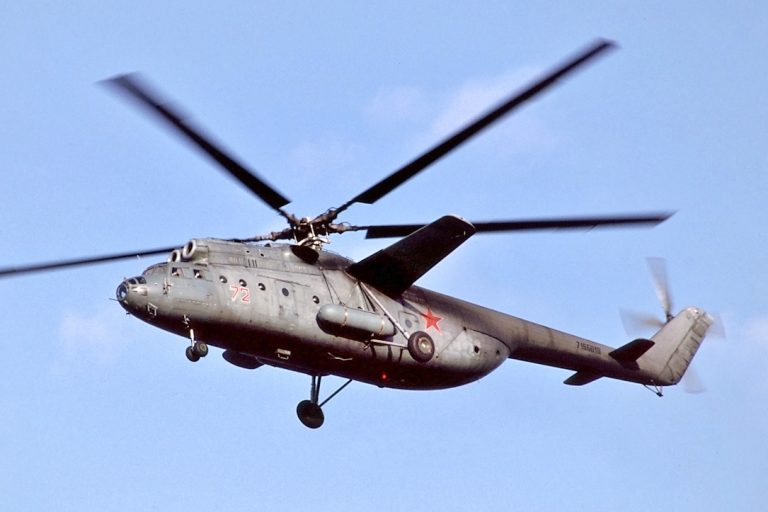
When the Mi-6 first took to the skies in 1957, it seemed like a defiance of common sense.
It was enormous.
So much so that it rivaled transport aircraft like the C-130 in length.
And yet—it was a helicopter.
Two turbines, a massive gearbox, and a rotor nearly as wide as a soccer field. A machine capable of lifting up to 12 metric tons of cargo and reaching speeds unattainable by most rotorcraft of the time.
He set records.
He hauled equipment, rockets, and entire structures.
But the most interesting part came later.
When They Decided to Turn a Helicopter into an Airliner
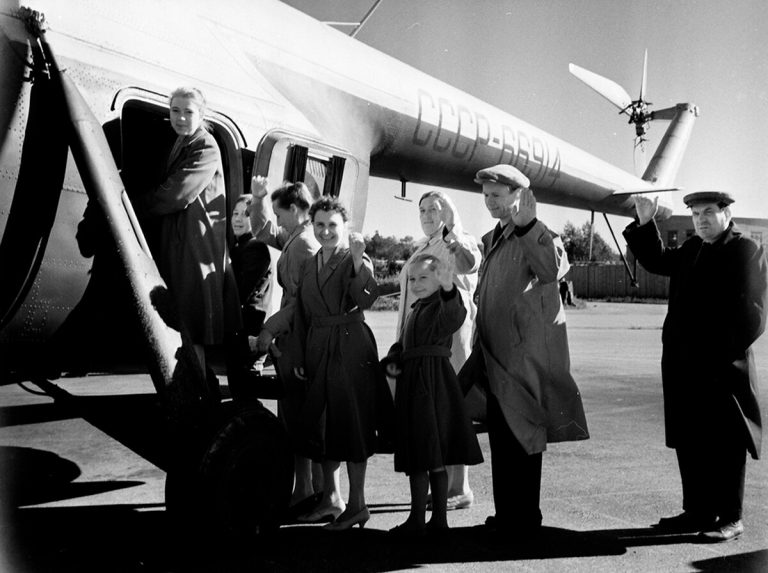
What if we used a helicopter like this as a passenger vehicle?
That is how the Mi-6P project—the “passenger” version—came about.
The interior was designed to seat up to 80 people—almost like on an airplane.
Imagine this: a huge helicopter lands somewhere in Siberia, in a place with no runway. People get on board—and take off.
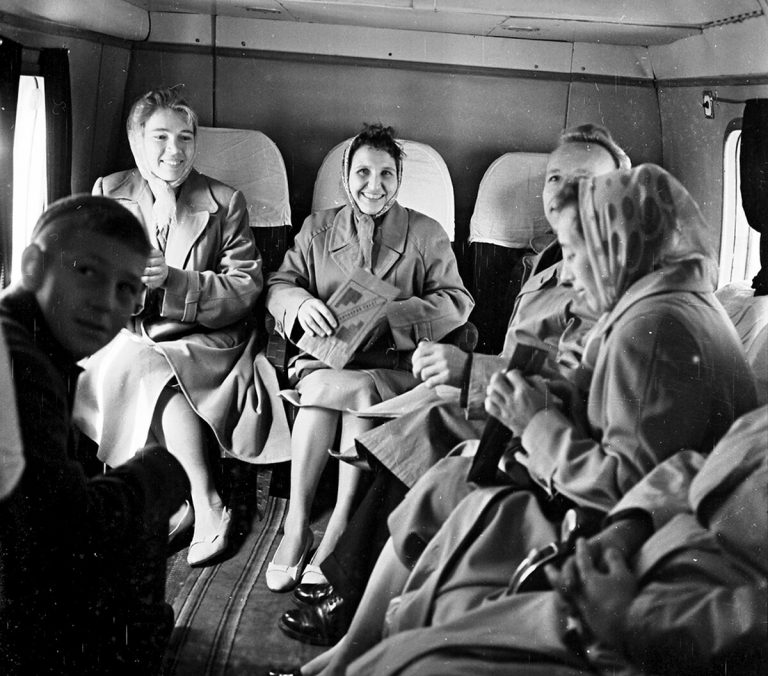
No airports.
No infrastructure.
It’s simple—from point A to point B.
Why the idea seemed brilliant
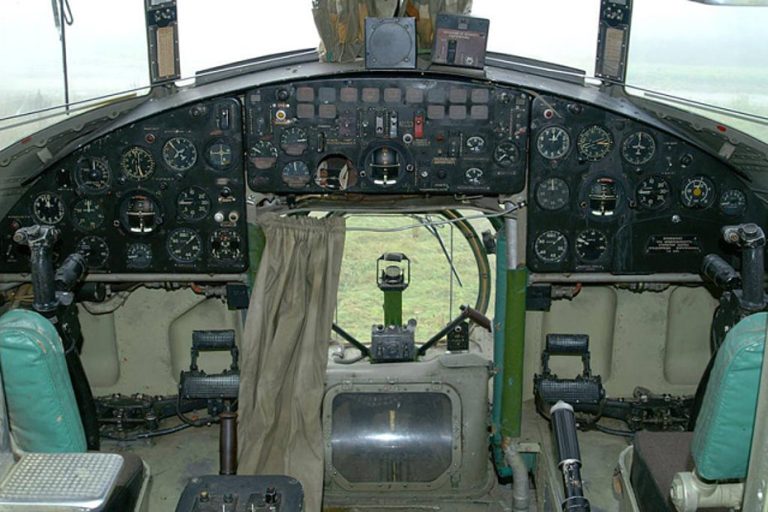
There’s one problem with the map of the Soviet Union—distances.
Vast expanses with no roads. No airfields. Just forest, snow, and distance.
And under these circumstances, the Mi-6 seemed like an almost ideal solution.
He could have:
- land where the plane cannot
- transport dozens of people
- to work in an environment where there is nothing
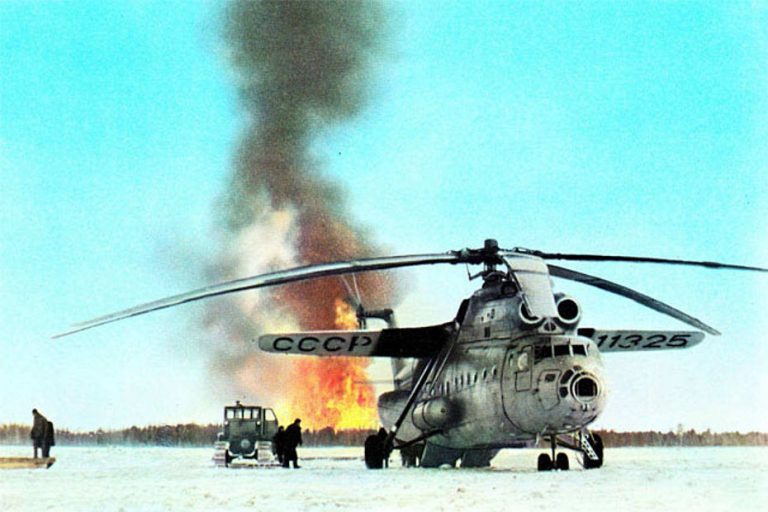
It wasn’t just a helicopter.
It was an attempt to create an airbus for a remote area.
Why Didn’t He Become the Future?
And in the case of the Mi-6, it turned out to be too high.
A helicopter is always:
- extremely high fuel consumption
- complex maintenance
- severe vibration and noise
And when a helicopter becomes gigantic, all these problems grow along with it.
Yes, it could carry passengers.
But it was too expensive.
Too complicated.
Too inefficient compared to airplanes.
In the end, the project remained an experiment.
The Machine That Changed the World Anyway
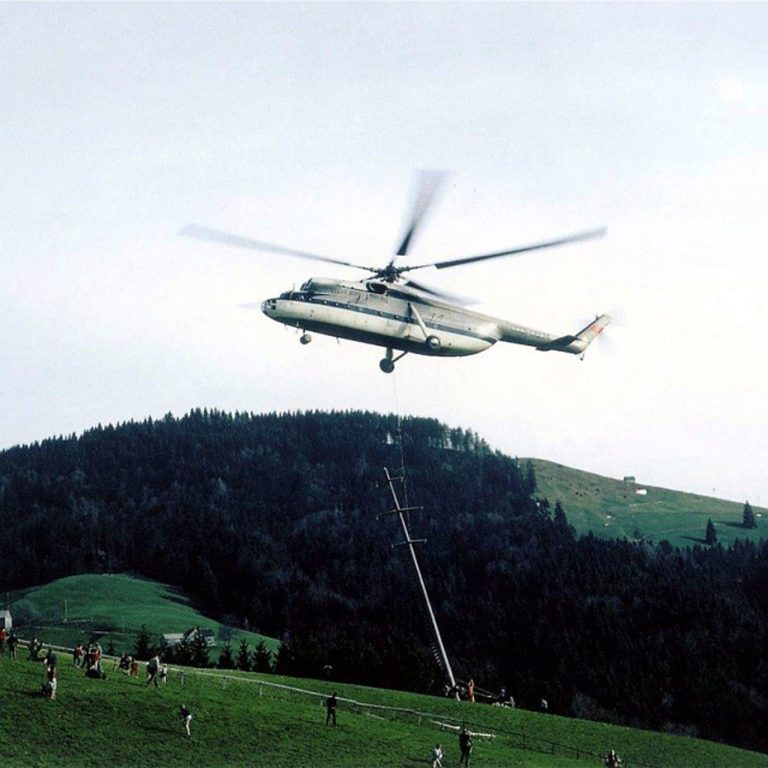
But that doesn’t mean it was a mistake.
It laid the foundation for everything that came after. It was this helicopter that demonstrated that a helicopter could be more than just a machine—it could be a tool for developing entire regions.
And in a way, he did accomplish his mission after all.
It just didn’t turn out the way it was supposed to.
An Airplane Without Wings
The history of the Mi-6 is the story of an idea that turned out to be too bold.
A helicopter that’s too big.
A role that’s too ambitious.
An attempt, made too early, to make the impossible seem ordinary.
But it is precisely these kinds of projects that drive technological progress.
Because sometimes you have to build a flying bus…
just to realize that you don’t need one.