Are F-35s being delivered to the U.S. Air Force without radars? It looks like that's exactly what's happening.

Behind much of the sensational news about modern fighter jets, there are sometimes uncomfortable but important facts. One such story from 2026 involves a controversial issue with the software and hardware components of the detection systems on the new American F-35s.
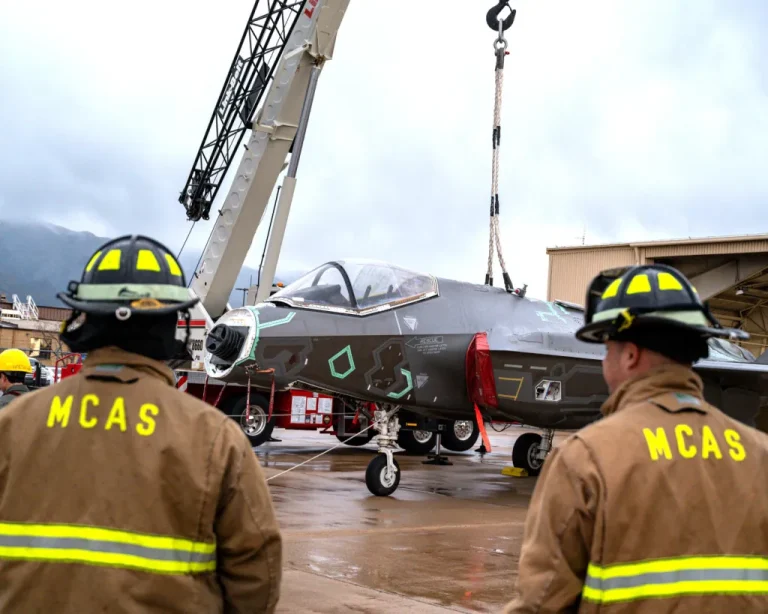
The U.S. Air Force and its contractors promised that the aircraft would be delivered fully equipped and combat-ready. However, according to several sources and military analysts, it appears that some of the F-35s being delivered are not, in fact, fully equipped with radar antennas, meaning they cannot use their key navigation and combat systems.
What exactly is the problem?
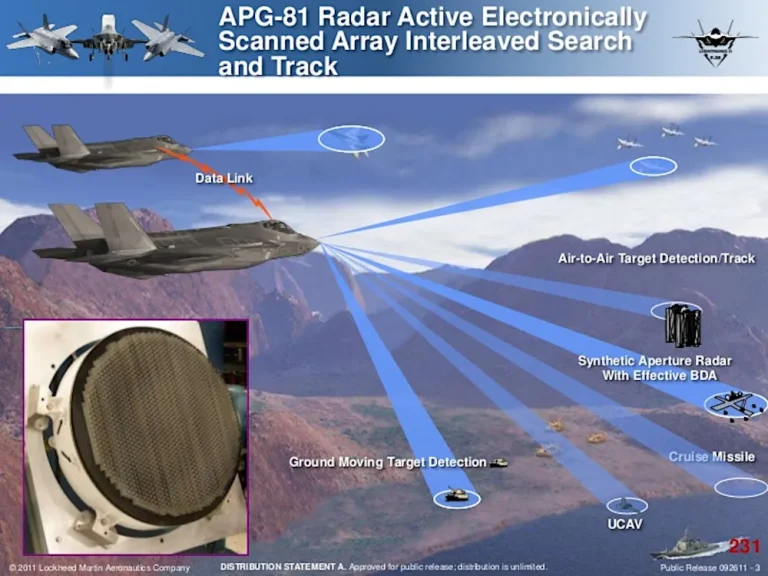
The F-35 Lightning II fighter jets are equipped with one of the most complex and expensive combat radar systems in the world—the AN/APG-81 (a three-twist active electronically scanned array, or AESA). This system performs several tasks simultaneously:
- highly accurate surveillance scanning of the airspace;
- tracking of air and ground targets;
- navigation in the presence of electronic interference;
- collection of specific data for weapons.
Without it, a fighter jet cannot effectively conduct aerial combat patrols in modern conflicts—it’s like giving an infantryman an assault rifle but blocking the sight.
According to reports, the batches of aircraft delivered over the past year have arrived at their bases without a full set of AN/APG-81 antennas. In some cases, the aircraft were missing active modules from the array; in others, temporary placeholders were installed in place of the final equipment.
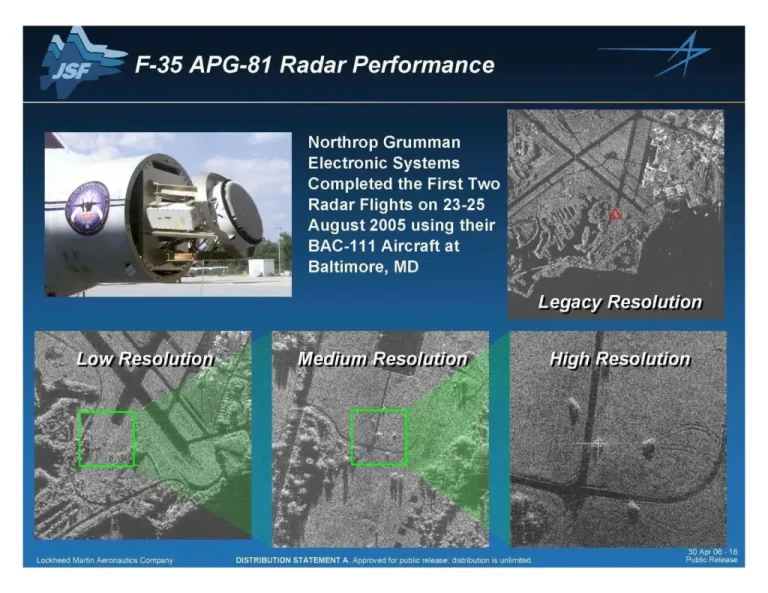
This means that although the aircraft is technically “assembled,” its capabilities in terms of surveillance, target tracking, and combat operations are severely limited.
How did that happen?
The answer lies in a combination of complex technical factors and software glitches in the supply chain:
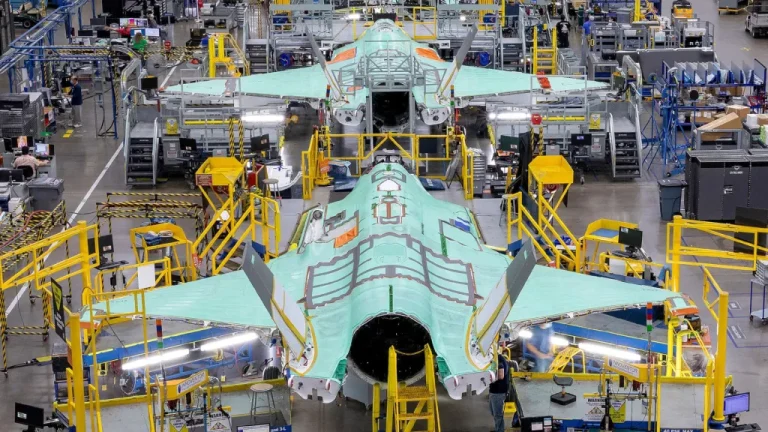
- Production Optimization. The military and contractors are striving to meet the growing demand for the F-35, so in an effort to speed up production, some aircraft leave the factory while “some components are still in transit.”
- Component shortages. The production of the APG-81 itself is a multi-stage manufacturing process in which each active antenna section must be thoroughly tested. These components are often a bottleneck, and delays in their production create logistical bottlenecks.
- Increase in Orders. In recent years, the number of orders from our allies has risen sharply, putting increased pressure on the production line.
If an airplane doesn’t have radar, what can it do?
An aircraft equipped with dummy antennas instead of an active antenna remains, at best, a test or training vehicle. It can still:
- perform a basic flight;
- practice navigation and coordination with ground services;
- be used for pilot training or technical training.
However, it cannot fully perform its combat functions—primarily those related to air combat management, target tracking, integrated reconnaissance, navigation in the face of jamming, or the use of modern weapons.
Reaction from the U.S. Air Force and the defense industry
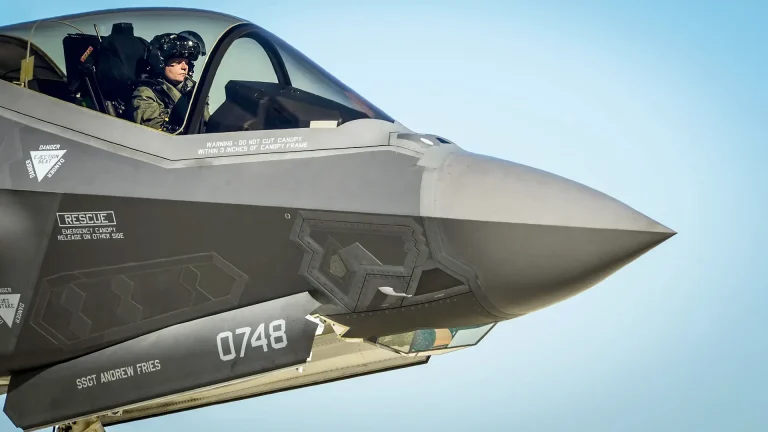
Officials from the Air Force and the manufacturer, Lockheed Martin, typically respond that this is a temporary situation caused by peak demand on the supply chain, and that the aircraft will be fully equipped as the missing modules become available.
But such statements do not hide the obvious: if the aircraft are delivered without all their equipment, then the customer receives not a “fully operational fighter jet,” but a platform that requires retrofitting and, possibly, additional time and money.
This could mean:
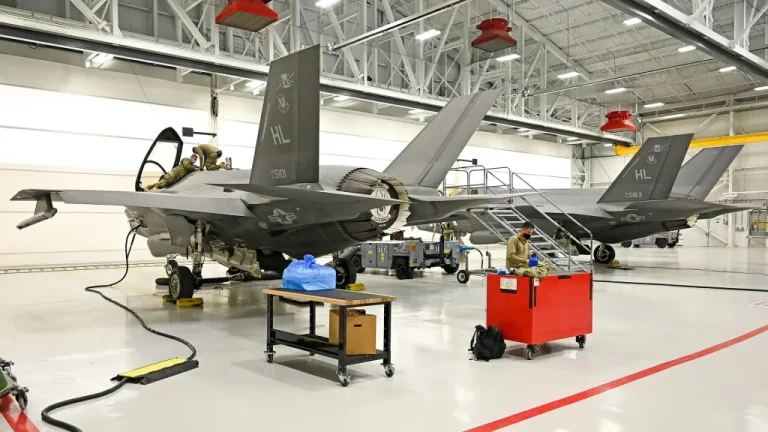
- the need for an additional logistics cycle—returning the aircraft to base to install the equipment;
- changes to the timeline for fielding;
- an increase in overhead expenses.
Why is this a cause for concern?
There are several reasons why situations like this attract so much attention:
1. This undermines the customer’s expectations
Customers, including allied nations, expect to receive a fully operational combat aircraft “out of the box.” If the delivery lacks key systems, it undermines confidence in the program.
2. This affects tactical plans
If a significant portion of the aircraft fleet requires retrofitting, operational readiness decreases—and this could affect the Air Force’s ability to carry out missions during critical periods.
3. This reflects systemic problems in production
Such incidents do not occur in a vacuum: they indicate that the F-35’s supply chain and production model are beginning to reach their limits, especially as the order volume expands.
What Does This Mean for the F-35 and the U.S. Air Force?
The F-35 fighter jet remains a key element of the strategic plans of the U.S. Air Force and its allies. It features:
- a high degree of integration of sensor data;
- the ability to serve as a hub for network intelligence and command and control;
- the ability to conduct covert operations deep within the enemy’s defensive lines.
However, if part of the fleet is not equipped with active radar systems, many of these advantages remain unavailable until the retrofitting is complete.
This is comparable to a car manufacturer delivering a new car without an engine, with the promise to “install it later”—technically, it’s a car, but for now it’s useless for its primary purpose.
Conclusion
The fact that some F-35s have been delivered to the U.S. Air Force without a full set of key radar antennas is not a mere “typo” on the production line, but a sign of the structural complexity of the F-35 program.
This reflects:
- current supply chain challenges;
- pressure on production capacity;
- possible implications for combat readiness schedules;
- issues related to trust in supply chains among the program’s international partners.
And although the situation can still be rectified, it underscores the
fact that
modern aircraft are not just metal and engines, but highly complex systems in which every component is critical
. And the absence of even a single one renders the platform incomplete.
based on https://www.twz.com/air/are-f-35s-being-delivered-to-the-usaf-without-radars-sure-seems-like-it