A Fence in the Sky. Why Are First World War Barrage Balloons Returning to Stop Drones?

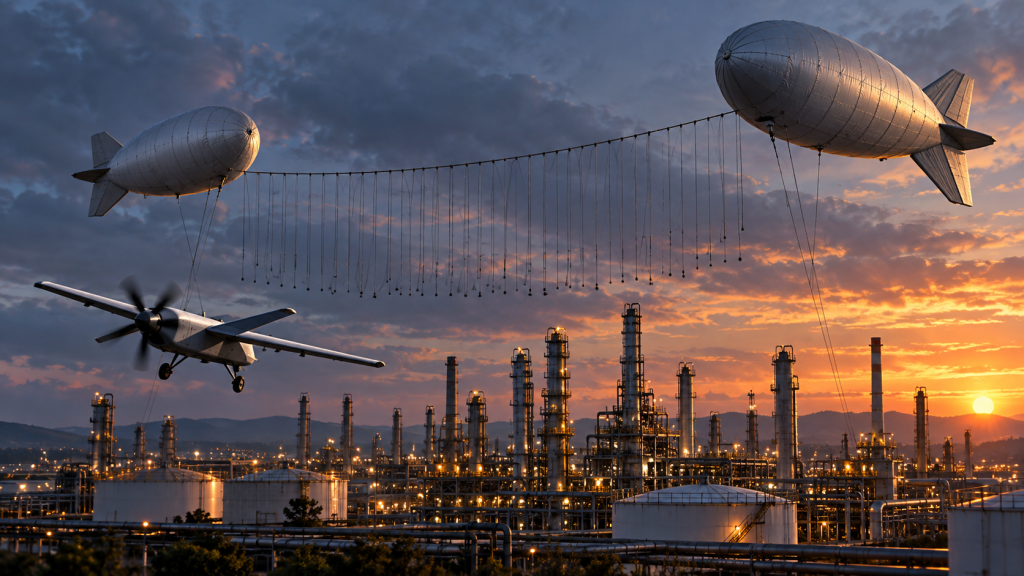
A drone is heading towards its target. In its path hangs a cord. No missile coming the other way, no laser beam. Two balloons hold up a cable with a barrier suspended beneath it, and the whole idea depends on the aircraft getting caught. Russia is testing this approach to protecting industrial facilities. The principle is more than a century old: when it first appeared, aircraft were made of wood and pilots sat in open cockpits.
In October 2026, reports of these trials circulated under headlines about protecting oil refineries from Ukrainian drones. The system quickly acquired a convenient historical label: “First World War technology.” It sounds almost like bringing back the cavalry. Yet a modern aircraft’s wing hitting a strong cable still obeys the same physics as the wing of an old biplane.
When Britain Tried to Fence Off the Sky
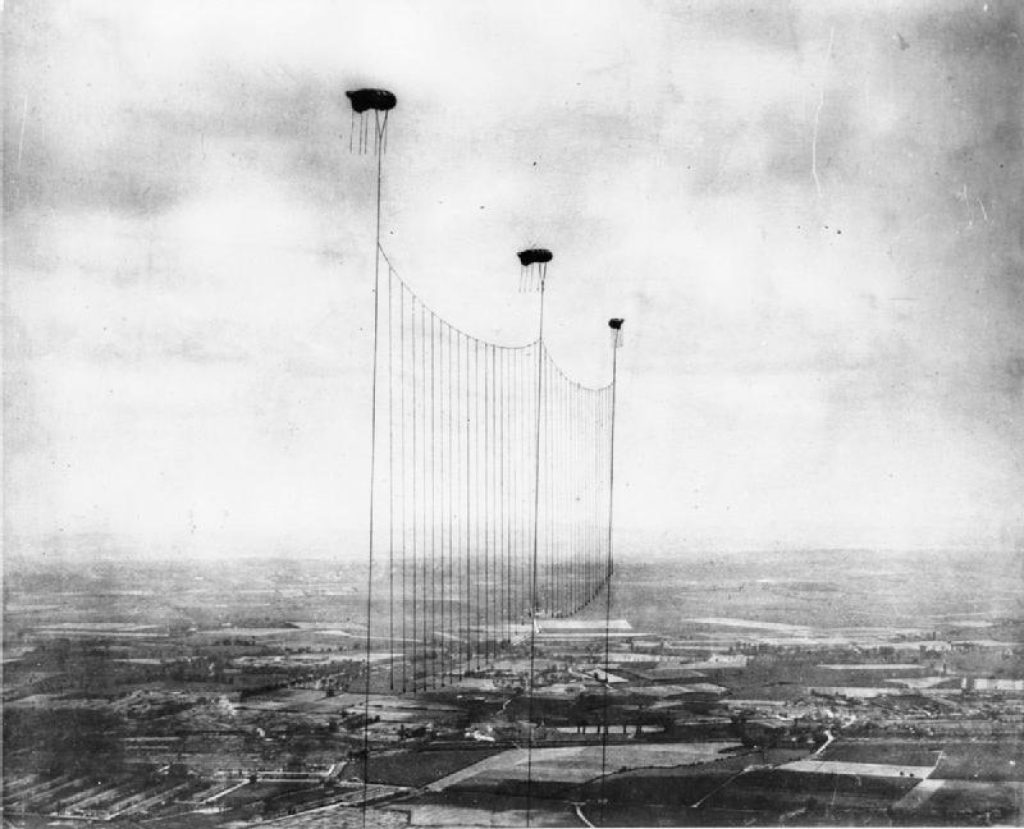
In the autumn of 1917, a balloon barrage appeared over London. The city had already experienced air raids, and the British were trying to put something in the attackers’ way that needed neither aiming nor ammunition. Several balloons lifted an arrangement of cables into the air. It was, in effect, a fence in the sky.
For a pilot, the problem was that the large, conspicuous balloon was only part of the danger. A collision with a cable could damage the aircraft. The sensible choice was to keep clear of the barrage or, when attacking the protected site, fly higher.
By the beginning of the Second World War, the idea had grown into a service of its own. Britain established Balloon Command, responsible for its balloon defences. The balloons became familiar features above cities, ports and factories. Below them were crews, winches and repair workshops. A defence that looked motionless required a surprisingly busy operation on the ground.
But a cable had no magical ability to destroy everything that touched it. An aircraft could survive a collision. The British strengthened the trap: on impact, a special mechanism released a section of cable that the aircraft dragged behind it, deploying parachutes. The increased drag was intended to prevent it from continuing its flight.
Even a weapon this simple had a history of improvements.
The First Pilotless Opponent
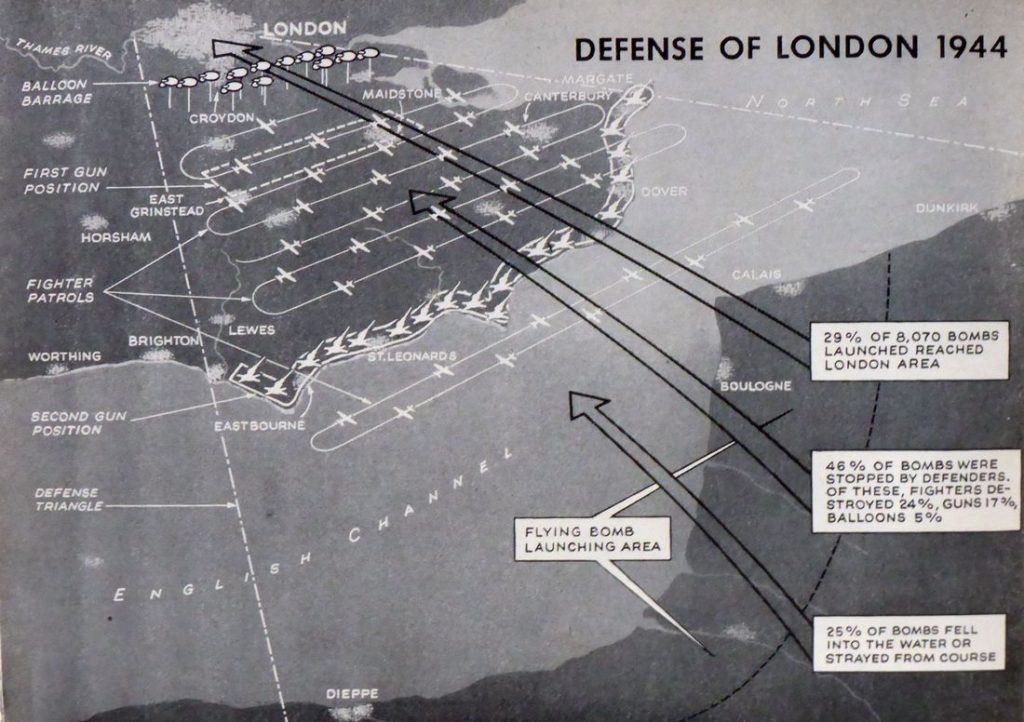
In the summer of 1944, the balloons encountered a machine with no pilot at all. Germany’s V-1 flying bomb carried explosives towards British cities. There was no crew to persuade to abandon a dangerous approach. The barrage had to act directly on the flying machine.
Britain used several layers of defence. Fighters intercepted V-1s, anti-aircraft guns fired at them, and balloons stood in their path. A historical tally reproduced in an RAF study credits the balloons with 231 V-1s destroyed. Fighters and guns accounted for considerably more.
Today, that history is often reduced to a small percentage, presented as a verdict against balloons. But to answer “How well did the trap work?”, we need to know how many targets actually encountered it. The total number of missiles launched cannot tell us that.
The balloons’ place in the defence is nevertheless clear: they added another obstacle to those created by other measures. Defeating the V-1 required a combination of responses.
A Century Later, the Cords Return
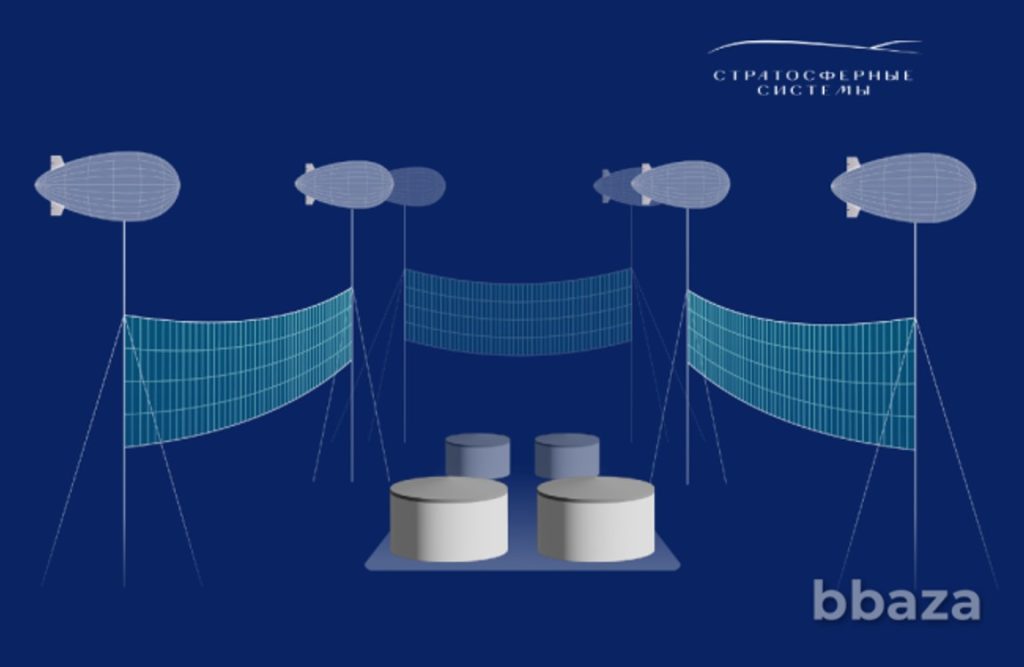
The modern version described by Russia 1 television looks more modest than the historical scenes of skies filled with balloons. The balloons support a cable with strong cords hanging beneath it. The developers propose using the system to protect important fixed facilities, including oil refineries.
According to reports of the trial, a drone was damaged when it struck the barrier. As a demonstration of the principle, that is a meaningful result: an obstacle suspended in the air can affect an aircraft in flight. But the available material contains no published test report with a series of trials and statistics. Nor does it provide independently confirmed evidence of a refinery being successfully protected by this particular system.
There is still a distance to travel between “a collision was demonstrated on a test range” and “balloons are protecting refineries.”
The system’s appearance can also be misleading. A balloon may look like a visitor from another era, but modern envelopes, fibres and ground equipment allow an old idea to be rebuilt. The returning principle is simple: lift a physical barrier into a space that a fence on the ground cannot reach.
There is another way to use tethered balloons: put radar or electronic warfare equipment aboard them. Developers have separately discussed such trials with TASS. In that case, the balloon helps equipment operate from an elevated position. In a suspended barrier, it holds up the obstacle. Similar-looking balloons can be doing very different jobs.
The Drone Falls. Does the Refinery Survive?
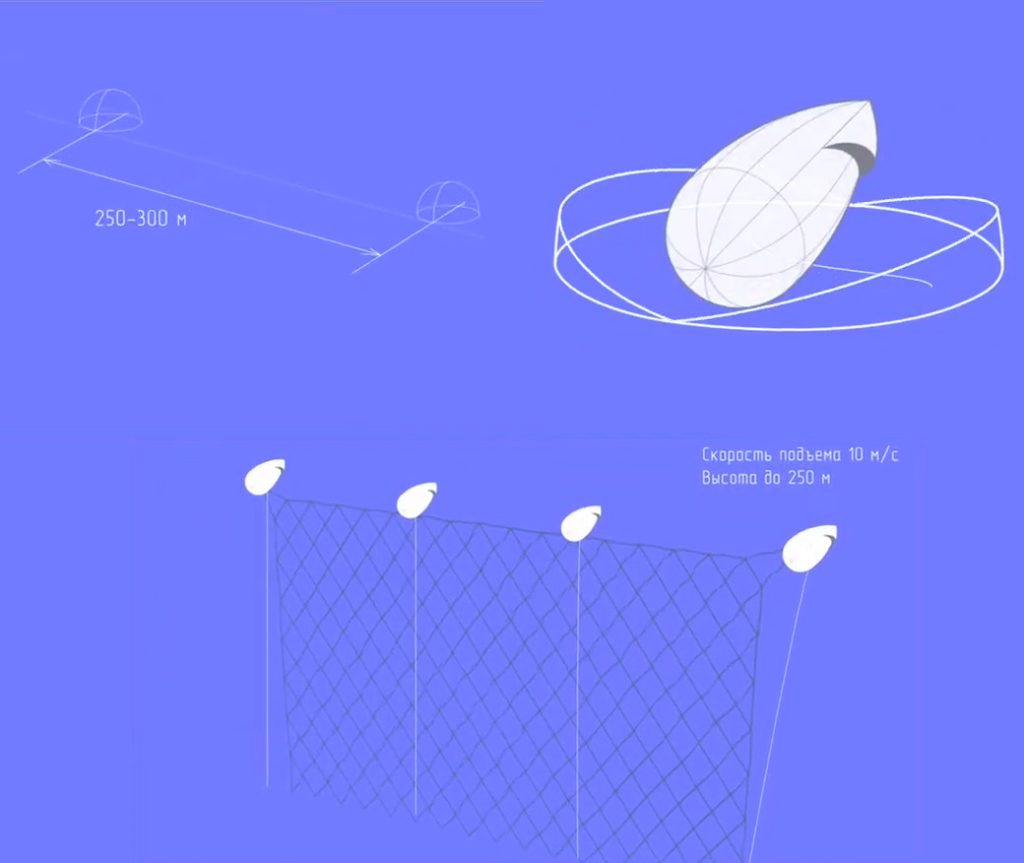
The most important part of the story begins after the collision. A damaged aircraft does not vanish. Debris keeps moving, and its warhead remains dangerous. A successful interception must end with the facility’s equipment avoiding serious harm.
On a test range, you can show a broken wing. At a refinery, you have to show an intact processing unit, no fire and production that did not have to stop.
That is also the difference between the strength of an individual cord and the reliability of the entire defence. The first can be tested as a material. The second has to be assessed as an operating system, including maintenance and safety. A balloon needs lifting gas and care, ground equipment must remain serviceable, and crews must be able to operate the whole arrangement in changing weather.
The price of the envelope tells us little about the cost of years in service. A fence in the sky may look inexpensive beside sophisticated weapons, but the cost of keeping it ready emerges from the expenses of the whole system.
The idea has a straightforward advantage: a physical obstacle acts on the aircraft itself. It does not need to persuade the electronics that they are somewhere else. But a successful collision still cannot tell us how many attacks the system will stop.
What Still Needs to Be Proven
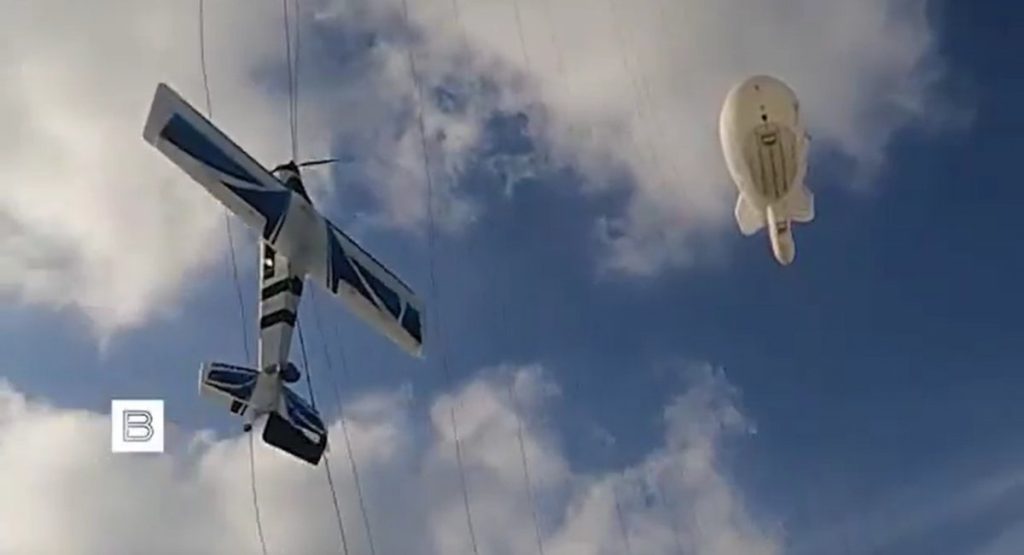
Barrage balloons return with an unusual legacy. Behind them are a genuine service history, damaged aircraft and intercepted V-1s. Ahead of them are modern drones and industrial facilities where a mistake can mean a fire and a production shutdown.
There is a sound case for further testing. Dismissing the barrier because the idea is old would be as premature as declaring it a complete solution after a single demonstration. Understanding its value requires repeatable results and experience in service.
A century ago, Britain raised cables over London because aircraft wings could be broken. Today, the testers face a harder question: can those cables save a refinery?