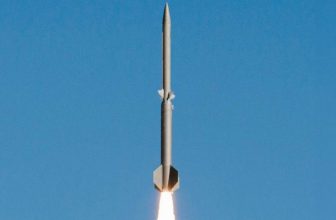
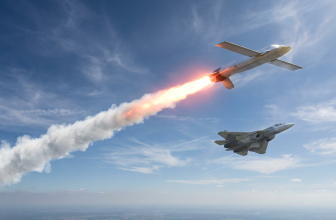
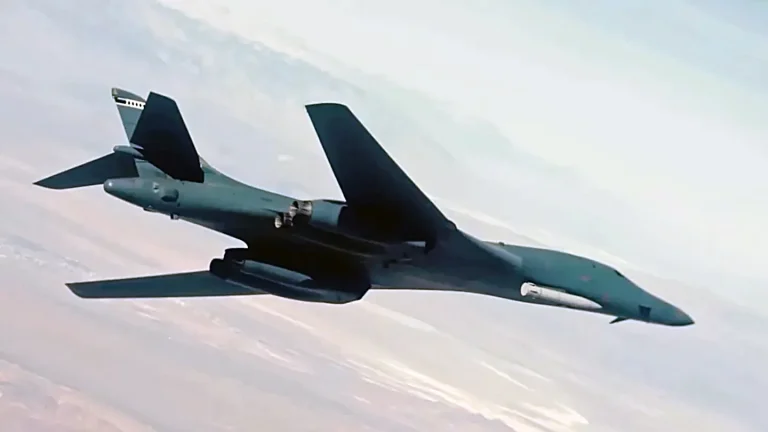
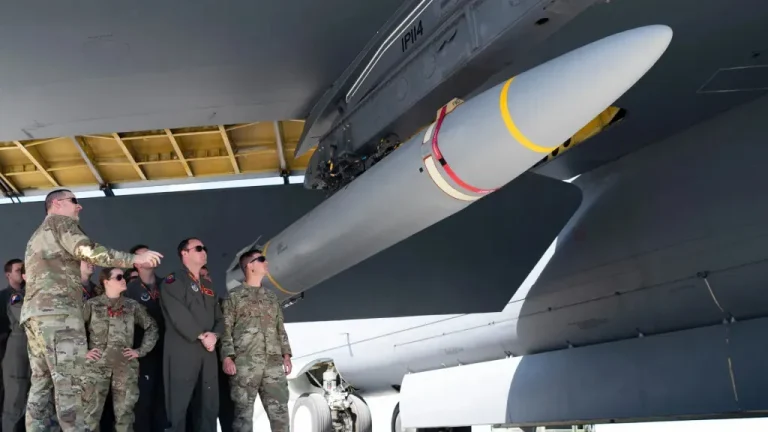
Sometimes a news story is just a few seconds of video. But it’s precisely these kinds of clips that can reveal more than official statements. In the U.S., the B-1B Lancer strategic bomber was shown for the first time with an AGM-183 ARRW hypersonic missile mounted on an external pylon—and this is an important signal about the future role of this aircraft.
Trigger: A short video, but an important point
https://www.instagram.com/edwardsairforcebase/reel/DXt5uAOCM5B/
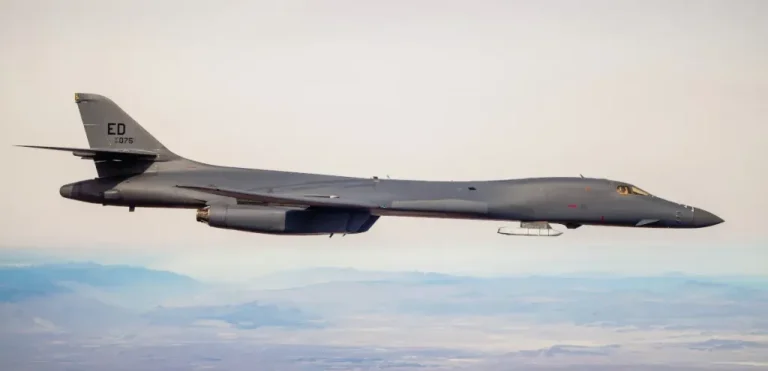
The catalyst was the release of a short video showing a B-1B flying with a hypersonic ARRW missile mounted on it. This is the first confirmation that the aircraft has indeed begun operating with this type of weapon, although such plans had previously only been discussed.
The video appeared in Edwards Air Force Base’s official content, but the flight itself was not announced separately. It is unknown exactly when the tests took place.
Nevertheless, the very fact that it was recorded is an event in itself:
previously, the ARRW had only been demonstrated on a B-52.
What kind of rocket is this?
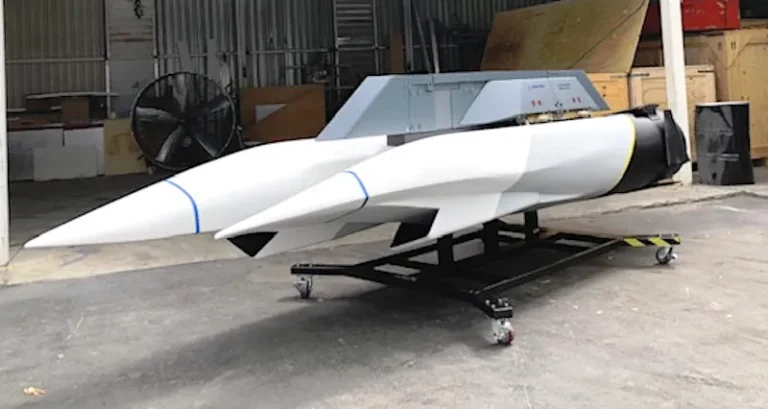
The AGM-183 ARRW is one of the key U.S. hypersonic weapons programs. The missile uses an “acceleration + glide” flight profile: it is first accelerated by a rocket engine and then flies toward the target at hypersonic speeds.
Specified parameters:
— Speed: faster than Mach 5 (theoretically much faster)
— Range: long, beyond the reach of air defense systems —
Mission: to engage well-protected targets
At the same time, the program was going through a difficult period: unsuccessful tests, followed by a de facto “freeze,” and later a return to further development.
Why the B-1B, specifically?
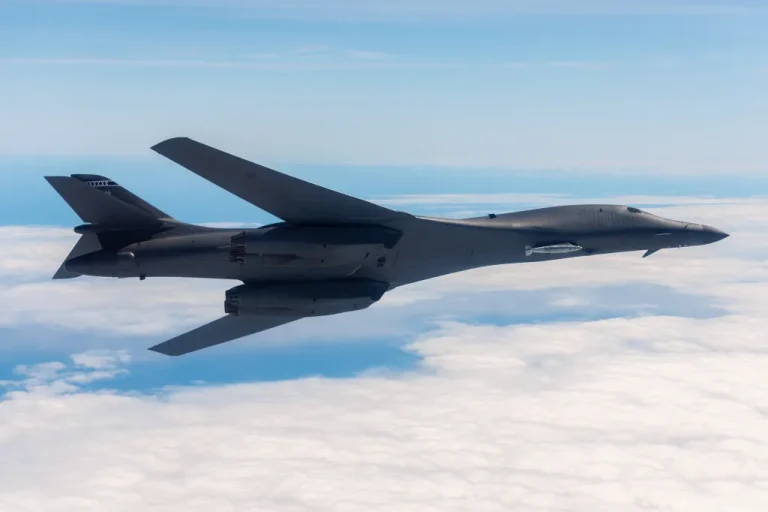
The inclusion of the ARRW on the B-1B is no coincidence.
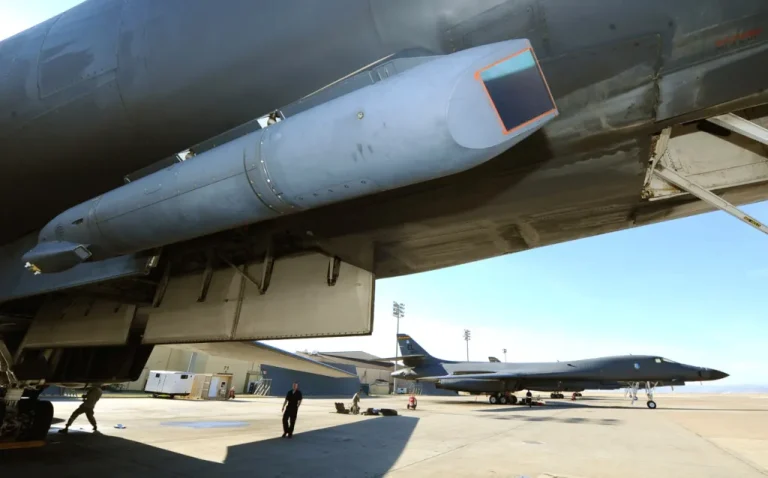
This bomber originally had external hardpoints, but after the Cold War, they were rarely used. Now they are being brought back into service to expand the range of weapons available.
The idea is simple:
— Move the large missiles
outside — free up space in the internal compartments —
increase the total ammunition load
Just a few years ago, the Air Force explicitly stated that it wanted to adapt the B-1B for hypersonic weapons, specifically using external pylons.
The Return of the Bomber Role
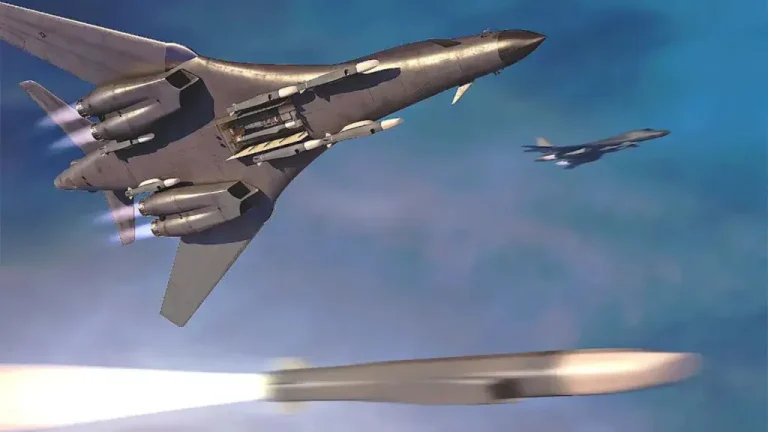
With the introduction of the new B-21 strategic bomber, the older B-1B is not being retired; on the contrary, efforts are underway to find a new role for it.
It is currently considered to be:
— a platform for testing hypersonic
weapons — a carrier for long-range
missiles — a “missile truck” for long-range strikes
As a result, the aircraft’s service life has been extended to approximately the 2030s.
Why Is This Important?
A single rocket flight, in and of itself, is not a revolution.
But this is the first visual indication that:
— The ARRW program has not been
permanently shut down— The B-1B is actually being adapted to carry the new weapon
— Hypersonic technology is moving from the experimental stage to operational delivery systems
This is the transition from theory to practice.
Conclusion
The story of the B-1B and the ARRW isn’t about a single test.
This is about how the role of an old airplane has changed in the new reality.
A bomber designed for nuclear war is once
again being adapted for a new era—
This time, a hypersonic one.
источник https://www.twz.com/air/b-1b-seen-carrying-arrw-hypersonic-missile-for-the-first-time